
Gentle Evening Support for Creatinine and Kidney Health After 60
Many people over 60 notice their creatinine levels slowly rising on routine blood tests, which can naturally trigger concern about kidney function and long‑term health. When this is paired with symptoms like fatigue, puffiness, or general discomfort, everyday activities may start to feel more exhausting and worrisome.
The encouraging news: adding a few kidney‑friendly fruits to your evening routine may offer mild, natural nutritional support as part of a broader, medically guided plan.

This guide highlights one standout fruit often recommended in kidney‑conscious diets—plus three more bedtime‑friendly choices—and finishes with practical ways to enjoy them and lifestyle tips that complement your efforts.
Why Consider Bedtime Fruits for Kidney Support?
With age, the kidneys have to work harder to clear waste products like creatinine from the bloodstream. While medication and medical monitoring are central, lifestyle decisions—especially what you eat at night—also influence how well this filtration process is supported.
Certain fruits can be particularly helpful because they tend to offer:
- Hydration to support urine production
- Antioxidants that help combat oxidative stress
- Lower levels of minerals that can burden compromised kidneys, such as potassium and phosphorus
Nutrition research suggests that fruits rich in vitamin C, fiber, and anti‑inflammatory compounds may contribute to overall kidney wellness when eaten in appropriate portions. Some fruits contain enzymes and mild diuretic properties that can support the body’s natural detoxification pathways.
However, it is essential to remember:
- These fruits are not cures or stand‑alone treatments.
- They work best as supportive additions to a kidney‑friendly eating pattern guided by your healthcare provider, especially if you are monitoring creatinine levels.
Pineapple: A Standout Fruit for Kidney‑Friendly Evenings
Among fruits commonly recommended in kidney‑conscious meal plans, pineapple often gets special mention.
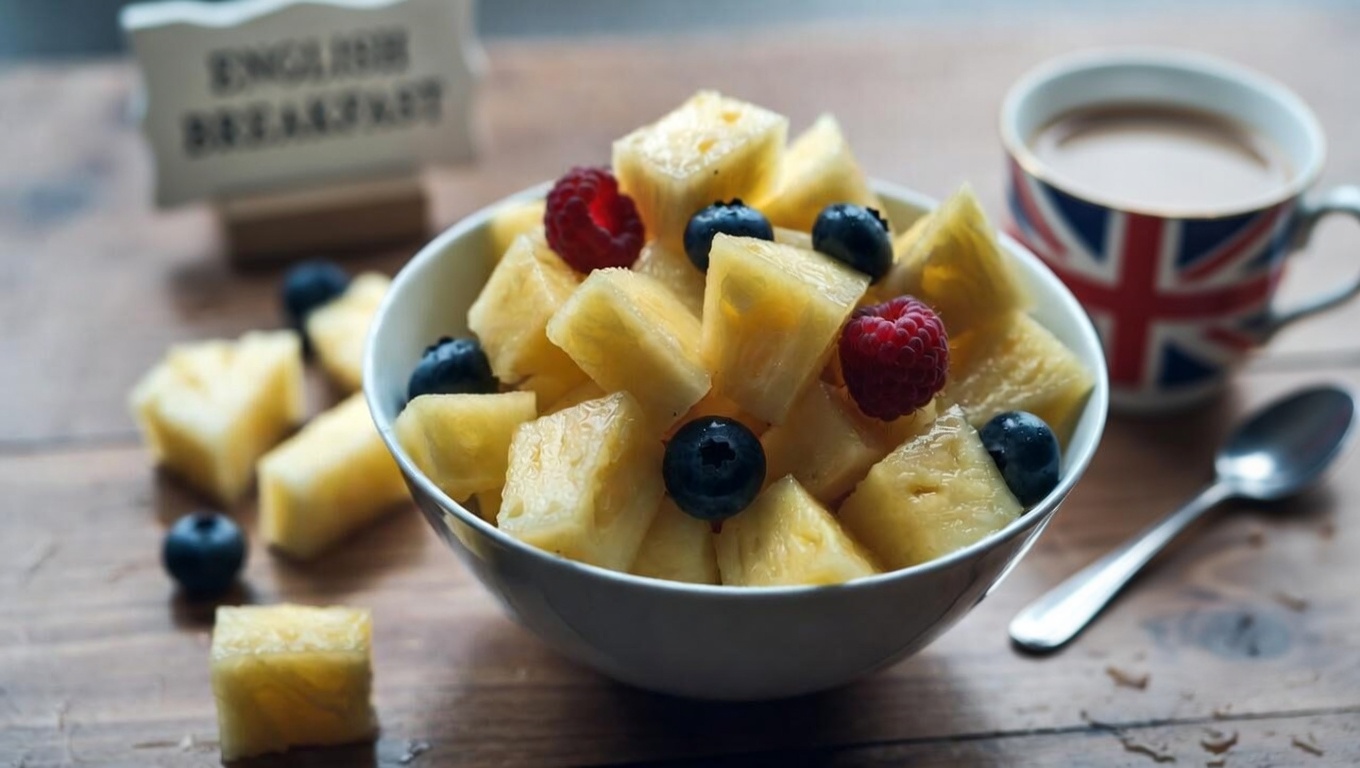
Here is why pineapple is frequently seen as a smart choice:
-
Lower in kidney‑burdening minerals
A cup of fresh pineapple chunks typically provides about 180 mg of potassium and around 13 mg of phosphorus—significantly lower than fruits like bananas or oranges. Data from sources such as the USDA and Healthline support this mineral profile, making pineapple generally more suitable for people watching their potassium intake. -
Bromelain: a natural enzyme
Pineapple contains bromelain, a compound associated with anti‑inflammatory effects. Some studies link bromelain to reduced swelling and support for healthy tissues, which may be relevant for overall kidney and systemic health. -
Mild diuretic effect
Pineapple can gently encourage urine production, assisting the body in flushing out waste products more efficiently without being overly harsh.
Thanks to its fiber, vitamin C, and moderate mineral content, many nutrition resources include pineapple as a kidney‑friendly treat when eaten in sensible portions. Its natural sweetness also makes it a satisfying evening snack that can help curb cravings for processed desserts.
Three Additional Bedtime Fruits Worth Considering
Pineapple is not the only useful option. The following fruits also fit well into an evening routine and offer complementary benefits for those focusing on kidney health and creatinine control.
1. Apples
- Naturally low in potassium and phosphorus
- Rich in fiber and antioxidants
- Contain pectin, a soluble fiber that may help bind certain waste products in the digestive tract and support elimination
A medium apple—especially with the skin left on—provides a simple, crunchy, and satisfying bedtime snack without overwhelming the kidneys.
2. Berries (Such as Blueberries or Strawberries)
- High in antioxidants that fight oxidative stress
- Generally low in potassium compared with many other fruits
- Contain plant compounds that support overall cellular health, which indirectly benefits kidney function
A small handful of berries before bed delivers flavor, hydration, and protective phytonutrients in a modest portion.
3. Cranberries
- Well known for supporting urinary tract health
- Provide vitamin C and beneficial plant compounds
- May help promote hydration and support the body’s natural waste elimination
Unsweetened cranberries or diluted, low‑sugar cranberry juice can fit into an evening routine, especially for those prone to urinary issues.
Quick Comparison of These Kidney‑Friendly Fruits
- Pineapple: Tropical flavor, contains bromelain for potential inflammation support, relatively low potassium (~180 mg per cup).
- Apples: High in fiber, very low in potassium, neutral taste that pairs well with many snacks.
- Berries: Antioxidant‑rich; even small servings offer significant nutritional benefits.
- Cranberries: Tart, refreshing, may support urinary tract health and overall hydration.
Rotating these fruits keeps your evening routine interesting while offering a broad spectrum of vitamins, antioxidants, and hydrating benefits.
How to Enjoy These Fruits at Bedtime: Practical Steps
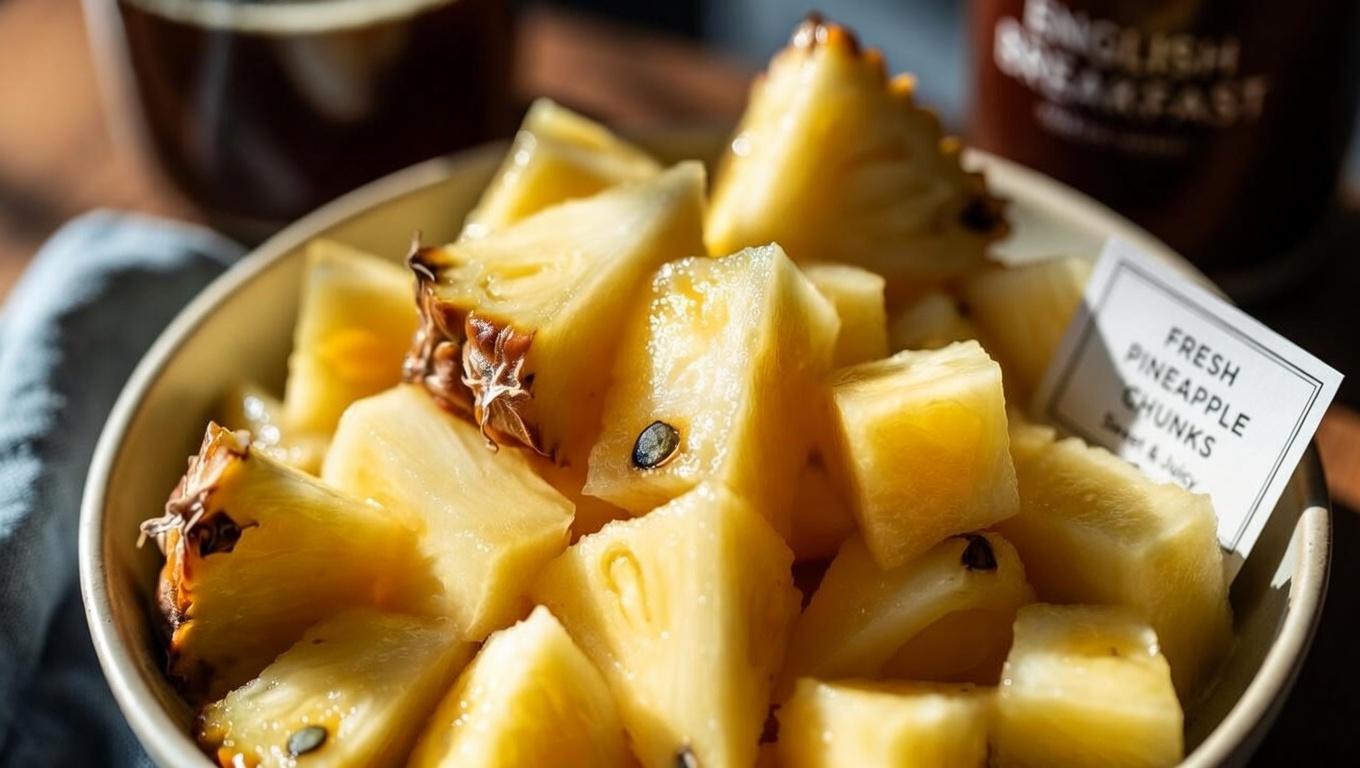
If you would like to start tonight, here is a simple, step‑by‑step approach:
-
Choose fresh or minimally processed options
Pick whole, fresh fruits whenever possible. If using packaged or canned fruit, look for versions stored in water or their own juice, without added sugar or heavy syrup. -
Watch your portions
Aim for about ½ to 1 cup of fruit in total during the evening. This helps you benefit from nutrients without taking in too much natural sugar at once. -
Keep preparation simple
- Cut pineapple into small chunks
- Slice an apple with the skin on for extra fiber
- Rinse berries and pat dry
- Use a small handful of cranberries or a portion of diluted juice, if tolerated
-
Plan your timing
Enjoy your fruit snack 1–2 hours before bedtime. This allows your body to digest comfortably and reduces the chance of nighttime discomfort. -
Boost flavor naturally
Add a pinch of cinnamon, a squeeze of lemon, or a few mint leaves instead of sugar. This keeps your snack light yet satisfying.
For example, a small bowl of pineapple mixed with a handful of blueberries can create a refreshing, colorful evening dessert. Many people find that this kind of routine helps reduce late‑night junk food cravings while offering gentle support for kidney health.
Remember: pair these fruits with good hydration habits—sip water throughout the day rather than all at once at night—to enhance their natural benefits.
Lifestyle Habits That Work Together With Kidney‑Friendly Fruits
Fruits are most effective when they are part of a broader, kidney‑supportive lifestyle. Consider:
-
Stay well hydrated
Adequate water intake helps the kidneys filter waste products like creatinine more effectively. Follow your doctor’s advice if you have fluid restrictions. -
Limit sodium and processed foods
Reducing high‑salt snacks, fast food, and processed meats can ease the burden on your kidneys and support healthier blood pressure. -
Incorporate gentle movement
Light evening activity—such as a 10–20‑minute walk—can improve circulation, support overall metabolism, and contribute to better sleep quality. -
Monitor your health regularly
Work closely with your healthcare provider to track creatinine levels, kidney function, and blood pressure, and adjust your diet or medications as needed.
Often, it is the consistent combination of small changes—like smarter evening snacks, better hydration, and moderate activity—that delivers meaningful long‑term support.
Conclusion: A Simple Evening Habit With Meaningful Potential
Incorporating kidney‑friendly fruits such as pineapple, apples, berries, and cranberries into your nighttime routine can be a pleasant and practical way to nourish your body after 60. Their lower mineral content, antioxidant richness, and hydrating properties make them thoughtful additions for those aiming to support kidney health and manage creatinine levels within a comprehensive wellness plan.
You might start tonight with something easy—like a small bowl of fresh pineapple or sliced apple—and pay attention to how your body responds over time. Your kidneys perform vital work every day; giving them gentle nutritional support can be one more step toward protecting your long‑term health.
FAQ
What makes pineapple a good evening choice for kidney support?
Pineapple is relatively low in potassium and phosphorus compared with many other fruits, making it easier on the kidneys for people who need to manage these minerals. It contains bromelain, an enzyme associated with anti‑inflammatory benefits, and may have mild diuretic effects that help the body eliminate waste more efficiently—all while offering natural sweetness that can replace processed desserts.
How much fruit should I eat at bedtime if I am concerned about creatinine?
A reasonable target is about ½ to 1 cup of fruit in total during the evening. Keeping portions moderate helps you avoid excess sugar while still benefiting from fiber, vitamins, and antioxidants. Choose a mix of kidney‑friendly options and consult your healthcare provider or dietitian for personalized guidance based on your specific lab results and kidney function.
Are there fruits I should limit if I have elevated creatinine or reduced kidney function?
Yes. If your kidneys are not working well, you may need to limit high‑potassium fruits such as bananas, oranges, mangoes, and avocados. The exact restrictions vary by individual, so it is important to discuss your fruit choices and portion sizes with your doctor or a renal dietitian. Lower‑potassium options like pineapple, apples, berries, and cranberries are often preferred, but should still be eaten in moderation within your overall meal plan.