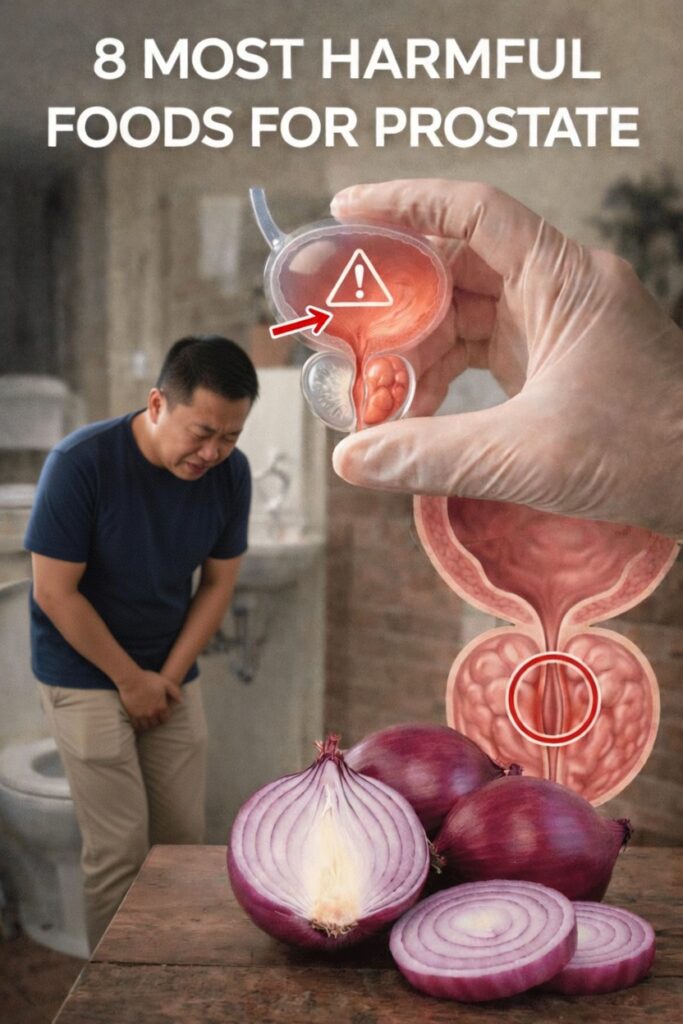
8 Foods That May Harm Your Prostate (and What to Eat Instead)
As men get older, worries about prostate health often grow—especially when nighttime bathroom trips, discomfort, or a vague sense that “something isn’t right” starts to appear. These changes can interfere with sleep, productivity, and confidence, making everyday life feel more draining than it needs to be.
Research from organizations such as Mayo Clinic, Harvard Health, and the American Cancer Society suggests that certain eating habits may be linked with a higher likelihood of prostate issues, including benign prostatic hyperplasia (BPH) and prostate cancer. The encouraging news: making thoughtful changes to your diet may help support better prostate health over the long term.
In this guide, you’ll find eight types of foods that, when eaten frequently or in large amounts, may be less friendly to your prostate. You’ll also see why they might be problematic, plus simple, realistic swaps you can start using right away. At the end, you’ll find practical, everyday habits many men use to support their prostate over time.
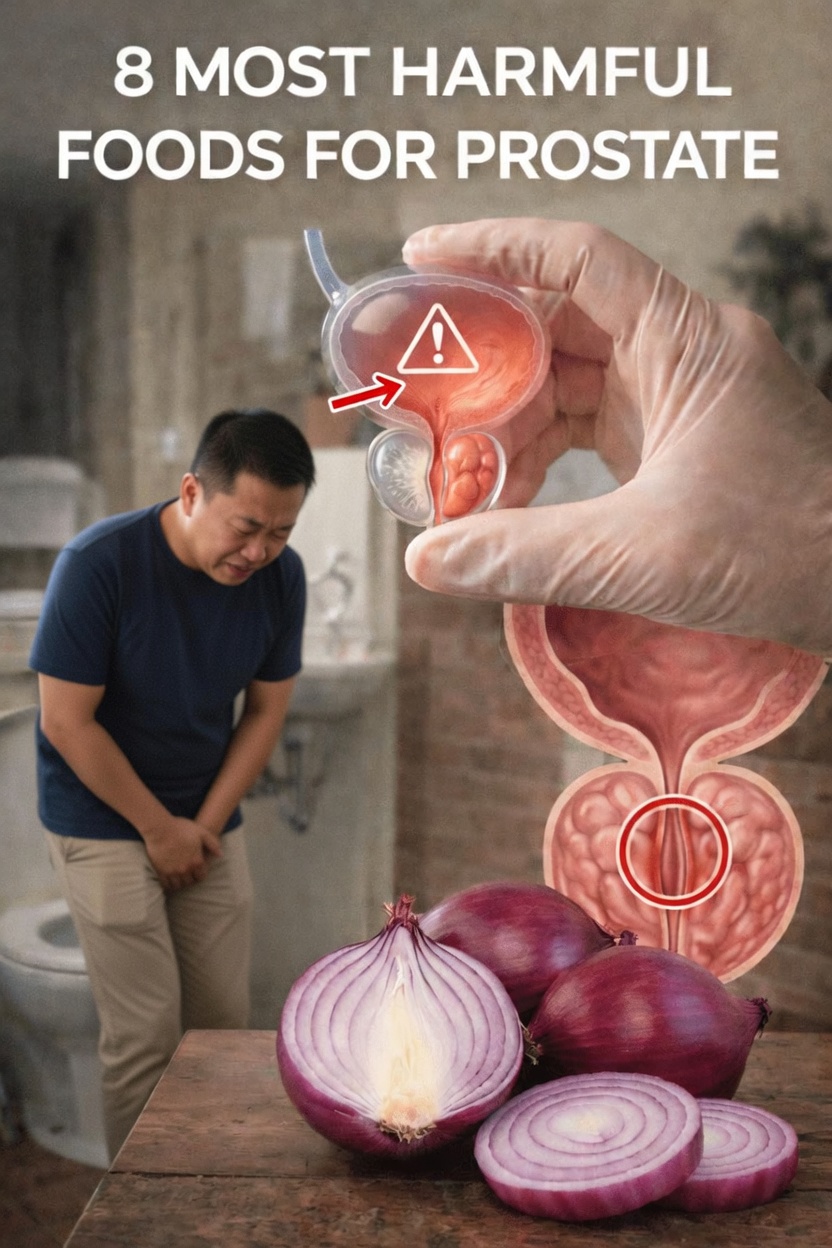
Why Your Diet Matters for Prostate Health
The prostate is a small gland located below the bladder, involved in both urinary control and reproductive function. With age, it’s common for the prostate to enlarge or become inflamed. These changes are shaped by hormones, inflammation levels, genetics, and lifestyle factors—diet included.
Studies indicate that eating patterns rich in certain fats, processed meats, and refined foods may be associated with higher prostate risks. In contrast, dietary patterns that emphasize plant-based foods, healthy fats, and minimally processed ingredients tend to be linked with more favorable outcomes.
It’s important to remember: no single food is solely responsible for prostate problems. What matters most is your overall pattern of eating over time. The following are key categories worth limiting.
1. Red Meat (Beef, Pork, Lamb)
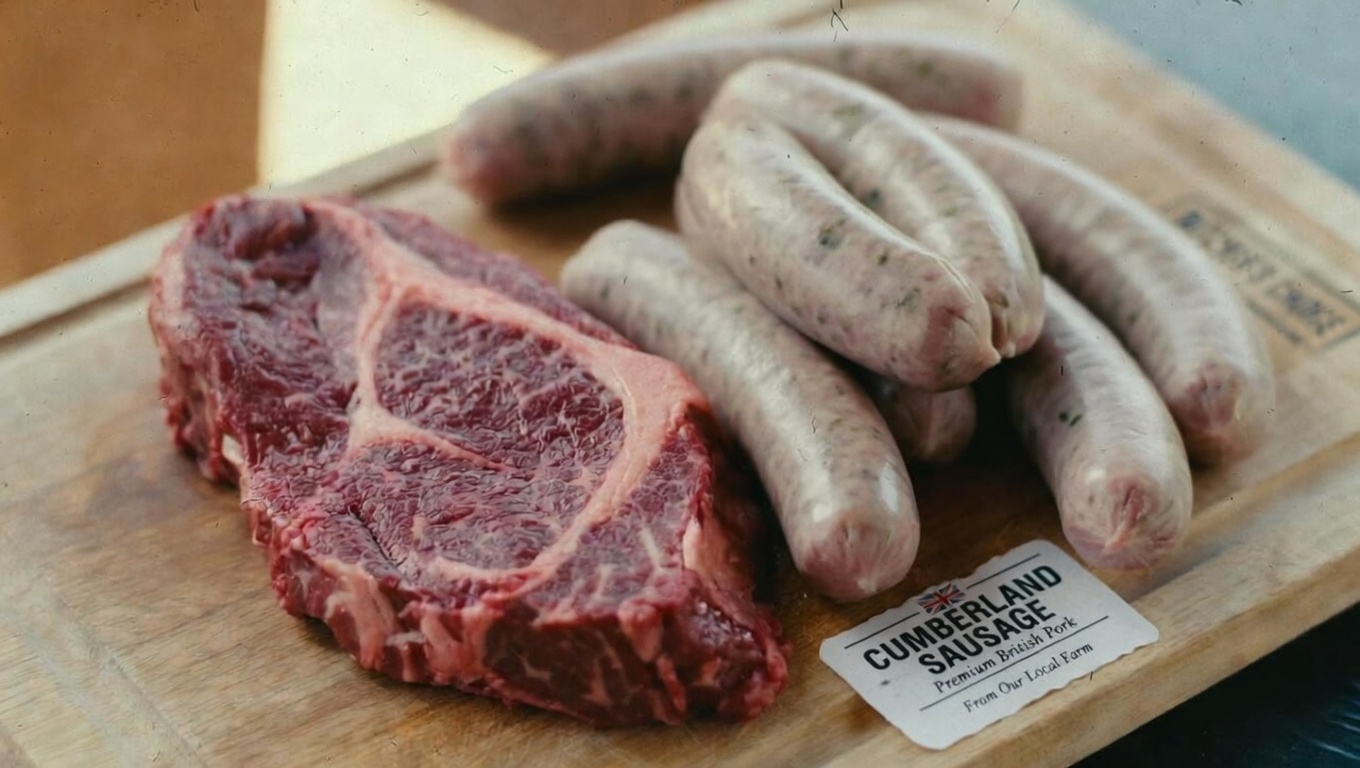
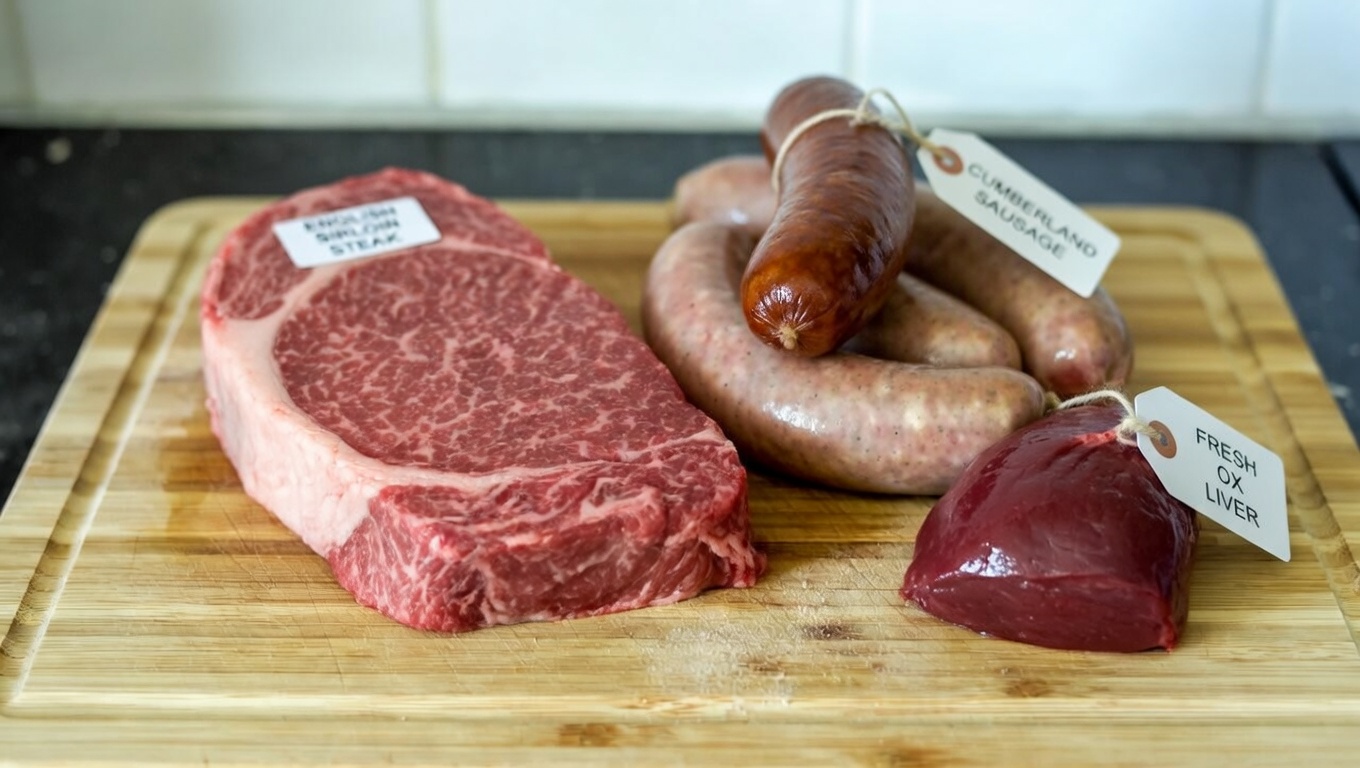
Eating a lot of red meat—such as steaks, burgers, chops, and roasts—has been associated in multiple studies with a higher risk of prostate-related issues. When red meat is cooked at very high temperatures (grilling, pan-frying, broiling), it can form compounds that may contribute to inflammation and cellular damage. In addition, the saturated fat content of many red meat cuts may influence hormone levels and inflammatory pathways.
Research from Harvard T.H. Chan School of Public Health and the American Cancer Society has reported links between heavy red meat intake and increased risk or progression of prostate cancer.
Smarter swap:
- Choose lean poultry like skinless chicken or turkey more often.
- Include plant-based proteins—beans, lentils, chickpeas, and tofu—several times per week.
- Treat red meat as an occasional choice rather than an everyday staple.
2. Processed Meats (Bacon, Sausages, Hot Dogs, Deli Meats)
Processed meats are typically cured, smoked, or preserved and often contain added nitrates, salt, and other additives. Examples include bacon, ham, sausages, hot dogs, and many deli or luncheon meats.
The World Health Organization and other research groups have highlighted processed meats as potentially concerning, in part because of their links with certain cancers, including prostate cancer. The preservatives and compounds formed during processing and high-temperature cooking may promote inflammation and oxidative stress in the body.
Smarter swap:
- Choose fresh, unprocessed meats or poultry when possible.
- Replace deli meats with options like hummus, grilled chicken, or sliced baked turkey on sandwiches and wraps.
- Look for lower-sodium, additive-free products if you do buy processed meats, and keep portions small and infrequent.
3. High-Fat Dairy Products (Whole Milk, Cheese, Butter)
Full-fat dairy products—such as whole milk, cream, many cheeses, and butter—have been examined in relation to prostate cancer in several observational studies. Research cited by Mayo Clinic and the American Cancer Society suggests that high intake of these foods may be associated with an increased risk of prostate cancer, especially in higher amounts.
Possible reasons include:
- Very high calcium intake
- Hormonal components in dairy
- Saturated fat content
By contrast, low-fat dairy and some non-dairy alternatives have not consistently shown the same associations.
Smarter swap:
- Opt for low-fat or skim milk and yogurt instead of whole milk and cream.
- Try plant-based milks such as unsweetened almond, soy, or oat milk.
- Use olive oil or other healthy oils in place of butter for cooking and spreading.
4. Saturated Fats (Fried Foods, Baked Goods, Fatty Meats)
Saturated fats are found in many fried foods, commercial baked goods (like pastries and biscuits), fatty cuts of meat, and some packaged snacks. Diets high in saturated fats are linked to systemic inflammation and weight gain—both of which can indirectly influence prostate health and overall hormone balance.
Harvard Health and other institutions recommend limiting saturated fat as part of a heart-healthy and potentially prostate-supportive way of eating.
Smarter swap:
- Prioritize unsaturated fats from foods such as avocados, olives, nuts, seeds, and olive or canola oil.
- Choose baking, steaming, or grilling instead of deep-frying.
- Select leaner cuts of meat and trim visible fat.
5. Alcohol (Especially in Excess)
Alcohol, when consumed heavily or frequently, can irritate the bladder and urinary tract. For men who already have an enlarged prostate or urinary symptoms, this can worsen issues like urgency, frequency, or weak stream. Some research also links long-term excessive alcohol use with increased prostate cancer risk, possibly via chronic inflammation or hormonal effects.
Smarter swap:
- If you drink, keep it to moderate levels (for many men, this means up to 1–2 standard drinks per day, but always follow your doctor’s advice).
- Replace some alcoholic drinks with sparkling water and citrus, herbal teas, or flavored water infused with fruit or herbs.
- Build alcohol-free days into your week.
6. Eggs (Especially High Intake of Egg Yolks)
Eggs are nutritious, but several cohort studies have suggested that consuming larger amounts of whole eggs—particularly more than a few per week—might be linked with a higher risk of aggressive forms of prostate cancer in some men. Researchers have debated potential mechanisms, with choline and certain fats in the yolk being among the suspects.
This doesn’t mean eggs must be eliminated for everyone, but it may be wise to avoid very high intake of whole eggs if you are concerned about prostate health or have risk factors.
Smarter swap:
- Use mostly egg whites for scrambles, omelets, and baking, and limit whole eggs to about 2 (or fewer) per week, unless directed otherwise by your healthcare provider.
- Rotate other protein sources into your meals, such as fish, beans, lentils, or Greek yogurt (low-fat).
7. Deep-Fried Foods (French Fries, Fried Chicken, Doughnuts)
Deep-fried foods are often high in unhealthy fats, including trans fats, and can contain harmful byproducts formed at very high cooking temperatures. These compounds may boost inflammation and oxidative stress, which are connected to cancer risk in general.
A study from Fred Hutchinson Cancer Research Center reported that men who regularly ate foods like french fries, fried chicken, and doughnuts had a higher risk of prostate cancer compared with those who consumed them less often.
Smarter swap:
- Use an air fryer or oven to get a crispy texture without submerging foods in oil.
- Bake potatoes, chicken, and fish instead of deep-frying them.
- Choose snacks like fresh fruit, nuts, or plain popcorn instead of fried fast food.
8. Sugary Drinks and High-Glycemic Foods
Sugar-sweetened beverages (like regular soda, energy drinks, and many bottled juices) and refined carbohydrates (white bread, pastries, many cereals) can cause rapid spikes in blood sugar and insulin. Over time, this pattern can contribute to weight gain, insulin resistance, and chronic inflammation.
Some studies have linked high-glycemic diets with a greater risk of more aggressive prostate cancers, although research is still evolving.
Smarter swap:
- Drink water as your main beverage; add lemon, lime, or cucumber slices for flavor.
- Choose unsweetened tea or black coffee instead of sugary drinks.
- Replace refined grains with whole grains such as oats, brown rice, quinoa, and whole-grain bread or pasta.
Quick Snapshot: Foods to Limit vs. Better Choices
-
Limit These:
- Red and processed meats
- Full-fat dairy (whole milk, cream, high-fat cheese, butter)
- Fried and deep-fried foods
- Excess alcohol
- Very high intake of egg yolks
- Sugary drinks and refined carbs
-
Choose More Often:
- Poultry, fish, and plant proteins (beans, lentils, tofu, nuts, seeds)
- Low-fat or plant-based dairy alternatives
- Baked, grilled, steamed, or air-fried dishes
- Water, herbal teas, and unsweetened beverages
- Whole grains, vegetables, fruits, and healthy fats
Making these shifts doesn’t mean sacrificing taste. Many men find that as they experiment with herbs, spices, and new recipes, they enjoy their food more—while also supporting their long-term health.
Simple Daily Habits to Support Prostate Health
Beyond specific foods, these practical habits can help create a more prostate-friendly lifestyle:
-
Build meals around plants
Aim to fill at least half your plate with vegetables and fruits. They provide antioxidants, fiber, and phytonutrients that may help counter inflammation. -
Use gentler cooking methods
Cook at moderate temperatures and favor baking, steaming, or slow-cooking. If grilling, avoid charring and trim burned bits to reduce harmful compounds. -
Stay well hydrated
Drinking enough water helps support urinary flow and may dilute irritants in the urinary tract. Spread your intake throughout the day. -
Watch portions of higher-risk foods
Track how often you eat red meat, processed meats, and high-fat dairy. Gradually cut back, replacing them with healthier options. -
Move your body regularly
Physical activity—like brisk walking, cycling, or swimming—supports weight management, hormone balance, and overall well-being, all of which tie into prostate health.
Even modest changes, practiced consistently, can add up and help you feel more in control of your health.
Conclusion
Supporting your prostate through nutrition is not about strict rules or perfection—it’s about awareness and balance. By limiting these eight categories of foods and leaning into more plant-centered, minimally processed choices, many men report better energy, improved urinary comfort, and greater peace of mind.
Combine these dietary strategies with regular medical check-ups, appropriate screening, and a generally healthy lifestyle for the most comprehensive approach to protecting your prostate over time.
FAQ
What are the main foods linked to prostate concerns?
Research frequently points to red and processed meats, high-fat dairy products, deep-fried foods, sugary drinks, and excessive alcohol intake as dietary patterns that may be associated with higher prostate risks. Diets richer in vegetables, fruits, whole grains, healthy fats, and plant proteins tend to show more protective associations.
Can improving my diet really make a difference?
Diet alone cannot guarantee you will avoid prostate problems, but many studies suggest that healthier eating patterns are linked with lower risks and may help manage symptoms when combined with other lifestyle measures and medical care. Think of diet as one important piece of a bigger health puzzle.
Do I need to completely eliminate these foods?
For most people, total elimination isn’t necessary. Moderation and smart substitutions are often enough. Focus on:
- Reducing how often and how much you consume higher-risk foods
- Increasing your intake of whole, plant-forward meals
- Paying attention to how your body responds
Always consult your healthcare provider for personalized advice, especially if you already have prostate concerns or other medical conditions.