
Easing Joint Stiffness as the Years Go By
As time passes, many people find their joints—especially the knees—feel stiffer, more achy, or less flexible. Everyday movements like walking around the block, climbing a flight of stairs, or even getting out of bed can start to feel more demanding than they used to. Much of this change is related to natural wear and tear on joint tissues, along with low-level inflammation that gradually builds up in the body. It can be discouraging when something as simple as a morning walk no longer feels effortless.
The encouraging news: including specific nutrient-dense, anti-inflammatory foods in your daily meals may help support joint comfort and mobility. Research indicates that whole foods rich in omega-3s, antioxidants, and cartilage-supporting nutrients can positively influence how your joints feel from day to day. Below, you’ll find nine science-backed foods to consider adding to your diet—plus simple, realistic ways to use them.

Why Nutrition Matters for Joints as We Age
Joints depend on healthy cartilage—the smooth, cushioning tissue that prevents bones from grinding against each other. Over the years, factors such as aging, repetitive movement, excess load on joints, and chronic low-grade inflammation can gradually affect this protective layer.
Studies consistently point out that diets high in antioxidants, healthy fats, and essential vitamins can help:
- Support cartilage integrity
- Maintain joint function
- Reduce everyday stiffness and discomfort
Compounds like omega-3 fatty acids and plant-based polyphenols, found in specific foods, are especially noted for helping regulate the body’s inflammatory response. This isn’t about overnight fixes—it’s about building a long-term pattern of small, supportive food choices that can add up to better joint health over time.
9 Research-Backed Foods for Joint Support
Here are nine standout foods that scientific studies associate with improved joint comfort and function:
-
Fatty Fish (e.g., salmon, mackerel, sardines)
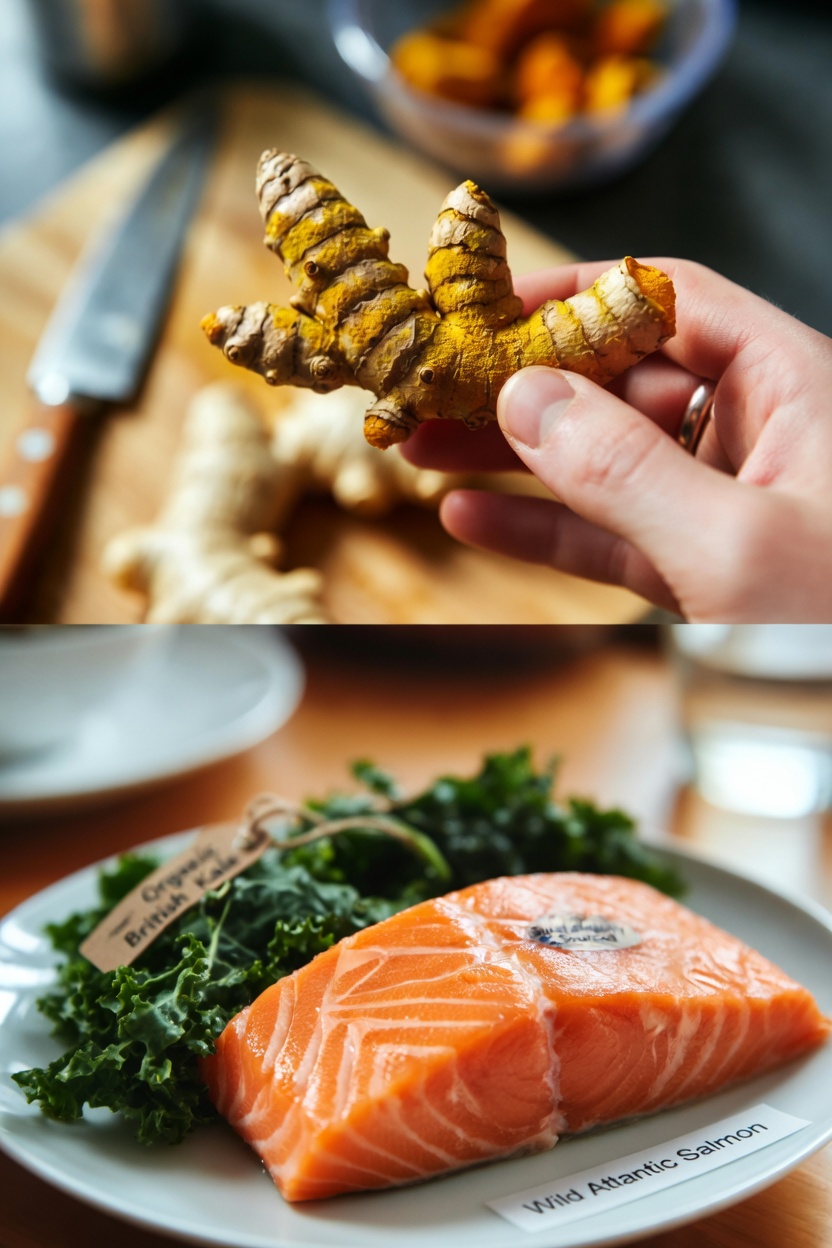
Rich in omega-3 fatty acids (EPA and DHA), oily fish are known for their anti-inflammatory properties. Regular intake has been linked with reduced joint stiffness and smoother, more comfortable movement. -
Turmeric
This bright yellow spice contains curcumin, a powerful anti-inflammatory compound. Systematic reviews of clinical trials suggest that curcumin can help improve knee comfort and functional ability in people with joint concerns. -
Ginger
Ginger provides natural anti-inflammatory compounds such as gingerols. Research indicates that consistent use—in cooking, teas, or supplements—may contribute to reduced day-to-day joint discomfort. -
Leafy Greens (such as spinach, kale, broccoli)
These vegetables offer vitamins C and K, as well as antioxidants like sulforaphane. Together, they support collagen formation (important for cartilage) and help protect joint tissues from oxidative stress. -
Berries (including blueberries, strawberries, cherries)
Berries are loaded with antioxidants and anthocyanins, which help combat inflammation and oxidative damage. Evidence suggests they may support the maintenance of joint tissues over the long term. -
Nuts and Seeds (walnuts, flaxseeds, chia seeds)
Excellent plant-based sources of omega-3s and healthy fats, nuts and seeds contribute to an anti-inflammatory diet pattern and may help ease everyday joint strain. -
Citrus Fruits and Bell Peppers
Oranges, grapefruits, lemons, and colorful bell peppers are all high in vitamin C, a key nutrient for collagen synthesis. Vitamin C also acts as an antioxidant, helping safeguard joint structures. -
Extra-Virgin Olive Oil
Olive oil contains oleocanthal, a compound with properties similar to certain anti-inflammatory medications. Diets rich in olive oil—like the Mediterranean diet—are frequently associated with better joint outcomes. -
Green Tea
Green tea is packed with polyphenols and catechins, which may help slow the breakdown of cartilage and reduce inflammation, according to various studies.
The most powerful benefits tend to come not from a single “superfood,” but from combining several of these foods as part of your regular eating pattern.
Simple Ways to Add These Foods to Your Routine
You don’t need complicated recipes or major lifestyle changes to get started. Here are practical, easy-to-apply ideas:
-
Boost your morning:
Add a teaspoon of ground turmeric and a slice of fresh ginger to warm water or herbal tea. Include a pinch of black pepper to enhance the absorption of curcumin. -
Eat fatty fish twice a week:
Grill or bake salmon, or toss canned sardines or mackerel into salads, grain bowls, or whole-grain toast for an omega-3 boost. -
Snack strategically:
Keep a small container of walnuts, almonds, or mixed nuts, and pair them with a handful of fresh or frozen berries for a quick, joint-friendly snack. -
Pile on the vegetables:
Blend spinach or kale into smoothies, add broccoli to stir-fries, or serve leafy greens as a daily side dish with lunch or dinner. -
Use olive oil as your go-to fat:
Dress salads with extra-virgin olive oil and use it for low- to medium-heat cooking to replace less healthy fats. -
Swap one drink for green tea:
Replace at least one daily coffee or sugary beverage with a cup of green tea to provide steady antioxidant support.
Consistency is more important than perfection. Even modest, regular additions of these foods can contribute to better joint comfort over the course of weeks and months.
Quick Comparison: Anti-Inflammatory Powerhouses
Below is a snapshot of how some of these foods support joint health and simple ways to use them:
| Food | Key Nutrient / Compound | Main Benefit for Joints | Easy Way to Use |
|---|---|---|---|
| Fatty Fish | Omega-3 fatty acids | Helps reduce inflammation | Grilled, baked, or in salads |
| Turmeric | Curcumin | Supports comfort and function | In teas, soups, or curries |
| Ginger | Gingerol | May ease stiffness | Fresh in tea or grated into dishes |
| Leafy Greens | Vitamins C & K | Helps protect cartilage | In smoothies, salads, or side dishes |
| Berries | Anthocyanins | Fights oxidative stress | Fresh or frozen as snacks or toppings |
Together, these foods offer complementary benefits, creating a broader foundation for joint support when eaten regularly.
What the Science Indicates
A growing body of research supports these dietary choices:
- Curcumin (turmeric): Reviews of randomized controlled trials have found improvements in pain scores and physical function in individuals with knee joint issues compared to placebo.
- Omega-3s (fatty fish): Long-term observational studies and clinical research show that omega-3 intake can help lessen joint stiffness and morning discomfort.
- Antioxidants (berries and greens): Antioxidant-rich foods may help counter oxidative stress and inflammatory processes associated with aging joints.
These foods should be viewed as part of a supportive dietary pattern rather than a stand-alone treatment. Balanced eating approaches—like the Mediterranean diet, which emphasizes vegetables, fruits, whole grains, fish, and healthy fats—are often linked with better joint health and overall well-being.

Key Takeaways
You don’t need dramatic diet overhauls to care for your joints. By thoughtfully adding nutrient-rich, anti-inflammatory foods such as fatty fish, berries, leafy greens, nuts, turmeric, ginger, citrus, olive oil, and green tea, you can gradually support more comfortable movement and daily ease.
Start with one or two changes that feel manageable, build consistency, and expand from there.
FAQ
How soon might I notice benefits from these foods?
Many people report gradual improvements in joint comfort within 4–8 weeks of consistently including these foods, though timing and results can vary depending on individual health, activity level, and overall diet.
Can I combine these foods with other healthy habits?
Yes. These foods work best alongside gentle, regular movement (like walking, swimming, or stretching), maintaining a healthy weight, getting enough sleep, and staying well hydrated.
Are there any foods I should limit for better joint comfort?
Ultra-processed foods high in added sugars, refined carbohydrates, and saturated or trans fats may promote inflammation. Reducing sugary drinks, fried foods, and heavily processed snacks can help support your joints and overall health.