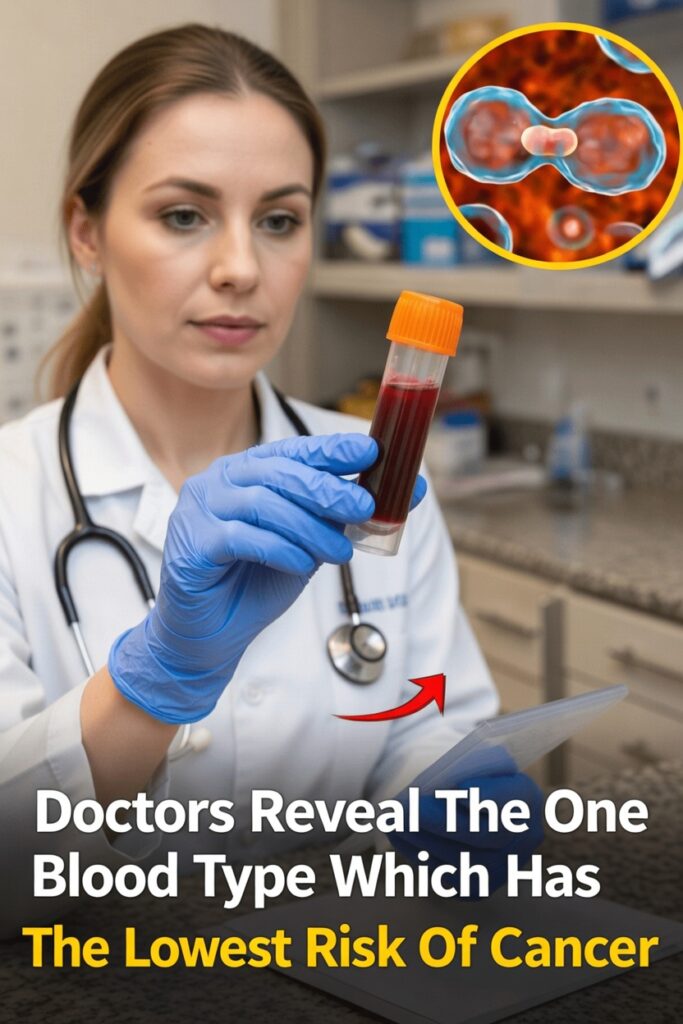
Blood Type and Cancer Risk: Is One Group Better Protected?
Cancer remains a leading health concern around the world, affecting millions of people every year. While genetics, environment, and lifestyle are well-known contributors, newer research has started asking a surprising question: could your blood type be linked to your likelihood of developing certain cancers?
The ABO blood groups—A, B, AB, and O—have long been known to influence immunity and disease patterns. In recent years, scientists have examined whether these groups might also relate to cancer risk. One blood type in particular appears repeatedly in studies as being associated with a lower risk for several cancers compared with others.
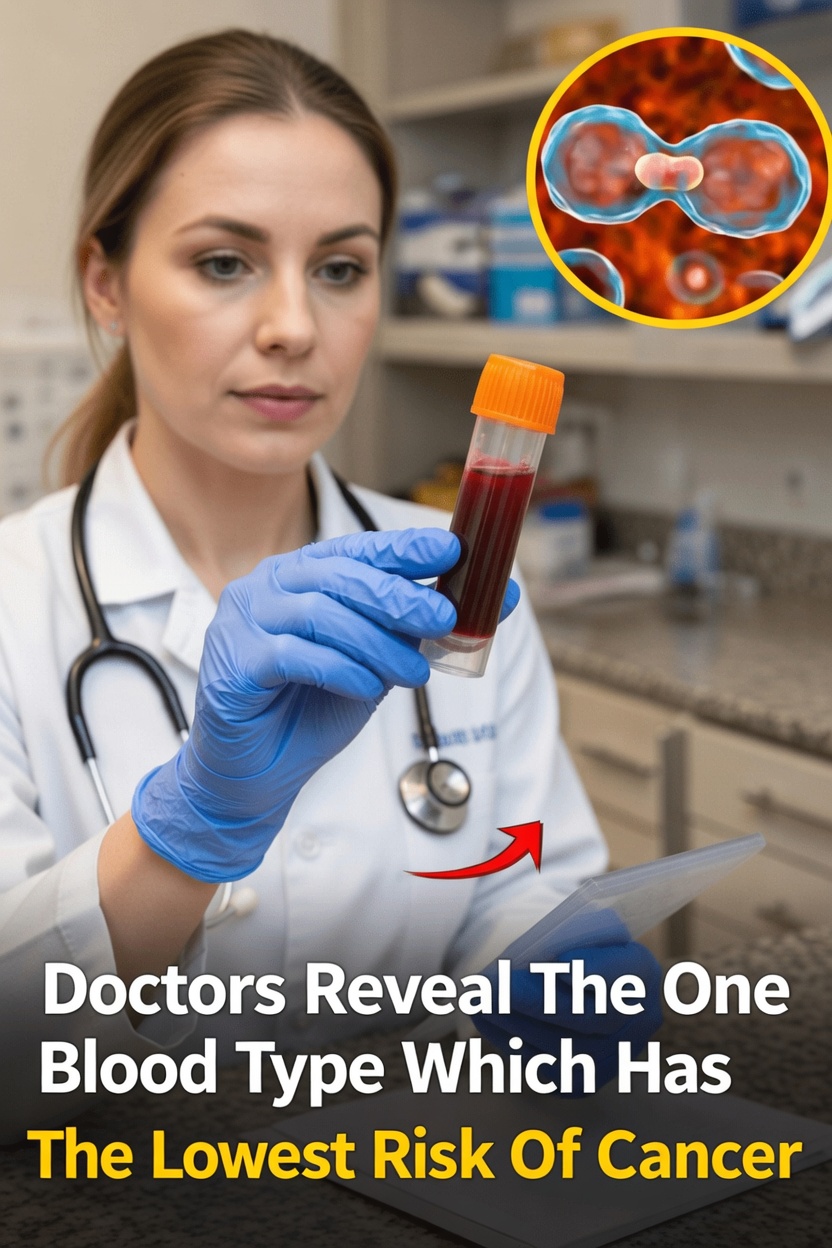
This does not mean your blood type decides your future. The effect sizes are generally modest, and many other factors matter far more. However, understanding these patterns can offer useful insight into how the body works and may help motivate healthier choices overall.
How Blood Types Work and Why They Matter for Cancer Research
Human blood is classified into four main ABO groups: A, B, AB, and O. These groups are defined by specific antigens—molecules found on the surface of red blood cells. The presence or absence of these A and B antigens influences:
- How the immune system recognizes cells
- Interactions with certain bacteria and viruses
- Inflammatory and clotting responses
Because cancer development is closely tied to inflammation, immune reactions, and chronic infections, researchers have been interested in whether ABO blood type and cancer risk might be connected.
Large observational studies and meta-analyses looking at ABO blood groups across different populations have consistently noted a trend:
- Blood group O often appears to be associated with a lower overall risk of several cancers compared with non-O groups.
- Blood group A is frequently linked with a higher risk for certain specific cancers, especially in the digestive system.
These are statistical associations, not hard rules. Still, they offer intriguing biological clues about how blood group antigens might influence cancer-related processes.
What Studies Show About Blood Type and Cancer Risk
Across many studies, differences among blood types are most obvious for cancers of the digestive tract and some other common malignancies.
Blood Group O: Frequently Linked to Lower Risk
Multiple cohort studies and pooled analyses suggest that people with type O blood tend to have lower rates of several cancers when compared to non-O types, including:
- Pancreatic cancer
- Gastric (stomach) cancer
- Colorectal cancer
- Breast cancer
- Ovarian cancer
In some meta-analyses, individuals with blood group O showed relative risk reductions of roughly 25–30% for certain cancers, especially pancreatic and gastric, when compared with blood group A.
Non-O Blood Groups: Often Higher, but Variable Risks
Research patterns for the other blood types look different:
- Type A
- Frequently associated with higher risk of gastric and pancreatic cancers.
- Some studies also report increased associations with breast and ovarian cancers.
- Type B and AB
- Findings are more mixed.
- In some populations, B and AB groups show elevated risk for pancreatic cancer.
- Other studies suggest lower risks for specific cancers such as certain colorectal cancers.
A Simplified Overview of Recurring Patterns
- Type O:
- Most often associated with the lowest cancer risk across several sites, particularly for pancreatic and stomach cancers.
- Type A:
- Repeatedly linked with higher risk, especially for gastric and pancreatic cancers.
- Types B and AB:
- Show inconsistent patterns—sometimes higher for pancreatic cancer but lower for certain other digestive cancers in specific groups.
Researchers suspect that these differences may relate to:
- How blood group antigens shape immune and inflammatory responses
- Interactions with bacteria such as Helicobacter pylori (H. pylori), a known stomach cancer risk factor
- Variations in cell signaling and adhesion that affect tumor development
Why Might Blood Group O Appear More “Protective”?
Scientists are still working to clarify why type O seems to show more favorable associations in cancer studies, but a few hypotheses stand out:
-
Absence of A and B antigens
- Type O blood cells lack A and B antigens, which may influence how cancer-related pathways are activated.
- These antigens can affect cell surface properties, potentially altering tumor growth or spread.
-
Different infection and inflammation patterns
- People with type O blood may respond differently to infections that drive chronic inflammation—a key contributor to cancer.
- For example, sustained inflammation in the stomach or pancreas can create an environment where cancer is more likely to develop.
-
Specific mechanisms in pancreatic and gastric cancers
- In pancreatic cancer, non-O blood types have been linked with molecular changes that may promote malignant cell transformation.
- In stomach cancer, blood group A has been associated with higher rates of colonization by H. pylori, a bacterium strongly connected to gastric ulcers and tumor formation.
Despite these findings, it is critical to remember:
Association does not equal causation.
The observed differences are modest and do not overshadow the major impact of lifestyle, environment, and genetics. Blood type is just one small piece of a complex cancer risk puzzle.
How to Lower Cancer Risk Regardless of Your Blood Type
You cannot change your blood type, but you can significantly influence your overall cancer risk through daily habits. Evidence-based prevention strategies remain far more powerful than any inherent advantage or disadvantage from blood group.
1. Build a Cancer-Protective Diet
- Emphasize fruits, vegetables, whole grains, and legumes.
- Choose lean protein sources, such as fish, poultry, and plant-based options.
- Limit:
- Processed and red meats
- Sugary drinks and ultra-processed foods
- Excessive alcohol consumption
- Aim for colorful meals rich in antioxidants and fiber, which support healthy cells and digestion.
2. Stay Physically Active
- Target at least 150 minutes of moderate activity per week (e.g., brisk walking, cycling, light jogging).
- Include strength training 2–3 times weekly if possible.
- Regular movement helps:
- Maintain a healthy body weight
- Reduce inflammation
- Improve immune function
3. Maintain a Healthy Weight
- Excess body fat is linked to higher risk of several cancers, including breast, colorectal, and endometrial cancers.
- Combine:
- Balanced nutrition
- Regular physical activity
- Mindful portion control
- Focus on gradual, sustainable changes rather than quick fixes.
4. Avoid Tobacco and Keep Alcohol in Check
- Smoking is one of the strongest modifiable risk factors for many cancers.
- Quitting at any age provides significant health benefits.
- For alcohol:
- Limiting intake—or avoiding it altogether—offers the greatest protective effect.
5. Stay Up to Date with Screenings
- Follow age- and risk-appropriate cancer screenings, such as:
- Colonoscopy or stool-based tests for colorectal cancer
- Mammography for breast cancer
- Pap tests and HPV screening for cervical cancer
- Share your family history and personal risk factors with your healthcare provider to customize screening plans.
6. Support Your Immune System with Rest and Stress Management
- Aim for 7–9 hours of quality sleep each night.
- Manage stress through:
- Mindfulness or meditation
- Breathing exercises
- Hobbies, social connection, or counseling when needed
- Chronic stress and poor sleep can negatively influence immune and hormonal balance over time.
These steps benefit everyone—regardless of blood type—and may complement any natural differences observed between ABO groups.
Conclusion: Your Blood Type Is Not Your Destiny
Research into blood type and cancer risk reveals intriguing patterns:
- Type O often appears linked to lower risks for several cancers, particularly pancreatic and gastric.
- Type A and sometimes B/AB may show higher risks for certain cancers in some populations.
However, these associations are modest and do not outweigh the powerful influence of lifestyle, environment, and early detection. Your most effective strategies for reducing cancer risk remain:
- Eating well
- Staying active
- Avoiding tobacco
- Limiting alcohol
- Keeping a healthy weight
- Getting recommended screenings
Understanding how blood type may intersect with cancer risk can be informative and motivating—but it should never be a source of fear. Think of your blood type as one more data point, not a verdict.
Frequently Asked Questions (FAQ)
Does blood type significantly change my cancer risk?
Current evidence shows small but consistent associations between ABO blood groups and certain cancers. However, lifestyle, environmental exposures, and genetics have a much larger impact on overall cancer risk than blood type alone.
Should I get my blood type tested specifically to evaluate cancer risk?
No. Routine blood typing is not recommended as a tool for predicting cancer risk. It can be useful for medical reasons such as transfusions or pregnancy care, but cancer prevention should focus on proven measures like healthy habits and regular screenings.
Does the Rh factor (positive or negative) influence cancer risk?
Most research has concentrated on the ABO blood groups. Findings related to the Rh factor (Rh+ or Rh−) are limited and inconsistent, with no strong or clear pattern of association with cancer risk at this time.