
Natural Support for Leg Discomfort: How Cloves and Garlic May Help
Persistent leg discomfort from conditions such as arthritis, rheumatism, or varicose veins can make simple activities—walking to the store, standing in line, or climbing stairs—feel tiring and painful. Ongoing pain or heaviness in the legs can disturb sleep, restrict movement, and gradually reduce overall quality of life. Many people therefore look for gentle, home-based strategies that can complement medical care and ease daily strain.
Among the many natural options, two familiar kitchen staples—cloves and garlic—have attracted attention in traditional medicine and early scientific research for their potential anti-inflammatory and circulation-supportive effects.
This guide explains how cloves and garlic may support leg health, what existing evidence suggests, and practical ways to use them safely as part of a broader leg comfort routine.

Why Do Legs Hurt? Key Causes of Discomfort
Leg pain and heaviness are often linked to two core issues:
-
Inflammation in joints and soft tissues
Common in arthritis and rheumatism, inflammation can cause:- Swelling
- Stiffness
- Tenderness or pain with movement
-
Poor circulation and vein problems
Frequently associated with varicose veins or venous insufficiency, reduced blood flow can lead to:- A feeling of heaviness or fatigue in the legs
- Cramping, especially at night
- Prominent, twisted, or discolored veins
Plant-based compounds are increasingly studied for their potential to influence these processes by:
- Modulating inflammatory pathways
- Supporting healthier blood vessels
- Reducing oxidative stress that affects tissues and veins
At the same time, lifestyle factors—such as prolonged sitting, low activity levels, or aging—also contribute to leg discomfort. This makes a combined approach (movement, diet, topical care, and medical guidance when needed) particularly valuable.
Cloves: A Traditional Ally for Joint and Muscle Comfort
Cloves are the dried flower buds of the Syzygium aromaticum tree. They are rich in eugenol, a bioactive compound widely studied for its potential:
- Anti-inflammatory effects
- Mild pain-relieving properties
- Local soothing action when used on the skin (in diluted form)
Research in laboratory and animal models suggests that eugenol can interfere with some of the same pathways targeted by common over-the-counter pain relievers. It may:
- Reduce the production of certain inflammatory mediators
- Decrease swelling in inflamed tissues
- Influence pain-signaling chemicals and prostaglandins
Potential Benefits of Cloves for Leg Discomfort
- May help reduce inflammatory markers associated with joint issues
- Supports localized comfort when used in diluted topical preparations
- Long history of traditional use for sore muscles and joints
However, most data so far come from experimental and small-scale studies. Large, well-controlled human trials are still limited, so cloves should be seen as a supportive measure rather than a stand-alone treatment.
Garlic: Supporting Circulation and Vein Health
Garlic (Allium sativum) is best known for its pungent aroma and powerful sulfur-containing compounds, especially allicin. These compounds have been studied for:
- Cardiovascular support
- Circulation-enhancing effects
- Anti-inflammatory and antioxidant activity
Improved blood flow and healthier blood vessels can be especially relevant for people dealing with:
- Varicose veins
- Leg heaviness from poor circulation
- Mild clotting tendencies (always discuss with a doctor if you take blood thinners)
Possible Advantages of Garlic for Leg Wellness
- Promotes more efficient circulation and vascular function
- Provides antioxidant protection to help shield blood vessels from damage
- Used traditionally both internally and topically for localized comfort and improved flow
Some studies suggest that garlic may improve endothelial function (how well blood vessels relax and contract) and reduce oxidative stress, which can indirectly support vein health. Garlic is not a cure for vascular disease, but it may be a valuable part of a broader lifestyle strategy.
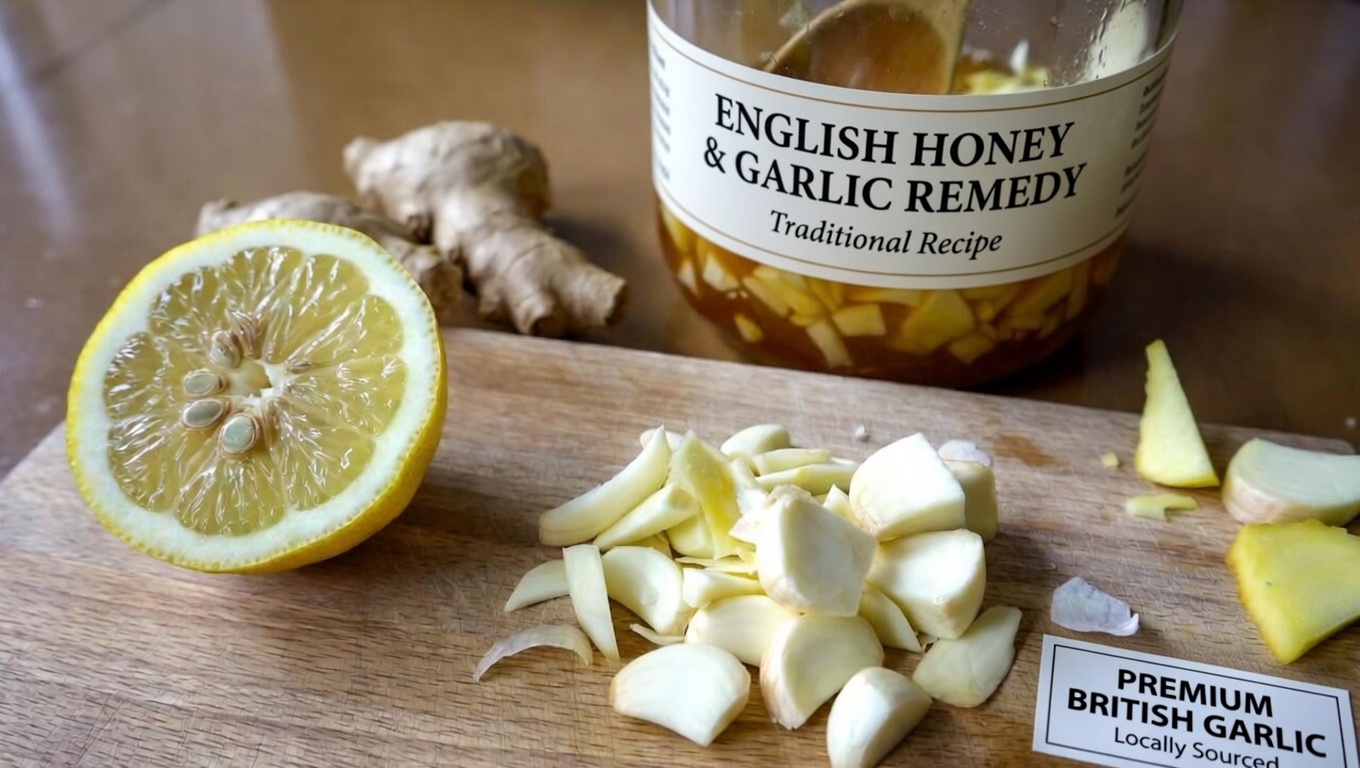
Simple Ways to Use Cloves and Garlic for Leg Support
The following ideas are inspired by traditional use and supported by early research. Always speak with a healthcare professional if you have medical conditions, take medication, or are pregnant or breastfeeding.
1. Topical Oil Blend (External Use Only)
This gentle oil can be massaged into the legs to provide localized support.
Ingredients:
- 4–5 fresh garlic cloves, crushed
- 1 teaspoon whole cloves (or about ½ teaspoon ground cloves)
- ½ cup carrier oil (such as olive oil, coconut oil, or sweet almond oil)
Preparation:
- Lightly crush the garlic cloves to release their compounds.
- Combine crushed garlic and cloves with the carrier oil in a small pan or heat-safe container.
- Warm the mixture over very low heat for about 10–15 minutes. Do not let it boil.
- Remove from heat, allow to cool slightly, then strain out the solids.
- Store the oil in a clean glass jar with a lid, away from direct sunlight.
How to use:
- Perform a patch test first: apply a small amount to a small area of skin and wait 24 hours to check for irritation.
- If tolerated, massage a small quantity into clean legs, using upward strokes toward the heart for about 5–10 minutes.
- Use up to 1–2 times per day if no irritation appears.
If you notice redness, burning, or discomfort, rinse off immediately and discontinue use.
2. Daily Dietary Ideas with Cloves and Garlic
Incorporating these ingredients into your meals can offer gradual, systemic support.
Garlic:
- Use 1–2 fresh cloves per day in cooking.
- For better allicin formation, crush or chop the garlic and let it sit for about 10 minutes before cooking.
- Add to soups, stir-fries, sauces, salad dressings, or roasted vegetables.
Cloves:
- Stir about ¼ teaspoon ground cloves into herbal tea, oatmeal, smoothies, or baked dishes.
- Use sparingly, as cloves have a strong flavor—start with a small amount and adjust to taste.
Pair with other anti-inflammatory foods:
- Colorful fruits like berries and citrus
- Leafy greens such as spinach, kale, or arugula
- Fatty fish like salmon, mackerel, or sardines
- Nuts, seeds, and high-fiber whole grains
These food choices work together to help lower overall inflammation and support vascular health.
3. Lifestyle Habits That Enhance Leg Comfort
Cloves and garlic can be more effective when combined with everyday habits that support joint and vein function.
-
Leg elevation:
Raise your legs above heart level for 15–20 minutes each day to reduce fluid pooling and swelling. -
Low-impact exercise:
Activities such as walking, swimming, cycling, or gentle yoga help:- Improve circulation
- Strengthen leg muscles
- Support joint mobility
-
Hydration and weight management:
Drinking enough water and maintaining a healthy body weight can:- Decrease pressure on leg veins
- Support joint structures
Consistency with these simple practices often provides the most noticeable long-term support.
Comparing Helpful Habits for Leg Comfort
Different strategies can be combined to create a more comprehensive leg-care routine. The table below compares several common approaches:
| Supportive Habit | Primary Benefit | Ease of Implementation | Evidence Level |
|---|---|---|---|
| Topical clove–garlic oil | Localized, natural anti-inflammatory action | Moderate (requires preparation) | Early research + traditional use |
| Regular walking | Enhances circulation, strengthens muscles | Easy (10–30 min daily) | Strong, multiple clinical studies |
| Elevating the legs | Helps reduce swelling and pooling of blood | Very easy | Well-accepted in clinical practice |
| Compression stockings | Improves return of blood to the heart | Easy (wear during the day) | Clinically recommended for vein care |
| Anti-inflammatory diet | Lowers whole-body inflammatory burden | Moderate (dietary changes) | Growing body of supportive research |
Combining these methods can offer broader, more sustainable relief than relying on any one approach alone.
Additional Practical Tips for Day-to-Day Relief
Beyond cloves and garlic, a few small adjustments can further improve leg comfort:
-
Alternating warm and cold compresses:
- Apply a warm compress to relax muscles for 10–15 minutes.
- Follow with a cold pack for another 10–15 minutes to ease swelling.
-
Gentle self-massage:
- Use upward strokes from ankles toward knees and thighs to encourage blood flow.
- You can integrate this with your clove–garlic oil blend if your skin tolerates it.
-
Supportive footwear:
- Choose shoes with good arch support and cushioning to minimize stress on joints and veins.
-
Breaks from prolonged sitting or standing:
- If you sit or stand for long periods, take a brief movement break every 30–60 minutes.
- Simple ankle circles, calf raises, or short walks can help.
Research suggests that when movement, posture, and natural supports are combined, the overall benefit for joints and veins tends to be greater than any single strategy on its own.
Conclusion
Cloves and garlic offer accessible, low-cost ways to support leg comfort, drawing on both traditional wisdom and emerging scientific interest in their anti-inflammatory and circulation-enhancing properties. While they cannot replace medical treatment for serious conditions such as advanced arthritis, deep vein thrombosis, or severe varicose veins, they can be valuable additions to a holistic leg-care plan.
For best results, integrate these natural supports with:
- Regular physical activity
- Leg elevation
- Supportive footwear and, when advised, compression stockings
- A balanced, anti-inflammatory diet
Always consult a healthcare professional for persistent, severe, or unexplained leg pain, and before making significant changes if you have existing health conditions.
Frequently Asked Questions
1. Can cloves and garlic be used every day to support leg health?
Yes, many people can safely use culinary amounts of cloves and garlic daily, and apply a diluted topical oil 1–2 times per day, as long as they do not experience irritation or digestive upset. However:
- People with allergies, sensitive skin, stomach issues, or blood clotting disorders should seek medical advice first.
- Those taking blood thinners, antiplatelet medications, or preparing for surgery should always discuss garlic use with their doctor.
2. How long does it take to notice any changes?
Responses vary widely. Some individuals report:
- Mild improvements in comfort or heaviness within 1–4 weeks of consistent use
- More noticeable changes over longer periods when combined with exercise, elevation, and diet improvements
Leg discomfort caused by long-standing or severe conditions may require more intensive medical treatment.
3. Are there risks associated with applying garlic and cloves to the skin?
Yes, there are potential risks, especially with garlic:
- Garlic can cause skin irritation or burns if used undiluted or left on the skin too long.
- Cloves may also irritate sensitive skin in concentrated form.
To reduce risk:
- Always dilute in a carrier oil.
- Perform a patch test first and wait 24 hours.
- Stop use immediately if you experience burning, redness, itching, or rash.
If you have varicose veins with open sores, infections, or ulcers, avoid self-treatment on those areas and seek professional medical care.