Kidney-Friendly Protein: What to Eat More Of and What to Limit
Living with kidney issues can feel stressful, especially when it seems like every bite might affect your health. Many people worry about getting enough protein to stay strong and energized, yet not so much that it creates extra waste products or overloads the kidneys with minerals like phosphorus and potassium.
Research suggests that a well-balanced, moderate protein intake can support overall health without putting unnecessary pressure on your kidneys. The good news: with a few simple food swaps and smarter choices from everyday ingredients, you can protect kidney function and still enjoy satisfying meals.
In this guide, you’ll find:
- 4 protein sources many kidney specialists often encourage using more
- 6 common protein foods to enjoy less often or in smaller amounts
- Practical tips for building kidney-friendly meals
Plus, you’ll see how plant-based options like chickpeas can fit in more easily than you might expect.
Why Protein Matters for Kidney Health
Protein is a vital nutrient. It helps:
- Maintain and build muscle
- Repair body tissues
- Support immune function
- Keep your energy levels steady
For people with chronic kidney disease (CKD), the kidneys may not clear protein waste products (such as urea) as effectively. When protein intake is too high, these waste products can accumulate, increasing the workload on already stressed kidneys.
Organizations such as the National Kidney Foundation highlight the importance of:
- Choosing moderate amounts of protein
- Prioritizing high-quality sources
- Tailoring intake to your CKD stage and lab results
Plant-based proteins often have advantages for kidney health:
- The phosphorus they contain is less readily absorbed
- They provide fiber, which benefits digestion, blood sugar, and heart health
- They may help lower the body’s acid load, which can be easier on the kidneys
Animal proteins are “complete,” meaning they contain all essential amino acids, but they may also come with:
- Higher phosphorus content
- More saturated fat
- Greater acid load
The best approach is individualized. People in earlier CKD stages generally have more flexibility, while later stages usually require tighter control. Always confirm your protein targets with your nephrologist or renal dietitian.
4 Protein Foods Many Kidney Experts Often Recommend
When eaten in appropriate portions and prepared with little or no added salt, these options can be excellent components of a kidney-friendly eating pattern.
1. Egg Whites
Egg whites are almost pure, high-quality protein with very little phosphorus and no fat.
- About 3–4 grams of protein per large egg white
- Very low in phosphorus compared with whole eggs
- Versatile for:
- Omelets or scrambles (using mostly whites)
- Stirring into soups
- Adding to smoothies for extra protein
Research often highlights egg whites as a go-to protein source for people with CKD, helping support albumin levels without adding excessive minerals.
2. Skinless Chicken or Turkey
Lean poultry is a classic “complete” protein choice that fits well into many renal diets.
- Around 25–30 grams of protein per 3-ounce cooked serving
- Lower in saturated fat than many red meats
- Works well when:
- Grilled, baked, or poached
- Seasoned with herbs, spices, or lemon instead of salty marinades or sauces
Keep portions moderate and preparation simple to avoid excess sodium and additives.
3. Fish (Such as Salmon or Tuna)
Many types of fish offer high-quality protein plus heart-healthy fats, which support overall cardiovascular health—important when you have kidney concerns.
- About 15–25 grams of protein per serving (depending on the fish)
- Rich in omega-3 fatty acids, which may help:
- Reduce inflammation
- Support heart and vascular health, indirectly benefiting the kidneys
Choose:
- Fresh fish or
- Low-sodium, water-packed canned fish (like tuna or salmon)
Avoid versions preserved in salty brine or heavily seasoned with high-sodium sauces.
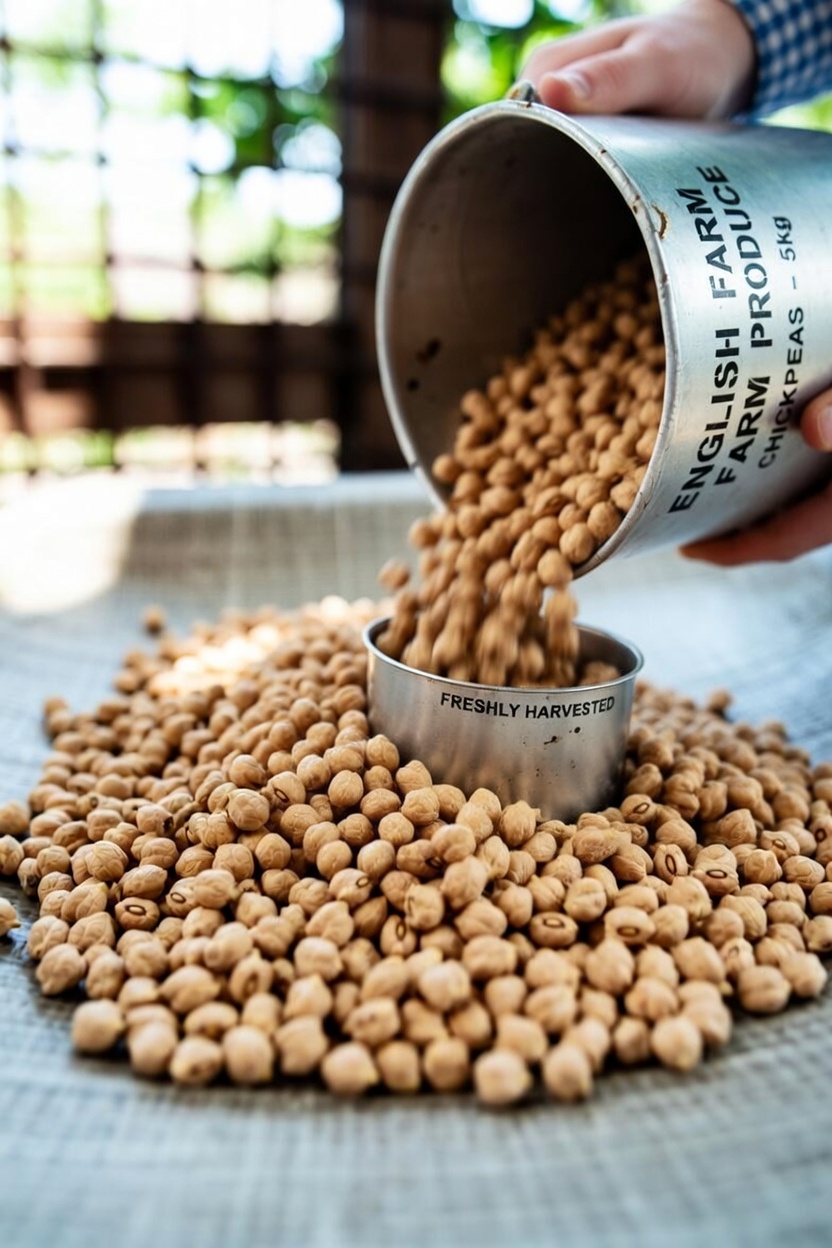
4. Chickpeas (Garbanzo Beans)
Chickpeas are a standout plant-based protein that can often fit into a kidney-friendly plan in controlled portions.
- Roughly 7 grams of protein per ½ cup cooked
- Moderate in potassium and phosphorus compared with some other legumes
- A portion of their phosphorus is poorly absorbed, which is helpful for kidney health
- High in fiber, supporting:
- Better blood sugar control
- Improved digestion
- Longer-lasting fullness
Using canned chickpeas can sometimes be an advantage. When you drain and rinse them well, you can:
- Lower sodium content
- Potentially reduce some potassium
Overall, shifting more of your protein toward plant sources like chickpeas may decrease acid load and reduce kidney stress, according to emerging nutrition research.
6 Protein Sources to Use With Caution
The following foods often contain higher levels of phosphorus, potassium, sodium, or other additives that can be problematic for people with CKD. Many experts suggest limiting them, watching portion sizes, or choosing alternatives.
1. Processed Meats
Examples: bacon, sausage, hot dogs, ham, deli meats
- Typically very high in sodium
- Frequently contain phosphate additives, which the body absorbs easily
- Can raise blood pressure and increase phosphorus levels, adding strain on the kidneys
If you do include them, keep portions small and frequency low—but for many people with CKD, minimizing or avoiding them is best.
2. Dairy Products in Large Amounts
Examples: cheese, milk, yogurt (especially full-fat or large servings)
- Naturally high in phosphorus and potassium
- Even 1 cup of milk can significantly raise mineral intake for the day
- Cheese is concentrated, so phosphorus can add up quickly in small amounts
Your dietitian may allow modest portions, but serving sizes and frequency are important to control.
3. Organ Meats
Examples: liver, kidney, heart
- Extremely high in phosphorus and other minerals
- Can easily push phosphorus intake above recommended limits
- Usually recommended to avoid or reserve for rare occasions in a kidney-friendly diet
4. Nuts and Seeds (in Large Quantities)
Nuts and seeds are nutritious and contain healthy fats, but for people with CKD they come with trade-offs:
- Good plant-based protein
- Often high in phosphorus and potassium
- Easy to overeat, which can quickly exceed mineral limits
If allowed by your dietitian, stick to small portions (such as a small handful) and factor them into your daily mineral totals.
5. Whole Grains and Bran Cereals
Whole grains are generally healthy, but they do contain more phosphorus than refined grains.
- Higher in phosphorus than white rice or white bread
- Bran cereals can be especially rich in phosphorus
When your phosphorus levels are high or tightly controlled, your care team may recommend:
- White rice
- Refined pasta
- White bread
instead of whole-grain versions, at least for a period of time.
6. Dark-Colored Sodas and Processed Foods with Phosphate Additives
Certain beverages and packaged foods can be hidden sources of phosphorus.
- Dark sodas (like many colas) commonly contain phosphoric acid
- Many processed foods use phosphate additives to improve flavor or shelf life
- These additives are easily absorbed, making them particularly concerning
Reading labels for ingredients like “phosphate,” “phosphoric acid,” or “pyrophosphate” can help you spot and limit these sources.
Quick Protein Comparison for Kidney Health
Use this table as a general, simplified overview. Exact amounts can vary by brand, preparation, and portion size.
| Protein Source | Approx. Protein per Typical Serving | Kidney-Related Notes |
|---|---|---|
| Egg whites (1 large) | 3–4 g | Very low phosphorus; high-quality protein |
| Skinless chicken or turkey (3 oz cooked) | ~25 g | Lean, complete protein; watch sodium in seasoning |
| Fish (e.g., salmon, tuna, 3–4 oz) | 15–25 g | Omega-3 fats; choose fresh or low-sodium canned |
| Chickpeas (½ cup cooked) | ~7 g | Plant protein; moderate minerals; high fiber |
| Processed meats (varies) | Varies | High sodium and phosphate additives—limit or avoid |
| Cheese (1 oz) | ~7 g | High in phosphorus; use small portions if allowed |
| Organ meats (e.g., liver, 3 oz) | High | Very high phosphorus—generally avoid |
| Nuts & seeds (small handful, ~1 oz) | 4–7 g | High in phosphorus/potassium—portion carefully |
Practical Tips to Get Started Today
Making kidney-friendly protein choices doesn’t have to be complicated. A few manageable changes can add up over time.
-
Start with small swaps
Replace one meat-based meal per week with a plant-based option, such as:- Chickpea salad instead of chicken salad
- Vegetable and chickpea stir-fry in place of a meat-heavy dish
-
Control portion sizes
Aim for a palm-sized portion of lean protein at meals (your palm without fingers), unless your healthcare team advises otherwise. -
Rinse and prep smart
- Drain and rinse canned beans thoroughly to lower sodium and some potassium
- Soak dried beans overnight, discarding the soaking water before cooking
-
Pair with low-potassium sides
Combine your protein with kidney-friendly vegetables, such as:- Cabbage
- Green beans
- Cauliflower
- Bell peppers
-
Limit salty seasonings
Use herbs, spices, garlic, lemon, and vinegar instead of salt, bouillon cubes, or salty sauces. -
Work closely with your care team
Your ideal protein intake (and which foods fit best) depends on:- CKD stage
- Lab values (especially potassium, phosphorus, and urea)
- Whether you’re on dialysis
A renal dietitian can personalize your plan.
A key takeaway: gently shifting more of your protein toward plant sources—like chickpeas in moderation—while keeping animal protein lean and portion-controlled may help support better kidney and overall health outcomes.
Frequently Asked Questions
Can I eat beans if I have kidney problems?
Often, yes—in moderation and with guidance. Many legumes, including chickpeas, can be included in a kidney-friendly diet, especially when:
- Portions are controlled
- You rinse canned beans well
- Your potassium and phosphorus levels are monitored
Because the phosphorus in beans is less absorbable than that in many animal products or additives, they can be a valuable source of plant protein and fiber for many people with CKD.
How much protein should I have each day with CKD?
Protein needs vary depending on:
- Your CKD stage
- Body weight
- Whether you are on dialysis
- Your overall health and nutrition status
For many adults with non-dialysis CKD, guidelines often suggest around 0.6–0.8 grams of protein per kilogram of body weight per day, but this must be individualized. Always confirm your exact target with your nephrologist or renal dietitian.
Are plant proteins enough on their own?
For many individuals, yes—especially when a variety of plant foods is included. By combining different sources over the course of the day (for example, grains plus legumes), you can obtain all essential amino acids.
Some people with CKD still include small to moderate amounts of animal protein (like egg whites, fish, or poultry) alongside plant proteins. Your healthcare team can help you decide what balance works best for your health, preferences, and lab results.