Carrageenan in Everyday Foods: What It Is, Where It Appears, and How to Cut Back
Busy routines often push us toward convenient staples such as almond milk, plant-based yogurt, deli meat for fast sandwiches, and rich non-dairy ice cream. While these products fit modern lifestyles and many dietary choices, they may also contain carrageenan, a common food additive that has recently drawn more attention. This ingredient is widely used to improve texture, maintain consistency, and keep products from separating. However, ongoing discussion about its possible link to inflammation and long-term health concerns has led many shoppers to take a closer look at ingredient lists.
The encouraging part is that reducing exposure does not have to be difficult. With a few smart label-reading habits and some easy product swaps, you can still enjoy satisfying meals while gaining more control over what you eat. This guide explains what carrageenan is, which foods commonly contain it, what recent research suggests, and simple ways to limit it if that aligns with your health goals.
What Is Carrageenan?
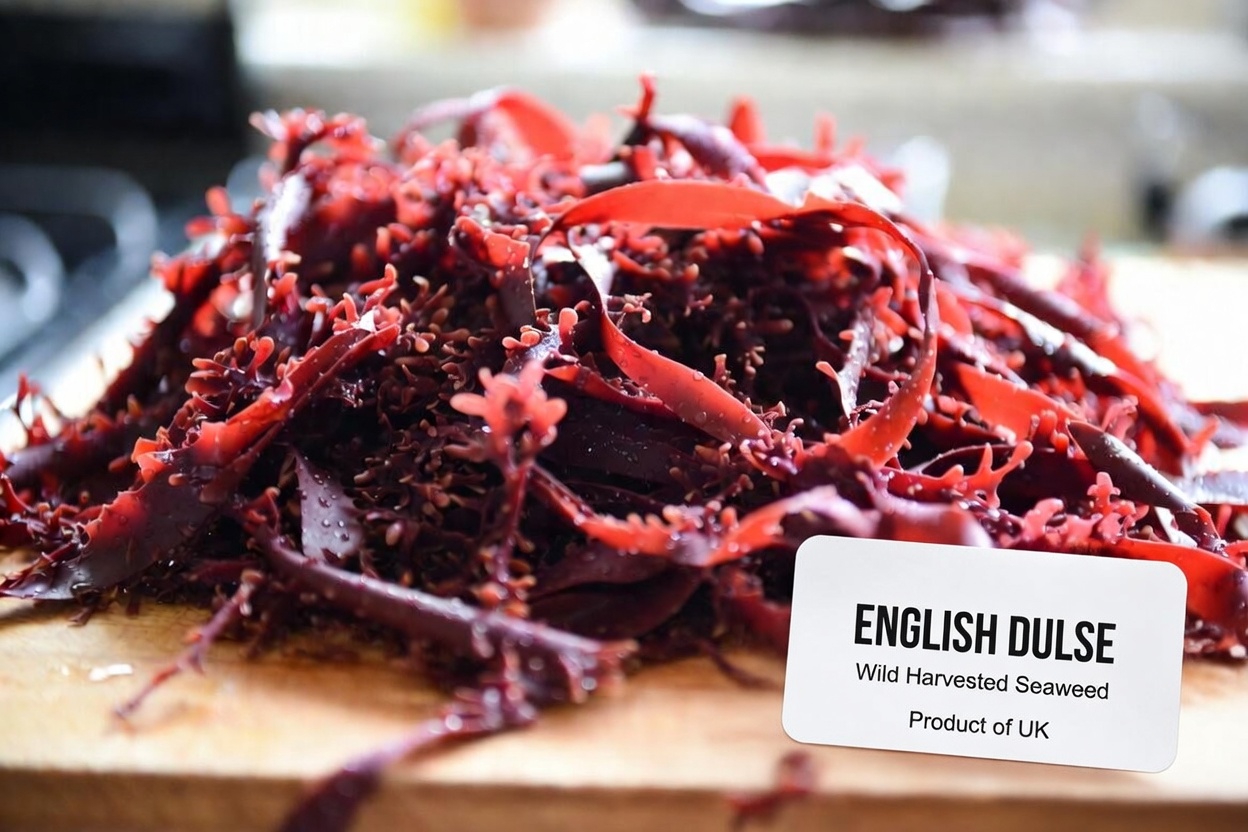
Carrageenan is an additive derived from red seaweed. It has a long history in traditional cooking, particularly in regions such as Asia and Ireland, where seaweed-based thickeners have been used in soups and desserts for generations. In today’s food industry, carrageenan is processed into a refined powder and added to foods as a thickener, stabilizer, and emulsifier.
Its role is mainly functional. It helps non-dairy milk stay smooth, gives processed meats a moist texture, and creates the creamy consistency people expect from dairy alternatives and desserts.
It is important to distinguish food-grade carrageenan from poligeenan, a degraded form that is not approved for use in food. Food safety authorities, including the U.S. FDA, classify food-grade carrageenan as generally recognized as safe when consumed in typical amounts. Other organizations, such as the European Food Safety Authority and the Joint FAO/WHO Expert Committee on Food Additives, have also reviewed its safety and generally concluded that no specific upper daily limit is necessary based on current evidence.
Even so, debate continues. Some consumers report digestive discomfort after eating foods that contain carrageenan, and scientists are still examining how it may affect gut health and inflammatory responses in experimental settings.
What Recent Research Says
A large prospective study published in PLOS Medicine in 2024 followed nearly 92,000 adults from the French NutriNet-Santé cohort for an average of about 6.7 years. Researchers used detailed dietary records to estimate exposure to several emulsifiers, including carrageenan, and then tracked cancer diagnoses over time.
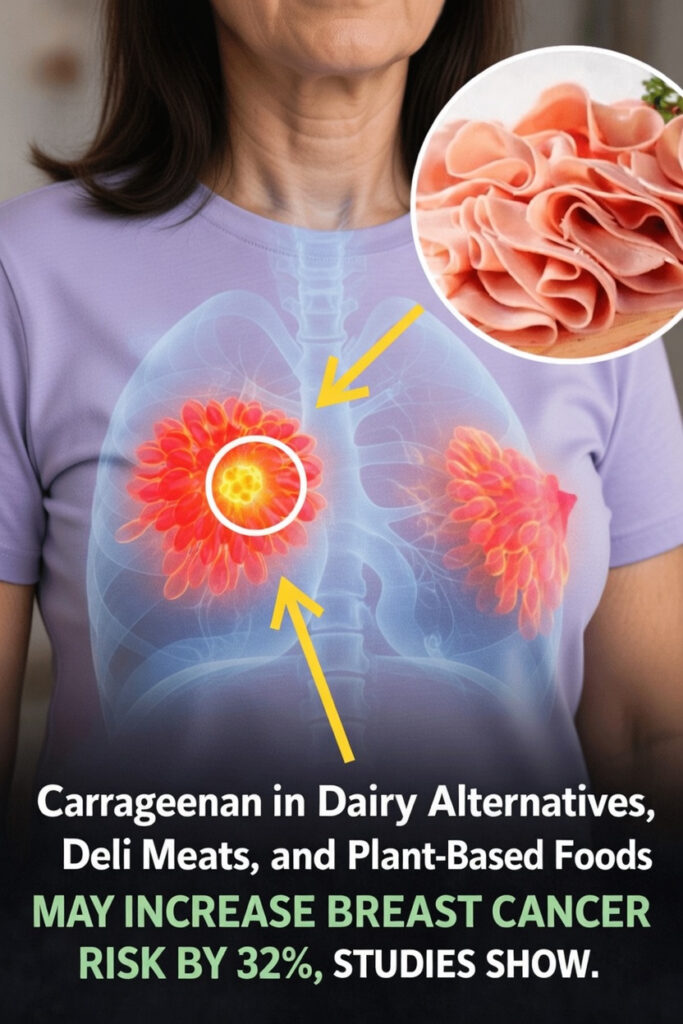
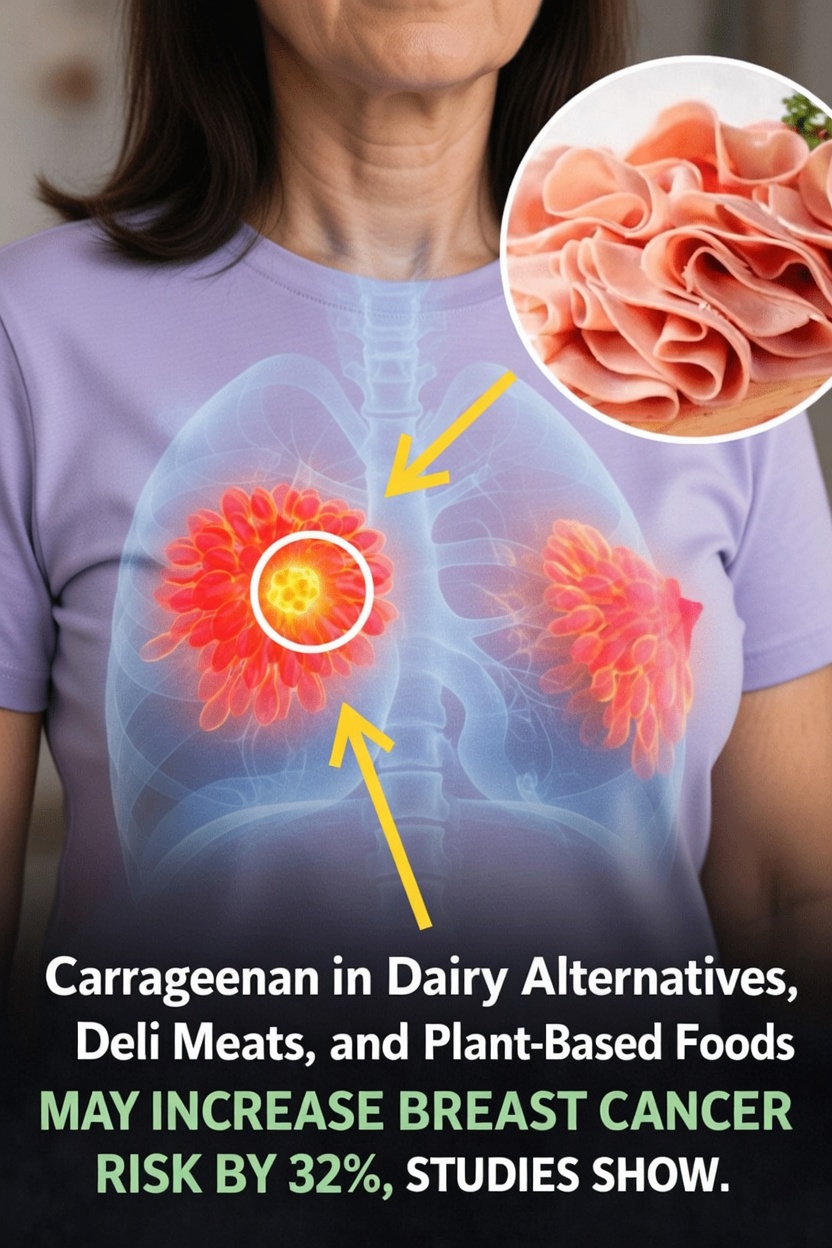
The study found that people with higher intake of total carrageenans, including E407 and E407a, had a 32% higher hazard ratio for breast cancer compared with those with lower intake. Similar trends were also observed for carrageenan itself. The researchers also identified associations between other emulsifiers, such as mono- and diglycerides of fatty acids, and overall cancer risk.
Still, this does not prove direct causation. Observational cohort studies can identify patterns and correlations, but they cannot confirm that a specific additive causes disease. Other influences, including lifestyle habits, overall diet quality, and unmeasured confounding factors, may affect the results. The authors also noted limitations such as possible errors in estimating additive intake and the inherent limits of observational research. The study did not find a strong association with colorectal cancer.
Earlier lab and animal studies have investigated whether carrageenan may contribute to inflammation in the digestive system. Some findings suggest it could influence gut barrier integrity or inflammatory pathways under certain conditions. On the other hand, some reviews argue that these experiments do not reflect the levels typically consumed in a normal diet. For now, regulatory agencies continue to monitor the evidence without changing carrageenan’s approved status in food products.
The broader message from many health experts is not panic, but awareness and moderation. Since chronic low-grade inflammation can affect long-term health, it makes sense for many people to be mindful of their overall intake of highly processed foods.

Foods That Commonly Contain Carrageenan
Carrageenan can appear in a surprising number of packaged products. On labels, it may be listed as carrageenan, E407, or processed Eucheuma seaweed (E407a).
Common product categories include:
-
Dairy alternatives
- Almond milk
- Oat milk
- Soy milk
- Coconut milk
- Non-dairy creamers
-
Plant-based yogurts and desserts
- Vegan yogurt
- Puddings
- Non-dairy ice cream
-
Deli and processed meats
- Sliced turkey
- Ham
- Chicken slices
- Sausages
- Hot dogs
-
Certain dairy products
- Chocolate milk
- Ice cream
- Whipped toppings
- Flavored cream products
-
Other packaged foods
- Salad dressings
- Sauces
- Soups
- Some products marketed as organic or clean-label
Label terms to watch for:
- Carrageenan
- Carrageenan (E407)
- Processed Eucheuma seaweed (E407a)
- Carrageenans
The good news is that many brands have already reformulated products in response to consumer concerns. Carrageenan-free alternatives are now easier to find than in the past.
Why Some People Prefer to Avoid It
Even when an additive is approved as safe, people do not always respond to foods in the same way. Some individuals find that they feel better digestively when they reduce ultra-processed products. Others simply prefer to limit additives as part of a more whole-food-based eating pattern.
Cutting back on foods that frequently contain carrageenan can also lead to other benefits. It often encourages more home cooking, which can help reduce excess sodium, added sugar, and unnecessary ingredients while improving overall nutrient quality.
Foods more likely to include carrageenan
- Store-bought almond milk or oat milk
- Pre-sliced deli turkey or ham
- Single-serve plant-based yogurt cups
- Ready-made creamy soups and sauces
Easier lower-processed alternatives
- Homemade nut milk made by blending soaked almonds with water and straining
- Freshly roasted turkey or chicken breast sliced at home
- Plain Greek yogurt or carrageenan-free coconut yogurt
- Homemade broth-based soups thickened with blended vegetables
Simple Ways to Reduce Carrageenan Without Overcomplicating Your Routine
You do not need to change everything at once. A few manageable adjustments can make a meaningful difference over time.
Start with these practical steps:
-
Read labels for one product category at a time
- Pick one item you buy often, such as non-dairy milk.
- Compare ingredient lists and note which brands do not use carrageenan.
-
Choose less processed versions when possible
- Look for plain dairy or plant-based products with shorter ingredient lists.
- Products without stabilizers are often easier to identify once you know what to look for.
-
Make a few easy homemade substitutes
- Blend cashews or almonds with water for a fresh homemade cream.
- Use arrowroot, tapioca starch, or pureed banana to thicken sauces and smoothies.
- Try agar-agar or pectin in desserts instead of processed thickeners.
-
Shop more strategically
- Seek out labels that say carrageenan-free.
- Brands with fewer ingredients often offer simpler formulations.
-
Cook more meals from scratch
- Roast your own meats for sandwiches.
- Make homemade dressings.
- Use vegetables like cauliflower or potatoes to create creamy soups naturally.
-
Build meals around whole foods
- Fill your plate with vegetables, fruit, whole grains, nuts, seeds, and quality protein sources.
- This naturally lowers dependence on packaged convenience foods.
Small changes often build momentum. Many people who begin with just one product swap say they feel lighter, less bloated, or more energized, which makes healthier choices easier to maintain.
Supporting Digestive Health and Overall Wellness
Beyond any single additive, the overall pattern of eating matters most. A diet centered on whole foods tends to support digestion, stable energy, and better long-term health. Fiber-rich fruits and vegetables, along with proper hydration, can help the gut function more smoothly.
If digestive symptoms continue or become frequent, it may be helpful to speak with a registered dietitian or healthcare professional. Identifying your own triggers is often more useful than focusing on one ingredient alone.
Final Takeaway
Carrageenan is a seaweed-derived additive widely used to improve texture and stability in many processed foods. While food safety agencies still consider it acceptable for general use, recent research and consumer experiences have kept concerns alive, especially around inflammation and possible long-term health effects.
For most people, the most balanced approach is not fear, but informed choice. Reading labels, choosing less processed foods, and making a few thoughtful substitutions can help reduce carrageenan intake without sacrificing convenience or flavor. If limiting additives is important to you or your family, even small everyday decisions can add up to a healthier shopping cart.