
Discover Banana Flower: A Traditional Ingredient With Modern Wellness Appeal
Everyday wellness can be impacted by small but persistent issues—occasional digestive upset, feeling sluggish after meals, or worries about keeping blood sugar and blood pressure in a healthy range. Even with mindful eating and lifestyle changes, results are not always obvious. Interestingly, a part of the banana plant that is usually discarded may offer an easy, nutrient-dense addition to your routine.
That part is the banana flower—also called banana blossom or banana heart. Long used in traditional cuisines, it is now drawing attention for its fiber, antioxidants, and mineral content. Keep reading to the end for a simple preparation method that makes it easy to enjoy at home.

What Is Banana Flower?
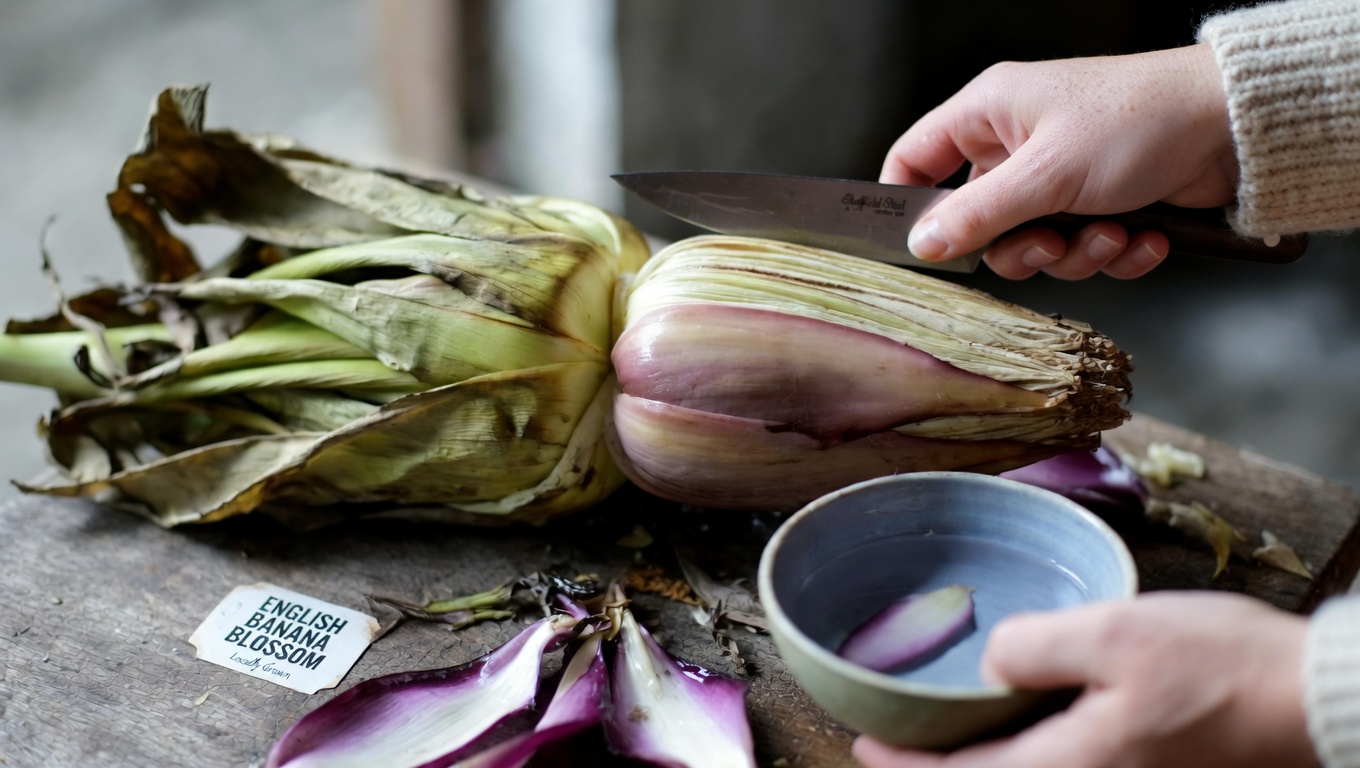
The banana flower is the large, elongated, purple-red bud that hangs at the tip of a banana cluster before the fruits fully form. Its outer layers are thick, dark bracts that encase softer, pale inner florets.
In many regions—especially Southeast Asia, India, and parts of Africa—this blossom is harvested and eaten as a vegetable instead of being thrown away. When cleaned and cooked properly, it is entirely edible.
Banana flower has:
- A mild, slightly bitter taste that mellows with cooking
- A firm yet tender texture, making it versatile in soups, stir-fries, salads, and curries
- A noteworthy profile of dietary fiber, vitamins A, C, and E, potassium, magnesium, and plant compounds such as phenolics and flavonoids
Research on dried banana flower bracts shows that they can contain over 60% dietary fiber (dry weight), putting them among the more fiber-dense plant foods. This makes banana flower particularly interesting for people who prioritize gut-friendly, high-fiber ingredients.
Key Nutrients in Banana Flower
Banana flower stands out as a nutrient-rich, plant-based food. Here’s what it typically offers:
-
Abundant Dietary Fiber
Contains both soluble and insoluble fiber. Insoluble fiber helps bulk up stool and promote regularity, while soluble fiber forms a soft gel that can support comfortable digestion and a balanced gut environment. -
Antioxidant-Rich Compounds
Flavonoids, phenolic compounds, and other antioxidants help neutralize free radicals and may reduce oxidative stress throughout the body. -
Valuable Minerals
- Potassium: Supports normal heart function and healthy blood pressure.
- Magnesium: Involved in muscle relaxation, nerve function, and mood support.
-
Low in Calories
Banana flower is relatively low in energy density, making it a good choice for those who want filling, nutrient-dense meals without excessive calories.
Animal and in vitro (test-tube) studies suggest that the combination of fiber and bioactive compounds in banana flower may support multiple aspects of health, but more large, well-designed human studies are still needed.
Notably, the fiber in banana flower has shown interesting functional properties, including good water-holding capacity, which may help increase feelings of fullness and enhance overall meal satisfaction.
How Banana Flower May Support Digestive Health
Digestive comfort is one of the most frequently mentioned benefits associated with banana flower.
-
Insoluble Fiber for Regularity
The high insoluble fiber content adds bulk to stool and can help speed its passage through the intestines, which may ease occasional constipation and support regular bowel movements. -
Soluble Fiber for a Balanced Gut Environment
Soluble fiber turns into a gel-like substance in the digestive tract. This can slow down digestion slightly, promote a more stable internal environment, and support the growth of beneficial gut bacteria.
Traditional recipes often use banana flower in soups, stews, or stir-fries to provide gentle digestive support as part of everyday meals.
One study on banana flower bracts documented higher glucose dialysis retardation compared with some other fibers. In simpler terms, this suggests that the fiber may slow the movement of glucose, indicating a more gradual release of nutrients that could help with steady post-meal energy levels.
Potential Connections to Blood Sugar Balance
Keeping blood sugar levels stable—especially after carb-heavy meals—is a common wellness focus. Banana flower has drawn attention here mostly because of its fiber and plant-based compounds.
-
Possible Effects on Carbohydrate Digestion
Animal research has reported that extracts from banana blossom may influence enzymes involved in breaking down carbohydrates. This could, in theory, contribute to a more gradual rise in blood sugar after eating. -
Human Data: Early but Interesting
In a recent human trial involving adults with prediabetes who consumed banana blossom powder, researchers observed:- Reduced body weight and body mass index (BMI)
- Lower diastolic blood pressure
- Improved bowel habits
However, fasting blood sugar levels did not change significantly in that particular study.
Overall, these results are preliminary and should be interpreted cautiously. They do align with the broader evidence that fiber-rich plant foods can support metabolic health, but banana flower is best viewed as one helpful component of a balanced diet rather than a stand-alone blood sugar solution.
Banana Flower, Heart Health, and Blood Pressure
Banana flower is naturally rich in potassium, a key mineral involved in fluid balance and the regulation of blood pressure. Adequate potassium intake, especially when paired with a moderate sodium intake, is often associated with healthier cardiovascular markers.
Alongside potassium, banana flower provides antioxidants and plant phenolics that may help:
- Reduce oxidative stress in blood vessels
- Support endothelial (blood vessel lining) function
- Fit naturally into heart-conscious eating patterns focused on plants and whole foods
Existing data mainly comes from observational research on plant-based diets and laboratory findings, rather than large human trials focused specifically on banana flower. Still, its nutrient profile is consistent with foods generally recommended for cardiometabolic health.
How to Prepare Banana Flower: Simple Soup Method
If you’re curious to try banana flower, soup is a straightforward and comforting starting point. Here is a beginner-friendly method:
-
Choose a Fresh Blossom
Pick a banana flower that feels firm, heavy for its size, and has deep purple outer bracts without major bruising. -
Clean and Trim
- Peel off the tough outer bracts until you reach the softer, lighter-colored inner core.
- Remove any tough stamens or parts that feel overly fibrous.
-
Reduce Bitterness and Sap
- Slice the inner portion thinly.
- Soak the slices in a bowl of water with lemon or lime juice for about 15–20 minutes.
- This helps draw out sticky sap and lessen bitterness.
-
Cook the Soup
- In a pot, sauté chopped onion, garlic, and your choice of spices in a small amount of oil.
- Add the drained banana flower, stir for a few minutes, then pour in broth or water.
- Simmer gently for 20–30 minutes, or until the pieces are tender.
-
Finish With Flavor
- Add salt and pepper to taste.
- Brighten the soup with a squeeze of fresh lime, chopped herbs (such as cilantro or parsley), or a pinch of chili for heat.
-
Try a Lighter Option: Banana Flower Tea
- Clean and thinly slice the petals.
- Dry them in the sun or at low temperature in an oven or dehydrator.
- Steep the dried petals in hot water for a mild, tea-like infusion.
This approach helps keep many of the nutrients intact while making the flavor gentle and enjoyable.
Quick Tips for Best Results
- Always soak the sliced flower with an acidic ingredient (lemon/lime) to reduce sap and bitterness.
- Combine banana flower with protein (such as legumes, tofu, or lean meat) and colorful vegetables for balanced, filling meals.
- If you’re new to it, start with small servings; the slightly astringent taste may take a bit of getting used to.
- Store fresh banana blossoms in the refrigerator in a breathable bag or wrapped in paper for up to about one week.
More Ways to Add Banana Flower to Your Meals
Once you’re comfortable with basic preparation, you can use banana flower in a variety of dishes:
-
Stir-Fries With Coconut and Spices
A common approach in South and Southeast Asia: finely chopped banana flower sautéed with grated coconut, turmeric, chili, and aromatic spices. -
Salads and Slaws
Blanch thin strips briefly and toss them into salads for added crunch and fiber. -
Smoothies (in Small Amounts)
Add a small handful of well-prepared, cooked, or blanched banana flower to blended drinks for a discreet fiber boost. -
Dried and Ground Into Powder
Use banana flower powder much like a “supplement-style” ingredient—stir small amounts into soups, stews, or even baked goods to increase fiber content.
These ideas let you experiment and find flavors and textures that suit your preferences and cultural cooking traditions.
What Does the Research Say So Far?
Banana flower has a long history of traditional use across multiple cultures, but modern scientific interest is more recent and still evolving. Current research highlights:
- High Fiber Content: Linked to digestive regularity, fullness, and overall gut support.
- Antioxidant and Phenolic Compounds: Potential roles in mitigating oxidative stress and supporting metabolic health.
- Early Findings in Metabolic Markers: Small-scale studies and trials suggest possible benefits related to weight management, blood pressure, and bowel habits.
Sources such as peer-reviewed articles indexed by the National Institutes of Health (NIH) and summaries from health-focused platforms acknowledge the promise of banana blossom, but they also emphasize that:
- Most data comes from animal studies, in vitro experiments, and limited human trials.
- More rigorous, large-scale human research is needed before making strong clinical claims.
For now, banana flower is best appreciated as a nutritious, fiber-rich plant food that can complement an overall healthy eating pattern, not as a cure-all or replacement for medical treatment.
Conclusion
Banana flower is a versatile, traditional ingredient that offers:
- High levels of dietary fiber
- Naturally occurring antioxidants and phenolic compounds
- Important minerals such as potassium and magnesium
Whether you enjoy it in a warming soup, a lightly spiced stir-fry, a crunchy salad, or as a gentle tea, banana blossom provides an accessible way to diversify your plant-based choices. Exploring ingredients like banana flower can make healthy eating more enjoyable, more culturally rich, and easier to maintain over the long term.
FAQ
1. Is banana flower safe for everyone?
Most people can enjoy banana flower safely when it is cleaned and cooked properly. However:
- Individuals with latex allergies should speak with a healthcare professional before trying it, as certain plant foods, including parts of the banana plant, may occasionally cross-react.
- If you have digestive conditions or are on specific medications, it’s wise to consult a health provider before making major diet changes.
2. How often should I eat banana flower?
There is no strict rule, but a reasonable starting point is:
- 1–2 times per week as part of varied, balanced meals.
As with any new food, begin with moderate portions and notice how your body responds.
3. Is banana flower easy to find?
Availability depends on where you live:
- In many Asian or international grocery stores, fresh banana blossoms are commonly sold in the produce section.
- Canned banana blossom is increasingly available and can work well in cooked recipes.
- If you cannot find banana flower locally, you can still support similar wellness goals using other high-fiber vegetables and plant foods, such as leafy greens, legumes, and cruciferous vegetables.