
Mint and Eye Health: More Than Just a Fresh Flavor
Mint, including both peppermint and spearmint, is far more than a cooling taste in tea, gum, or desserts. This fragrant herb contains a variety of bioactive compounds, with research highlighting its notable levels of vitamin A—a key nutrient for maintaining clear vision, especially in low light, and for supporting the health of the eye’s surface tissues.
Reports from sources such as Healthline indicate that mint offers a meaningful amount of this fat-soluble vitamin. Vitamin A plays a critical role in eye health by helping protect cells from everyday oxidative damage. In addition, mint contains antioxidant molecules like rosmarinic acid, which may help ease inflammation throughout the body—an effect some early studies associate with better overall wellness, including benefits that may extend to the eyes.

Emerging animal studies using spearmint extracts have also revealed encouraging neuroprotective properties in models of elevated eye pressure and retinal stress. These findings suggest that spearmint’s antioxidant and anti-inflammatory actions may help support retinal cell density and resilience. While human research is still in its early stages, such results help explain why traditional herbal practices have long turned to mint for soothing discomfort, including symptoms like red or tired eyes, and why scientists remain interested in these age-old uses.
Key Nutrients in Mint That May Support Vision
Mint leaves provide a combination of eye-friendly nutrients and plant compounds, including:
-
Vitamin A and beta-carotene precursors
Help nourish the retina and may play a role in reducing difficulties with night vision. -
Antioxidants (such as rosmarinic acid)
Help neutralize free radicals that, over time, can negatively affect delicate eye tissues. -
Polyphenols and other phytonutrients
Offer broad anti-inflammatory support, which may indirectly promote eye comfort and overall eye wellness.
Enjoying mint regularly can complement other eye-healthy habits, such as eating leafy green vegetables, consuming colorful fruits and vegetables, and protecting your eyes with UV-blocking sunglasses when outdoors.
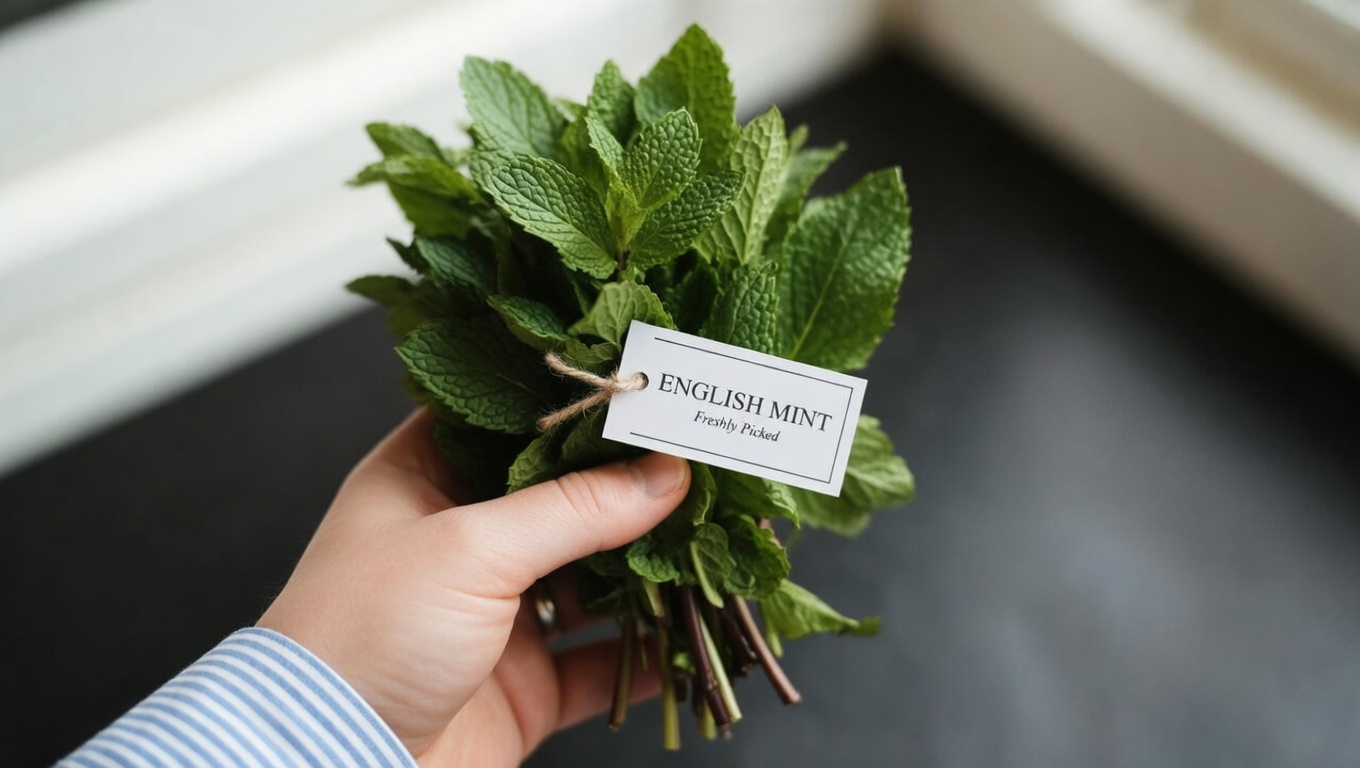
Simple Ways to Add Mint to Your Daily Routine
Incorporating mint into everyday meals and drinks is easy and enjoyable. Consider these practical ideas:
-
Brew fresh mint tea
- Steep a small handful of fresh mint leaves (or about 1–2 teaspoons of dried mint) in hot water for 5–10 minutes.
- Sip 1–2 cups a day for a refreshing, aromatic beverage.
- Add a slice of lemon to increase flavor and provide extra vitamin C, which works synergistically with other antioxidants.
-
Use mint in everyday dishes
- Finely chop fresh mint and stir it into salads, smoothies, grain bowls, or yogurt.
- Sprinkle mint over soups, roasted vegetables, or grilled dishes to boost flavor without extra sugar or calories.
-
Prepare a gentle mint infusion
- Lightly crush fresh leaves to release their oils, then steep them in warm (not boiling) water.
- Drink slowly to enjoy a milder infusion that may preserve more delicate compounds.
-
Combine mint with other eye-friendly foods
- Pair mint with ingredients such as carrots, spinach, kale, or eggs—foods rich in lutein, zeaxanthin, and other eye-supportive nutrients—for more comprehensive nutritional coverage.
Aim for consistent, daily use in food or beverages rather than large amounts at once. Regular, moderate intake is more beneficial and sustainable than occasional heavy use.
What Research Suggests About Mint and Eye Wellness
Scientific evidence so far suggests that mint can play a supportive—not miraculous—role in eye health:
-
Vitamin A contribution
The vitamin A in mint participates in maintaining the eye’s surface integrity and supports normal vision. -
Animal research on spearmint
Experimental studies in animals exposed to high eye pressure have shown that spearmint extracts may improve markers of retinal health. These benefits seem to be related to reduced oxidative stress and lower inflammation in eye tissues. -
Overall antioxidant effects
The antioxidants and polyphenols in mint may help defend cells against everyday wear and tear, which is relevant not only for the eyes but for general health.
It is important to remember that most direct eye benefits come from an overall nutrient-rich diet high in vitamin A, lutein, zeaxanthin, and other antioxidants—not from mint alone. Current evidence does not support claims that mint can dramatically restore lost vision, cure eye diseases, or replace professional eye care. Regular eye exams and appropriate medical treatment remain essential.
Possible Precautions When Using Mint
For most people, culinary amounts of mint are considered safe. However, a few points are worth noting:
-
Digestive sensitivity
Very strong preparations—especially high doses of mint essential oils—may cause mild stomach discomfort or digestive upset in some individuals. -
Topical irritation near the eyes
Mint products can be quite intense on sensitive skin. Avoid applying mint oils, balms, or concentrated products near or directly on the eyes, as they can cause burning or irritation. -
Considerations for acid reflux
In people prone to acid reflux or GERD, large quantities of peppermint may relax the lower esophageal sphincter, potentially worsening symptoms.
Start with small, food-level amounts and pay attention to how your body reacts. If you have existing medical conditions or take medications, consult a healthcare provider before using strong mint extracts or supplements.
Conclusion: Mint as a Refreshing Part of Eye-Friendly Habits
Incorporating mint leaves into your daily eating and drinking patterns is a simple and enjoyable way to increase your intake of vision-supporting nutrients like vitamin A and plant-based antioxidants. While mint is not a substitute for regular checkups with an eye specialist or professional medical advice, it can be a flavorful part of a proactive approach to eye care and overall wellness.
For best results, combine mint with other healthy practices—such as taking regular breaks from screens, using appropriate lighting, staying hydrated, and following a nutrient-dense diet rich in colorful fruits and vegetables. Small, consistent changes like these can add up over time to support long-term eye comfort and function.
Frequently Asked Questions
Can drinking mint tea every day support eye health?
Yes. When consumed as part of a balanced diet, daily mint tea can contribute modestly to overall wellness, including eye health, thanks to its vitamin A content and antioxidant compounds. It should be viewed as a supportive beverage, not a standalone treatment.
Is mint helpful for eye strain from screens?
Mint’s refreshing scent and mild anti-inflammatory properties may offer a subtle sense of relief or relaxation, but they do not replace healthy screen habits. For digital eye strain, follow the 20-20-20 rule: every 20 minutes, look at something 20 feet away for at least 20 seconds, and remember to blink and stay hydrated.
How much mint should I use for potential benefits?
For most adults, starting with 1–2 cups of mint tea per day or using a small handful of fresh mint leaves in meals and drinks is a reasonable, food-based approach. Culinary amounts are generally considered safest and most effective for regular nutrient intake.