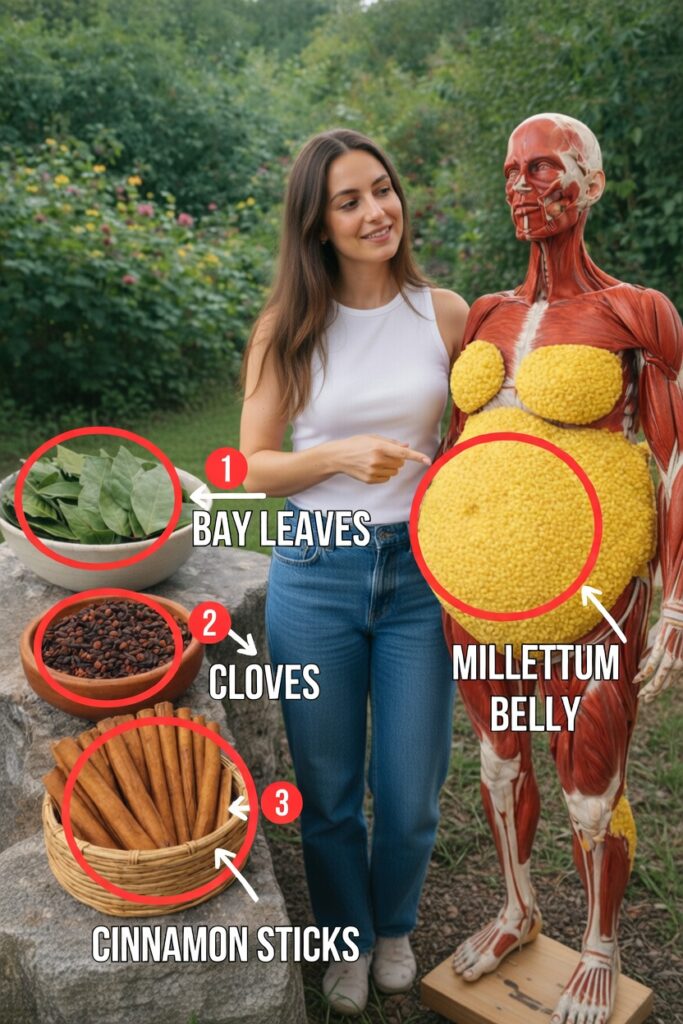
Cinnamon and Cloves: Simple Spices With Surprising Everyday Benefits
Many people move through their day with mild but persistent discomfort—sluggish digestion, everyday physical stress, or the desire for more natural ways to support overall wellness. Over time, these small signals can add up, and you might start wondering whether something as simple as a kitchen spice could help restore a bit more balance and comfort.
Cinnamon and cloves, two familiar aroma-rich spices, have long been used in traditional wellness practices—and modern research is increasingly interested in their potential benefits. These aren’t miracle cures, but when used thoughtfully, they may offer a small, meaningful boost to your daily routine.
Stick around until the end, where you’ll find an easy, no-fuss way many people combine cinnamon and cloves that might surprise you with how simple—and enjoyable—it is.
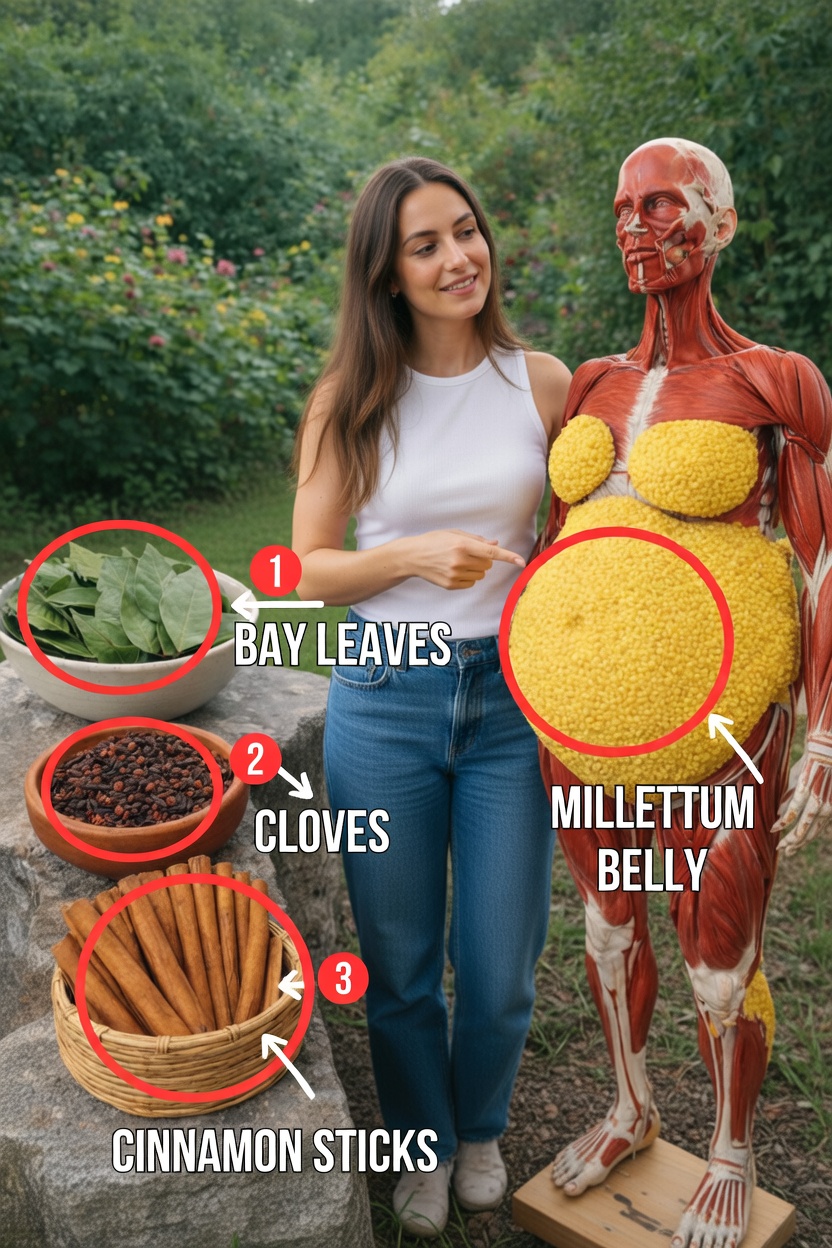
Why Cinnamon and Cloves Are Getting So Much Attention
Cinnamon comes from the inner bark of trees in the Cinnamomum genus, while cloves are the dried flower buds of the Syzygium aromaticum tree. Both have been valued for centuries in cooking, herbal traditions, and natural remedies.
What makes them stand out today is their impressive content of bioactive compounds:
- Cinnamon is rich in cinnamaldehyde, a compound linked to antioxidant and anti-inflammatory activity.
- Cloves contain high levels of eugenol, another potent antioxidant with anti-inflammatory and antimicrobial properties.
Research suggests that these compounds may help the body manage oxidative stress—an everyday process influenced by pollution, poor diet, stress, and normal metabolism. Studies indicate that:
- Cinnamon can help increase antioxidant capacity in the blood and support healthy inflammatory responses.
- Cloves are among the top spices for polyphenol content, making them powerful allies against free radicals.
Beyond their science-backed properties, their naturally warming aroma and flavor make them especially comforting in cooler seasons or whenever you want a gentle lift.
Potential Support for Blood Sugar Balance
One of the most discussed benefits of cinnamon and cloves relates to blood sugar and metabolic health.
Cinnamon and Blood Sugar
Several human studies have examined cinnamon’s role in supporting healthy blood sugar levels. Findings suggest that:
- Small daily servings—around ½ teaspoon of ground cinnamon—may help improve certain markers related to blood sugar control in people with type 2 diabetes concerns.
- Some research has reported reductions in fasting blood glucose when cinnamon is consumed regularly over time.
Cloves and Metabolic Health
Cloves have been studied primarily in laboratory and animal models, where compounds such as eugenol show promise in:
- Supporting insulin function
- Encouraging glucose uptake by cells
When cinnamon and cloves are used together—for example, in spiced teas or infused drinks—many people say they feel more steady, sustained energy rather than sharp spikes and dips.
Key Compounds at a Glance
- Cinnamon: High in cinnamaldehyde – explored for its role in insulin sensitivity in various studies.
- Cloves: Rich in eugenol – associated with antioxidant protection and potential support for glucose regulation in early research.
- Together: May offer complementary effects for general metabolic comfort, according to some combination studies.
These spices should be viewed as supportive tools, not as substitutes for professional medical care, medications, or lifestyle guidance from your healthcare provider.

Gentle Digestive Comfort and Everyday Relief
Cinnamon and cloves have a long history of traditional use for soothing occasional digestive issues.
How Cinnamon May Help Digestion
Cinnamon is often described as a “warming” spice. Traditionally, it has been used to:
- Ease mild stomach discomfort
- Support comfortable digestion after meals
- Encourage healthy gut motility (how food moves through the digestive tract)
How Cloves May Support the Gut
Cloves are commonly used in herbal practices to:
- Reduce feelings of bloating and gas
- Support digestive enzyme activity
- Help protect the stomach lining, as suggested by some research on eugenol
Many people find that sipping cinnamon and clove tea after meals helps their digestion feel smoother and more comfortable.
Simple Ways to Add Cinnamon and Cloves to Your Day
Try these practical ideas to include them naturally:
-
Morning warm-up:
Steep 1 cinnamon stick and 3–4 whole cloves in hot water for about 10 minutes for a gentle, aromatic start. -
Boost your everyday meals:
- Sprinkle ground cinnamon over oatmeal, yogurt, or smoothies.
- Add a couple of whole cloves to rice, stews, or soups while cooking (remove before serving).
-
Evening wind-down:
Stir cinnamon and cloves into herbal tea with a little honey for a relaxing bedtime ritual. -
In baked goods:
Use both spices in muffins, cookies, or banana bread for flavor with a subtle wellness touch.
These small habits are easy to weave into your routine with almost no extra effort.
Antioxidant Power for Daily Wellness
Antioxidants play an important role in helping the body cope with everyday environmental and internal stressors.
Cloves, in particular, are often cited as one of the most antioxidant-rich spices known, with polyphenol levels that can exceed many fruits and vegetables in lab analyses. Cinnamon also delivers a strong antioxidant profile, with research showing it can raise antioxidant levels in the bloodstream.
When used together, cinnamon and cloves may:
- Support overall cellular health
- Help reduce oxidative stress markers, as explored in some studies
- Offer gentle backing for organs such as the liver, which helps filter and process toxins
While they are not a cure-all, they can be a helpful part of a broader, nutrient-rich lifestyle.
Immune and Antimicrobial Insights
Throughout history, cinnamon and cloves have often been used during colder seasons and times when immune support is top of mind.
Modern lab-based research reveals that:
- Clove oil shows notable activity against certain bacteria and fungi in test-tube studies.
- Cinnamon extracts also demonstrate broad-spectrum antimicrobial effects in experimental settings.
These findings may help explain why they’re traditional favorites in warming tonics and seasonal remedies.
Of course, spices do not replace key foundations like handwashing, sleep, a balanced diet, or medical treatment. But including them in your diet can feel like adding another gentle, natural layer of everyday support.
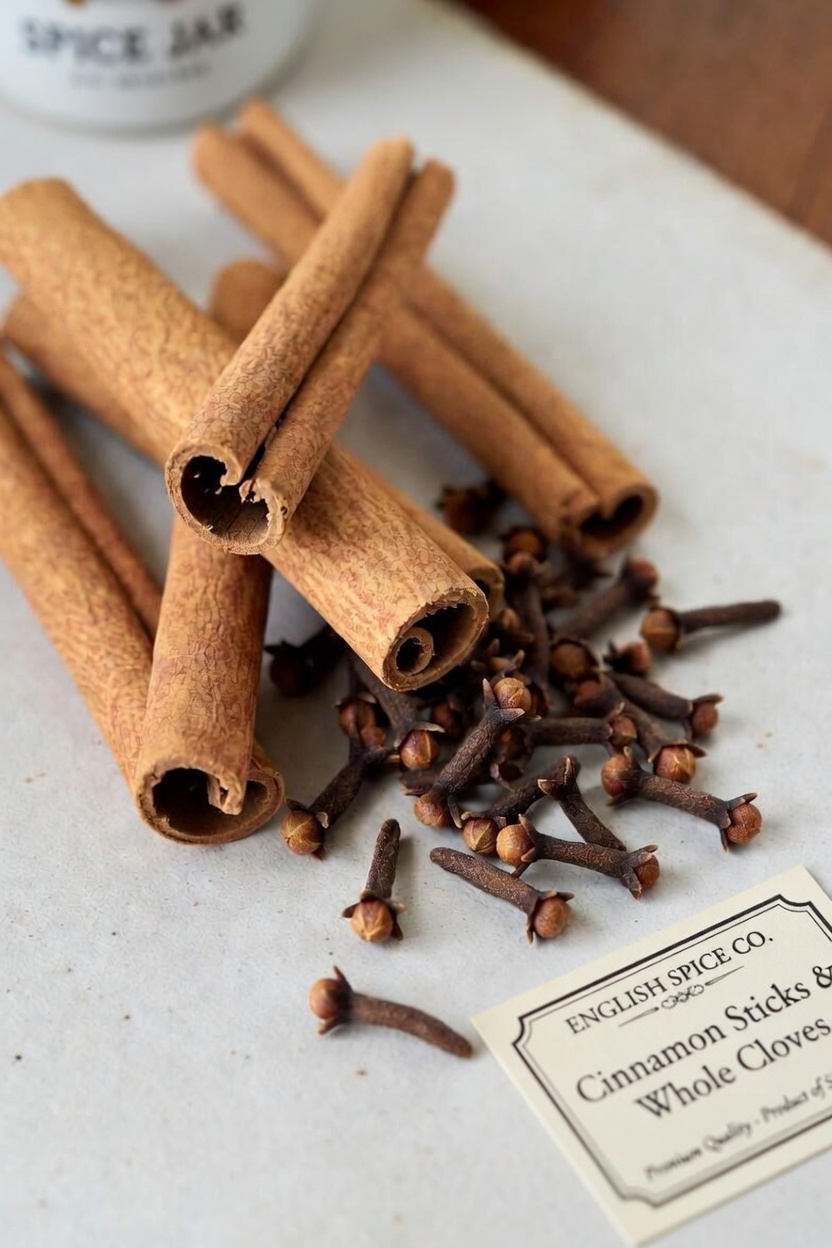
A Simple Cinnamon and Clove Tea You Can Make at Home
One of the easiest and most popular ways to enjoy these spices together is as a comforting spiced tea. Here’s a straightforward method:
- Bring 4 cups of water to a boil.
- Add 2–3 cinnamon sticks and 1 tablespoon of whole cloves.
- Reduce the heat and simmer for 15–20 minutes.
- Strain the liquid into a mug or teapot.
- Sweeten lightly with honey or another preferred sweetener, if you like.
- Sip warm, enjoying 1–2 cups per day, starting with smaller amounts to see how your body responds.
Many people find this drink both calming and energizing at the same time. The aroma alone can create a cozy, uplifting atmosphere in your home.
Other Creative Ways to Use Cinnamon and Cloves in Your Kitchen
Looking for more ways to integrate these spices into your diet? Try:
-
In coffee or chai:
Add a pinch of ground cinnamon and a hint of clove to your brew for a warming, spiced flavor. -
With fruits:
- Sprinkle cinnamon over sliced apples, pears, or baked fruit.
- Use cloves in poached pears, compotes, or warm fruit sauces.
-
Homemade seasoning blends:
Combine ground cinnamon and cloves with other spices like ginger, nutmeg, or cardamom for:- Smoothies
- Marinade rubs
- Roasted nuts
- Warm milk or plant-based drinks
As a general guideline, keep portions moderate—about ½–1 teaspoon of cinnamon and a few cloves per serving is a practical range for everyday use, unless your healthcare provider advises otherwise.
Wrapping It Up: Small Spices, Big Potential
Cinnamon and cloves bring much more to the table than delicious flavor and aroma. Together, they may:
- Support antioxidant defenses
- Offer gentle metabolic and blood sugar support
- Promote digestive comfort
- Provide a sense of warming, cozy well-being
By incorporating them thoughtfully—through teas, meals, and simple daily rituals—you can explore their benefits in a natural, accessible way.
The real surprise is how two common pantry staples can become meaningful allies in a broader wellness lifestyle.
FAQ About Cinnamon and Cloves
How much cinnamon and cloves is generally considered safe daily?
Many studies use:
- Cinnamon: Around ½–2 teaspoons per day
- Cloves: Roughly 3–5 whole cloves or about ¼ teaspoon ground
Everyone is different, so it’s wise to start with smaller amounts, see how you feel, and talk with a healthcare professional if you have medical conditions, are pregnant or breastfeeding, or take medications (especially for blood sugar or blood thinning).
Can I drink cinnamon and clove tea every day?
Many people enjoy cinnamon and clove tea as a regular part of their routine. If you:
- Use moderate amounts
- Pay attention to how your body responds
- Keep an overall varied, balanced diet
then daily use is generally considered acceptable for most healthy adults. When in doubt, check with a healthcare provider.
Is there a difference between Ceylon and Cassia cinnamon?
Yes, there are important differences:
- Ceylon cinnamon (often called “true cinnamon”) contains lower levels of coumarin, a natural compound that may be harmful in large amounts or with long-term high intake.
- Cassia cinnamon, the type most commonly found in supermarkets, has higher coumarin levels.
For occasional use, Cassia is typically fine. If you plan to consume larger or more frequent amounts of cinnamon, Ceylon cinnamon is generally considered the better choice for long-term use.