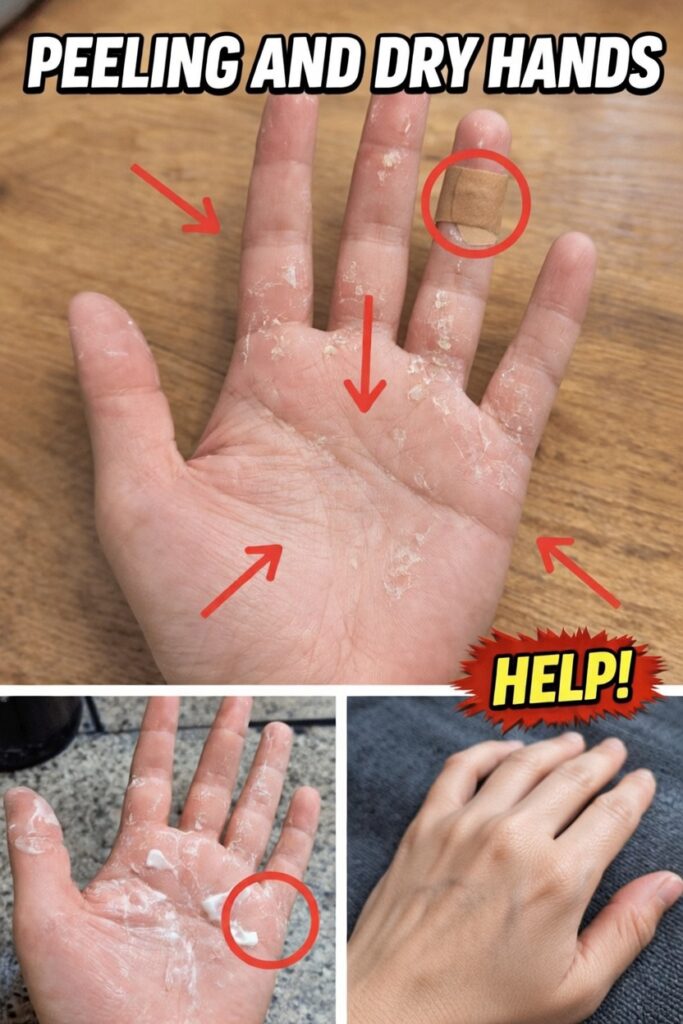
Dry, Peeling Skin on Your Hands? Here’s What’s Going On
When the skin on your hands becomes dry, rough, and starts to flake or peel—especially on the palms and fingers—it can be both uncomfortable and annoying. Everyday activities like typing, washing dishes, or gripping objects can suddenly feel irritating or even painful if the skin cracks.
This kind of peeling skin on the hands is very common. It’s often linked to routine habits such as frequent handwashing, using harsh soaps or chemicals, exposure to dry indoor air, or not moisturizing enough. These factors strip away natural oils, leaving the skin tight, itchy, and vulnerable to peeling.
The positive side: with a few consistent changes in how you care for your hands, many people see noticeable improvement. Understanding what’s behind the peeling is the first step toward smoother, more comfortable skin.
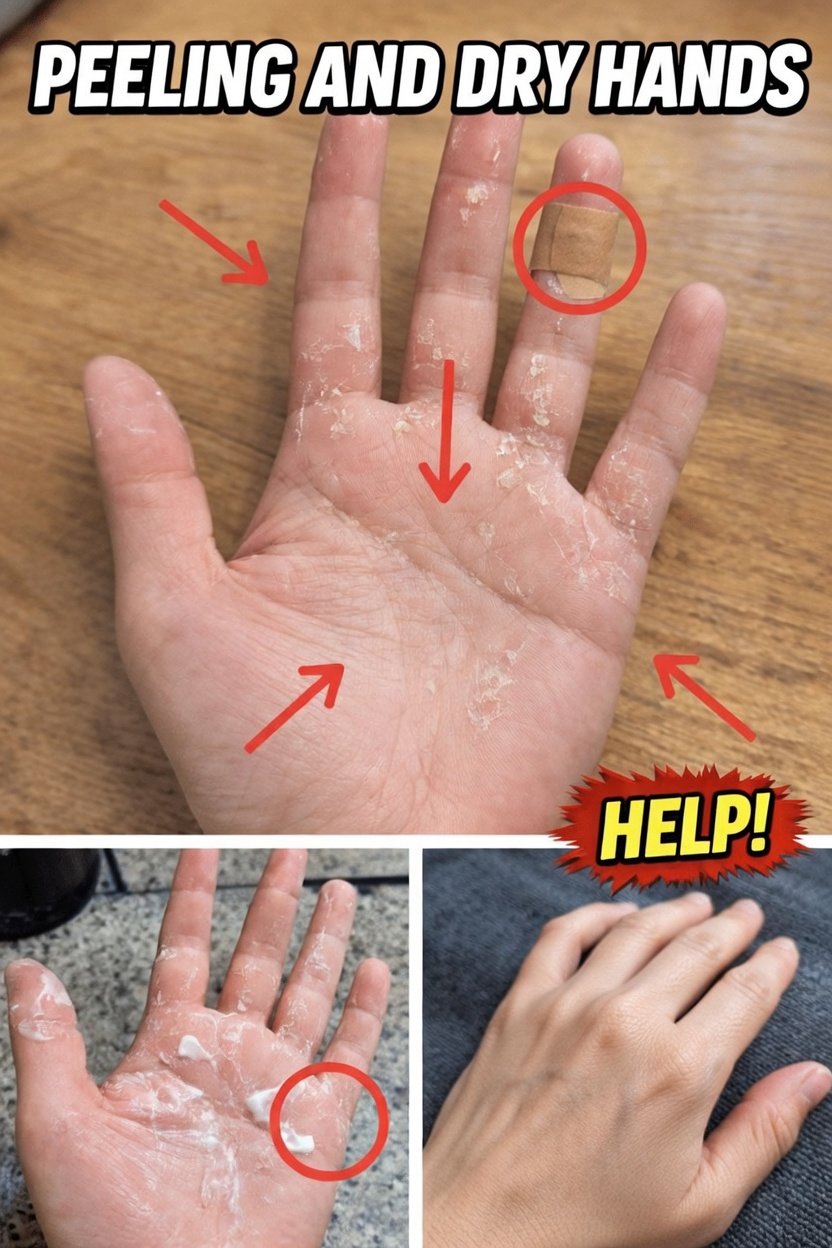
Interestingly, the peeling itself is usually your body’s way of shedding damaged outer skin cells. When you pair this natural process with a few simple protective habits and gentle care, the skin on your hands can gradually feel softer, less irritated, and healthier over time.
Common Causes of Peeling, Flaky Skin on the Hands
Peeling skin on the hands is usually related to environmental and lifestyle factors rather than serious disease. Dermatology sources such as the Mayo Clinic and the American Academy of Dermatology highlight several frequent triggers.
1. Dry Air and Weather Changes
Low humidity is one of the primary reasons for dry, peeling hands. Situations that increase moisture loss include:
- Cold, dry winter weather
- Heated indoor environments
- Air-conditioned offices or homes
In these conditions, the skin loses water more quickly. If you don’t compensate with regular moisturizing, dryness can progress to flaking, peeling, and even cracking.
2. Frequent Handwashing and Irritants
Repeated exposure to water and cleansers is another major cause of peeling skin on the palms and fingers. Common culprits include:
- Soaps and detergents
- Hand sanitizers (especially those high in alcohol)
- Dishwashing liquids and cleaning products
- Long or frequent contact with plain water, particularly hot water
These strip away the skin’s natural oils and weaken the protective barrier. Over time, the outer layer may begin to shed in thin sheets or visible flakes.
3. Everyday Triggers You Might Overlook
Other routine factors that can contribute to dry, peeling hands include:
- Contact with household cleaners, solvents, or workplace chemicals
- Allergic reactions to ingredients in lotions, gloves, metal jewelry, or fragrances
- Not drinking enough water or eating a diet low in essential fatty acids
4. Underlying Skin Conditions
Some people have skin that is naturally more sensitive. Conditions such as hand eczema (hand dermatitis) can cause:
- Dry, chapped, and irritated skin
- Redness or inflammation
- Peeling on the palms, fingertips, or between the fingers
Research on irritant contact dermatitis shows it often begins with dry, rough skin that, if not managed, progresses to more severe peeling and discomfort.

How to Recognize Peeling Skin on the Hands
You may be dealing with peeling skin on your hands if you notice:
- Rough, sandpaper-like skin on the palms and fingers
- White, dry flakes or sheets of skin coming off
- Peeling that follows skin lines or appears in small patches
- A feeling of tightness, especially after washing your hands
- Mild soreness or stinging, particularly where the skin is very dry
- Tiny cracks or fissures, sometimes with light redness
If the peeling is accompanied by intense itching, blisters, significant swelling, or widespread redness, it’s a good idea to consult a healthcare professional or dermatologist for a closer evaluation.
Everyday Habits That Help Support Healthier Hand Skin
Improving the condition of dry, peeling hands starts with protecting the skin barrier and restoring moisture. Dermatology recommendations often emphasize these key habits:
1. Use Gentle Cleansers
- Choose mild, fragrance-free soaps or cleansers labeled for sensitive skin.
- Wash with lukewarm water instead of hot, which is more drying.
- Pat your hands dry with a towel—avoid vigorous rubbing.
2. Moisturize Immediately and Often
- Apply a rich, fragrance-free moisturizer right after washing, while skin is still slightly damp, to lock in hydration.
- Look for ingredients that help strengthen the skin barrier, such as:
- Ceramides
- Hyaluronic acid
- Glycerin
- Petrolatum (petroleum jelly)
3. Wear Protective Gloves
- Use rubber or nitrile gloves lined with cotton when cleaning, washing dishes, or working with chemicals.
- Gloves help shield your hands from water, detergents, and harsh substances that can worsen peeling.
4. Stay Hydrated Inside and Out
- Drink enough water throughout the day to support overall skin health.
- Consider using a humidifier in dry indoor environments to add moisture to the air and reduce skin dryness.
A Simple Daily Routine for Softer, Smoother Hands
Incorporating a basic hand-care routine can make a big difference over time. Try the following steps:
-
Morning
- Wash hands with a gentle, fragrance-free cleanser and lukewarm water.
- Pat dry and apply a thick cream or hand balm.
-
Throughout the Day
- Reapply moisturizer after every handwash.
- Keep a travel-sized cream in your bag, car, or at your desk for easy access.
-
Evening
- Soak hands in lukewarm (not hot) water for 5–10 minutes to soften the skin.
- Gently pat dry and apply a generous layer of a thicker ointment or heavy cream.
- Put on cotton gloves and leave them on overnight to enhance absorption and lock in moisture.
-
Once a Week
- If your skin is very dry and flaky, gently exfoliate with a soft washcloth or a very mild scrub.
- Avoid rough scrubs or aggressive rubbing, which can irritate and worsen peeling.
Studies suggest that regular moisturizing combined with barrier protection can reduce dryness, flaking, and discomfort over a period of weeks.
What to Avoid So Peeling Doesn’t Get Worse
Certain habits can further damage already fragile skin. To protect your hands, try to avoid:
- Harsh antibacterial soaps or strong alcohol-based sanitizers unless truly necessary
- Very hot water for handwashing or long, hot showers
- Prolonged contact with water, such as soaking your hands repeatedly without protection
- Scratching, picking, or pulling at peeling skin, which can lead to deeper cracks or infection
- Skipping moisturizer after washing or cleaning tasks
Being consistent with what you avoid is just as important as what you do to help your hands heal.
Moisturizer Types for Peeling Hands: Quick Comparison
Different textures of moisturizers work best for different levels of dryness and peeling. Here’s a simple guide:
| Type | Best For | Key Ingredients | When to Use |
|---|---|---|---|
| Lotion | Mild dryness, daily use | Water-based, hyaluronic acid | Daytime, when you need fast absorb |
| Cream | Moderate dryness, rough skin | Ceramides, shea butter, glycerin | After handwashing, several times a day |
| Ointment | Severe flaking, cracking | Petrolatum, mineral oil, lanolin | Nighttime, under cotton gloves for intensive care |
Most people with peeling hands do well starting with a cream, then adding an ointment at night if the skin is very dry or cracked.
When Lifestyle Changes Aren’t Enough
If you’ve made gentle changes to your routine—using mild cleansers, moisturizing regularly, avoiding irritants—and your hands are still:
- Peeling persistently
- Painful, swollen, or very red
- Showing signs of infection (such as pus, warmth, or increasing tenderness)
it’s important to speak with a dermatologist or healthcare provider. They can:
- Check for conditions like eczema, psoriasis, or allergies
- Recommend prescription creams or ointments if needed
- Help you identify specific triggers in your environment or products
Getting personalized advice can speed up healing and prevent the problem from becoming chronic.
FAQ
What usually causes peeling skin on the palms and fingers?
The most common causes are:
- Dry skin due to low humidity or weather changes
- Frequent handwashing, especially with harsh soaps or hot water
- Regular contact with irritants like cleaning products or chemicals
In some people, skin conditions such as hand eczema or irritant contact dermatitis also play a role.
How long does it take for peeling hand skin to improve?
If you consistently:
- Use gentle cleansers
- Moisturize after every wash
- Protect your hands from irritants
many people start to see less dryness and flaking within a few weeks. The exact timeline depends on how severe the dryness is and how well you can avoid triggers.
Can specific foods or drinks help with dry, peeling hands?
Diet alone won’t “cure” peeling hands, but it can support overall skin health. Helpful habits include:
- Drinking enough water daily
- Eating a balanced diet that includes healthy fats (such as those from nuts, seeds, avocados, and fatty fish)
These steps can complement your topical care routine, but you’ll still need regular moisturizing and protection to address peeling skin on the hands directly.