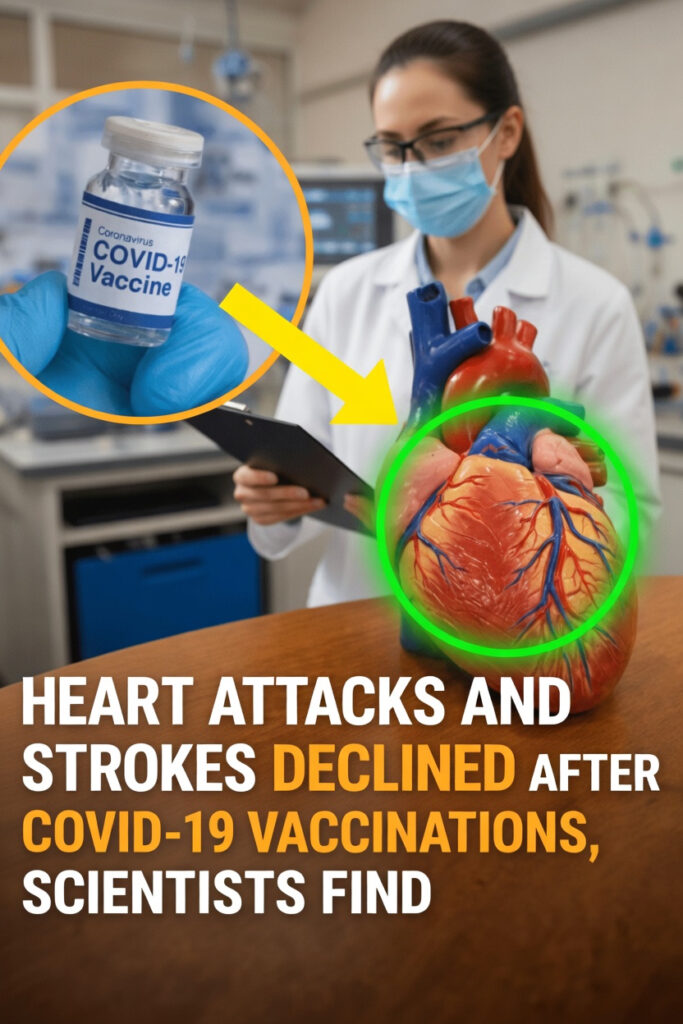
COVID-19 Vaccination and Heart Health: What a Major England Study Found
Heart disease remains one of the biggest health challenges for adults worldwide. During the COVID-19 pandemic, concerns grew even stronger as many people questioned how the virus could affect the heart and blood vessels. At the same time, the rollout of vaccines brought additional questions about possible risks and whether vaccination could influence overall cardiovascular health.
A major new study now provides reassuring evidence that helps put these concerns into context. Later in this article, you will also find simple, expert-backed habits that can help protect your heart every day.
What the Large Study Revealed
In July 2024, researchers from the Universities of Cambridge, Bristol, and Edinburgh published a large analysis in Nature Communications. They examined health data covering almost the entire adult population of England, reviewing records from more than 46 million people between December 2020 and January 2022.
The researchers compared the rate of common cardiovascular events before vaccination, or in unvaccinated periods, with the rates seen in the weeks and months after vaccination. This allowed them to assess real-world patterns across first doses, second doses, and booster shots used in the UK vaccination program.
The study focused on arterial thrombosis, which includes serious conditions such as heart attacks and ischemic strokes. It also looked at venous thrombotic events, including pulmonary embolism and deep vein thrombosis. To make the findings more reliable, the analysis accounted for factors such as age, sex, and pre-existing medical conditions.
Key Findings From the Data
Several results stood out clearly:
- After the first vaccine dose, arterial events such as heart attacks and strokes were up to 10% lower during weeks 13 to 24 after vaccination compared with the period before vaccination or without vaccination.
- After the second dose, the decline was even greater:
- up to 27% lower with the AstraZeneca vaccine
- up to 20% lower with the Pfizer-BioNTech vaccine
- Rates of common venous thrombotic events were also lower after each vaccine dose.
- These lower rates appeared across multiple age groups and across different vaccine schedules used in the national rollout.
One of the most important points is that this was not just a brief short-term effect. The reduction in event rates continued throughout the follow-up periods tracked by the researchers, giving a more complete picture than many smaller studies have been able to provide.
Why This Pattern May Have Happened
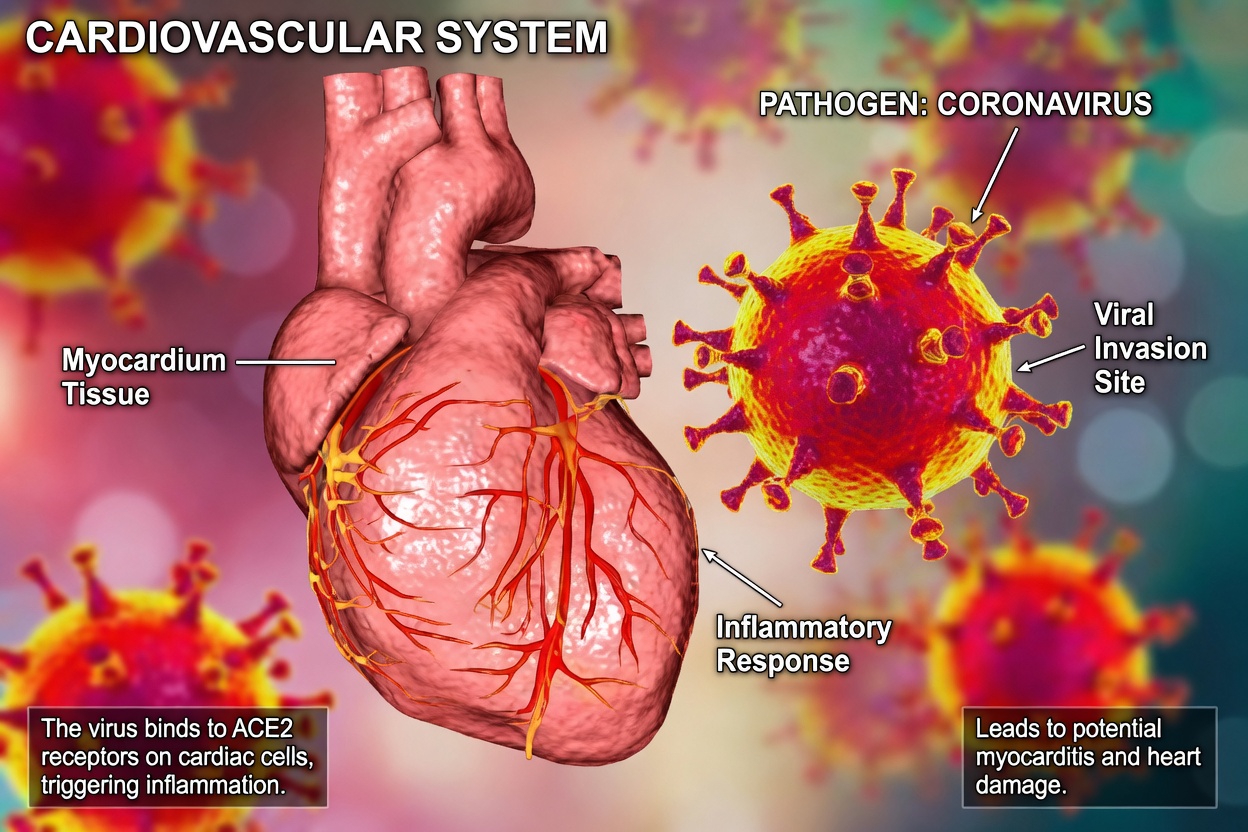
Researchers believe the most likely explanation is linked to what is already known about COVID-19 itself. The virus can trigger inflammation and blood clotting problems, both of which can increase the risk of heart attacks, strokes, and other cardiovascular complications, especially when infection is severe.
Vaccination helps reduce the severity of COVID-19 infection. Because of that, it may also reduce the downstream cardiovascular risks that can follow infection. According to the study authors, this protective pattern for common heart and blood vessel events remained visible even while rare vaccine side effects were also being monitored.
That said, the researchers also emphasized that no single study is perfect. Their data came from one country and one specific time period. Other influences, such as shifts in healthcare access during the pandemic, may also have affected the results. Even so, the enormous size of the dataset makes this one of the strongest pieces of real-world evidence currently available.
The Complete Picture Also Includes Rare Side Effects
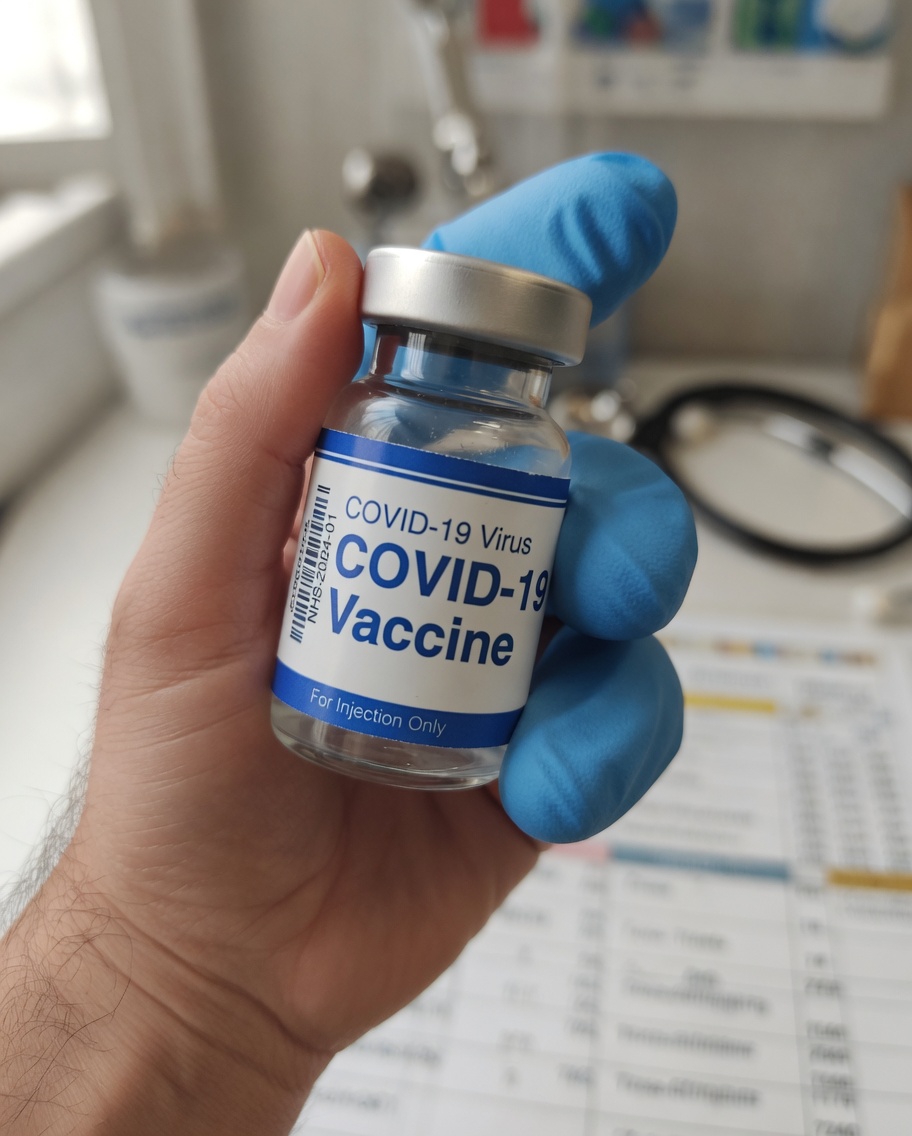
For balance and transparency, the study also confirmed several rare risks that had already been identified in previous research.
These included:
- a small increase in myocarditis
- a small increase in pericarditis after mRNA vaccines
- a very rare condition called vaccine-induced thrombotic thrombocytopenia (VITT) after the AstraZeneca vaccine
The study described these events as very uncommon in absolute numbers. Overall, the benefits associated with lower rates of common cardiovascular events were considered greater than these rare risks. This more complete view is important because it helps readers understand the evidence without overstating or oversimplifying the issue.
Practical Ways to Support Heart Health
While research continues to evolve, the most effective approach is still to build habits that protect your cardiovascular system every day, regardless of vaccination status. Cardiologists and public health experts often recommend the following steps:
-
Book regular medical check-ups
- Speak with your doctor about your personal risk factors for heart disease.
- Ask any questions you have about vaccines, boosters, blood pressure, cholesterol, or family history.
-
Get at least 150 minutes of moderate exercise each week
- Brisk walking, cycling, and swimming are all good options.
- Consistent movement supports circulation and overall heart function.
-
Improve your diet
- Try to fill half your plate with fruits and vegetables.
- Cut back on highly processed foods that are high in salt, sugar, and unhealthy fats.
-
Manage daily stress
- Simple routines such as deep breathing, meditation, stretching, or spending time outdoors can help.
- Lower stress levels may support both heart and mental health.
-
Avoid smoking and limit alcohol
- Smoking is a major cardiovascular risk factor.
- Alcohol intake should stay within levels your doctor considers appropriate for your health.
These actions complement medical care and are practical steps you can begin right away.
Why This Matters for Everyday Health Decisions
This research adds to the growing evidence that vaccination may have broader health effects beyond reducing the risk of the original infection. Many people have noticed that vaccinated family members seemed to stay healthier overall, and findings like these may help explain part of that pattern on a population level.
The study also highlights an important truth: heart health is affected by many different factors, including how the body responds to infections. COVID-19 is not just a respiratory illness; it can also influence the cardiovascular system. That makes prevention and risk reduction especially relevant.
If you have delayed speaking with your healthcare provider about vaccination or booster doses, this study may offer a useful conversation starter. Bringing a summary of the research to your appointment and asking how it applies to your own medical history can be a smart next step.
Conclusion
The large England-based study involving 46 million adults found that rates of heart attacks and strokes were lower in the weeks and months after COVID-19 vaccination than during periods before vaccination or without vaccination. Although rare side effects do exist, the overall trend suggests a net cardiovascular benefit for common heart and blood vessel events.
This fits into a broader approach to long-term wellness: combining informed medical decisions with healthy daily habits. The key message is simple: stay informed, stay in touch with your doctor, and keep building routines that support your heart over time.
FAQ
1. Does this study prove that COVID-19 vaccines prevent heart attacks and strokes?
No. The study found a lower incidence of these events after vaccination compared with before vaccination or in unvaccinated periods, but it does not claim that vaccines completely prevent heart attacks or strokes. Individual risk still depends on many factors.
2. Should I still get vaccinated or boosted if I already had COVID-19?
The best choice depends on your age, health history, and current medical guidance. Many studies, including this one, suggest vaccination may still provide benefits after a prior infection, but you should discuss your situation with your doctor.
3. Besides vaccination, what else can reduce the risk of heart attack and stroke?
Several proven strategies can help:
- eat a balanced diet
- stay physically active
- control blood pressure and cholesterol
- avoid tobacco
- attend regular medical check-ups
These habits remain essential for heart health, no matter your vaccination status.