
Leafy Greens, Spinach, and Cancer Risk: What You Really Need to Know
Concerns about cancer are increasingly common in a world of hectic schedules, processed foods, and growing environmental stressors. Many people are searching for realistic, natural ways to support their long-term health. No single ingredient can “prevent” cancer, but scientific research does suggest that certain everyday food choices may help lower risk over time when part of an overall healthy lifestyle.
Leafy green vegetables—especially options like spinach—often stand out in these discussions. They’re budget-friendly, versatile, and loaded with nutrients that researchers associate with better overall wellness. But what does the evidence actually say, and how can you use these foods in a practical way?

The Nutritional Powerhouse: Leafy Greens
Dark leafy greens such as spinach, kale, Swiss chard, and collard greens are frequently described as nutritional powerhouses for good reason. They’re dense in vitamins, minerals, fiber, and plant compounds that help support the body’s natural defense systems.
Take spinach as an example. It contains impressive amounts of:
- Beta-carotene and other carotenoids – Antioxidants that help shield cells from oxidative damage.
- Vitamin C – Supports immune function and acts as a free-radical scavenger.
- Folate – Essential for healthy cell division and DNA repair processes.
- Fiber – Promotes healthy digestion and supports a diverse gut microbiome.
- Chlorophyll and other phytochemicals – Plant compounds that may contribute to anti-inflammatory and protective effects.
Importantly, these nutrients do not work in isolation. They interact in complex ways that laboratory and population studies suggest may support long-term health, including potential reductions in cancer risk.
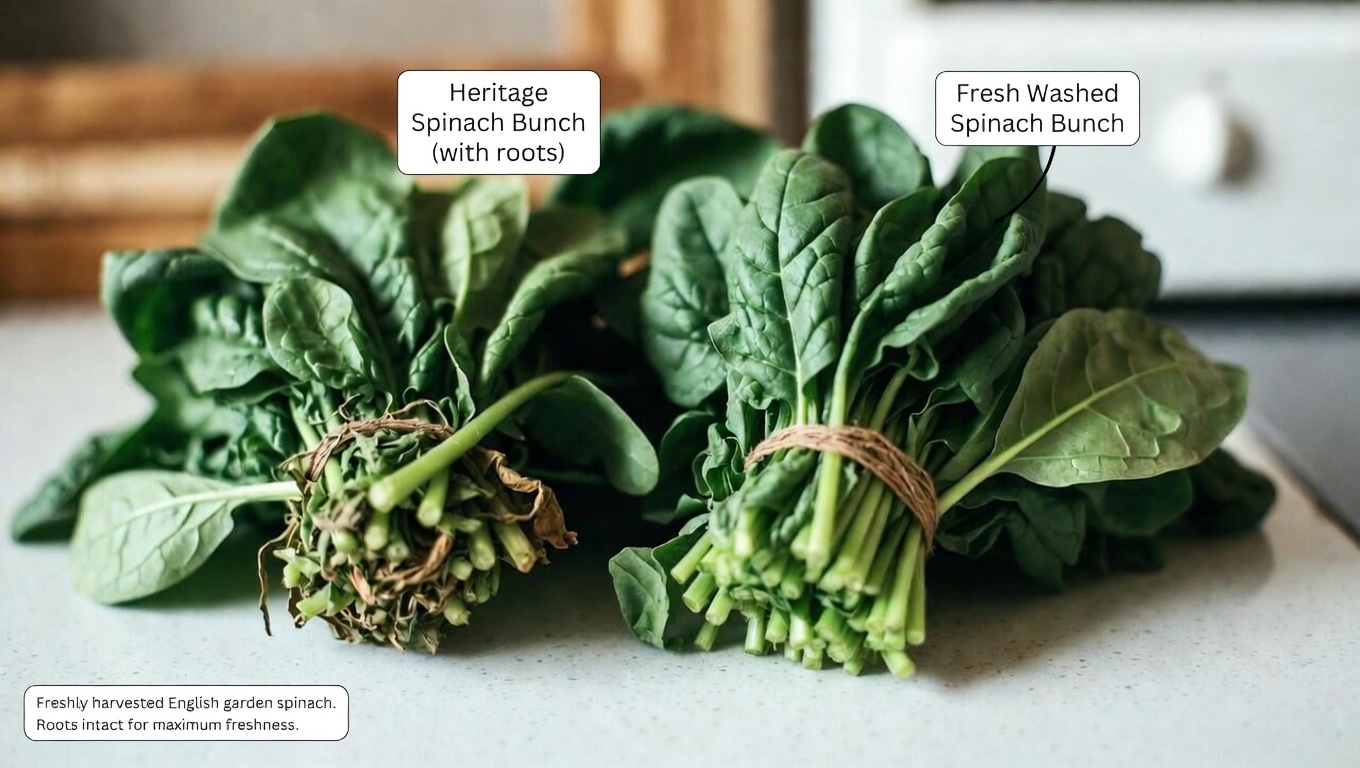
What Research Suggests About Leafy Greens and Cancer Risk
A growing body of research has examined how diets rich in vegetables—especially dark leafy greens—relate to cancer risk. Organizations such as the American Institute for Cancer Research (AICR) and the World Cancer Research Fund routinely review the evidence and highlight vegetable intake as part of a cancer-protective dietary pattern.
Some key findings from the research include:
- Carotenoids in spinach have shown potential in lab and animal studies to slow or limit processes involved in cancer development.
- Higher consumption of dark green leafy vegetables has been associated in some studies with lower risk of certain cancers, including estrogen receptor–negative breast cancer.
- Spinach intake may support gut health and microbial diversity in the intestines, which is believed to play a role in colon health and possibly in lowering colon cancer risk over time.
- Epidemiological studies indicate that eating vegetables like carrots or spinach more than twice a week is linked with a modest reduction in the odds of developing some cancers, including breast cancer.
Comparing Popular Leafy Greens
Each leafy green offers its own nutrient profile and unique plant compounds:
- Spinach: High in beta-carotene, lutein, and folate; frequently studied for its antioxidant and cell-protective properties.
- Kale: Contains compounds that can form sulforaphane, often examined for detoxification and cellular protection.
- Swiss chard: Provides antioxidants similar to spinach along with magnesium, which supports overall metabolic and nerve function.
- Collard greens: Rich in fiber and vitamins, supporting digestive health and regularity.
These foods do not act as quick “cures,” nor do they eliminate cancer cells on their own. Instead, regular consumption over many years—as part of a varied, balanced diet—appears to contribute to a lower overall risk profile.
Crucially, it’s not about relying on one single vegetable. A wide variety of plant foods matters most.
How Leafy Greens Fit Into a Cancer-Preventive Eating Pattern
Experts in cancer prevention emphasize dietary patterns rather than miracle foods. The AICR and World Cancer Research Fund recommend that at least two-thirds of your plate come from plant foods, including vegetables, fruits, whole grains, beans, and other pulses.
A plant-forward eating pattern matters because it tends to provide:
- Abundant antioxidants to help counteract oxidative stress.
- High fiber content to support a healthy gut microbiome and regular digestion.
- Lower calorie density, which can make it easier to maintain a healthy body weight—an important factor in reducing risk for several cancers.
Simple Ways to Eat More Leafy Greens
If you’re looking to increase your intake of spinach and other greens in a realistic way, try these strategies:
- Start small: Toss a handful of raw spinach into smoothies, omelets, wraps, or soups. It blends easily and often goes unnoticed in terms of flavor.
- Cook gently: Light steaming or quick sautéing helps preserve nutrients better than long boiling times.
- Rotate your greens: Switch between spinach, kale, arugula, chard, collards, and others. This broadens your nutrient intake and avoids relying solely on higher-oxalate greens if you’re sensitive.
- Pair with vitamin C: Combine greens with citrus, bell peppers, or tomatoes to improve absorption of plant-based iron.
- Aim for consistency: Try to include about 1–2 cups of raw or cooked leafy greens on most days as part of meals or snacks.
These changes are typically low-cost, straightforward, and can be delicious when you experiment with herbs, spices, and healthy fats like olive oil.
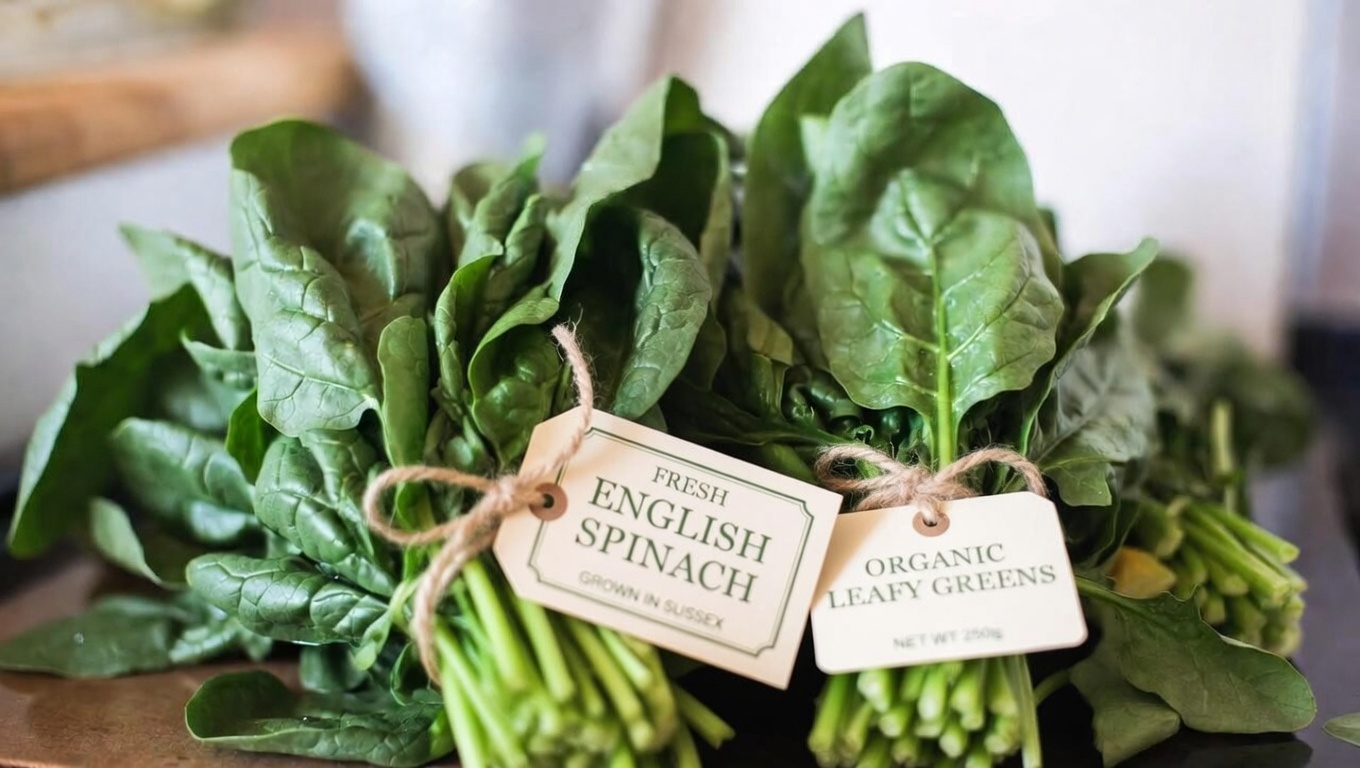
Practical Ideas: Enjoying Leafy Greens Every Day
To keep your anti-cancer diet interesting and sustainable, work leafy greens into meals throughout the day:
- Breakfast: Add spinach or kale to scrambled eggs, breakfast burritos, or a fruit-based green smoothie.
- Lunch: Build salads with a base of mixed greens, then top with lean protein (beans, tofu, chicken, fish) and healthy fats (avocado, nuts, seeds).
- Dinner: Stir chopped chard, spinach, or collards into stews, curries, pasta dishes, grain bowls, or stir-fries.
- Snacks: Make crispy kale chips in the oven with a drizzle of olive oil and a sprinkle of salt or spices.
If you’re not used to the taste of leafy greens, begin with milder varieties like baby spinach or butter lettuce, then gradually introduce stronger-tasting greens as you adjust.
Common Questions About Leafy Greens and Health
1. Are leafy greens safe for everyone?
For most people, leafy greens are safe and highly beneficial. However, individuals with a history of kidney stones, especially those related to oxalates, may need to moderate intake of high-oxalate greens like spinach and beet greens. It’s wise to speak with a healthcare professional and include a variety of greens rather than relying on one type.
2. How much do I need to eat to see potential benefits?
Research generally points to regular, ongoing intake rather than extreme amounts. Several servings of vegetables—particularly a mix of leafy greens—spread over the week as part of a plant-rich diet appears to offer the strongest associations with reduced cancer risk. Consistency matters more than perfection.
3. Can leafy greens replace medical advice or cancer treatment?
No. While leafy greens are a valuable part of a health-supportive diet, they do not substitute for professional medical care, cancer screening, or prescribed treatments. Think of them as one helpful piece of a bigger lifestyle picture that also includes physical activity, not smoking, managing body weight, and following your doctor’s recommendations.
Final Thoughts
Folding more leafy greens like spinach into your daily meals is a simple, evidence-aligned step toward better long-term wellness. These vegetables will not deliver instant miracles, but their vitamins, minerals, fiber, and protective plant compounds contribute to a broader, health-promoting lifestyle.
Over time, this small, sustainable habit can add up—supporting your body’s natural defenses and giving you a greater sense of control over your health in a realistic, positive way.