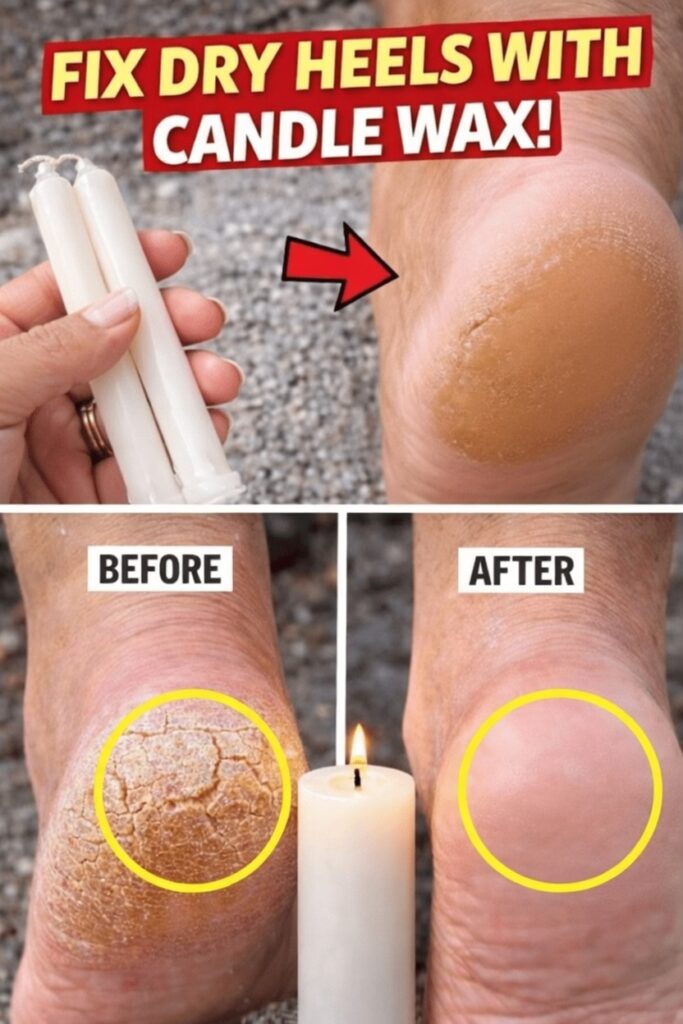
Smoother Steps: A Gentle Wax Routine for Cracked Heels
When the skin on your heels becomes dry and rough, every step can feel tight, scratchy, or even mildly painful. Deep lines and flaky patches not only bother you physically, they can also make you want to keep your feet hidden. Changes in weather, long hours on your feet, and skipped moisturizing all contribute to this common problem.
The upside: with a simple, soothing routine using basic wax and nourishing oils, you can help soften and hydrate your heels at home as part of a regular foot care ritual.
In this guide, you’ll learn how a wax-based method—similar to spa-style paraffin treatments—may support smoother heels, how to do it safely at home, and what daily habits help maintain results. Stay with it to the end for an extra habit many people find makes a big difference over time.
Why Do Heels Crack So Easily?
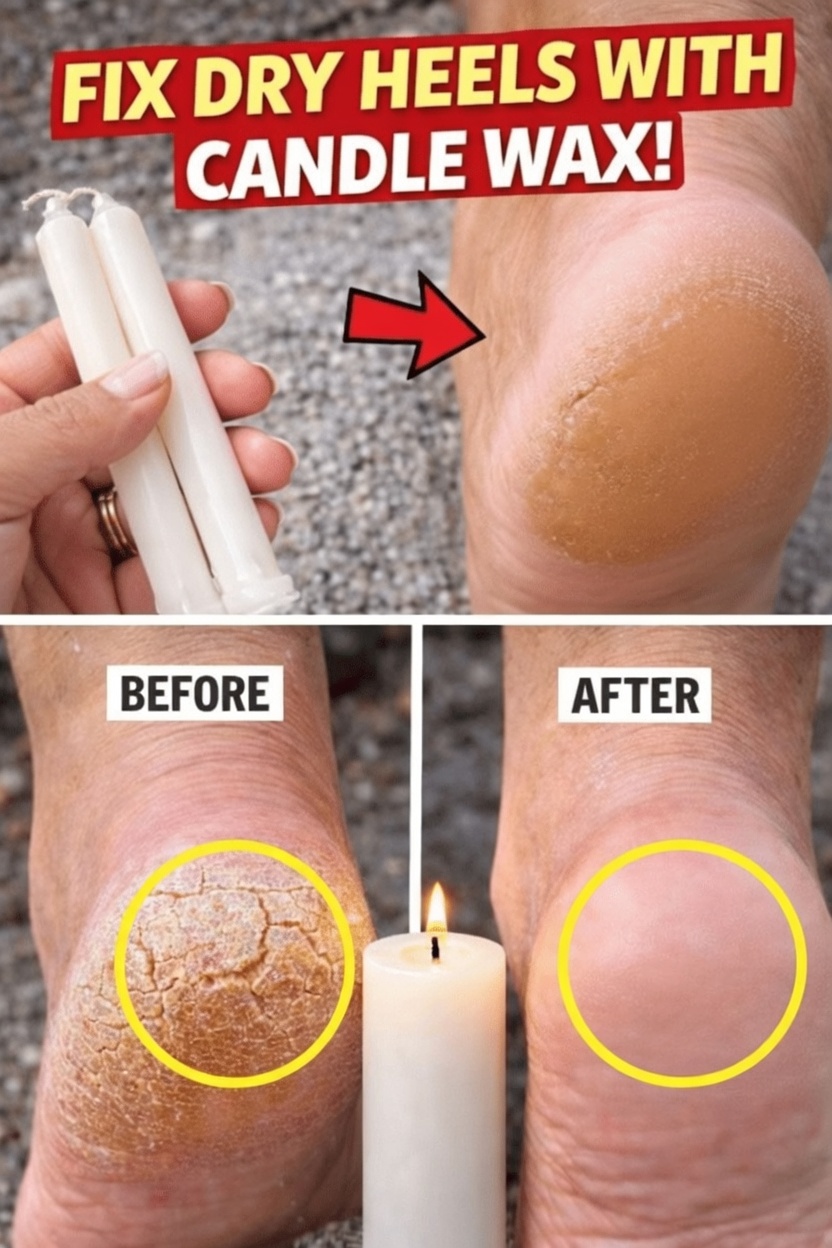
The skin on your heels is naturally thicker than most other areas of your body so it can handle pressure and support your weight. However, it has far fewer oil glands. That means it dries out quickly and struggles to stay flexible.
When this skin loses too much moisture, it becomes rigid and less elastic. As you walk, stand, or bear weight, that tight, dry skin can split, leading to the familiar heel fissures and rough, flaky patches.
Common contributors to cracked heels include:
- Cold, dry weather that strips moisture from the skin
- Long, hot showers or baths that wash away protective oils
- Walking barefoot or frequently wearing open-back shoes or sandals
- Skipping moisturizer after washing or bathing
Over time, these small daily habits can turn mild dryness into visible cracks that may feel tender or sore, especially when standing for long periods.
Why Is Wax Popular for Softening Dry Heels?
Paraffin wax—the smooth, white wax often used in unscented candles—has long been used in spas and clinics as a heat-based moisturizing treatment for hands and feet.
When warmed and applied to the skin, paraffin wax:
- Forms a temporary occlusive layer, helping trap existing moisture
- Creates gentle heat, which can encourage blood flow to the area
- Offers a comforting, spa-like feel that many find relaxing
Research and clinical experience with paraffin therapy suggest it can:
- Soften dry, rough patches
- Improve the feeling of suppleness through warmth and emollient action
- Provide soothing relief for tired, overworked feet
Professional paraffin dips are a common add-on in salon pedicures and podiatry settings for dry skin concerns. At home, people often recreate a simplified version using plain candle wax combined with a skin-friendly oil.
Just remember: results are individual. Think of this method as a supportive, consistent care routine—not a one-time miracle fix.
Step-by-Step: Wax Softening Routine for Cracked Heels
This at-home process is inspired by traditional paraffin treatments but uses basic materials you may already have. Always prioritize safety: carefully test the temperature and avoid this method if you have open cuts, infections, very sensitive skin, or difficulty sensing heat.
What You’ll Need
- 2–3 plain white candles (ideally unscented, uncolored paraffin)
- 1–2 tablespoons of a carrier oil, such as coconut oil, olive oil, or sweet almond oil
- A small heat-safe bowl or a double boiler setup
- Clean cotton socks or plastic wrap
- A pumice stone or gentle foot file (optional, for after the treatment)
Step 1: Prep Your Feet (5–10 Minutes)
- Soak your feet in a basin of warm—not hot—water for about 10 minutes.
- Add a little mild soap if desired to help cleanse and soften the outer layer.
- Gently pat your feet dry with a towel, paying special attention to the heels.
Step 2: Melt the Wax Safely (About 5 Minutes)
- Break the candles into small chunks or grate them for faster melting.
- Place the wax pieces in a heat-safe container and melt using:
- A double boiler (bowl over a pot of simmering water), or
- Short, low-power bursts in the microwave, stirring frequently.
- Once melted, stir in 1–2 tablespoons of your chosen oil.
- Let the mixture cool slightly and test a small drop on your wrist. It should feel pleasantly warm, never hot or painful.
Step 3: Apply the Warm Wax-Oil Blend
- Make sure your heels are clean and completely dry.
- Carefully brush or pour the warm mixture over your heels.
- Build 3–5 thin layers, allowing each one to set briefly before adding the next.
- Cover the cracked areas thoroughly with the wax coating.
Step 4: Seal and Soak In the Moisture
- Wrap your feet in plastic wrap or slip on thick cotton socks.
- Relax for 15–30 minutes while the warmth and occlusive layer help your skin absorb and retain moisture.
Step 5: Remove and Finish the Treatment
- Gently peel or rub off the hardened wax from your heels.
- Massage any remaining oil into the skin for extra softness.
- If you wish, lightly buff your heels with a pumice stone or foot file to remove softened dead skin—be gentle and stop if you feel any discomfort.
Many people notice that with consistent use—around 2–3 times per week—heels feel smoother, more hydrated, and less prone to cracking.
Extra Tips for Long-Term Relief from Cracked Heels
To support and maintain results from your wax routine, combine it with these simple care habits:
-
Moisturize daily
Apply a rich foot cream or heel balm immediately after bathing while the skin is still slightly damp. Look for ingredients like urea, shea butter, glycerin, or hyaluronic acid, which help draw and hold moisture. -
Choose supportive footwear
Wear closed-back shoes with cushioning and a secure fit to reduce friction and pressure on your heels. Limit time in flip-flops and hard, flat soles. -
Overnight hydration boost
At night, apply a generous layer of moisturizer or heel balm, then put on cotton socks. This creates a mild occlusive effect and helps lock in hydration while you sleep. -
Hydrate from the inside
Drink enough water throughout the day. Dehydration often shows up first in your skin, especially in already dry areas like the heels. -
Gentle exfoliation routine
Once or twice weekly, after soaking your feet, use a pumice stone or foot file to gently smooth thickened areas. Never file cracked, bleeding, or inflamed skin.
Wax Routine vs. Basic Moisturizing: How Do They Compare?
-
Wax + oil treatment
- Uses warmth plus an occlusive layer to help trap moisture and enhance softness.
- Feels more like a targeted, spa-style treatment.
-
Regular cream or heel balm
- Ideal for everyday maintenance and prevention.
- Quick to apply, no heat required.
-
Best approach
- Combining both—regular moisturizing plus periodic wax treatments—often works best for ongoing softness and comfort.
Common Questions About Cracked Heels and Wax Treatments
Is a wax heel treatment safe for everyone?
Most people with mild to moderate dryness can safely use this method. However, avoid or be very cautious if you:
- Have diabetes
- Have poor circulation
- Experience reduced sensation in your feet (neuropathy)
- Have open cracks that bleed, visible infection, or severe inflammation
In these cases, heat and home treatments may pose risks. When in doubt, speak with a healthcare professional or podiatrist before trying a wax routine.
How often should I do a wax treatment for dry heels?
A good starting point is 2–3 times per week. Once your heels improve, you can reduce to weekly or occasional sessions for maintenance. Overdoing it, especially without daily moisturizing, can sometimes leave skin feeling drier.
What if my heel cracks are deep or very painful?
Home remedies are best for mild cracking and dryness. If your heels:
- Are deeply split
- Bleed, ooze, or show signs of infection
- Cause significant pain or make walking difficult
you should see a podiatrist or medical professional. You may need specialized care, prescription creams, or treatment for underlying issues.
Can I use any candle for this routine?
For safety and consistency, stick to:
- Plain, white, unscented paraffin candles
Avoid:
- Strongly scented candles
- Colored candles that may contain dyes
- Beeswax or soy candles, which melt differently and may not provide the same effect
Final Thoughts
A warm wax-and-oil treatment can turn basic heel care into a soothing self-care ritual, helping your cracked heels feel softer, smoother, and more comfortable. When you pair this method with daily moisturizing, supportive footwear, and gentle exfoliation, you’re likely to notice steady, long-lasting improvements in how your feet look and feel.
Keep in mind that this is a home care approach, not a medical cure. If your cracked heels are persistent, worsening, or painful, or if you have underlying health conditions, consult a healthcare professional for tailored advice and treatment.