Prazosin Recall: What It Means for Blood Pressure Medication Safety
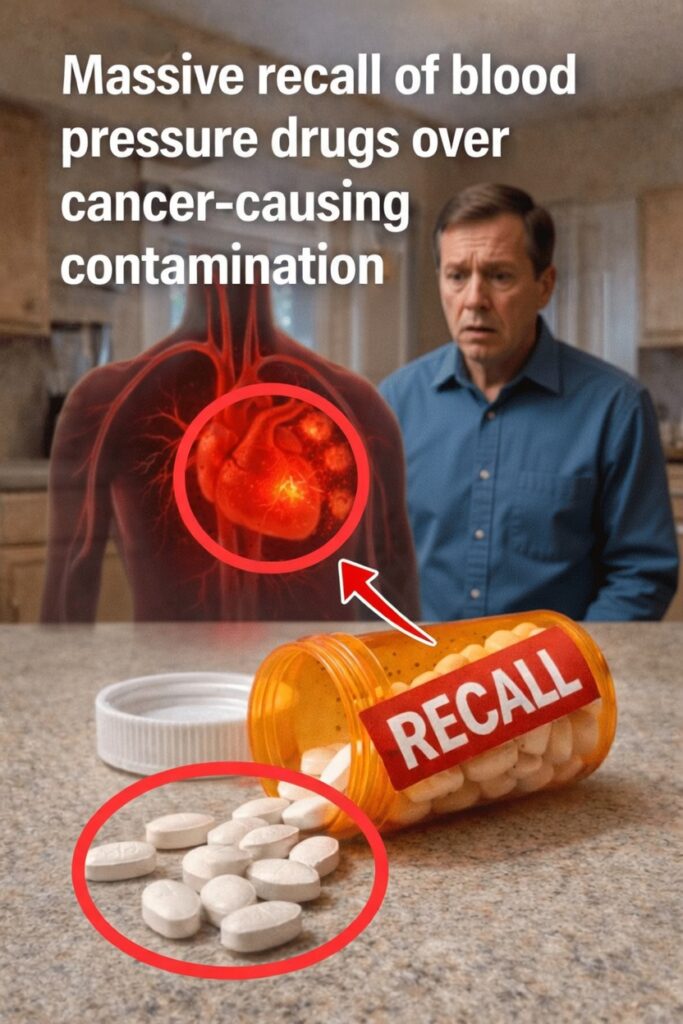
The voluntary recall of more than 580,000 bottles of prazosin hydrochloride, a widely used treatment for high blood pressure, has brought medication safety back into focus. In October 2025, Teva Pharmaceuticals initiated a nationwide recall after quality tests detected elevated levels of nitrosamine impurities—chemicals that, with long-term exposure, may increase cancer risk.
The U.S. Food and Drug Administration (FDA) categorized this as a Class II recall. That classification indicates that use of the affected product might cause temporary or medically reversible health effects, or that the chance of serious harm is unlikely. It does not mean all blood pressure drugs are unsafe, nor does it indicate an urgent, life-threatening danger for most patients currently taking prazosin.
For many people living with hypertension, hearing the words “recall” and “cancer risk” in the same sentence is unsettling. Relying on daily medication requires trust in pharmaceutical manufacturing and regulation, and news like this can understandably undermine that confidence. Regulatory agencies such as the FDA closely monitor nitrosamine levels precisely because even small amounts, taken daily over many years, deserve careful oversight.
The encouraging part: safety systems are in place to detect these problems, remove affected lots, and ensure alternative treatments remain available. Below, you’ll find what happened in the prazosin recall, what nitrosamine impurities are, what to do if you take prazosin or a similar medication, and how to support healthy blood pressure overall.
What Happened in the October 2025 Prazosin Recall?
In early October 2025, Teva Pharmaceuticals USA issued a voluntary recall covering more than 580,000 bottles of prazosin hydrochloride capsules across three strengths:
- 1 mg
- 2 mg
- 5 mg
Some lots distributed by Amerisource Health Services were also included in the action.
Why were these products recalled?
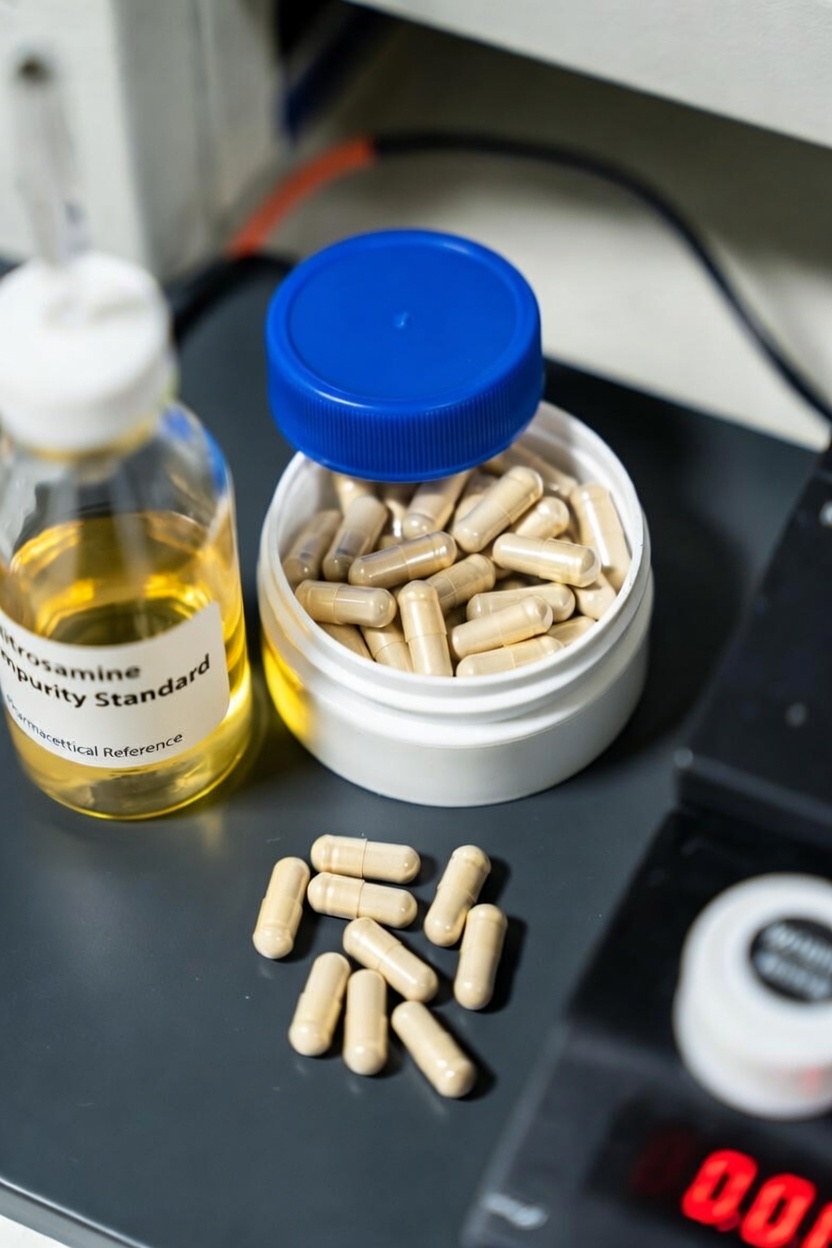
Laboratory analyses found that a specific nitrosamine impurity—identified as N-nitroso prazosin impurity C—exceeded the FDA’s acceptable daily intake threshold. Nitrosamines are a group of compounds that can form during the manufacturing or storage of certain medications. They also exist in trace amounts in the environment and some foods, but higher levels in medicines trigger regulatory intervention because of potential long-term cancer risk.
The FDA’s Class II recall designation means:
- The product may cause temporary or medically reversible side effects, or
- The likelihood of severe adverse health consequences is considered remote.
This is different from a Class I recall, which indicates a reasonable probability of serious health problems or death. In the case of prazosin, the emphasis is on precaution and risk reduction—not emergency withdrawal for every patient.
How widely is prazosin used?
Prazosin is an alpha-blocker that works by relaxing and widening blood vessels, helping lower blood pressure. It is also prescribed off-label for other conditions, such as nightmares associated with post-traumatic stress disorder (PTSD). In the United States, approximately 510,000 patients receive prazosin prescriptions each year, making this recall significant but still limited to particular lots and manufacturers.
This recall is part of a broader pattern: nitrosamine-related safety concerns have appeared in several blood pressure medications over the past decade.
Understanding Nitrosamine Impurities in Blood Pressure Drugs
Nitrosamines—such as NDMA (N-nitrosodimethylamine) and NDEA (N-nitrosodiethylamine)—have been at the center of multiple medication recalls since 2018, when valsartan, losartan, and irbesartan (types of angiotensin II receptor blockers, or ARBs) were found to be contaminated.
These impurities can arise from:
- Changes or shortcuts in manufacturing processes
- Use of certain solvents or reagents
- Inadequate process controls
- Storage conditions that allow chemical reactions to occur over time
Animal studies suggest that many nitrosamines are probable human carcinogens. However, the actual risk to an individual patient depends on dose and duration. For most users, short-term exposure at low levels is considered to carry a very small increase in lifetime cancer risk.
To manage this risk, the FDA and other regulators set strict daily intake limits. For example, the acceptable intake for NDMA in many medications is approximately 96 nanograms per day, designed to keep the estimated lifetime cancer risk around 1 in 100,000 over decades of exposure.
In prazosin’s case, the concern is a nitrosamine related specifically to the drug’s chemical structure. This underscores why ongoing monitoring and testing are essential, especially for generic medications, which make up the majority of prescriptions worldwide.
Recent Blood Pressure Drug Recalls Involving Nitrosamines
Here’s a simplified overview of nitrosamine-related recalls in blood pressure therapies:
-
Prazosin (2025, Teva)
- Scope: Over 580,000 bottles (1 mg, 2 mg, 5 mg)
- Issue: N-nitroso prazosin impurity C above acceptable limits
- Classification: FDA Class II recall
-
Valsartan / Losartan / Irbesartan (2018–2019)
- Scope: Multiple manufacturers and large numbers of lots
- Issue: NDMA, NDEA, and NMBA contamination
- Outcome: Manufacturing processes revised, new quality controls implemented, current supplies produced under tighter standards
-
Other recent examples
- Some beta-blockers and combination blood pressure pills recalled for issues such as cross-contamination with other drugs or manufacturing defects, not necessarily nitrosamines.
Key point: These incidents, while concerning, have led to tighter oversight and improved manufacturing standards across the generic drug industry.
What to Do If You Take Prazosin or a Similar Blood Pressure Medication
Stopping blood pressure medication abruptly can be dangerous. Sudden discontinuation may cause your blood pressure to surge, increasing the risk of stroke, heart attack, or other complications. If you are using prazosin—or any other recalled drug—take the following steps calmly and systematically.
Step-by-step actions
-
Check your medication bottle
- Look at the pharmacy label for:
- Manufacturer (e.g., Teva or Amerisource)
- Strength (1 mg, 2 mg, or 5 mg capsules)
- Lot or batch number
- Compare this information with the latest FDA recall list by visiting fda.gov and searching for “prazosin recall” or checking the FDA’s enforcement reports.
- Look at the pharmacy label for:
-
Contact your pharmacist
- Your pharmacy can quickly determine whether your medication lot is affected.
- They can help arrange:
- Replacement bottles from unaffected lots, or
- A different product if necessary.
-
Speak with your healthcare provider
- Do not make medication changes on your own.
- Ask your doctor about:
- Switching to another alpha-blocker (such as doxazosin), or
- Transitioning to another blood pressure medication class (e.g., ACE inhibitors, ARBs, calcium channel blockers) depending on your overall health and other conditions.
- Your clinician can weigh the small theoretical risk from impurities against the very real risk of uncontrolled hypertension.
-
Monitor your blood pressure at home
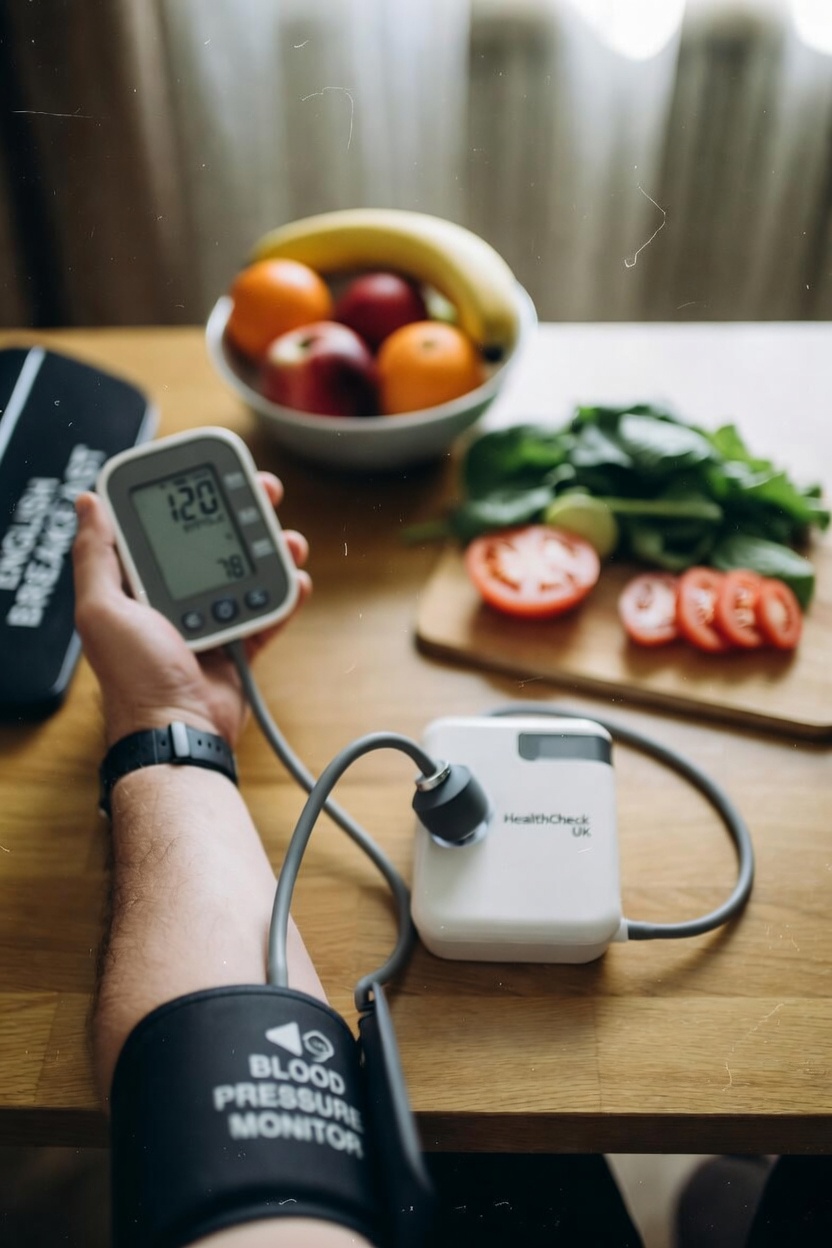
- Use a validated home blood pressure monitor.
- Check your readings regularly (for example, morning and evening).
- Keep a log to share with your healthcare provider, especially if your medication is being adjusted.
-
Stay informed through reliable sources
- Sign up for FDA email alerts or periodically visit:
- fda.gov/drug-safety
- fda.gov/drug-recalls
- Avoid relying solely on social media headlines, which may exaggerate or misinterpret risk.
- Sign up for FDA email alerts or periodically visit:
Many patients who have been affected by similar recalls have transitioned smoothly to alternative medications without significant disruption to their treatment.
Everyday Strategies to Support Healthy Blood Pressure
Medications are essential for many people with hypertension, but lifestyle choices can significantly enhance blood pressure control and reduce overall cardiovascular risk.
Evidence repeatedly shows that the following habits can make a meaningful difference:
-
DASH-style eating pattern
Focus on fruits, vegetables, whole grains, legumes, lean protein (such as fish and poultry), nuts, seeds, and low-fat dairy while cutting back on sodium, ultra-processed foods, and added sugars. -
Regular physical activity
Aim for at least 150 minutes per week of moderate-intensity exercise, such as brisk walking, cycling, or swimming. This level of activity can lower systolic blood pressure by around 5–8 mmHg in many individuals. -
Stress management
Chronic stress affects hormones and blood vessel tone. Practices like deep breathing, short guided meditations, yoga, or even a quiet walk can help. -
Limit alcohol and avoid tobacco
Excessive alcohol and smoking both harm blood vessels and raise blood pressure over time. -
Maintain a healthy weight
Even modest weight loss (5–10% of body weight) is often associated with better blood pressure readings.
To make these changes more manageable, consider using a daily checklist:
Simple Daily Checklist for Blood Pressure-Friendly Habits
- Choose water or unsweetened beverages instead of sugary drinks.
- Add one extra serving of vegetables to your lunch and dinner.
- Take a 10–15 minute walk after a meal, especially in the evening.
- Practice 5 minutes of slow, mindful breathing before bed.
- Track your sodium intake—aim for under 2,300 mg per day, and if you already have hypertension, try to get closer to 1,500 mg per day (or as advised by your clinician).
Small, consistent actions accumulate over time and can help you feel more in control of your health, especially during periods of uncertainty such as drug recalls.
Why Staying Informed Protects Your Long-Term Health
Medication recalls like the prazosin incident highlight that drug safety is a dynamic, continuous process. Regulators and manufacturers regularly review data, test products, and refine manufacturing procedures to keep medications as safe and effective as possible.
If you are worried about your current prescription:
- Reach out to your doctor or pharmacist for individualized guidance.
- Ask questions about risks, alternatives, and how recalls might apply to your specific medication and health situation.
This particular recall involves only specific lots of prazosin from particular manufacturers. The vast majority of blood pressure medications on the market, when produced under proper standards, remain safe and effective tools for managing hypertension.
Frequently Asked Questions
1. Is prazosin the only blood pressure drug recently affected by nitrosamine issues?
No. Nitrosamine contamination has previously led to recalls of several angiotensin II receptor blockers (ARBs), including:
- Valsartan
- Losartan
- Irbesartan
Those recalls (primarily from 2018–2019) prompted major changes to manufacturing processes. Current supplies are produced under updated quality standards designed to minimize nitrosamine formation. The 2025 prazosin recall is a separate, targeted event involving specific lots and a specific impurity.
2. How can I tell if my medication is safe?
- Check the latest information in the FDA recall database on fda.gov.
- Compare your drug’s manufacturer, strength, and lot number to the posted recall details.
- If you are unsure how to interpret this information, ask your pharmacist—they can quickly confirm whether your particular supply is involved and advise on next steps.
3. Should I be afraid of getting cancer from my blood pressure medication?
Regulators set very conservative limits for nitrosamine exposure in medicines. The levels that trigger recalls are generally low, and short-term use at or slightly above those limits is associated with a very small increase in lifetime cancer risk, according to FDA risk assessments.
More immediate and well-established dangers come from untreated or poorly controlled high blood pressure, including heart attack, stroke, kidney damage, and other serious complications. Never stop or change your medication solely out of fear. Instead:
- Discuss your concerns with your healthcare provider.
- Work with them to evaluate your individual risk and, if necessary, move to an alternative medication in a controlled, safe manner.
Staying informed, asking questions, and maintaining open communication with your care team are the most powerful tools you have to navigate recalls and protect your long-term health.