7 Everyday Foods and Drinks to Watch When You’re Taking Amlodipine
If you take amlodipine for high blood pressure, you already understand how important it is to take your medicine regularly. What’s less obvious is that some common foods and beverages can subtly influence how amlodipine works in your body or worsen side effects like swelling, dizziness, or headaches.
These effects are usually not dramatic, but over time they can make your blood pressure control less stable and your day-to-day comfort worse. The upside: a few simple tweaks to your diet can support smoother, more predictable results from your medication.
In this guide, you’ll find 7 common items to be aware of, based on information from reputable health references. Keep reading to the end for practical substitutions and simple habits that can make your routine easier to manage.

Why Your Diet Matters When You’re on Amlodipine
Amlodipine is a calcium channel blocker. It helps relax and widen blood vessels, which supports healthier blood pressure. It can usually be taken with or without food, but certain foods and drinks can:
- Change how fast or how much of the drug is broken down
- Increase drug levels in your bloodstream
- Add extra strain on your heart and circulation
- Exacerbate side effects like ankle swelling, flushing, or fatigue
Some foods contain substances that interfere with enzymes in your gut and liver—especially the CYP3A4 enzyme, which plays a major role in processing many medications, including amlodipine. Others may counteract blood pressure control by causing fluid retention or affecting electrolytes.
Being intentional about what you eat and drink can help you get more consistent benefits from amlodipine with fewer ups and downs.
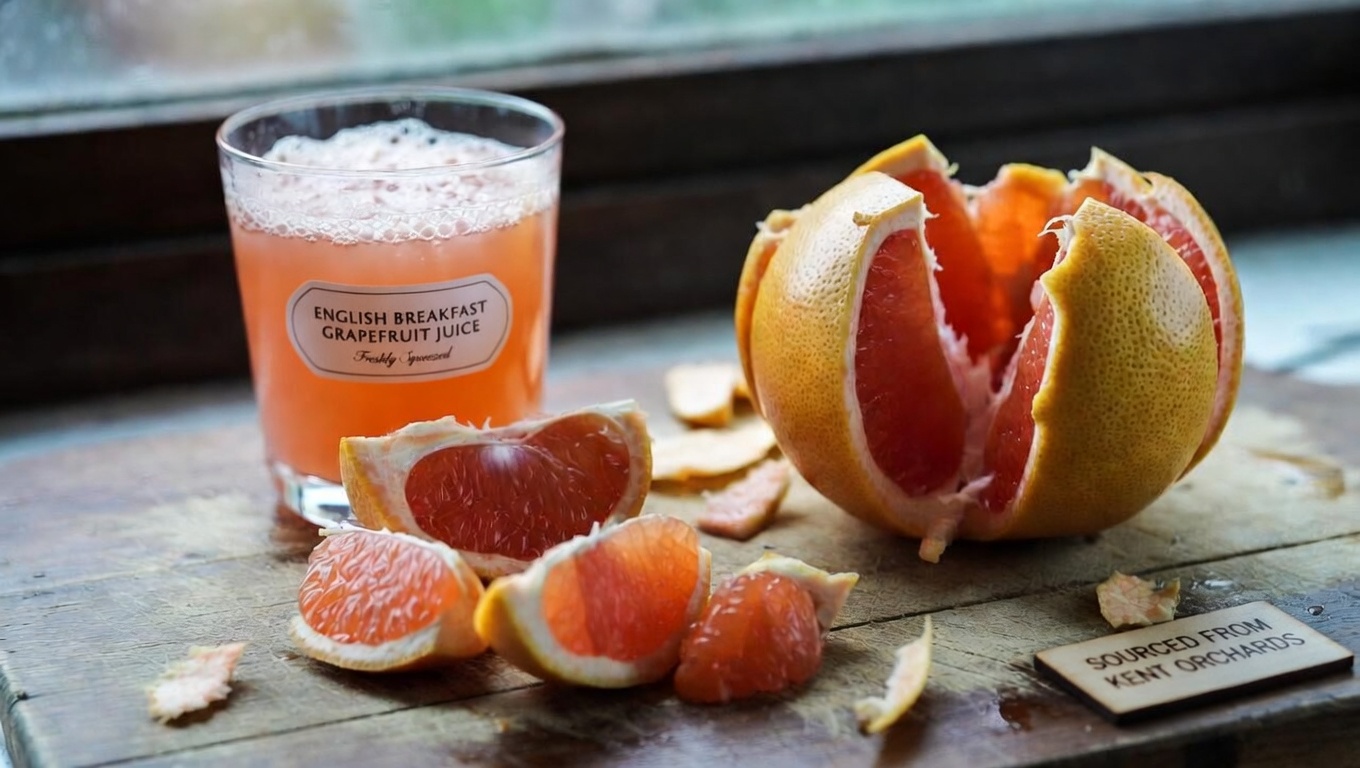
1. Grapefruit and Grapefruit Juice
Grapefruit is one of the best-known food interactions for people on amlodipine. It contains compounds called furanocoumarins, which can partially block the CYP3A4 enzyme responsible for breaking down amlodipine.
When this enzyme is inhibited:
- Amlodipine is cleared more slowly
- Blood levels of the drug can rise
- Side effects like flushing, headaches, or dizziness may become more noticeable
Health organizations, including the NHS, caution that large quantities of grapefruit or grapefruit juice may increase the risk of side effects. This doesn’t mean everyone must avoid it forever, but frequent or large servings—like a big glass of juice daily or half a grapefruit every morning—can matter for some people.
2. Licorice (Black Licorice and Real Licorice Root Products)
Licorice is more than just a candy flavor. Real licorice contains glycyrrhizic acid, a compound found in:
- Black licorice candies made with real licorice extract
- Some herbal teas
- Certain herbal supplements and remedies
Glycyrrhizic acid can:
- Promote salt and water retention
- Lower potassium levels in the body
- Potentially raise blood pressure or blunt the positive effects of medications like amlodipine
Sources such as Drugs.com recommend caution with natural licorice products if you have high blood pressure. If you enjoy licorice-flavored treats, look for products that use anise flavoring or artificial licorice flavor rather than actual licorice root.
3. Processed Foods High in Sodium
Salt-heavy processed foods are a challenge for anyone managing blood pressure, and they can be particularly unhelpful when you’re on amlodipine. Common high-sodium items include:
- Packaged chips and crackers
- Canned soups and instant noodles
- Fast food and many restaurant meals
- Frozen dinners and processed meats (bacon, sausages, deli meats)
Too much sodium causes the body to hold onto extra fluid, which may:
- Worsen ankle or leg swelling (a known possible side effect of amlodipine)
- Increase blood pressure despite medication
- Make you feel puffy or uncomfortable
Health guidelines typically encourage limiting daily sodium intake. Cooking more meals at home and seasoning with herbs, spices, garlic, or lemon instead of salt can make a meaningful difference.
4. Excessive Alcohol
Alcohol and amlodipine both relax blood vessels, so when you drink heavily, their effects can add up. This can lead to:
- A stronger drop in blood pressure
- Lightheadedness when standing up
- Dizziness or feeling “off”
For many people, small to moderate amounts of alcohol are tolerated, but large quantities or binge drinking can be risky. If alcohol is part of your social life:
- Sip slowly and stick to modest amounts
- Alternate alcoholic drinks with water
- Avoid drinking on an empty stomach
If you notice more dizziness or unsteadiness after drinking, talk with your healthcare provider about safer limits for you.
5. Large Amounts of High-Potassium Foods (When Advised by Your Doctor)
Nutrient-rich foods like bananas, avocados, potatoes, tomatoes, and leafy greens (such as spinach) are generally healthy. However, potassium intake can become important if:
- You are also taking other blood pressure or heart medications that affect potassium (such as ACE inhibitors, ARBs, or certain diuretics)
- You use potassium-containing salt substitutes regularly
For most people on amlodipine alone, potassium-rich foods are not a major concern. Still, if your healthcare provider has mentioned watching your potassium levels or if you consume a lot of these foods daily, it’s worth confirming what’s right for your situation.
6. Pomegranate Juice (A Possible Grapefruit-Like Effect)
Pomegranate juice is often seen as a heart-healthy choice, but it may have a similar enzyme-blocking effect to grapefruit in some cases.
Some research suggests that pomegranate juice can:
- Inhibit the same CYP3A4 enzyme involved in amlodipine metabolism
- Potentially increase blood levels of certain medications
Although it is less extensively studied than grapefruit, some reliable sources recommend similar caution. If you drink pomegranate juice regularly, consider mentioning it to your doctor or pharmacist so they can advise you based on your overall medication list.
7. Very High-Fat Meals Around the Time You Take Amlodipine
In general, amlodipine can be taken with or without food, and a normal meal does not significantly change how it’s absorbed. However, extremely rich, high-fat meals—like a very greasy fast-food meal—might:
- Slightly slow down how quickly the medication is absorbed
- Make timing and onset a bit less predictable for some people
You don’t need to avoid fat altogether, but aiming for more balanced meals with a mix of lean protein, healthy fats, and fiber can support overall cardiovascular health and help maintain steadier effects from your medication.
Quick Swap Guide: Foods to Limit and What to Choose Instead
Here are some simple “watch this / choose that” ideas to make your routine easier:
-
Grapefruit or grapefruit juice
→ Choose orange juice, other citrus fruits (like mandarins or clementines), or plain water instead. -
Black licorice or products with real licorice root
→ Go for anise-flavored candies, sugar-free gum, or fruit-flavored snacks that don’t contain licorice extract. -
Salty processed snacks (chips, crackers, instant noodles)
→ Swap for fresh vegetables with a low-sodium dip, unsalted nuts (if appropriate for you), or homemade popcorn with minimal salt. -
Heavy alcohol intake
→ Limit to small, occasional drinks, or enjoy sparkling water with lemon or lime as a refreshing alternative. -
Very high-potassium fruits in large quantities (if advised to limit)
→ Opt for moderate portions or choose lower-potassium options like apples, berries, grapes, or pears when needed.

Practical Steps You Can Start Today
You don’t need a complete diet overhaul to support your amlodipine treatment. These small, realistic steps can help:
-
Read nutrition labels for sodium.
Aim for packaged foods with around 140 mg of sodium or less per serving when you can. -
Ask for adjustments when eating out.
Request sauces and dressings on the side, choose grilled instead of fried options, and skip adding extra salt at the table. -
Revise your breakfast routine.
If you usually have grapefruit, try berries, oranges, or kiwi instead to avoid potential interactions. -
Check herbal products for licorice root.
Scan the ingredient list on herbal teas and supplements, and avoid “licorice root” if you have high blood pressure or are on amlodipine. -
Pay attention to how you feel after meals and drinks.
Notice any patterns with swelling, flushing, dizziness, or fatigue after certain foods or beverages, and bring this information to your next medical visit. -
Stay well hydrated.
Plain water and unsweetened herbal infusions support circulation and may help you feel better overall. -
Discuss your usual diet with your healthcare provider.
Be open about what you typically eat and drink so your doctor or pharmacist can give tailored guidance that fits your lifestyle.
Over time, these modest shifts can make your experience on amlodipine more comfortable and predictable.
Conclusion
Being mindful of these 7 categories—grapefruit, licorice, high-sodium processed foods, alcohol, high-potassium foods (when relevant), pomegranate juice, and very high-fat meals—can help you get the most out of amlodipine while reducing unnecessary side effects.
The goal is not strict restriction, but smart choices that support your medication rather than work against it. With a few thoughtful swaps and some awareness, you can better manage your blood pressure and feel more in control of your day-to-day health.
FAQ
Is it ever safe to have grapefruit while taking amlodipine?
Some people may tolerate small amounts, but regular or large servings of grapefruit or grapefruit juice can increase the risk of side effects by raising amlodipine levels. It’s safest to check with your doctor or pharmacist, especially if you consume grapefruit frequently.
Does amlodipine interact with coffee or other caffeinated drinks?
No major direct interaction between amlodipine and caffeine is widely reported. However, high caffeine intake can temporarily raise blood pressure or cause palpitations in some people, so moderation is generally recommended.
Can I still eat plenty of fruits and vegetables on amlodipine?
Yes. A diet rich in fruits and vegetables is usually encouraged for heart and blood pressure health. Just be cautious with grapefruit (and possibly pomegranate juice), and discuss very high-potassium foods with your healthcare provider if you’ve been advised to watch your potassium levels or are taking other medications that affect potassium.