9 Natural, Drug-Free Remedies for Sinus Infection Relief
Sinus infections can leave you feeling exhausted and uncomfortable—blocked nose, facial pressure, headaches, and that heavy feeling behind your eyes. While antibiotics are sometimes prescribed, they are not always needed, especially when the infection is caused by a virus rather than bacteria. The good news: many natural remedies can ease congestion, reduce pain, and support healing without medication.
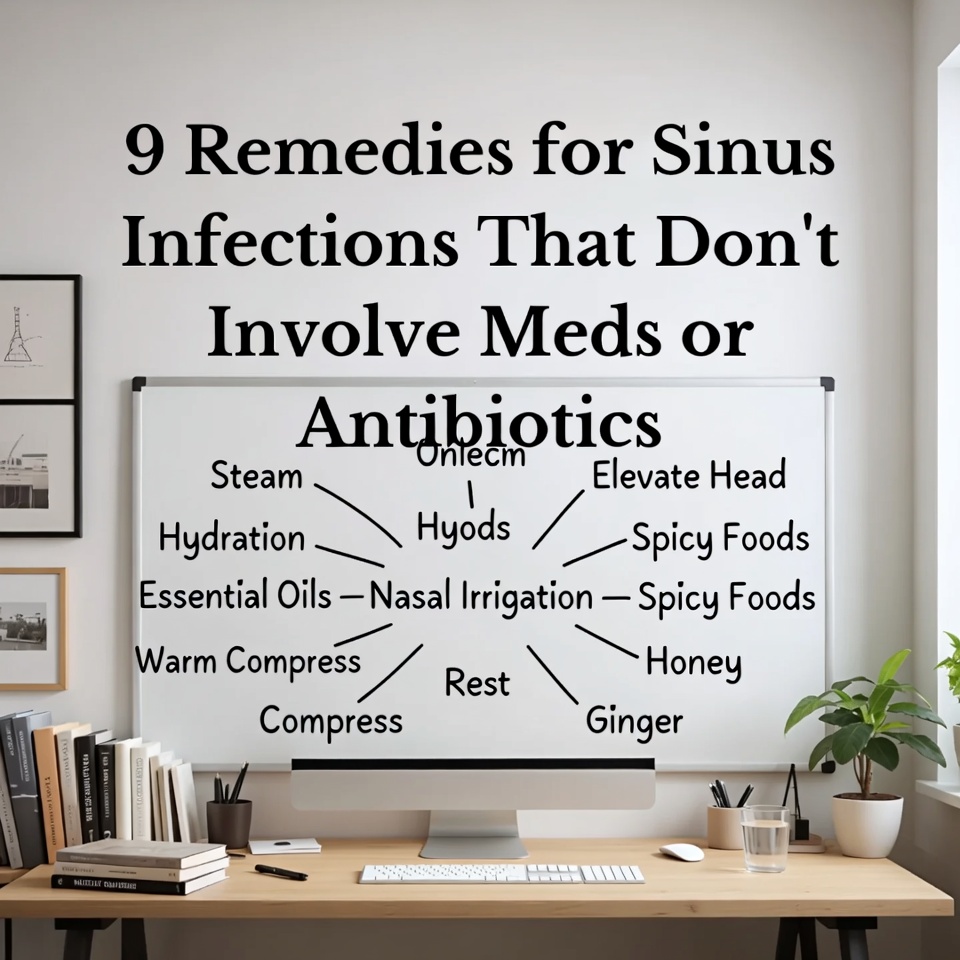
Below are 9 effective, drug-free methods to help clear your sinuses and help you feel better faster.
1. Steam Inhalation
Inhaling warm steam is a simple and powerful way to open clogged nasal passages and reduce sinus pressure. The moisture helps loosen thick mucus so it can drain more easily.
How to do it:
- Boil water and carefully pour it into a large, heat-safe bowl.
- Place a towel over your head to create a tent, lean over the bowl, and breathe in the steam deeply for 10–15 minutes.
- For added relief, add a few drops of eucalyptus or peppermint essential oil to the water.
A hot shower with plenty of steam can offer similar, more convenient relief.
2. Saline Nasal Rinse (Neti Pot)
Rinsing your nasal passages with saline solution helps wash away mucus, allergens, and irritants. This can reduce inflammation and support better drainage from the sinuses.
How to use it:
- Fill a Neti pot or nasal irrigation bottle with saline solution.
- You can buy pre-made saline or mix your own using:
- 1 teaspoon non-iodized salt
- 1/2 teaspoon baking soda
- 1 cup of distilled or previously boiled, cooled water
- You can buy pre-made saline or mix your own using:
- Lean over a sink, tilt your head to one side, and gently pour the solution into one nostril, allowing it to flow out of the other.
Important: Always use distilled, sterile, or previously boiled water to avoid introducing harmful organisms into your sinuses.
3. Warm Compresses
Heat applied to the face can improve blood flow, relieve pressure, and soothe sinus pain.
How to apply:
- Soak a clean washcloth in warm (not hot) water.
- Wring out the excess water and place the cloth over your nose, cheeks, and forehead—where your sinuses are located.
- Leave it in place for 10–15 minutes.
- Repeat several times a day as needed.
For extra benefit, follow with a gentle facial massage along the cheeks, nose, and forehead to encourage drainage.
4. Stay Well Hydrated
Fluids help thin mucus, making it less sticky and easier to clear from your nasal passages and sinuses.
What to drink:
- Plain water
- Herbal teas, such as ginger, chamomile, or peppermint
- Clear broths or light soups
Try to avoid or limit alcohol and caffeinated drinks, as they can contribute to dehydration.
Warm beverages can also soothe an irritated throat caused by postnasal drip.
5. Use a Humidifier
Dry indoor air can worsen sinus congestion and irritation. Adding moisture to the air helps keep your nasal passages from drying out and becoming inflamed.
How to use a humidifier:
- Place a cool-mist or warm-mist humidifier in your bedroom, especially at night.
- Clean and dry the device regularly according to the manufacturer’s instructions to prevent mold and bacteria growth.
If you don’t have a humidifier, placing a bowl of water near a heat source can add some humidity to the air.
6. Eat Sinus-Friendly Foods
Certain foods can naturally support sinus health by reducing inflammation and promoting mucus flow.
Helpful foods to include:
- Spicy foods such as chili peppers, horseradish, or wasabi can temporarily open nasal passages.
- Garlic and onions contain compounds with natural antimicrobial properties.
- Ginger and turmeric are known for their anti-inflammatory effects and may ease sinus pressure.
Try preparing a warm, spicy broth with garlic, ginger, turmeric, and chili for a soothing, sinus-clearing meal.
7. Elevate Your Head While Sleeping
Sleeping flat can cause mucus to collect in your sinuses, increasing pressure and discomfort.
How to adjust your sleeping position:
- Use an extra pillow or a wedge pillow to keep your head elevated above your chest.
- This angle helps promote sinus drainage and can reduce congestion during the night.
- Many people also find that sleeping on their back with the head elevated supports better sinus flow than lying on the stomach.
8. Essential Oils
Certain essential oils may help open nasal passages, reduce inflammation, and ease sinus pain when used correctly.
Common options:
- Eucalyptus oil
- Peppermint oil
- Tea tree oil (melaleuca)
Ways to use them:
- Add a few drops to a bowl of hot water and inhale the steam.
- Dilute a few drops in a carrier oil (such as coconut, jojoba, or olive oil) and gently apply to the chest, temples, or under the nose.
- Use a diffuser to disperse the oil into the air for continuous, gentle inhalation.
Caution:
Always dilute essential oils before applying to the skin, and perform a patch test on a small area to check for irritation. Avoid ingesting essential oils unless under guidance from a qualified professional.
9. Get Enough Rest
Your immune system needs adequate rest to fight off infection. Prioritizing sleep and downtime can help shorten the duration of symptoms and support faster recovery.
Tips for better rest:
- Keep your bedroom cool, dark, and quiet.
- Avoid screens (phones, tablets, TVs) for at least 30–60 minutes before bed.
- Try relaxation techniques such as deep breathing, gentle stretching, or meditation to help you unwind.
When to See a Doctor
While natural remedies can be very helpful, some sinus infections require medical treatment. Contact a healthcare professional if you notice:
- Symptoms lasting longer than 10 days with little or no improvement
- High fever, severe headache, or noticeable swelling around the eyes or face
- Changes in vision, confusion, or difficulty thinking clearly
- Symptoms that initially improve but then suddenly get worse again
These signs may indicate a more serious infection or complication that could require antibiotics or other medical care.
Final Thoughts
Sinus infections can be extremely uncomfortable, but you don’t always need antibiotics to find relief. By combining these natural, drug-free strategies—like steam inhalation, saline rinses, hydration, and rest—you can ease congestion, reduce pain, and support your body’s healing process.
If your symptoms persist or worsen, be sure to seek medical advice to rule out more serious issues and get the treatment you need.