
Papaya Seeds: The Tiny Ingredient Most People Throw Away
Most of us scoop out the small black seeds from a ripe papaya and send them straight to the trash, never realizing they’ve been used in traditional wellness practices for generations. Meanwhile, everyday issues like bloating, irregular digestion, and gut discomfort are incredibly common—and many people are looking for simple, natural ways to support their digestive health.
Papaya seeds are one such option. These often-discarded seeds are packed with nutrients and plant compounds that may gently support everyday wellness, especially when it comes to digestion.
What if those little seeds you usually toss could actually become a useful staple in your kitchen? Keep reading—near the end, you’ll find a surprisingly easy way to use them.

Why Papaya Seeds Are Nutritionally Interesting
Papaya seeds are far more than just by-products of the fruit. They’re dense in nutrients and bioactive compounds that have caught the attention of researchers and traditional healers alike.
Key nutritional elements in papaya seeds include:
- Fiber – Helps promote regular bowel movements and supports gut health.
- Healthy fats – Provide a small dose of beneficial fats for overall wellness.
- Antioxidant plant compounds – Such as polyphenols and flavonoids that help protect cells from oxidative stress.
Scientific analyses of papaya seeds have identified several bioactive compounds, including benzyl isothiocyanate, which has shown interesting effects in laboratory studies. While this research is still early, it supports why these seeds have been valued in traditional practices.
On top of that, papaya seeds have a sharp, peppery taste, somewhat similar to black pepper or mustard seeds. This makes them useful not only as a wellness-focused ingredient but also as a flavorful spice you can sprinkle into everyday dishes.
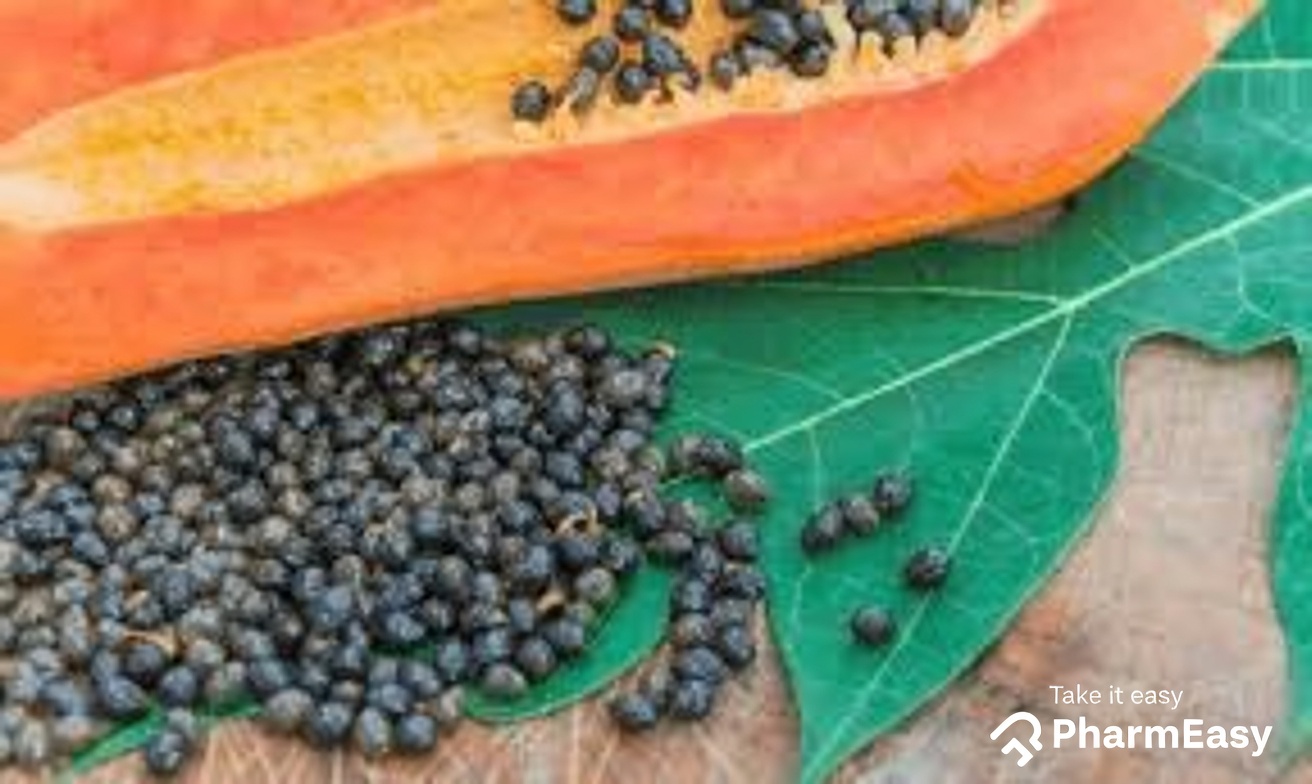
How Papaya Seeds May Support Digestive Health
When people talk about the benefits of papaya seeds, digestion is usually the first thing that comes up. Their fiber and unique plant compounds make them a natural candidate for supporting gut comfort and regularity.
How papaya seeds may support digestion:
-
Natural fiber boost
The fiber in papaya seeds helps support regular bowel movements and can assist in easing occasional constipation by keeping things moving through the digestive tract. -
Traditional gut support
In many tropical regions, papaya seeds have long been used in home remedies aimed at supporting digestive comfort and intestinal balance. -
Preliminary research on intestinal health
Small human studies have looked at papaya seeds for maintaining a healthy intestinal environment.
One pilot study in children used air-dried papaya seeds in a simple preparation and found beneficial changes in stool samples related to common parasites in certain areas. This suggests a low-cost, natural strategy that deserves further research. -
Antioxidant support for the gut
Antioxidant compounds in papaya seeds may help reduce everyday oxidative stress, which can also influence digestive health.
It’s important to keep in mind that much of this research is early and often involves small sample sizes or specific populations. Larger, well-designed human studies are still needed to confirm these potential benefits.
Antioxidant and Protective Properties of Papaya Seeds
Another reason papaya seeds are attracting attention is their antioxidant activity. Antioxidants help neutralize free radicals—unstable molecules that can damage cells over time.
Laboratory and animal studies suggest that extracts from papaya seeds may help protect cells from this kind of oxidative damage.
- One study using water extracts of papaya seeds showed a protective effect against oxidative stress in human skin cells in a lab setting.
- The seeds contain phenolic compounds and small amounts of vitamin C, which may support the health of organs like the liver and kidneys by promoting better cellular resilience.
While human data is still limited, this potential protective effect helps explain why some people feel more energized and balanced when they add nutrient-rich, antioxidant foods—like papaya seeds—to their diet.
Other Promising Benefits from Early Research
Beyond digestion and general antioxidant support, early research points to some additional areas where papaya seeds might play a role in wellness.
Emerging areas of interest include:
-
Antimicrobial activity
Test-tube studies have found that papaya seed extracts can act against certain bacteria and fungi. This doesn’t mean they function as medicine, but they may help support overall microbial balance in the body. -
Everyday inflammatory response
Some bioactive compounds in the seeds appear to influence pathways related to inflammation, which could be relevant for managing everyday, low-grade inflammatory processes. -
Liver and kidney support (in animals)
In some animal models, papaya seeds have shown potential protective effects on the liver and kidneys, likely due to their antioxidant properties.
These findings are encouraging, but they are still early-stage. Papaya seeds should be seen as a complementary food within a balanced lifestyle—not a cure-all.
Papaya Fruit vs. Papaya Seeds: How Do They Compare?
Both the sweet orange flesh and the tiny black seeds of the papaya offer unique benefits. Understanding the difference can help you use the whole fruit more intentionally.
-
Papaya Fruit
- Flavor: Sweet, juicy, and refreshing
- Nutrients: High in vitamin C, vitamin A (from beta-carotene), and water
- Best for: Quick energy, hydration, skin health, and overall immune support
-
Papaya Seeds
- Flavor: Sharp, peppery, slightly bitter
- Nutrients: Higher in fiber, healthy fats, and unique phytochemicals
- Best for: Occasional digestive support and as a spice-like flavor enhancer
-
How to use both together
- Enjoy the fruit as a snack, in smoothies, or in fruit salads.
- Use the seeds in small amounts to add a zesty kick to meals and to experiment with their potential digestive and antioxidant benefits.
Together, they show how the entire papaya—pulp and seeds—can contribute to a well-rounded, nutrient-rich diet.
How to Prepare and Use Papaya Seeds in Your Routine
If you’re curious about the benefits of papaya seeds and want to try them for digestion or flavor, start with small amounts. A little goes a long way, both in taste and in how your body responds.
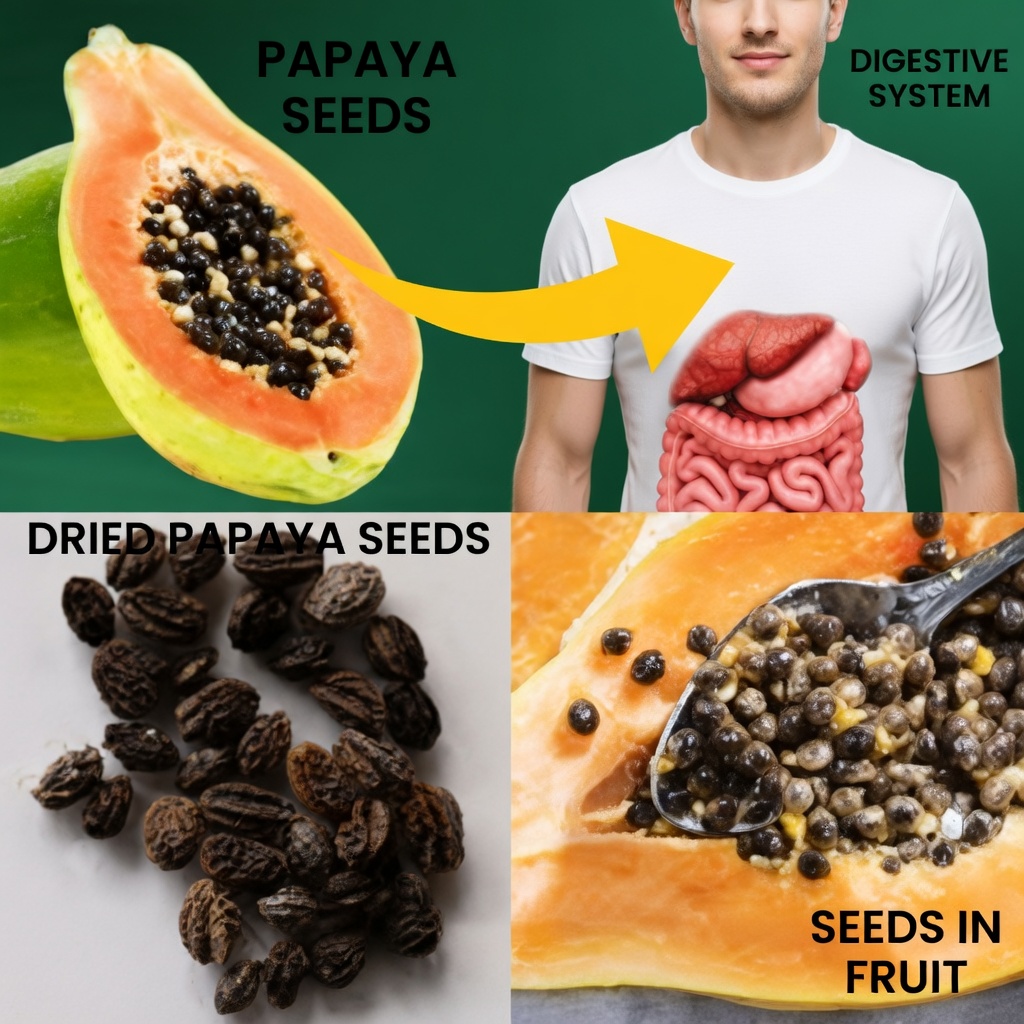
Step-by-Step: How to Prepare Papaya Seeds
-
Scoop
Remove the seeds from a ripe papaya and place them in a bowl. -
Rinse
Rinse under cool water to wash away any clinging fruit pulp. -
Dry
Pat the seeds dry with a paper towel. -
Air-dry or low-heat dry
- Spread in a single layer on a plate or tray.
- Let them air-dry for 2–3 days until crisp,
or - Dry them in a low oven at about 150°F (65°C) for a few hours.
-
Grind
Once fully dry, grind a small handful in a spice grinder or with a mortar and pestle to make a coarse powder. -
Store
Keep the ground seeds in an airtight jar in a cool, dry place. Use within about a month for best flavor and potency.
Easy Ways to Add Papaya Seeds to Your Diet
(Start with about 1 teaspoon per day)
-
On salads
Sprinkle ground papaya seeds over salads for a peppery, slightly spicy touch. -
In smoothies
Add a small amount to fruit smoothies; the natural sweetness helps mask any bitterness. -
With yogurt or oatmeal
Stir into yogurt, overnight oats, or warm oatmeal for extra texture and nutrients. -
Honey-and-seed mixture
Combine ground papaya seeds with honey for a convenient, traditional-style mixture that’s easy to take by the spoon. -
As a seasoning
Use them like black pepper over soups, roasted vegetables, or savory dishes.
Always begin with a small dose, observe how your body responds, and increase gradually only if you feel comfortable.
Important Safety Notes and Who Should Avoid Papaya Seeds
While papaya seeds are generally considered safe in modest amounts for most healthy adults, they are not suitable for everyone.
Use caution or avoid papaya seeds if:
- You are pregnant or breastfeeding – There is not enough reliable safety data, so it’s best to avoid them.
- You have a latex allergy – Papaya (including the seeds) can cross-react with latex in some sensitive individuals.
- You are taking certain medications, such as blood thinners – Always consult a healthcare professional before adding concentrated new foods or herbs.
- You have a sensitive digestive system – The seeds may be too intense and could lead to discomfort.
Consuming too many papaya seeds can cause stomach upset, so moderation is essential. For most adults, staying around 1–2 teaspoons per day is a sensible upper range unless guided otherwise by a professional.
Conclusion: A Simple, Accessible Addition to Everyday Wellness
Papaya seeds turn an often-discarded part of the fruit into a nutrient-rich, multifunctional ingredient. Used in small amounts, they may:
- Support digestive regularity
- Provide antioxidant compounds that help protect cells
- Add a punchy, peppery flavor to everyday meals
By thoughtfully incorporating papaya seeds into your routine, you might discover an easy habit that supports your wellness without requiring major changes to your lifestyle.
And the “secret” mentioned earlier? That honey-and-seed mixture inspired by traditional practices—simple, affordable, and a practical place to start if you’re curious about natural, food-based support for your gut.
Frequently Asked Questions About Papaya Seeds
Are papaya seeds safe to eat every day?
For most healthy adults, small amounts—around 1 teaspoon per day—appear to be well-tolerated. However, everyone is different. Listen to your body and avoid large quantities to reduce the risk of digestive discomfort.
What do papaya seeds taste like, and how can I make them more enjoyable?
Papaya seeds have a sharp, peppery, slightly bitter flavor, similar to black pepper with a hint of mustard. To make them more palatable, grind them and mix with honey, blend into fruit smoothies, or stir into yogurt so the sweetness balances the bitterness.
Can papaya seeds replace medical treatment for digestive problems?
No. Papaya seeds are a supportive food, not a medical treatment. They should never replace professional care or prescribed medications. If you have ongoing digestive issues or other health concerns, consult a qualified healthcare provider rather than relying solely on home remedies.