A Simple Guava Leaf Drink for Daily Wellness Support
Many adults find that, over time, their energy is not quite what it used to be. Legs may feel tired more easily, the body can seem heavier, and routine activities may take more effort than before. Issues like puffiness, sluggish movement, concerns about blood sugar, or worry about fat buildup in the liver often lead people to look for gentle, natural ways to feel better day to day.
One traditional option that has gained growing attention is the guava leaf. Taken from a tropical tree used for generations in folk practices, these leaves can be prepared as a light, refreshing homemade drink. In this article, you’ll learn what guava leaves are, why they are being discussed in wellness communities, how to make guava leaf tea safely, and how to add it to your routine in a practical way.
Why Guava Leaves Are Drawing Interest
Guava leaves come from the Psidium guajava tree, which is widely known for both its fruit and its traditional uses. The leaves naturally contain plant compounds such as flavonoids, polyphenols, and antioxidants. These substances have been examined in research for their possible role in supporting overall metabolic health.
Some laboratory and animal studies suggest that guava leaf compounds may affect how the body handles carbohydrates and fats. Researchers have explored whether these leaves can influence enzymes involved in sugar digestion and whether they may help support healthy insulin function under experimental conditions.
There is also increasing interest in their possible connection to liver wellness. Early findings indicate that guava leaf extracts may assist the body in managing fat metabolism more efficiently. Some scientific discussions point to adiponectin-related pathways, which are linked to fat burning and metabolic regulation.
What Current Research Suggests
It is important to look at the evidence carefully and avoid exaggerated claims. Several preclinical studies have tested guava leaf extracts and found promising results. In certain animal experiments, subjects given guava leaf preparations showed better blood sugar markers and less fat accumulation in liver tissue than control groups.
Other studies have suggested that guava leaves may help reduce spikes in blood glucose after meals by slowing or moderating the way carbohydrates are processed. This is one reason they continue to attract interest among both researchers and people focused on natural wellness habits.
Human evidence is still limited, but a few small and short-term observations involving guava leaf tea have reported mild support for metabolic balance when the tea is used along with a healthy diet. These findings are encouraging, but they are not a replacement for core lifestyle habits.
Individual results can differ widely. Nutrition, exercise, sleep quality, hydration, and stress levels remain the true foundation of long-term wellness.
Commonly Discussed Benefits of Guava Leaf Tea
People often turn to guava leaf drinks for several wellness-related reasons:
-
Support for everyday energy and comfort
Some individuals say they feel lighter and less sluggish when antioxidant-rich herbal drinks become part of their routine. -
Help with metabolic balance
Natural compounds in guava leaves may support a steadier response to carbohydrate intake. -
Liver and fat-processing support
Early research suggests the leaves may assist healthy fat metabolism while helping reduce oxidative stress. -
Antioxidant activity
Their polyphenol content may help protect the body from daily oxidative strain. -
Digestive support
In traditional practices, guava leaves have also been used to promote digestive comfort.
How to Make Guava Leaf Tea at Home
Preparing a guava leaf drink is simple and does not require many ingredients. You can use either fresh or dried leaves.
Ingredients and Supplies
- 2 to 3 cups of filtered water
- 6 to 8 fresh guava leaves, or 1 to 2 teaspoons of dried leaves per cup of water
- A small pot
- A strainer
- Optional: lemon or honey
Step-by-Step Instructions
-
Choose and clean the leaves
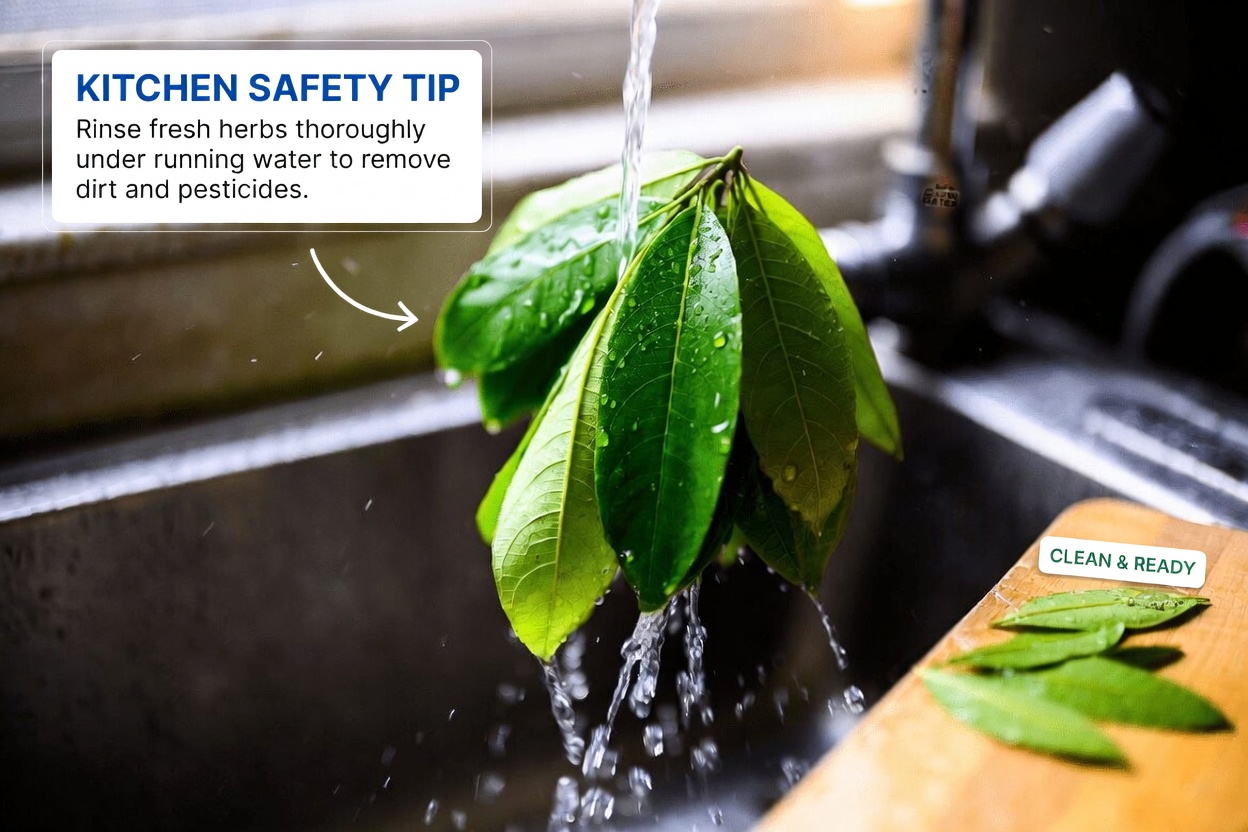
If you are using fresh guava leaves, select young, healthy green leaves and rinse them thoroughly under running water. If you are using dried leaves, make sure they come from a reliable source. -
Heat the water
Pour 2 to 3 cups of filtered water into a pot and bring it to a gentle boil. -
Add the leaves
Place the fresh or dried guava leaves into the hot water. -
Simmer slowly
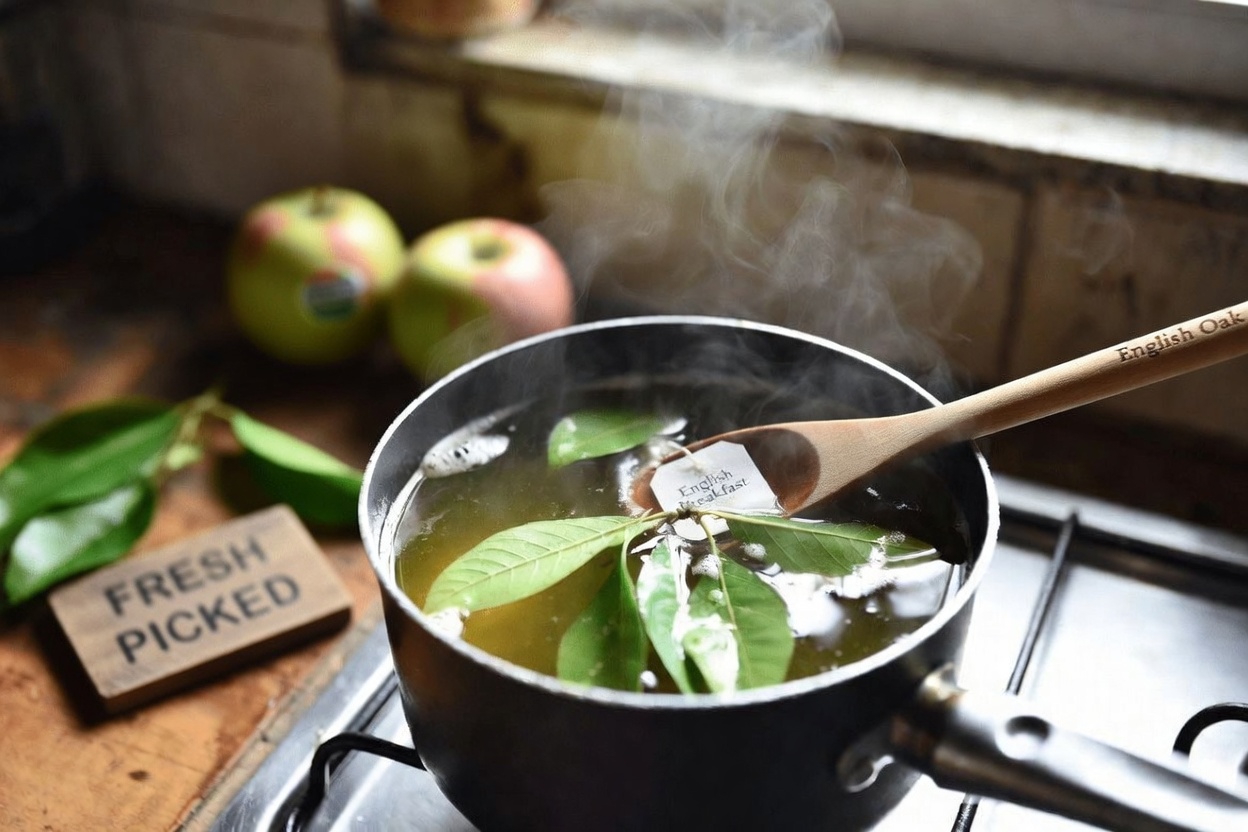
Lower the heat and let the mixture simmer for about 8 to 12 minutes. The liquid should begin to turn pale golden or slightly green. -
Let it steep
Remove the pot from the heat, cover it, and allow the tea to steep for another 5 minutes. -
Strain and serve
Strain the liquid into a cup or jar. -
Adjust the flavor if desired
You can drink it warm, or let it cool and pour it over ice. A little fresh lemon juice or a small amount of honey can improve the taste while keeping it light.
Many people like to drink one cup in the morning before breakfast or later in the day as a calming evening beverage. If you are new to it, begin with a smaller serving and see how your body responds.
Easy Ways to Make the Habit More Enjoyable
If you want to use guava leaf tea consistently, a few simple habits can help:
-
Attach it to an existing routine
Drink it with breakfast or during your evening wind-down so it becomes easier to remember. -
Use high-quality leaves
Organic or pesticide-free leaves are ideal when available. If you have a sunny space, growing a guava plant at home can be a practical option. -
Store leaves correctly
Fresh leaves can stay in the refrigerator for several days. Dried leaves should be kept in an airtight container away from heat and direct sunlight. -
Try safe flavor variations
Once cooled, the tea can be added in small amounts to a smoothie with guava fruit, mint, and lime for a tropical taste.
Different Preparation Methods
There is more than one way to enjoy guava leaves. Here are a few common options:
-
Hot infusion
Best for a daily tea ritual and a gentle herbal flavor. -
Cold brew
Soak the leaves in cool or room-temperature water overnight in the refrigerator for a lighter, smoother taste. -
Concentrated tea
Prepare a stronger batch, then dilute it throughout the day for convenience.
Wellness Support Beyond the Drink
A guava leaf beverage can be a helpful addition to a balanced lifestyle, but it works best as one piece of a bigger picture. To support your health more effectively, focus on these basics:
- Eat more whole foods, including fiber-rich vegetables, fruit, lean protein, and healthy fats.
- Stay physically active with regular movement, even if that means short daily walks.
- Drink enough water and aim for restful, consistent sleep.
- Reduce stress with simple breathing practices, stretching, or time outdoors.
Natural drinks are most useful when paired with everyday habits that support the body as a whole.
Frequently Asked Questions About Guava Leaf Tea
How often can you drink guava leaf tea?
Many people choose to have 1 to 2 cups per day. It is a good idea to pay attention to how you feel and adjust as needed. Some people also prefer to take occasional breaks rather than using it continuously.
Is guava leaf tea safe for everyone?
In moderate amounts as a beverage, guava leaf tea is generally considered well tolerated by many people. However, if you take medication for blood sugar or any ongoing medical condition, it is best to speak with a healthcare professional first. Natural products can sometimes interact with medications.
Can guava fruit be used instead of the leaves?
Guava fruit has its own nutritional value, especially because it provides vitamin C and fiber. However, the leaves contain higher levels of certain bioactive compounds that have been studied for metabolic support. Both the fruit and the leaves can fit into a healthy diet.
What does guava leaf tea taste like?
The flavor is mild, herbal, and slightly bitter, with an earthy quality. For beginners, adding a little lemon or a touch of honey can make it easier to enjoy.
Final Thoughts
Adding a guava leaf drink to your daily routine is a simple and affordable way to explore a traditional wellness practice that is now receiving growing scientific attention. Many people enjoy not only the refreshing taste, but also the calming pause it creates in a busy day.
That said, no tea or herbal drink should be seen as a substitute for medical guidance or a healthy lifestyle. The most meaningful results usually come from small, steady choices made over time.