
A Gentle Herbal Infusion for Fluid Balance and Everyday Comfort
Occasional discomfort in the lower back or along the sides of the body is common and can be linked to everyday issues such as mild dehydration, diet, or general fluid imbalance. When this happens, you may feel puffy, sluggish, and irritable, and even simple daily tasks can become more tiring than usual.
While ongoing or severe symptoms always require medical evaluation, many people also look to traditional herbal options for gentle day‑to‑day support. Among the most accessible are simple kitchen herbs that have attracted interest from both folk practices and modern researchers.
This guide explores a light, refreshing infusion made from parsley and celery—how it’s traditionally used, what current science suggests, and how you can prepare and enjoy it as part of a balanced wellness routine.

Why Parsley and Celery Deserve a Place in Your Wellness Routine
Parsley (Petroselinum crispum) and celery are often treated as mere garnish or salad extras, but both are nutrient-rich plants with a long history in culinary and traditional health practices.
- Parsley is packed with vitamins, antioxidants, and plant compounds that can support the body’s natural detoxification and fluid-regulation processes.
- Celery offers high water content and unique phytochemicals that may support circulation, relaxation of blood vessels, and general hydration.
Research, including animal and laboratory studies, suggests that parsley may have mild diuretic properties, helping increase urine output and contributing to more balanced fluid levels in some contexts. In controlled settings, parsley extracts have been shown to affect urine volume and composition, although more human data are needed.
Celery, rich in water and compounds such as phthalides, may help with vascular relaxation and support overall organ function indirectly by promoting better blood flow and hydration.
Together, these herbs align with traditional approaches that emphasize gentle cleansing and fluid balance, though scientific evidence in humans is still emerging and should be viewed as supportive—not definitive.
Science-Linked Benefits of a Parsley and Celery Infusion
A parsley and celery drink is not a cure-all, but several potential benefits are backed by early research and nutritional data.
1. Mild Diuretic Effects
Parsley has been investigated for its ability to promote diuresis (increased urine production). Proposed mechanisms include:
- Influencing the sodium–potassium balance in the kidneys
- Increasing urine flow without causing major changes in electrolyte levels in some experimental models
This mild diuretic action may help support healthy fluid turnover and balance when used appropriately.
2. Antioxidant Support
Both parsley and celery are rich in antioxidants, particularly flavonoids and other phytonutrients that help combat oxidative stress.
- Parsley contains flavonoids such as apigenin, which may help protect cells from free radical damage.
- Celery provides various antioxidant compounds that can support the health of tissues involved in filtration and circulation.
Reviews of these herbs suggest that their antioxidant content may help support overall cellular health, including organs involved in detoxification.
3. Hydration and Nutrient Boost
Celery is about 95% water, making it a naturally hydrating vegetable. Combined with parsley’s dense nutrient profile, the infusion can offer:
- Enhanced fluid intake
- A source of vitamins and minerals that contribute to everyday wellness
Traditional healing systems from regions such as the Mediterranean and the Amazon have long incorporated similar plants into herbal waters and infusions. These practices focus on supporting the body’s natural cleansing processes without relying on synthetic aids.
How to Prepare a Simple Parsley and Celery Infusion at Home
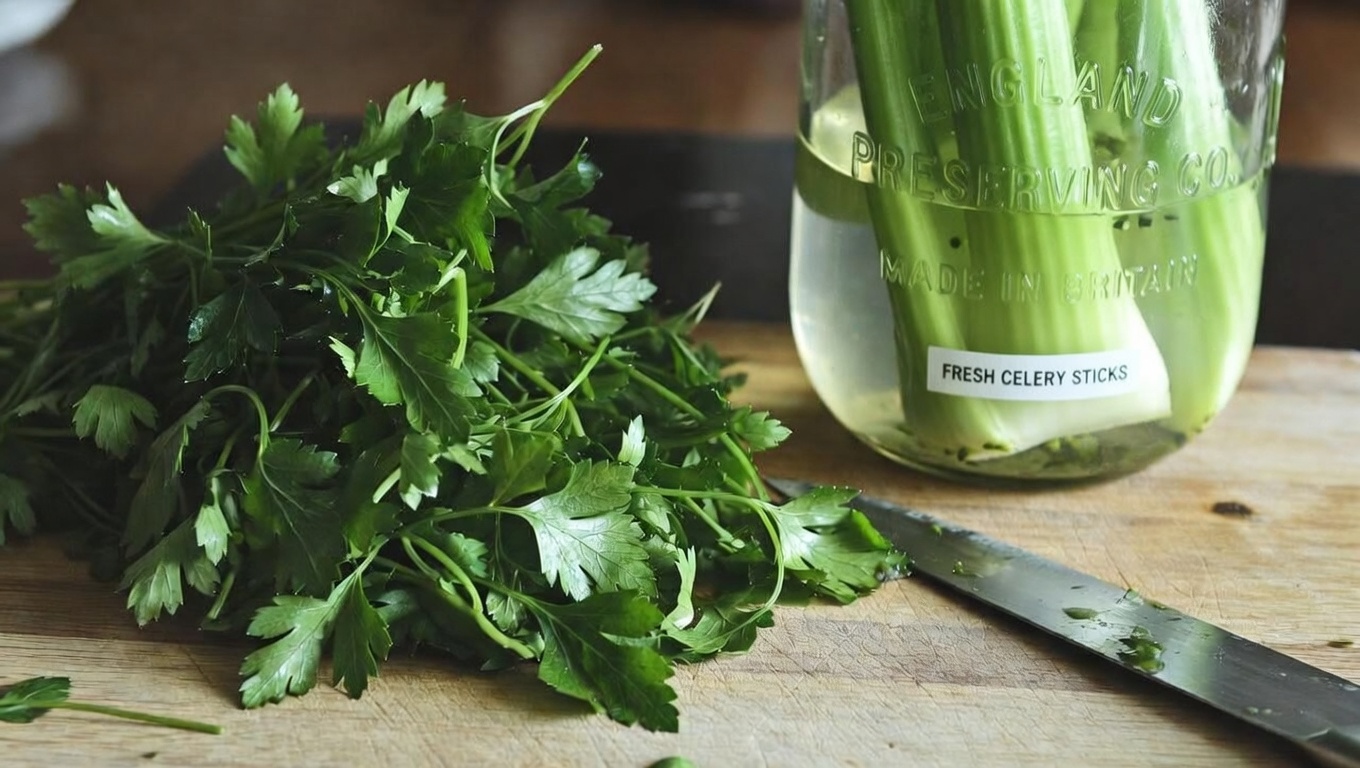
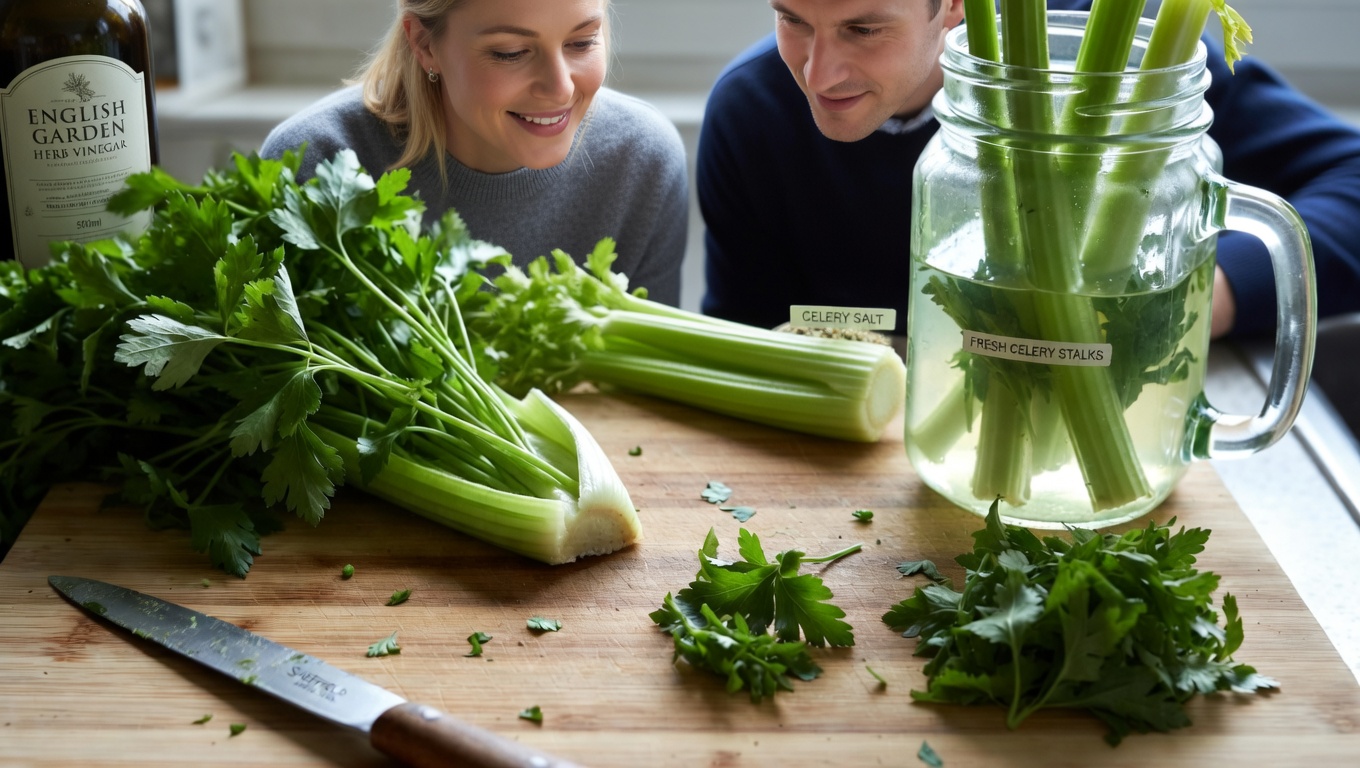
You don’t need special tools or advanced skills to create this herbal drink. With a few fresh ingredients, you can make about 1 liter of a light, refreshing infusion.
Ingredients (Makes ~1 Liter)
- 1 large handful of fresh parsley leaves and stems (about 1 bunch)
- 2–3 celery stalks, chopped
- 1 liter of filtered water
- Optional: juice from a slice or wedge of fresh lemon for extra flavor and vitamin C
Step‑by‑Step Instructions
-
Rinse the herbs and vegetables
Wash the parsley and celery thoroughly under running water to remove dirt and residue. -
Prepare the ingredients
- Chop the celery stalks into small pieces.
- Roughly tear or chop the parsley; precision is not necessary.
-
Combine with water
Place the parsley and celery into a pot and pour in 1 liter of filtered water. -
Heat gently
Bring the mixture to a gentle boil, then reduce to a low simmer. -
Simmer
Let it simmer for 10–15 minutes to allow the beneficial compounds to infuse into the water. -
Steep off heat
Turn off the heat and let the mixture stand for an additional 10 minutes. -
Strain
Pour the liquid through a strainer into a clean jar or pitcher. Discard or compost the solid herbs and celery pieces. -
Cool and store
Allow the infusion to cool. Store in the refrigerator and use within 1–2 days for best freshness. -
How to drink
- Enjoy 1–2 cups per day.
- Many people prefer one cup in the morning, potentially on an empty stomach, and another later in the day.
Begin with smaller amounts to see how your body responds, and always choose fresh, good-quality herbs for optimal taste and benefit.
Key Nutrients in Parsley and Celery: A Quick Snapshot
Understanding what’s inside these herbs helps explain why they’re popular in both nutrition and herbal wellness circles.
Parsley (per 100 g fresh)
- Extremely high in vitamin K (well over 1000% of the daily value)
- Rich in vitamin C (around 133% of the daily value)
- Provides vitamin A, folate, and other micronutrients
- Very low in calories
- Contains flavonoids such as apigenin, known for antioxidant activity
Celery (per 100 g fresh)
- Excellent hydration source due to very high water content
- Provides potassium, vitamin K, and folate
- Contains phthalides and other antioxidant compounds
- Low in calories, making it easy to add to daily meals and drinks
Both plants are nutrient-dense while being light in calories, so they fit well into most balanced eating plans without adding heaviness or excess energy intake.
Safety Considerations: Who Should Be Cautious?
Parsley and celery are widely consumed as foods and are generally considered safe in culinary amounts. However, using them more regularly as a concentrated infusion calls for moderation and awareness.
Points to Keep in Mind
-
Parsley and kidney concerns
In larger, therapeutic doses, parsley may impact fluid balance. Individuals with kidney issues or those instructed to control fluid or potassium intake should avoid heavy or long-term use without medical guidance. -
Celery allergies
Celery can trigger allergic reactions, especially in people who are sensitive to related plants such as carrots, fennel, or certain pollens. Symptoms can range from mild itching to more serious reactions. -
Increased urination
Because of potential mild diuretic effects, you may notice more frequent trips to the bathroom. Make sure you:- Maintain adequate water intake
- Observe how your body feels
- Reduce or stop use if you notice discomfort
When to Talk to a Healthcare Professional
Consult a doctor or qualified health provider before introducing this or any herbal infusion if you:
- Are pregnant or breastfeeding
- Take prescription medications, especially:
- Blood pressure drugs
- Diuretics
- Anticoagulants (blood thinners), given parsley’s high vitamin K content
- Live with chronic conditions such as kidney disease, heart disease, or complex metabolic disorders
This infusion is meant as a complementary, food-based practice—not as a treatment or replacement for medical care.
Practical Tips for Adding the Infusion to Your Daily Life
To get the most from a parsley and celery drink, consider how it fits into your broader lifestyle rather than viewing it as a quick fix.
-
Stay well-hydrated
Use the infusion alongside plain water, not instead of it. Aim to sip water throughout the day. -
Experiment with uses
- Drink chilled as a light herbal beverage.
- Use it as a base for mild herbal teas (for example, combining with mint or ginger).
- Add a small amount to smoothies for an herbal twist.
-
Track how you feel
Pay attention to:- Energy levels
- Digestion and bloating
- Sense of overall hydration
Many people try it consistently for 1–2 weeks and note subtle changes rather than expecting dramatic shifts.
-
Support with healthy habits
For better fluid balance and comfort:- Eat foods rich in potassium (unless restricted), such as leafy greens and bananas.
- Cut back on highly processed, salty foods.
- Include regular movement or light exercise to support circulation.
- Prioritize sleep and stress management.
Conclusion: A Simple, Gentle Addition to Everyday Wellness
A parsley and celery infusion is a straightforward, accessible way to support hydration, provide valuable nutrients, and gently encourage healthy fluid turnover. While research is still evolving and this drink is not a treatment for medical conditions, it can be a pleasant complement to a health-conscious lifestyle.
Remember that long-term wellness is built on consistent, mindful choices—balanced nutrition, movement, adequate rest, and listening carefully to your body. Herbal drinks like this one work best as part of that bigger picture, alongside professional medical care whenever needed.
FAQ
Is a parsley and celery infusion safe to drink every day?
For most healthy individuals, consuming moderate amounts as part of a varied diet is generally considered safe. However:
- Start with small servings (for example, half a cup per day).
- Observe how your body responds.
- Speak with a healthcare professional if you have existing health conditions, take medications, or are pregnant or breastfeeding.
How long should I drink this infusion before expecting any changes?
Responses vary widely from person to person. Many people use it consistently for 1–2 weeks as part of their hydration routine and focus on subtle improvements such as:
- Feeling less heavy or bloated
- More comfortable fluid balance
- Slightly better energy from improved hydration
Avoid viewing it as a quick fix; instead, consider it one supportive tool among many healthy habits.
Can this infusion replace medical treatment for kidney or urinary issues?
No. This drink is not a substitute for medical diagnosis or treatment. If you experience:
- Persistent or severe lower back or side pain
- Changes in urination (color, volume, pain)
- Swelling in the legs, face, or hands
- Fever or other concerning symptoms
seek professional medical advice promptly. The parsley and celery infusion is intended only as general, informational support within an otherwise healthy lifestyle.