Support Your Smile at Home: Practical Ways to Help Teeth Stay Strong
Noticing a tiny dark spot on a tooth can instantly spark concern—about your appearance, about sensitivity when you drink something cold, or about whether you might need a stressful dental visit. Over time, daily habits, diet, and lifestyle quietly affect your teeth more than you might realize.
The encouraging news is that simple, everyday choices can help your teeth stay more resilient and comfortable. This guide walks through science-based ways to support your oral health from home—and at the end, you’ll discover a surprising everyday habit that can play a meaningful role in your routine.
How Teeth Naturally Protect Themselves
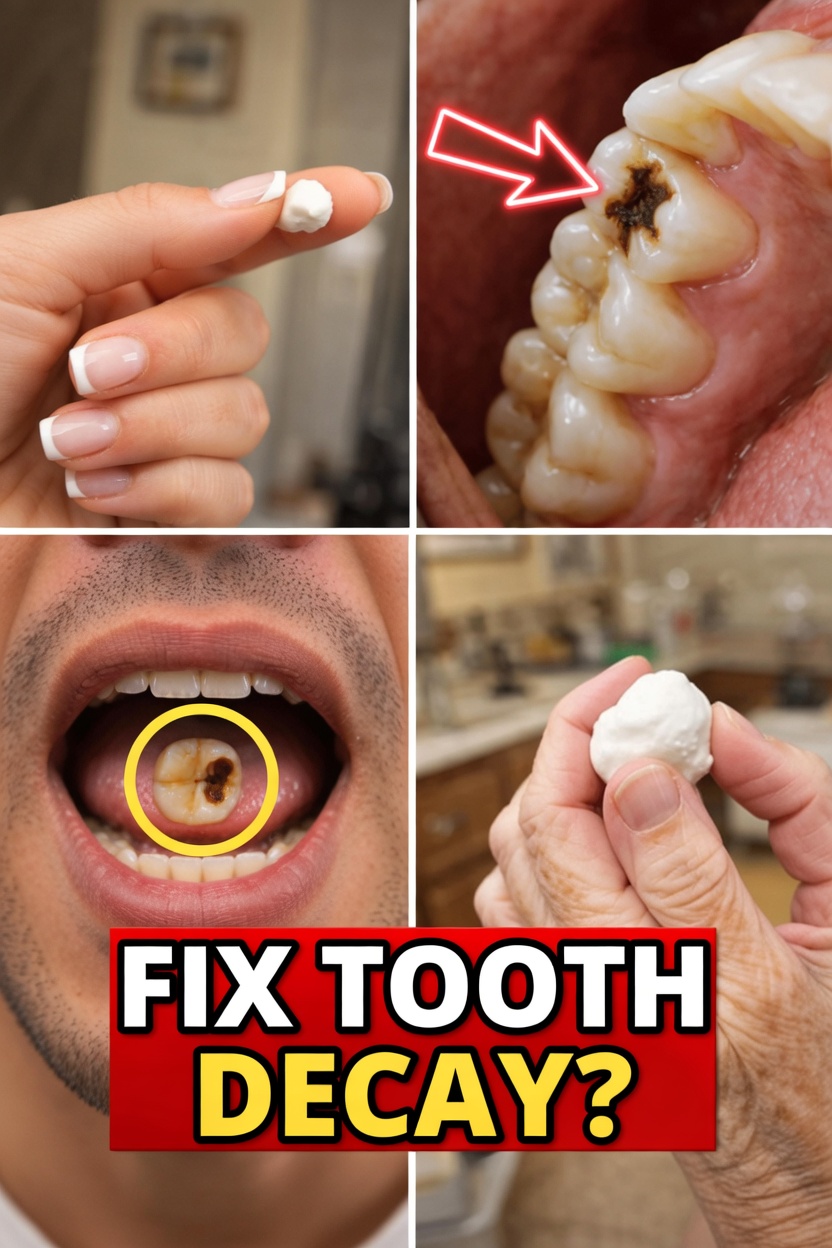
Your teeth are not static; they’re constantly going through a cycle of demineralization and remineralization.
- Acids from food, drinks, and oral bacteria gradually dissolve minerals from the enamel, the hard outer surface of the tooth.
- Saliva then works to restore those lost minerals—mainly calcium and phosphate—back into the enamel.
Research from organizations such as the National Institute of Dental and Craniofacial Research shows that when you consistently support this remineralization process, the balance can shift in favor of protection instead of damage.
Fluoride is a major player in this process. Found in many toothpastes and some water supplies, fluoride:
- Helps replace lost minerals in enamel.
- Makes enamel more resistant to future acid attacks.
Lifestyle choices matter just as much:
- Frequent snacking or sipping sugary drinks keeps acid levels high.
- Giving your mouth breaks between eating allows saliva to neutralize acids and rebuild minerals.
Beyond brushing and fluoride, what you eat can provide the raw materials your teeth need to stay strong.
Key Nutrients That Help Strengthen Tooth Enamel
A tooth-friendly diet focuses on mineral- and vitamin-rich foods that support enamel repair and overall dental health.
1. Calcium-rich foods
Calcium is one of the primary minerals in tooth enamel. Helpful sources include:
- Dairy products: cheese, yogurt, milk
- Leafy green vegetables: kale, collard greens, bok choy
- Fortified plant-based milks and alternatives
2. Phosphorus-rich foods
Phosphorus works alongside calcium to reinforce tooth structure:
- Eggs
- Fish and seafood
- Nuts and seeds
- Lean meats and poultry
3. Vitamin D sources
Vitamin D helps your body absorb and use calcium and phosphorus more effectively:
- Sensible sun exposure
- Fatty fish such as salmon, mackerel, or sardines
- Fortified foods (some dairy products, plant milks, and cereals)
4. Crunchy fruits and vegetables
Certain produce naturally helps clean teeth and trigger saliva flow:
- Apples
- Carrots
- Celery
- Cucumber
These foods can gently scrub the tooth surface while stimulating saliva, which supports mineral balance.
Studies indicate that limiting sugary, sticky, and highly acidic foods—while focusing on nutrient-dense options like those above—creates a much more favorable environment for long-term oral health.
Daily Habits That Support Better Oral Balance
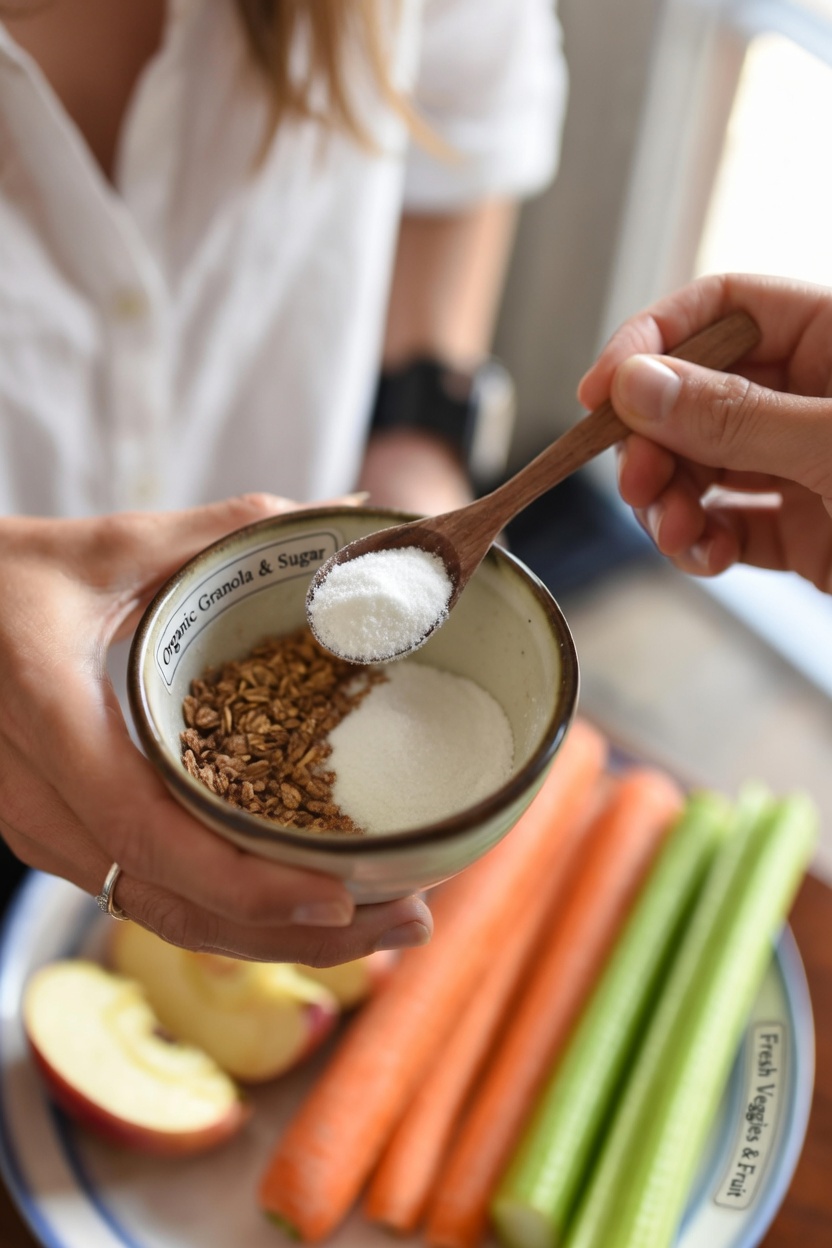
You can start reinforcing your teeth’s natural defenses today with a few practical habits:
-
Brush twice a day with fluoride toothpaste
Fluoride toothpastes are strongly supported by research for enhancing remineralization. They help rebuild weakened enamel and provide a protective barrier against acids. -
Clean between your teeth daily
Use floss or interdental brushes to remove plaque and food particles where your toothbrush can’t reach. This reduces acid-producing bacteria in tight spaces that are prone to decay. -
Chew sugar-free gum containing xylitol after meals
Xylitol, a sugar substitute used in some gums, can:- Increase saliva flow
- Help reduce levels of certain harmful bacteria
Reviews in dental journals suggest xylitol gum may support a healthier oral environment when used regularly.
-
Drink water throughout the day
Staying hydrated:- Rinses away food debris
- Helps keep saliva flowing steadily
- Supports your mouth’s natural ability to neutralize acids and restore minerals
-
Limit how often you snack
Every time you eat, especially sugary or starchy foods, acids increase in your mouth. Longer breaks between snacks mean fewer “acid attacks” and more time for your teeth to recover.
Individually these habits seem small, but together they create a powerful, easy-to-maintain foundation for better oral health.
Oil Pulling: A Traditional Practice Under Modern Study
Oil pulling is an ancient oral practice where oil is swished around the mouth and then spat out. It has gained modern popularity as a possible way to reduce oral bacteria and plaque.
Coconut oil is commonly used because it contains lauric acid, a fatty acid with antimicrobial properties. Some small studies suggest that coconut oil pulling may:
- Help reduce plaque buildup
- Lower levels of certain bacteria in the mouth
- Offer effects roughly comparable to some mouthwashes in limited contexts
However, it is not a replacement for brushing, flossing, or regular dental care.
How to try oil pulling safely:
- Measure about 1 tablespoon of coconut oil (solid or liquid is fine; it will melt in your mouth).
- Swish the oil gently around your mouth for 10–20 minutes. Avoid swallowing it.
- Spit the oil into the trash (not the sink or toilet, to prevent plumbing clogs).
- Rinse your mouth with water and brush as usual.
The American Dental Association notes that while early findings are interesting, more robust research is needed to fully understand the benefits and limits of oil pulling.

Simple DIY-Style Oral Care Add-Ons
Many people like to experiment with natural mixtures as a supplement to standard oral hygiene. A simple homemade blend might include:
- Coconut oil as the base
- Pleasant texture
- Potential antimicrobial properties
- A small amount of baking soda
- Provides mild polishing action
- Must be used sparingly to avoid enamel abrasion
- Optional xylitol
- Adds sweetness
- May offer additional support against certain bacteria
Use these mixtures cautiously:
- Avoid overly abrasive pastes that could wear down enamel over time.
- Stop using any mixture that causes irritation, sensitivity, or discomfort.
- Discuss new routines with your dentist, especially if you have existing dental issues.
These natural ideas should be viewed as add-ons, not replacements, for proven essentials like fluoride toothpaste, flossing, and professional care.
Comparing Common At-Home Oral Care Habits
The table below summarizes the main benefits, strength of evidence, and how easy each habit is to adopt:
| Habit | Main Benefit | Evidence Level | Ease of Adoption |
|---|---|---|---|
| Fluoride toothpaste | Directly strengthens enamel and aids repair | Strong (ADA-supported) | Very easy |
| Xylitol sugar-free gum | Boosts saliva, may reduce harmful bacteria | Moderate (clinical studies) | Easy |
| Oil pulling (coconut oil) | May help reduce plaque and bacterial load | Emerging (small studies) | Moderate |
| Nutrient-rich diet | Provides essential minerals and support | Strong (nutrition research) | Easy |
Used together, these approaches can create a more protective daily environment for your teeth.
When to See a Dental Professional
Home care is powerful, but it works best alongside regular dental visits. Schedule a check-up if you:
- Notice spots, pits, or visible changes on your teeth
- Experience new or increasing sensitivity or pain
- Have persistent bad breath or bleeding gums
- Can’t remember your last professional cleaning
Dentists can:
- Detect and treat early problems before they become serious
- Offer targeted treatments such as professional fluoride applications or sealants
- Provide personalized recommendations tailored to your teeth, gums, and overall health
Common Questions
How quickly can teeth feel stronger with improved habits?
With consistent use of fluoride toothpaste, better diet choices, and daily cleaning between teeth, some people notice reduced sensitivity and a healthier overall feel within a few weeks to a few months. Individual results vary depending on the starting condition of your teeth and gums.
Is oil pulling safe for everyone?
Most healthy adults tolerate it well, but it may not be suitable if you:
- Are allergic to coconut or other oils
- Have jaw pain, TMJ issues, or difficulty swishing for long periods
Always treat oil pulling as a supplemental practice, not a primary method of oral care.
Can diet alone prevent cavities and other dental problems?
Diet plays a major role in oral health by reducing acid exposure and supplying key minerals. However, it cannot replace:
- Brushing with fluoride toothpaste
- Cleaning between teeth
- Regular professional examinations and cleanings
Combining smart nutrition with solid oral hygiene and dental visits offers the best protection.
Important Reminder
This guide is meant for educational purposes only and does not replace professional medical or dental advice. If you have tooth pain, visible changes, or other concerns, consult your dentist or healthcare provider for a personalized evaluation and treatment plan.