Persistent Bad Breath Even With Good Oral Care? Tonsil Stones Could Be the Reason
You brush twice a day, floss consistently, and still deal with a stubborn odor that seems to linger no matter what you do. That kind of ongoing bad breath can be frustrating, embarrassing, and confusing. It can affect how comfortable you feel in conversations and leave you relying on gum or mints more often than you want.
For many people, the source is not actually the teeth. In some cases, small hardened deposits form quietly at the back of the throat and go unnoticed. Once you understand what these deposits are and why they develop, it becomes much easier to take practical steps to manage them.
What Are Tonsil Stones?
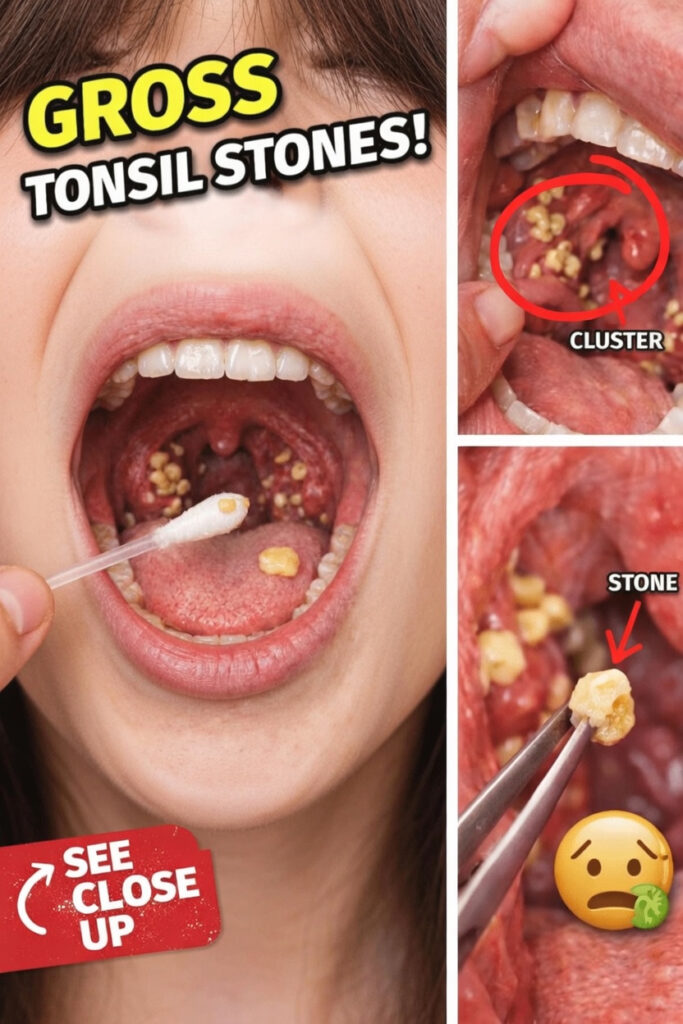
Tonsil stones, medically called tonsilloliths, are small hardened masses that collect in the natural folds of the tonsils. These folds are known as tonsil crypts, and they can trap material over time. Tonsil stones are usually white, off-white, or yellowish, and they may be as tiny as a grain or large enough to be seen more easily.
They tend to form when substances such as food debris, mucus, dead cells, and bacteria get stuck in those pockets and gradually harden. People with larger tonsils or deeper crypts may be more likely to develop them, but they can appear in almost anyone.
A major reason they attract attention is the smell. Bacteria living inside these deposits can release volatile sulfur compounds, which are commonly linked to foul or metallic-smelling breath.
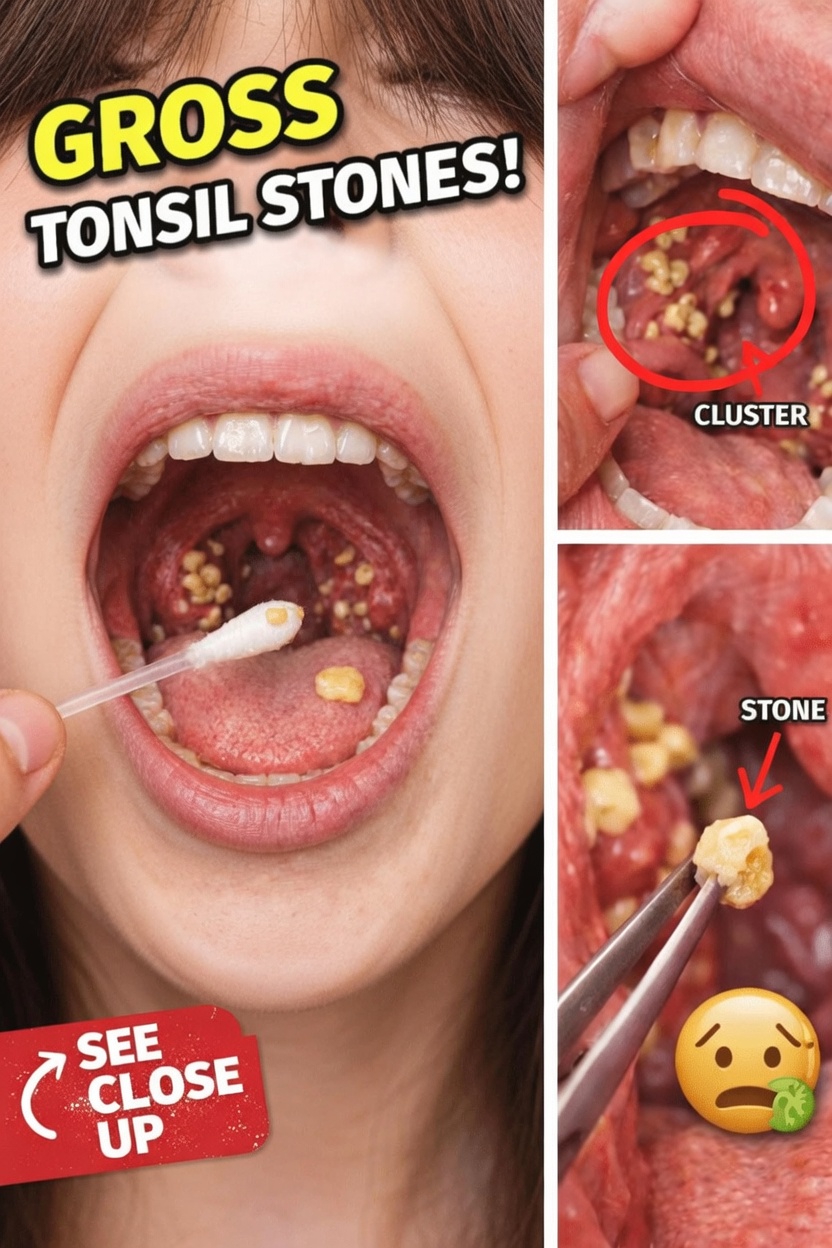
Even when the stones are hidden deep in the tonsils and cannot be seen easily, they may still cause symptoms that normal brushing cannot fix.
Signs You May Have Tonsil Stones
Some tonsil stones are so small they cause no obvious symptoms. Others create mild but persistent irritation. One of the most common complaints is bad breath that does not improve much with brushing, flossing, or mouthwash. Some people also feel as if something is stuck in their throat or notice slight discomfort when swallowing.
Other possible signs include:
- A metallic or unpleasant taste in the mouth
- Frequent throat clearing or occasional coughing
- White or yellow spots visible on the tonsils
- Mild ear discomfort, even though the problem starts in the throat
Research has shown that bacteria trapped inside these deposits can produce the compounds associated with halitosis, making tonsil stones an often-missed cause of chronic breath odor.
Why Do Tonsil Stones Form?
There is no single cause, but several everyday factors can make tonsil stones more likely. Poor oral hygiene can contribute, though even people with very good dental habits may still develop them.
Common factors include:
- Larger tonsils with deeper crevices
- Repeated tonsil inflammation
- Post-nasal drip related to allergies or sinus issues
- Dehydration, which lowers saliva flow
- Diets high in sugary foods or dairy products that may support bacterial growth
The tonsils are part of the body’s immune defense and help trap bacteria and viruses. However, because their surface is uneven, they can also collect unwanted material. When that trapped matter hardens, bacteria can multiply and create odor that daily brushing alone cannot remove.
At-Home Ways to Manage Tonsil Stones
Many people can reduce discomfort and odor with simple home habits. The first step is maintaining strong daily oral hygiene.
Helpful Daily Practices
- Brush teeth thoroughly at least twice a day
- Clean the tongue as well as the teeth
- Floss once daily to remove trapped food particles
- Drink enough water throughout the day
- Use an alcohol-free mouthwash if needed, since alcohol-based rinses may dry the mouth
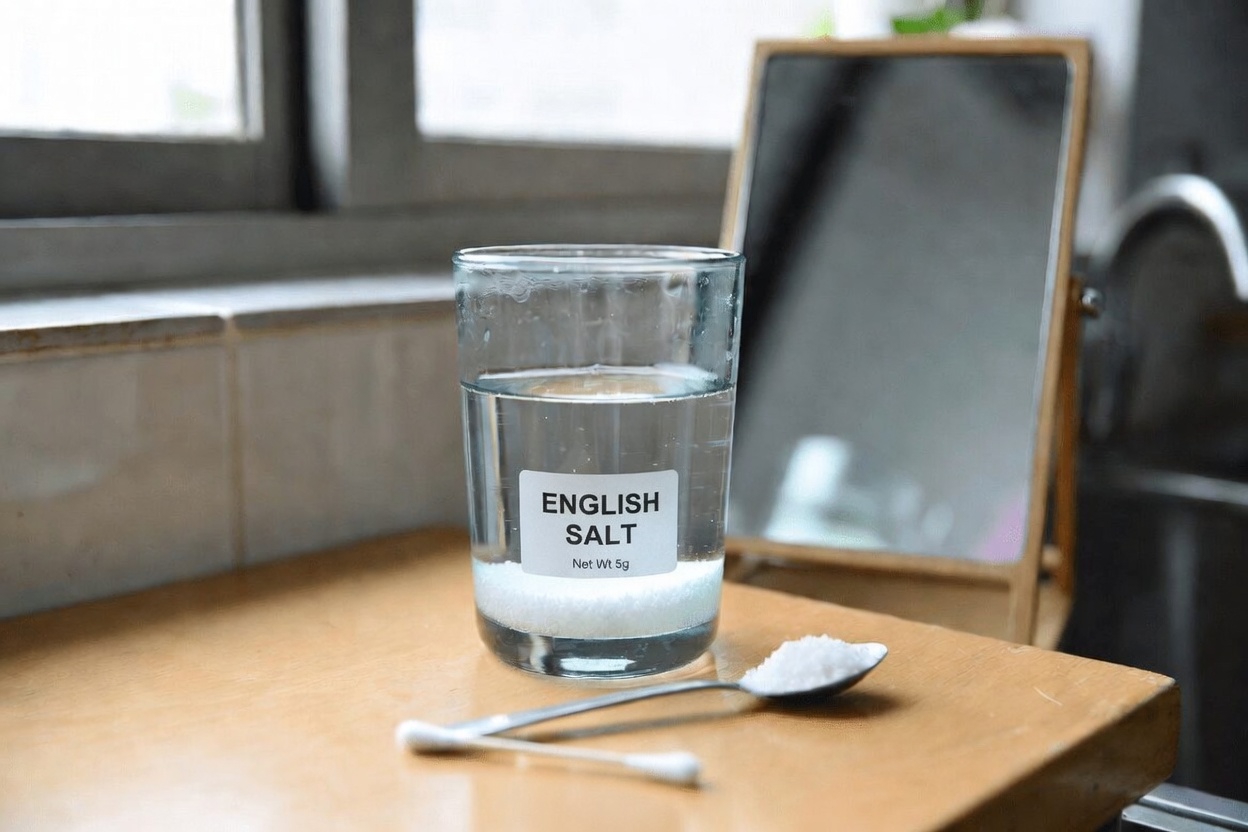
One of the easiest methods is gargling with warm salt water. Mix about half a teaspoon of salt into a cup of warm water, then gargle firmly for 10 to 15 seconds several times. This may help loosen small stones and calm irritation in the throat.
Some people also try a water flosser or oral irrigator on a low setting, directed gently toward the tonsils. This can help rinse debris from the crypts, but it should always be done carefully. If there is pain or discomfort, stop immediately.
If a stone is visible and shallow, some individuals carefully use a clean cotton swab to nudge it out. However, the tonsils are delicate, so nothing should ever be forced.
Quick Comparison of Common Home Approaches
| Method | How It Works | Ease of Use | Possible Benefits |
|---|---|---|---|
| Salt water gargle | Loosens trapped debris with gentle rinsing | Very easy | May soothe the throat and reduce bacteria |
| Oral irrigator | Flushes pockets using a gentle stream of water | Moderate | Can reach deeper areas more effectively |
| Tongue scraping | Removes odor-causing bacteria from the tongue | Easy | Helps improve overall breath freshness |
| Hydration and diet changes | Reduces dry mouth and sticky buildup | Easy | Supports prevention over time |
These methods do not always remove every stone, but many people find they help reduce how often the problem appears and how severe it feels.
When to See a Professional
If symptoms continue even after regular home care, or if you develop swelling, pain, or trouble swallowing, it is a good idea to speak with a healthcare professional. A dentist or an ear, nose, and throat specialist can examine the area and recommend the most appropriate next steps.
In certain cases, a provider may remove larger or more stubborn stones in the office. If the problem keeps coming back and significantly affects daily life, other treatment options may be discussed based on individual needs and medical guidance.
Long-Term Habits for Better Oral Comfort
Prevention is mainly about making it harder for debris to collect in the tonsils. Consistent oral hygiene remains one of the most effective foundations.
Useful long-term habits include:
- Brushing twice daily
- Cleaning the tongue regularly
- Flossing every day
- Staying well hydrated
- Rinsing the mouth after meals
- Managing allergies or sinus problems that cause post-nasal drip
- Limiting heavy dairy intake before bed if it seems to worsen symptoms
Small routine changes may not seem dramatic at first, but over time they can make a real difference in mouth freshness and throat comfort.
Conclusion: A Simple Explanation for Ongoing Bad Breath
Persistent bad breath can be discouraging, especially when you are already taking care of your teeth. But if the tonsils are part of the issue, there are practical ways to address it. Learning how tonsil stones form and using gentle daily strategies can help many people improve both comfort and confidence.
Often, the most effective results come from consistent small habits rather than one big fix.
Frequently Asked Questions
Can tonsil stones disappear on their own?
Yes. Smaller tonsil stones may come out naturally when you swallow, cough, or gargle. However, they can also remain in place or return if the conditions that caused them do not change.
Does bad breath from tonsil stones smell different from regular bad breath?
It often does. Many people describe it as stronger, more persistent, or more sulfur-like. That is because the bacteria inside the stones can release odor-producing sulfur compounds.
Are tonsil stones dangerous?
In most cases, tonsil stones are not harmful and are more annoying than serious. Still, if symptoms are ongoing, painful, or worsening, it is important to get professional evaluation.