
Discovering the Power of a Simple Herbal Blend: Hibiscus, Soursop, and Ginger
Daily life can quietly wear you down — stress builds, digestion feels off now and then, and energy swings become more noticeable. Many people look for gentle, natural ways to support wellness without adding more complexity to their routine. Traditional herbal practices offer a simple starting point: time-tested plants you can turn into a soothing daily drink.
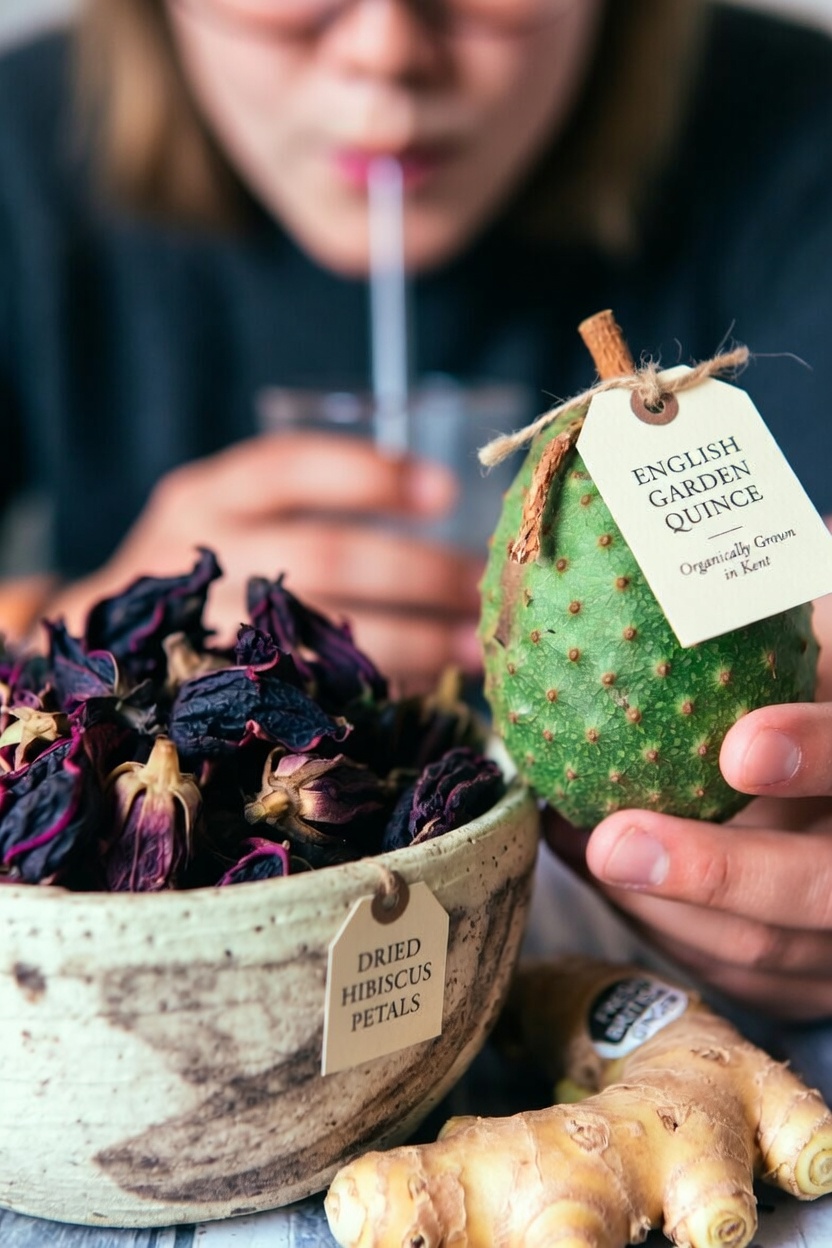
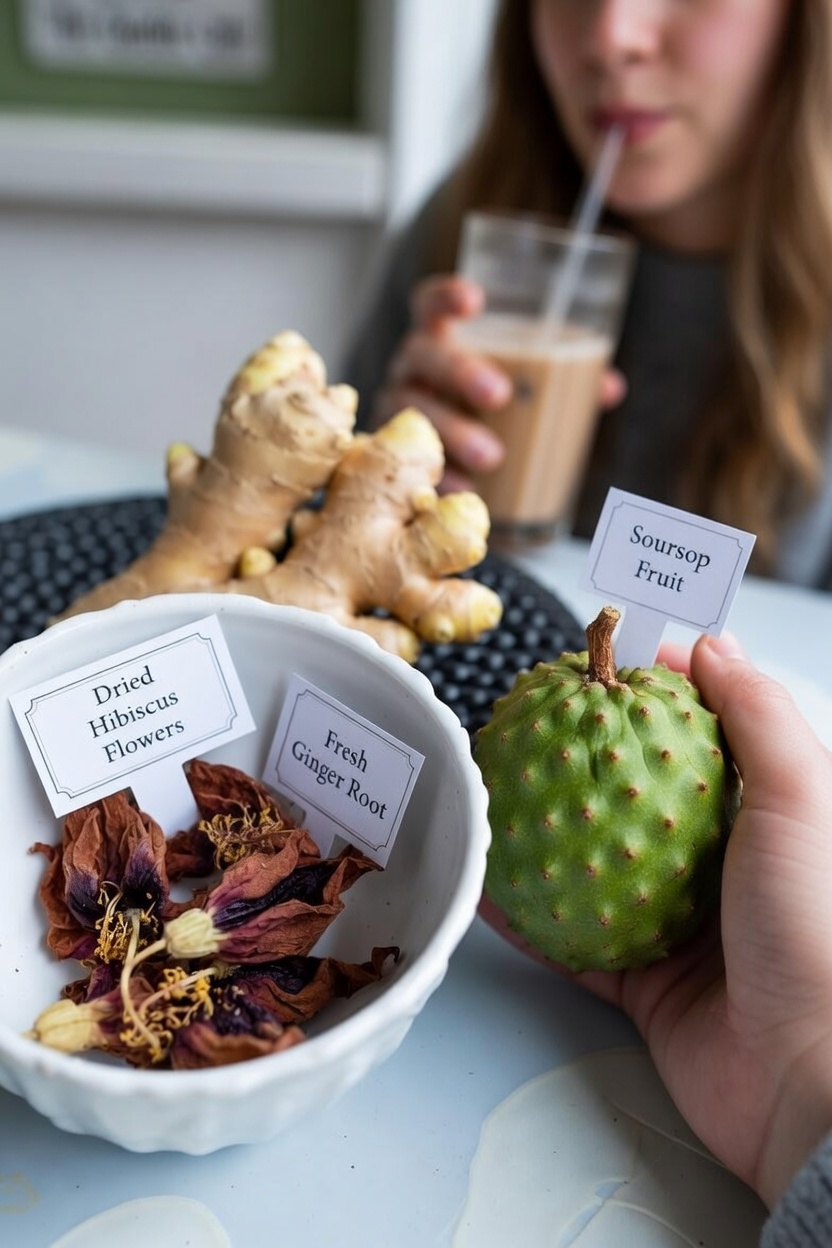
One such option is a straightforward infusion made from hibiscus, soursop (also known as graviola), and ginger. This trio creates a vibrant, tangy herbal tea that’s easy to prepare and can be woven into your everyday self-care.

Later in this guide, you’ll also find an often overlooked preparation tip that can significantly improve both the taste and potential benefits of your brew.
Why This Hibiscus, Soursop, and Ginger Blend Stands Out
Each ingredient in this herbal blend has a long history of traditional use, along with growing interest from modern research. Together, they form a caffeine-free infusion rich in plant compounds and natural flavor.
-
Hibiscus
Hibiscus tea is renowned for its deep red color and tart, cranberry-like taste. Analyses of various beverages have ranked hibiscus tea among the highest for antioxidant content, thanks largely to its anthocyanins. These plant pigments help the body handle everyday oxidative stress. -
Soursop (Graviola)
Soursop leaves and fruit are used in many traditional wellness practices. The plant provides vitamin C and fiber, both important for immune support and digestive regularity. Research has identified flavonoids and other bioactive compounds in soursop that may contribute to general well-being. -
Ginger
Ginger delivers a warm, spicy note and is widely recognized for its digestive benefits. Reviews of clinical trials show ginger can support gastric motility (helping food move more smoothly through the stomach) and ease occasional nausea or digestive discomfort.
When combined, hibiscus, soursop, and ginger create a refreshing drink that hydrates while supplying a variety of beneficial plant compounds.
Science-Linked Potential Benefits
Current research points to several key areas where this herbal combination may be supportive when enjoyed as part of a healthy lifestyle:
-
Cardiovascular Support
- Hibiscus has been studied for its ability to help maintain healthy blood pressure levels already in the normal range.
- Meta-analyses of human trials report modest reductions in both systolic and diastolic blood pressure with regular hibiscus tea intake, similar to some basic lifestyle changes.
-
Digestive Comfort
- Ginger is one of the best-researched herbs for digestion.
- Systematic reviews indicate ginger can improve gastric emptying and alleviate occasional nausea, bloating, or mild stomach upset.
-
Antioxidant Protection
- Hibiscus is rich in polyphenols and anthocyanins, which help neutralize free radicals.
- Soursop contributes vitamin C, another important antioxidant, enhancing the blend’s overall oxidative stress–fighting potential.
-
Everyday Wellness and Inflammation Support
- Gingerols in ginger and anthocyanins in hibiscus have shown anti-inflammatory activity in lab and human studies.
- These compounds may help the body manage low-grade, everyday inflammation associated with modern lifestyles.
Results will vary from person to person, and this tea should be viewed as supportive, not as a replacement for medical treatment.
Quick Comparison of the Three Herbs
-
Hibiscus
- High in anthocyanins and other polyphenols
- Studied for support of healthy blood pressure and cholesterol balance
-
Soursop (Graviola)
- Provides vitamin C and fiber
- Traditionally used for immune and digestive support
- Contains various bioactive flavonoids
-
Ginger
- Rich in gingerols and shogaols
- Backed by clinical reviews for promoting gut motility and reducing occasional nausea
Why Many People Enjoy This Herbal Tea Daily
This hibiscus, soursop, and ginger blend has become a daily ritual for many because it:
- Offers a refreshing tart-sweet flavor that encourages better hydration
- Requires only a few simple ingredients and minimal equipment
- Is naturally free of caffeine, making it suitable morning, afternoon, or evening
- Adds variety if you’re bored with plain water or standard teas
- Draws on traditional herbal wisdom while aligning with modern wellness habits
Step-by-Step: How to Make a Hibiscus, Soursop, and Ginger Infusion
Preparing this herbal drink at home is simple and flexible. Use the guide below as a base and adjust to your taste.
-
Gather Your Ingredients (for about 1 liter / 4 cups)
- 1–2 tablespoons dried hibiscus flowers
- A 1–2 inch piece of fresh ginger, washed and thinly sliced
- 4–6 dried soursop leaves (or fresh, thoroughly washed leaves if available)
-
Heat the Water
- Bring 1 liter of water to a gentle boil in a pot or kettle.
-
Add the Herbs
- Reduce the heat to a low simmer.
- Add the hibiscus flowers, ginger slices, and soursop leaves to the water.
- Let the mixture simmer for 10–15 minutes to extract flavor and beneficial compounds.
-
Steep and Strain
- Turn off the heat, cover the pot, and allow it to steep for another 10 minutes.
- Strain the liquid into a heat-resistant pitcher or teapot, discarding the solids.
-
Serve and Customize
- Enjoy the infusion warm, or let it cool and refrigerate for a chilled version.
- Add a light drizzle of honey or a squeeze of lemon if you like, but keep sweeteners modest to preserve the tea’s natural character.
-
Suggested Amount
- Start with 1–2 cups per day, preferably between meals, and notice how your body responds.
Pro tip: For a smoother, less tangy profile, try a cold brew. Place the hibiscus, soursop leaves, and ginger slices in cold water and refrigerate for 8–12 hours, then strain. This method often yields a milder, naturally sweet taste.
What Current Research Really Shows
The evidence behind these plants is encouraging, but also has limitations:
-
Hibiscus
- Supported by multiple human trials and meta-analyses for blood pressure support within the normal range.
- Most studies involve daily use over several weeks.
-
Ginger
- Extensively studied in randomized controlled trials for nausea, digestion, and gastric motility.
- Commonly used in research for motion sickness, pregnancy-related nausea (under medical guidance), and general digestive discomfort.
-
Soursop
- Laboratory and animal studies highlight antioxidant and other bioactive effects.
- Human data is more limited, and some experts recommend using leaves in moderation due to concerns about potential risks from very high or prolonged intake.
This herbal tea works best as part of an overall healthy lifestyle — balanced nutrition, movement, sleep, and regular medical checkups remain essential.
A Gentle Daily Ritual Worth Exploring
Regularly sipping a hibiscus, soursop, and ginger infusion is an easy way to incorporate more plant-based support into your day. It’s:
- Affordable
- Simple to make at home
- Customizable to your taste
- Naturally hydrating and caffeine-free
If you’re curious, start slowly, pay attention to how you feel, and treat it as a small, nourishing ritual rather than a quick fix.
Frequently Asked Questions
Is this herbal blend safe for daily use?
Most healthy adults tolerate this infusion well in moderate amounts (about 1–3 cups per day). However:
- Hibiscus may influence blood pressure and could interact with certain medications.
- Ginger can affect blood clotting and may interact with blood thinners or other medications.
- Soursop leaves should be used with caution; very high or long-term intake has raised safety questions in some research.
If you are pregnant, breastfeeding, taking medication, or managing a medical condition, talk with a healthcare professional before making this tea a daily habit.
Can I drink it if I have low blood pressure?
If your blood pressure tends to run low, be especially careful with hibiscus. It may lower blood pressure further in some individuals. Monitor how you feel and consult your healthcare provider before using hibiscus regularly if you have any cardiovascular concerns.
How long does it take to notice any effects?
Timing varies:
- Ginger’s digestive support — such as easing occasional nausea or discomfort — may be noticeable fairly quickly, sometimes within the same day.
- Hibiscus’s potential effects on blood pressure and antioxidant status are usually observed in studies after several weeks of consistent daily intake.
- Antioxidant and general wellness benefits are more subtle and accumulate over time rather than producing a dramatic, immediate change.
What is the key preparation detail many people overlook?
A simple but important step is covering the pot while the herbs steep and avoiding an overly vigorous boil. Keeping the pot covered helps:
- Preserve aromatic compounds from ginger
- Reduce the loss of heat-sensitive nutrients like vitamin C from soursop
- Enhance flavor and fragrance, making the tea more enjoyable
Gently simmering and then covering the infusion is an easy way to support both taste and potential benefits.