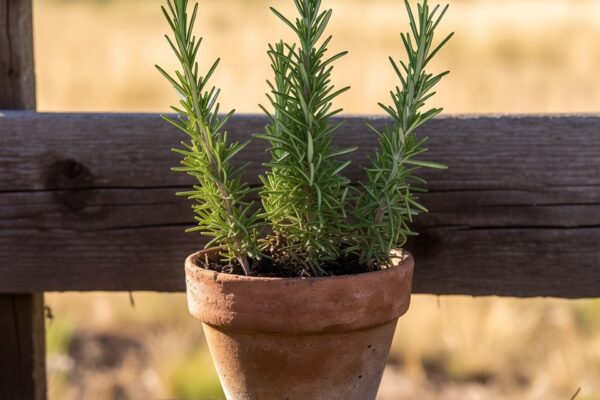
Purslane: From Common Weed to Global Superfood
Long overlooked as nothing more than an invasive weed, purslane (Portulaca oleracea) is now gaining recognition worldwide for its impressive health benefits, culinary flexibility, and hardiness. It grows everywhere—from cracks in sidewalks to carefully curated garden beds—and is now making its way onto the plates of high-end restaurants as a genuine superfood.
Mahatma Gandhi included purslane in his regular diet, and modern nutrition researchers such as Dr. Artemis Simopoulos highlight it as one of the richest plant-based sources of omega‑3 fatty acids found in leafy greens.
With its juicy, lemony leaves and robust nutrient profile, purslane is a low-effort, high-reward crop for any garden. Below, you’ll discover why this resilient plant deserves a place in your backyard and your kitchen—and how to prepare it in delicious ways.
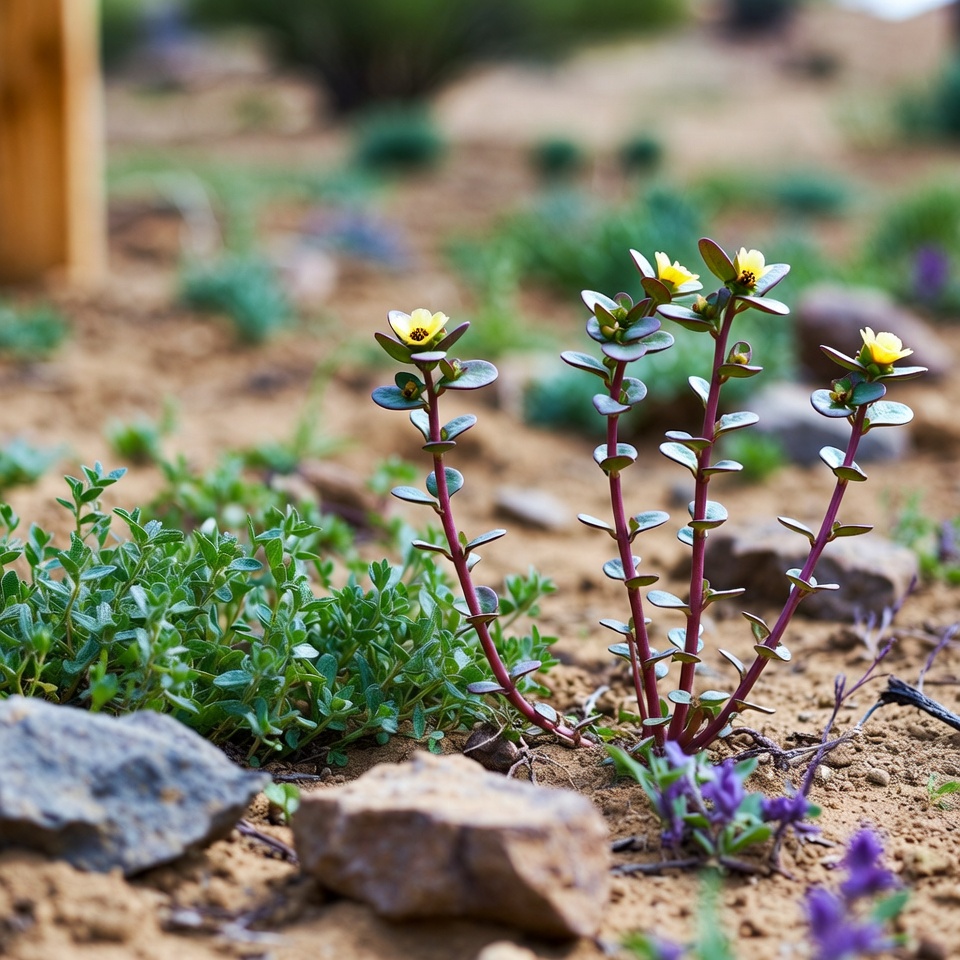
8 Reasons to Invite Purslane into Your Garden
1. A Compact Nutritional Powerhouse
Purslane is remarkably nutrient-dense for such a humble plant. Its leaves contain:
- Omega‑3 fatty acids – Key for maintaining heart and brain health
- Antioxidants – Help slow cellular aging and protect against free-radical damage
- Vitamin C & beta-carotene – Support immune function and eye health
- Essential minerals – Naturally rich in calcium, magnesium, potassium, and iron
- Melatonin – A hormone involved in regulating healthy sleep cycles
This combination makes purslane one of the most efficient ways to pack nutrition into your meals with minimal calories.
2. A Rare Plant-Based Source of Omega‑3s (Perfect for Vegans)
Unlike most leafy vegetables, purslane provides a notable amount of omega‑3 fatty acids, especially alpha-linolenic acid (ALA).
These healthy fats can help:
- Reduce inflammation in the body
- Support cardiovascular health
- Promote optimal brain function and cognition
For vegans and vegetarians—who often struggle to obtain enough omega‑3s without fish or supplements—purslane is an excellent natural ally.
3. A Potent Antioxidant and Anti-Aging Ally
Purslane is loaded with compounds such as glutathione, vitamin C, and betalains, all of which act as powerful antioxidants.
Regular consumption may help:
- Defend the skin against premature aging and sun-related damage
- Decrease oxidative stress associated with chronic disease
- Strengthen immune defenses and support overall vitality
If you’re looking for a plant-based anti-aging food, purslane deserves a spot on your plate.
4. Naturally Supports Better Sleep (Thanks to Melatonin)
Purslane naturally contains melatonin, the hormone that helps regulate your internal clock and sleep-wake cycles.
It can be particularly helpful for people who:
- Experience insomnia or difficulty falling asleep
- Have irregular sleeping patterns
- Travel frequently and struggle with jet lag
Tip: A warm cup of purslane tea in the evening may help promote relaxation and improve sleep quality.
5. Promotes Heart Health & Helps Manage Cholesterol
The betalains in purslane are not only antioxidants—they also offer specific benefits for cardiovascular health.
They may help:
- Prevent cholesterol from accumulating on artery walls
- Lower LDL (“bad”) cholesterol levels
- Support healthy blood circulation and overall heart function
How to use it: Add fresh purslane to salads, wraps, or smoothies as a simple, natural way to care for your heart.
6. Supports Mood and Mental Well-Being
Purslane contains tryptophan, an essential amino acid that the body uses to make serotonin, often called the “feel-good” neurotransmitter.
Including purslane in your diet may:
- Help stabilize mood
- Ease mild stress and anxiety
- Support emotional balance and mental clarity
Tip: Combine purslane with nuts and seeds (such as walnuts, sunflower seeds, or pumpkin seeds) for a nutrient-dense, mood-supportive meal or snack.
7. Extremely Easy to Grow and Highly Resilient
From a gardener’s perspective, purslane is almost effortless to cultivate:
- Drought-tolerant – Needs very little watering once established
- Grows in poor or compacted soil – Ideal for urban gardens and challenging sites
- Fast-growing and self-renewing – Produces tender edible leaves throughout the growing season
Gardener’s note: Purslane can also contribute to soil health by helping reduce erosion and adding organic matter as it grows and decomposes.
8. Delicious, Refreshing, and Incredibly Versatile in the Kitchen
Beyond its health perks, purslane has a pleasant, slightly tart, and gently peppery taste with a juicy crunch that works beautifully in many dishes.
Popular ways to enjoy purslane include:
- Raw in salads – Adds brightness, crunch, and a lemony note
- Blended into smoothies – Boosts omega‑3s, antioxidants, and minerals
- Lightly sautéed – Delicious with garlic, olive oil, and a pinch of salt
- Added to soups and stews – Naturally thickens broths and adds body
- In pesto – A nutrient-packed twist on classic basil pesto
- Pickled – Creates a tangy, probiotic-friendly condiment for gut health
Easy Recipe: Purslane & Basil Pesto
A fresh, vibrant pesto is one of the easiest ways to introduce purslane into your meals.
Ingredients
- 2 cups young purslane leaves
- 45 g fresh basil leaves
- 1 garlic clove
- 45 g toasted almonds (or walnuts)
- Juice of ½ lemon
- 50 ml extra-virgin olive oil
- Salt and black pepper to taste
Instructions
- Place the purslane, basil, garlic, toasted nuts, and lemon juice into a food processor.
- Pulse until everything is finely chopped and well combined.
- With the processor running, slowly pour in the olive oil until the mixture becomes smooth and creamy.
- Season with salt and pepper to taste.
Serve with:
- Pasta or gnocchi
- Grilled or roasted vegetables
- Sandwiches and wraps
- As a dip for bread, crackers, or raw vegetables
Tips for Growing and Harvesting Purslane
Where to Plant
- Prefers full sun but tolerates partial shade
- Grows in almost any type of soil, from rich garden beds to poor, sandy ground
How to Harvest
- Cut young, tender leaves and stems for the best flavor and texture
- Harvest regularly to encourage bushy growth and continuous production
Regrowth & Self-Seeding
- Trimming purslane encourages the plant to send out new shoots all season long
- It readily self-seeds, meaning that once it’s established, it often returns year after year with minimal effort
Final Thoughts: Why Purslane Deserves a Place on Your Plate
Purslane is one of the most underrated superfoods available today. It is:
- Rich in omega‑3 fatty acids, antioxidants, and essential vitamins and minerals
- Beneficial for heart, brain, skin, and immune health
- Supportive of better sleep and more balanced mood
- Remarkably easy to grow in almost any environment
- Versatile, tasty, and simple to incorporate into everyday dishes
Instead of pulling it out as a weed, it’s time to recognize purslane as a nutritional gem that truly belongs in your garden and on your table.
Will you experiment with purslane in your garden or in your kitchen? Share this guide with friends, gardeners, and health-conscious food lovers who might be ready to rethink this powerful little plant.
Disclaimer
This content is provided for informational purposes only and is not a substitute for professional medical advice, diagnosis, or treatment. Always consult a qualified healthcare provider before making significant changes to your diet or using any plant for therapeutic purposes.