Can You Tell Which Egg Came from a Healthy Chicken? A Guide to Identifying Quality Eggs
Eggs sit at the center of many meals around the world. They’re affordable, versatile, and packed with nutrients. But the quality of an egg is closely tied to the health and lifestyle of the hen that laid it—and not all hens live under the same conditions.
If you’ve ever wondered how to tell whether an egg came from a healthy chicken, here are the key signs to look for when choosing truly high-quality eggs.
1. Yolk Color: A Window into the Hen’s Diet
One of the easiest ways to spot a quality egg is by looking at the yolk.
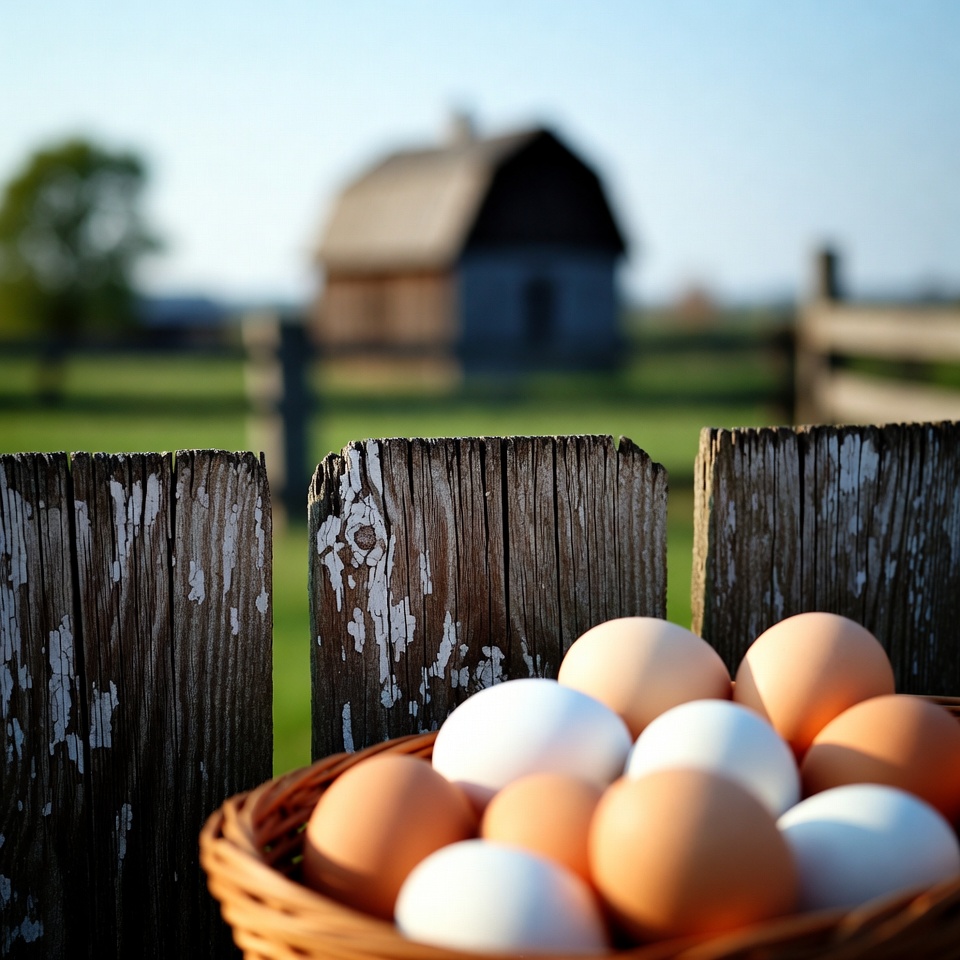
Eggs from healthy, pasture-raised chickens usually feature a deep golden or rich orange yolk. This vibrant color comes from a diet naturally high in carotenoids—pigments found in grasses, leafy greens, insects, and other forage.
By contrast, eggs from chickens raised in industrial systems and fed mostly grain-based feed tend to have pale, light yellow yolks, signaling a less varied diet.
Tip: A darker, more vibrant yolk often indicates a more nutrient-dense egg, typically higher in vitamins A, D, E, and beneficial fats like omega‑3s.
2. Shell Strength: What the Shell Says About Health
The eggshell itself can tell you a lot about the hen’s well-being.
Healthy chickens that receive enough calcium and minerals generally lay eggs with strong, thick shells. These shells feel sturdy in your hand and are more resistant to cracking.
On the other hand, thin, fragile, or easily broken shells may be a sign that the hen is under stress, poorly nourished, or living in suboptimal conditions.
Tip: Gently tap two eggs together near your ear.
- A firm, high-pitched tap suggests a solid, healthy shell.
- A dull or hollow sound can indicate a thinner, weaker shell.
3. Egg White Consistency: Freshness and Nutrition
The quality of the egg white (albumen) is another major indicator of a good egg.
Eggs from healthy chickens—and especially very fresh eggs—typically have thick, jelly-like egg whites that stay close to the yolk. They don’t spread too much when cracked onto a surface.
If the egg white is thin, watery, and quickly runs across the pan or plate, it may suggest:
- The egg is older,
- The chicken is older or under stress,
- Or the bird’s nutrition is lacking.
Tip: Crack an egg onto a flat plate or into a pan. A high-quality egg will show:
- A rounded, firm yolk that sits high, and
- A dense, cohesive egg white that doesn’t run all over.
4. Size and Shape: Consistency Matters
While size can vary naturally by breed, consistent size and shape within a carton is usually a positive sign.
Eggs from healthy, well-kept hens are often:
- Regularly shaped (oval with a smooth curve),
- Similar in size from one egg to the next.
Oddly shaped, very small, or misshapen eggs can sometimes signal issues such as:
- Stress,
- Poor nutrition,
- Or underlying health problems in the hen.
Tip: When choosing eggs, look for cartons where the eggs appear uniform in size and shape. This consistency often reflects better flock management and hen health.
5. Living Conditions: The Source of Quality
The environment where chickens are raised is one of the most important factors affecting egg quality.
Hens that live in pasture-based or free-range systems, with access to:
- Fresh air,
- Sunlight,
- Space to move,
- And natural foods like grass and insects,
usually lay healthier, more nutritious eggs.
In contrast, chickens kept in crowded, unsanitary barns or cages are more prone to:
- Chronic stress,
- Illness,
- Poor feather condition,
which can all impact the nutritional profile and overall quality of their eggs.
Tip: When possible, choose eggs labeled:
- “Pasture-raised”
- “Free-range”
- “Organic”
These labels often indicate better welfare standards and more natural diets, which usually translate into higher-quality eggs.
6. Smell and Taste: The Final Test
Your senses are powerful tools for judging egg quality.
Fresh eggs from healthy chickens should have:
- Little to no noticeable odor when raw, and
- A rich, savory flavor when cooked.
If an egg has:
- A strong, unpleasant, or sulfur-like smell, or
- A flat, bland taste when cooked,
it may be old, poorly stored, or from a hen in less-than-ideal health or conditions.
Tip: Store eggs in the refrigerator and use them within 3–4 weeks of purchase for the best flavor and freshness. Keeping them in their carton helps protect them from absorbing odors from other foods.
Conclusion: Why Egg Quality Matters
Egg quality is about more than just appearance—it reflects the health, diet, and environment of the chicken that laid it.
By paying attention to:
- Yolk color,
- Shell thickness,
- Egg white consistency,
- Size and shape,
- Farming practices,
- Smell and taste,
you can make more informed choices and select eggs that are tastier, fresher, and more nutritious.
Choosing eggs from healthy, well-cared-for chickens supports:
- Better animal welfare,
- Higher nutritional value,
- And more satisfying meals.
Next time you’re at the supermarket or farmers’ market, take a closer look at those eggs—your body (and your taste buds) will benefit.
Bonus Recipe: Perfect Scrambled Eggs Using High-Quality Eggs
Now that you know how to spot eggs from healthy chickens, it’s time to enjoy them at their best. Here’s a simple, reliable way to make creamy scrambled eggs.
Ingredients
- 2–3 eggs from healthy, pasture-raised or free-range chickens
- 1 tablespoon butter or olive oil
- Salt, to taste
- Black pepper, to taste
- Fresh herbs (optional), such as chives, parsley, or dill
Instructions
-
Crack and whisk
Crack the eggs into a bowl. Add a pinch of salt and pepper. Whisk gently until the yolks and whites are just combined and slightly frothy. -
Heat the pan
Place a nonstick or well-seasoned skillet over low to medium-low heat. Add the butter or olive oil and let it melt, coating the pan. -
Cook slowly
Pour the eggs into the pan. Let them sit for a few seconds, then gently push the eggs from the edges toward the center with a spatula, forming soft curds. -
Stir gently
Continue to cook, stirring slowly and continuously, until the eggs are just set but still slightly creamy. Remove from heat—they will continue to firm up slightly in the pan. -
Finish and serve
Taste and adjust seasoning with more salt and pepper if needed. Sprinkle with fresh herbs, if using. Serve immediately and enjoy the rich flavor of truly high-quality eggs.