
Nourishing Your Heart Naturally as You Grow Older
As the years pass, many people start to pay closer attention to their heart and circulation. Long workdays, constant stress, and rushed meals can make it difficult to maintain a truly heart-supportive lifestyle. On top of that, endless headlines about miracle supplements and quick fixes can be confusing—what actually works in the long run?
One of the most reliable, sustainable ways to care for your cardiovascular system is surprisingly simple: focus on everyday foods. By choosing certain ingredients more often, you can gently support blood flow, blood pressure, and overall heart wellness in a way that is both enjoyable and backed by scientific research.
What if some of the best tools for heart health are already in your kitchen? This guide highlights 10 foods associated with cardiovascular benefits, plus an easy morning drink you can start using right away.

Why What You Eat Matters for Heart and Circulation Health
Large studies from reputable institutions, including major heart associations and universities, consistently show that dietary patterns rich in:
- fruits and vegetables
- whole grains
- healthy fats
- plant-based foods
are linked with better cardiovascular outcomes.
Eating styles such as the Mediterranean diet or the DASH diet are good examples. They emphasize whole, minimally processed foods that supply:
- antioxidants
- fiber
- vitamins and minerals
- protective plant compounds
These nutrients help support healthy blood pressure, more favorable cholesterol levels, and flexible, well-functioning blood vessels. Over time, regularly eating nutrient-dense foods can help lower key risk factors when combined with other healthy habits like movement, sleep, and stress management.
Within these patterns, certain foods stand out for their particularly heart-friendly properties.
10 Everyday Foods That Support a Healthy Heart
Below are 10 widely available foods that observational studies and scientific reviews associate with cardiovascular benefits. They are not cures, but they can be valuable parts of a heart-conscious eating plan.
-
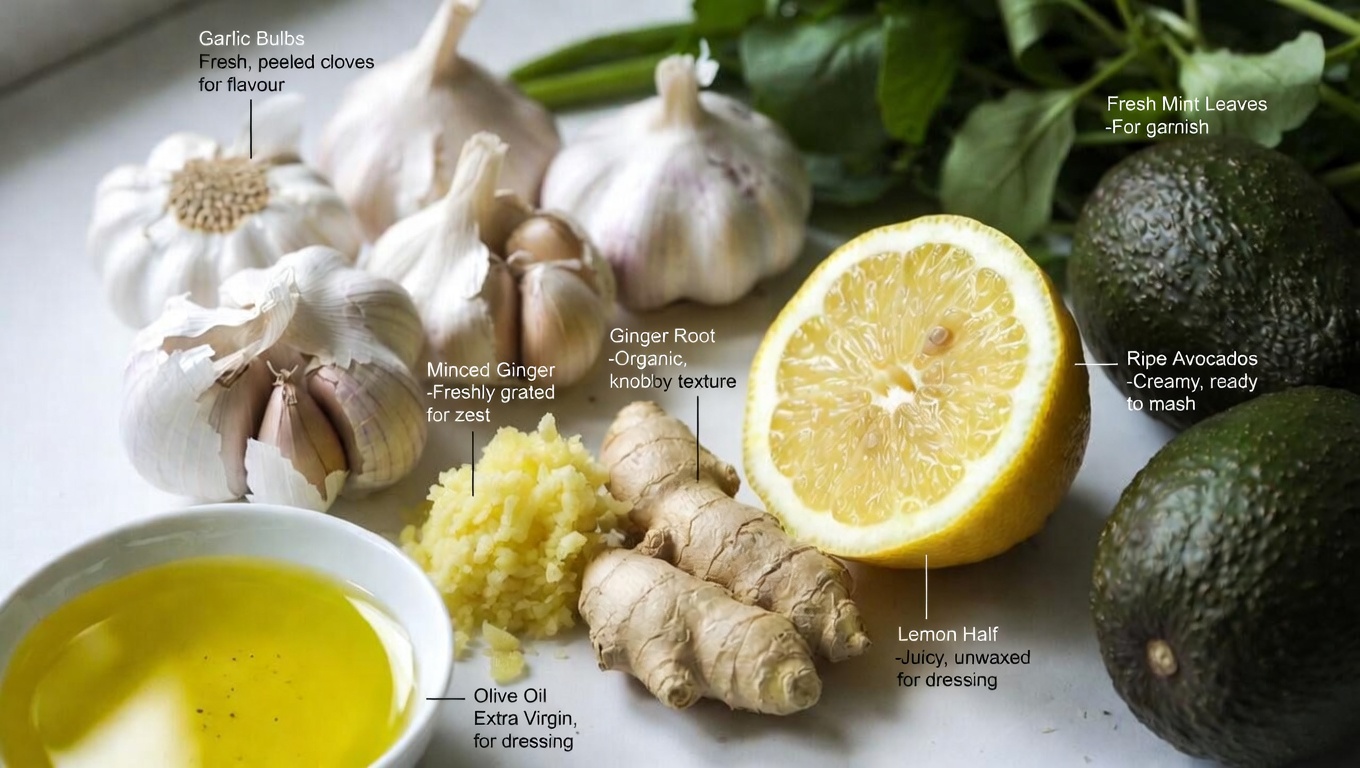
Garlic
Garlic contains sulfur-based compounds such as allicin, which form when garlic is crushed or chopped. Research suggests these compounds may help support healthy blood flow and assist in maintaining blood pressure within a normal range. -
Lemons
Lemons are rich in vitamin C and plant flavonoids. These antioxidants help protect cells from oxidative stress and may support the elasticity and integrity of blood vessel walls, contributing to overall vascular health. -
Extra Virgin Olive Oil
Extra virgin olive oil is a key component of the Mediterranean diet. It is high in monounsaturated fats and polyphenols, which are associated with better cholesterol balance and a lower risk of cardiovascular issues when used regularly in place of less healthy fats. -
Avocados
Avocados supply heart-supportive monounsaturated fats, along with potassium and fiber. Some studies have found that frequent avocado consumption is related to a lower risk of coronary heart problems when part of an overall balanced diet. -
Ginger
Ginger is known for its anti-inflammatory and antioxidant properties. Research indicates it may support healthy circulation and assist in maintaining blood pressure when consumed in moderate amounts as part of daily meals or drinks. -
Turmeric
Turmeric’s active compound, curcumin, has been studied for its potential to calm inflammation in the body. When combined with black pepper to enhance absorption, turmeric may contribute to healthier blood vessels and overall circulatory function. -
Oats
Oats are a valuable source of soluble fiber, especially beta-glucan. This type of fiber helps support healthy cholesterol levels by influencing how cholesterol is absorbed and used in the body, as demonstrated in numerous clinical and dietary studies. -
Pomegranates
Pomegranates provide potent antioxidants, including punicalagins. Some research has linked pomegranate intake to improved arterial function and better protection of blood vessels from oxidative damage. -
Walnuts
Walnuts offer plant-based omega-3 fatty acids, along with antioxidants and minerals. Regularly eating a small handful has been associated with improved heart health markers, including better lipid profiles. -
Green Leafy Vegetables (e.g., spinach, kale, arugula)
Dark leafy greens supply nitrates, potassium, and magnesium. These nutrients can help relax blood vessels and support normal blood pressure. Studies frequently report that higher intake of leafy greens is linked to a lower risk of cardiovascular disease.
Incorporating a variety of these foods into weekly meals can give your heart gentle, consistent support.
A Simple Morning Drink for Gentle Heart Support
One easy way to combine some of these ingredients is with a warm morning drink. This simple tonic draws on traditional remedies and includes components that have been studied for circulatory and anti-inflammatory benefits.
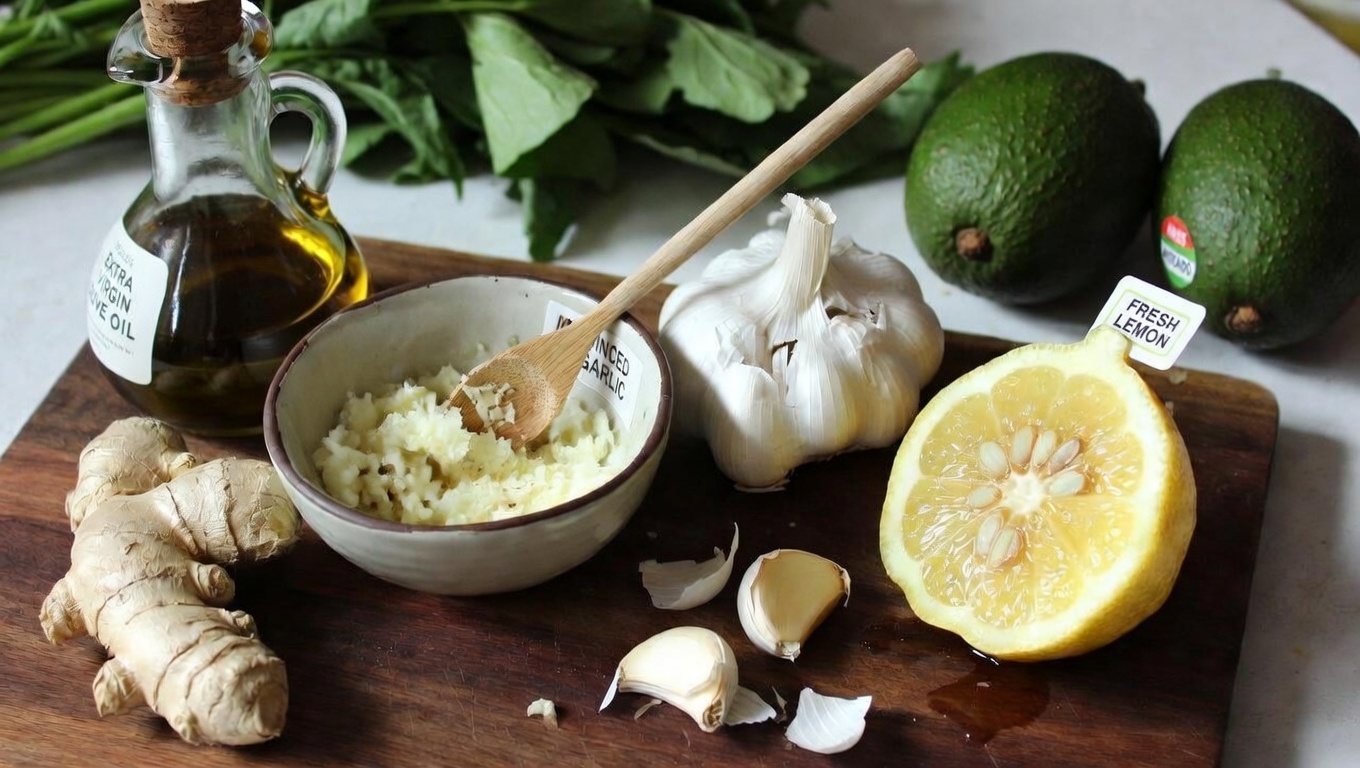
Ingredients
- 1 clove fresh garlic, finely minced
- Juice of ½ fresh lemon
- 1 teaspoon freshly grated ginger
- 1 cup warm water
- Optional: a small amount of honey for flavor
How to Prepare It
-
Crush the garlic
Mince the garlic and let it rest for about 10 minutes. This pause allows beneficial sulfur compounds, like allicin, to develop. -
Add lemon and ginger
Squeeze in the juice of half a lemon and stir in the grated ginger. -
Pour in warm water
Add warm (not boiling) water to protect delicate compounds, then mix well. -
Sweeten if you like
If you prefer a milder taste, stir in a small amount of honey. -
Drink on an empty stomach
Sip slowly in the morning before breakfast. Many people enjoy this 3–4 times per week as part of a heart-supportive routine.
Most find this drink refreshing, lightly energizing, and a pleasant way to start the day.
How to Turn These Ideas into Daily Habits
Adding heart-healthy foods does not have to be complicated. Small, steady changes are often the most sustainable and impactful.
-
Increase variety on your plate
Aim for half your plate to be filled with colorful vegetables and fruits at lunch and dinner. Rotate greens, citrus fruits, berries, and other produce. -
Choose healthier fats
Use extra virgin olive oil for cooking at low to medium heat or as a salad dressing instead of butter, margarine, or heavily processed sauces. -
Favor whole grains
Swap white rice, white bread, and refined pasta for oats, brown rice, quinoa, or whole-grain bread whenever possible. -
Snack with purpose
Keep heart-friendly snacks on hand, such as a small handful of walnuts, carrot sticks with hummus, or sliced avocado on whole-grain crackers. -
Stay active every day
Combine these dietary changes with regular movement—walking, cycling, light jogging, or any activity you enjoy. Physical activity enhances circulation and works together with nutrition for better heart outcomes.
Research suggests that these consistent habits—rather than drastic, short-term changes—play a key role in supporting heart and circulatory health over time.
Old-Fashioned Wisdom, Confirmed by Modern Science
Many of our grandparents and great-grandparents relied on simple, natural foods like garlic, lemon, herbs, and greens without thinking of them as “functional” or “superfoods.” Today, modern nutrition science increasingly validates the benefits of these traditional choices.
While no single ingredient can prevent or cure heart disease, regularly including foods such as garlic, ginger, oats, leafy greens, and healthy fats can be a powerful part of a realistic, long-term strategy for cardiovascular wellness. The goal is not perfection, but a pattern of choices that support your heart day after day.
FAQ: Simple Answers About Heart-Smart Eating
1. What is an easy way to start supporting my heart with food?
Begin with a few manageable changes:
- Add at least one serving of vegetables or fruit to each meal.
- Replace heavy, processed dressings or spreads with extra virgin olive oil and herbs.
- Try the morning garlic–lemon–ginger drink a few times per week.
These small steps can gradually shift your overall pattern in a heart-friendly direction.
2. How much of these foods should I aim for each day?
General guidelines often recommend:
- About 4–5 servings of fruits and vegetables per day
- A small handful of nuts, such as walnuts, most days of the week
- Whole grains (like oats, brown rice, or whole-grain bread) with most meals
Regularity matters more than exact numbers. Focus on building a consistent routine rather than chasing perfection.
3. Can these foods replace medication or professional medical advice?
No. Heart-healthy foods are a supportive part of your overall lifestyle, not a substitute for medical treatment. Always follow your healthcare provider’s recommendations regarding medications, tests, and treatment plans. Nutrition and lifestyle changes work best when they complement professional care, not when they replace it.