Think Twice Before Your Next McCafe Drink
If you love the convenience of McDonald’s and often grab a McCafe coffee on the go, you may want to pause before your next order. Behind the fast service and familiar flavors, there are troubling reports about the cleanliness of McCafe machines that could leave more than just a bad taste in your mouth.
The Hidden Problem Inside McCafe Machines
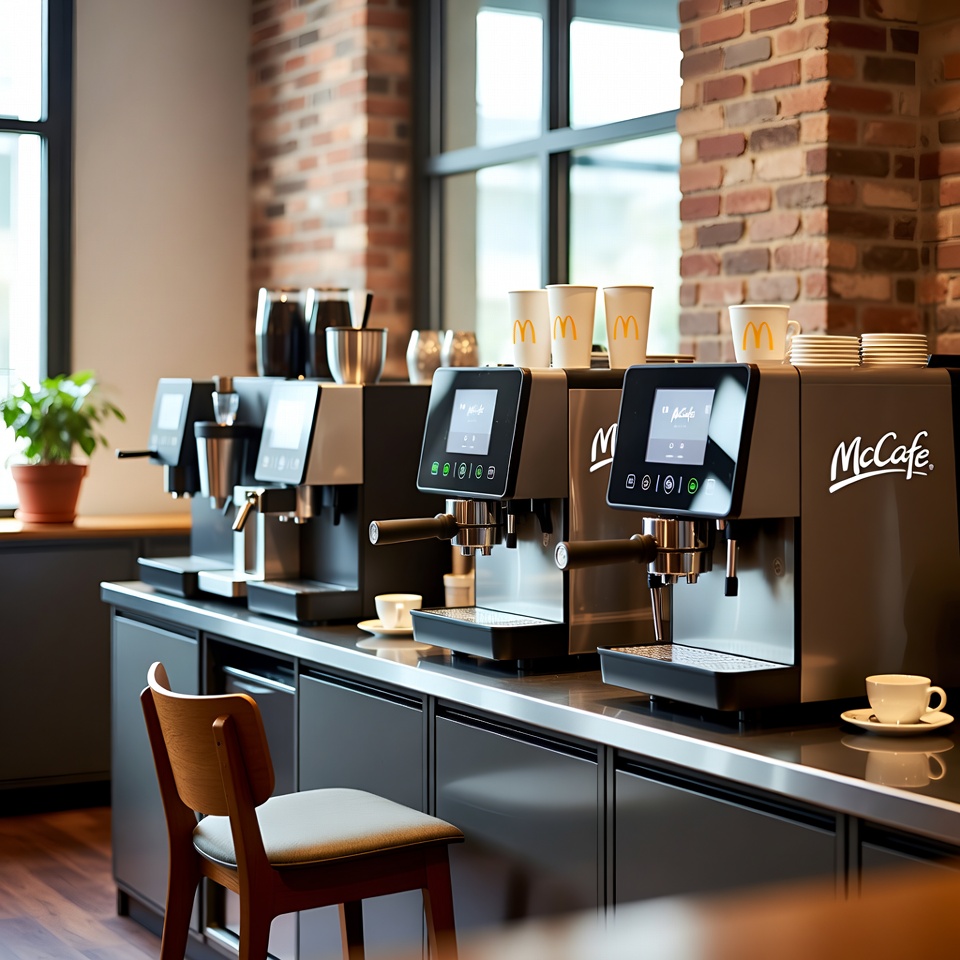
Anonymous McDonald’s employees have shared unsettling details about the state of some McCafe equipment. According to these reports, the machines are frequently overlooked in routine cleaning and can build up shocking levels of grime over time. Some employees claim that certain machines contain “5+ inches of uncleaned, liquid” collecting inside their internal components.
Even when staff members raise these concerns with managers, the issues are often ignored or inadequately addressed. This means customers may be drinking beverages made in machines that could harbor bacteria and contamination—without ever realizing the potential health risks.
Poor Training and Maintenance Make It Worse
The problem is not just neglect; it’s also a lack of proper training and systems. Many crew members and even managers are not fully trained to clean and maintain McCafe machines correctly. These machines often require specialized tools, detailed knowledge, and consistent upkeep.
Without clear procedures and adequate training:
- Essential cleaning steps may be skipped.
- Internal parts may go long periods without being properly sanitized.
- Staff may feel overwhelmed or unsure how to maintain the machines safely.
All of this makes it difficult to guarantee that drinks are being prepared under hygienic conditions.
Inconsistent Standards Across McDonald’s Locations
To be fair, not every McDonald’s restaurant is the same. Some locations do take cleanliness seriously and follow regular cleaning schedules for their McCafe machines. At these stores, equipment is better maintained and the risk to customers is likely much lower.
However, the problem lies in the inconsistency:
- Some restaurants maintain high hygiene standards.
- Others are far more lax, leaving machines dirty for extended periods.
- There is no guarantee that every store is following the same level of sanitation.
This uneven approach to cleaning creates an overall health risk for customers who assume that all McDonald’s locations are equally clean.
What’s clearly needed is a standardized, chain-wide cleaning protocol—strict procedures that are enforced and monitored—so customers can trust that their drinks are prepared safely, regardless of location.
McCafe’s Coffee Ambitions vs. Hygiene Concerns
McDonald’s has heavily promoted its McCafe line in recent years, aiming to compete in the coffee market and offer a cheaper alternative to brands like Starbucks. With a wide range of espresso-based drinks and flavored coffees, McCafe is designed to attract both casual and regular coffee drinkers.
But the revelations about dirty McCafe machines cast a shadow over these ambitions. It’s difficult to build a reputation as a serious coffee player while basic hygiene and maintenance are in question. For McDonald’s to succeed long-term in the coffee space, it must treat cleanliness as non-negotiable, not as an afterthought.
Consider Safer Alternatives for Your Coffee Fix
Given these reported issues, customers should be cautious when choosing where to buy their coffee:
- Think carefully before relying on McCafe beverages as your daily coffee option.
- Explore alternative coffee shops or chains with a strong reputation for cleanliness and food safety.
- Look for brands that are transparent about their cleaning practices and equipment maintenance.
The fast-food industry should not prioritize speed and low prices at the expense of customer health. Any steps that push chains to raise their hygiene standards—especially for beverage machines—are not just welcome, but essential.
What McDonald’s Needs to Do Next
For McDonald’s to restore confidence in its McCafe brand, it must take a more proactive and consistent approach to equipment hygiene. Potential solutions include:
-
Comprehensive Training Programs
Ensure all staff, including managers, are properly trained to clean and maintain McCafe machines, with clear, step-by-step guidelines. -
Stricter Maintenance Protocols
Implement mandatory cleaning schedules, detailed checklists, and regular inspections to verify that standards are being followed. -
Chain-Wide Standardization
Apply the same high-level sanitation requirements to every location, so customers receive a consistent level of safety and quality.
By prioritizing hygiene and customer safety, McDonald’s can rebuild trust with coffee drinkers worldwide and strengthen its position in the competitive coffee market.
A Wake-Up Call for McDonald’s—and for Consumers
McDonald’s is under growing pressure to address the concerns surrounding McCafe machine cleanliness. To protect its brand and remain credible in the coffee industry, the company must embrace transparency and accountability. That means openly acknowledging issues, sharing improvements, and enforcing real standards.
Until meaningful changes are clearly in place, consumers should approach McCafe drinks with caution, aware of the potential risks posed by neglected or contaminated equipment.
In an increasingly crowded coffee landscape, customers have plenty of choices. It’s more important than ever to prioritize:
- Quality
- Cleanliness
- Safety
McDonald’s now stands at a pivotal moment. By seriously addressing the problems with McCafe machine maintenance, it has the opportunity to redefine its approach to coffee service and become a leader in hygiene and customer satisfaction.
Ultimately, convenience should never come at the cost of health. By demanding higher standards and making informed choices, consumers can help push the industry toward safer, cleaner, and more trustworthy coffee experiences.