Beetroot for Eye Wellness: A Simple, Nutritious Recipe to Add to Your Routine
Modern life keeps many of us glued to screens for hours each day, whether for work, entertainment, or both. Over time, this habit can contribute to tired eyes, digital eye strain, and concerns about preserving healthy vision as we get older. Common symptoms such as headaches, dryness, and difficulty concentrating can affect both comfort and productivity.
One easy way to support overall wellness is through smart food choices. Adding nutrient-dense vegetables like beetroot to your diet is a practical, natural step. Even better, there is a simple way to prepare beetroot so it is flavorful, easy to enjoy, and convenient enough to eat regularly. Below, you will learn why beetroot deserves a place in a vision-conscious diet, along with an easy recipe you can make at home.
Why Beetroot Is Worth Considering for Eye Health
Beetroot, often called beets, contains several valuable plant compounds that make it stand out nutritionally. The leafy tops of the beet plant are especially rich in lutein and zeaxanthin, two carotenoids widely recognized for their role in supporting eye function.
These antioxidants may help shield the eyes by filtering blue light and supporting the macula, the area responsible for sharp central vision. Beetroot itself also contains natural nitrates, which the body can convert into nitric oxide. This may encourage better blood flow, including circulation that supports the eyes.
Some observational research discussed in health literature has linked a higher intake of vegetable nitrates from foods such as beets and leafy greens with a lower likelihood of early age-related eye changes. Although more studies are needed, this suggests beetroot can be a smart addition to a diet focused on long-term visual wellness.
Beetroot also contains vitamin A precursors and antioxidants called betalains, the compounds responsible for its rich red-purple color. These substances help combat oxidative stress, which is important for maintaining healthy cells throughout the body.
Key Nutrients Found in Beetroot
Knowing what beetroot offers nutritionally can make it easier to include in your weekly meals. Some of its standout components include:
- Lutein and zeaxanthin: Found mainly in the greens, these help protect eye tissues.
- Dietary nitrates: Support circulation and oxygen transport.
- Betalains: Unique antioxidants associated with anti-inflammatory effects.
- Fiber: Helps maintain digestive comfort and regularity.
- Folate and vitamin C: Support immunity, energy metabolism, and general wellness.
Together, these nutrients contribute to a broad range of natural body functions rather than targeting just one area of health.
Benefits That May Go Beyond Vision
Beetroot may offer more than eye support. Its antioxidant content has also drawn interest for possible liver-supportive effects. Some animal and laboratory studies suggest that compounds in beetroot may help protect the liver from oxidative stress and support its normal detox functions.
For digestive health, beetroot’s fiber content can help create a healthier intestinal environment. It may also contribute to a more balanced gut microbiome, thanks to the interactions between its plant compounds, fiber, and beneficial bacteria. Emerging research on betalains and polyphenols continues to explore these effects.
That said, beetroot should be viewed as part of a balanced eating pattern, not as a cure-all. Individual results can differ, and the best outcomes usually come from consistent, long-term habits.
Why Homemade Beetroot Is the Better Choice
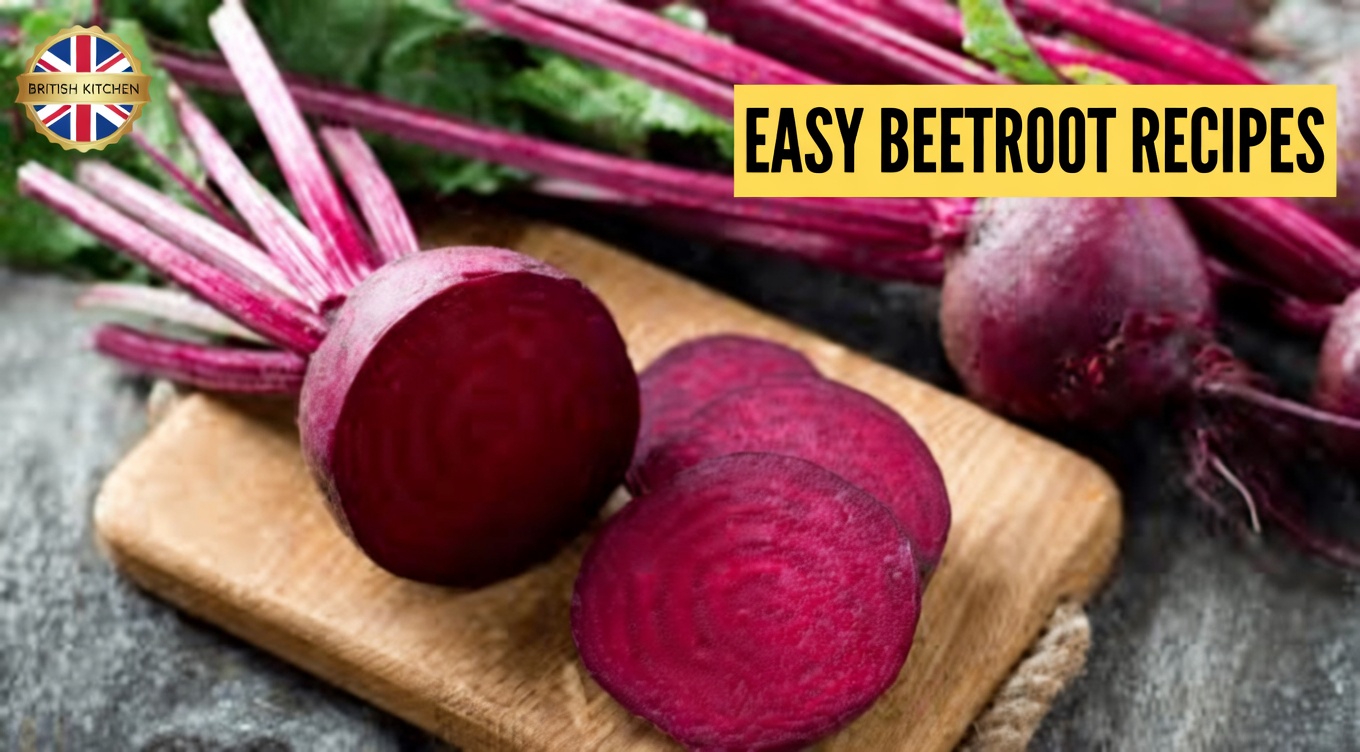
Prepared beet products from the store can be convenient, but they often contain added sugar, sodium, or preservatives. Making beetroot at home gives you full control over freshness and ingredients.
Home preparation also improves flavor. Cooking naturally brings out the sweetness of beets, which can make them more appealing, especially for people who are just starting to eat them more often.
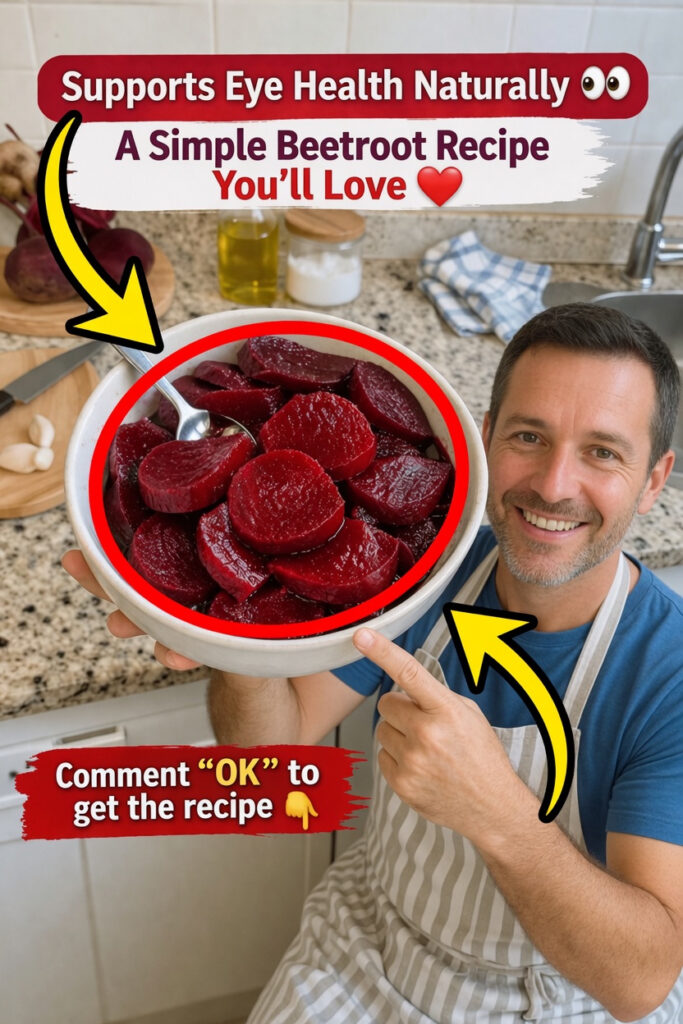
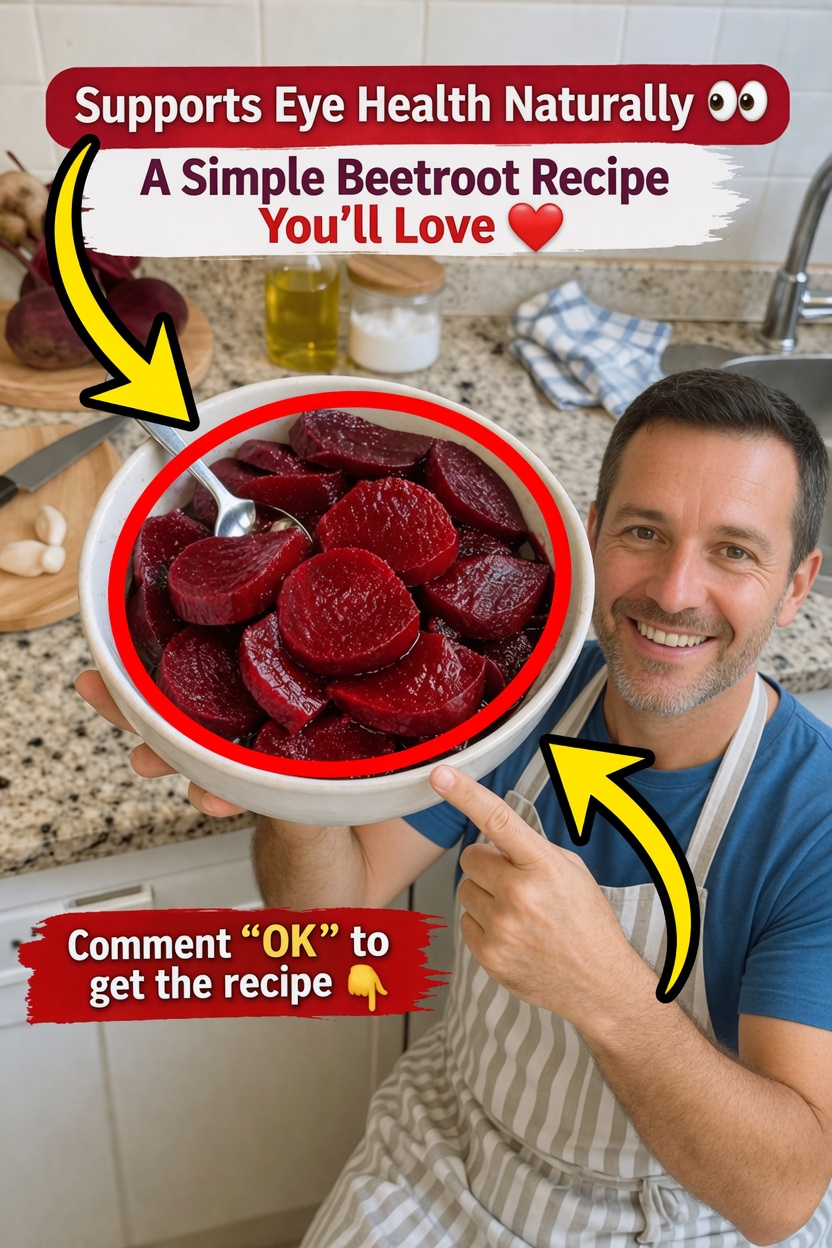
The recipe below is easy, uses only a few ingredients, and creates tender, glossy slices that work well in many meals.
Simple Beetroot Recipe: Tender Sliced Beets
This basic method gives you soft, flavorful beet slices that can be served warm or chilled. Total time is about 45 minutes, and it makes 4 side servings.
Ingredients
- 4 to 6 medium fresh beetroots (roughly tennis-ball size)
- Water, enough for boiling
- 1 tablespoon olive oil or butter (optional)
- Salt and pepper, to taste
- Optional: a splash of lemon juice or balsamic vinegar
- Optional: fresh parsley or other herbs for garnish
Step-by-Step Instructions
- Wash the beets well under running water.
- Trim the leaves, but leave about 1 inch of stem attached to reduce color loss while cooking.
- Do not peel the beets yet.
- Place them in a large pot and cover with cold water, leaving about 2 inches of water above the beets.
- Add a small pinch of salt.
- Bring the pot to a boil over high heat.
- Lower the heat and let the beets simmer for 30 to 45 minutes, depending on size, until a knife slides in easily.
- Drain the beets and let them cool until they are comfortable to handle.
- Remove the skins under cool running water; they should slip off easily.
- Slice the peeled beets into rounds or wedges about 1/4 inch thick.
- Drizzle with olive oil if using, then season with salt, pepper, and lemon juice or balsamic if desired.
- Toss gently and serve.
You can enjoy them right away or refrigerate them for up to 5 days.
Serving Ideas
These bright, tender slices are versatile and fit easily into everyday meals. Try them:
- On their own as a simple side dish
- Added to salads for color and sweetness
- Mixed into grain bowls
- Layered into lunch boxes
- Served chilled as part of a light meal
Tips for the Best Flavor and Texture
To get the most from your homemade beets, keep these tips in mind:
- Wear gloves while peeling to avoid staining your hands.
- Do not throw away the greens. Sauté them separately, as they are highly nutritious.
- Try roasting instead of boiling for a different taste. Wrap the beets in foil with a little oil and bake at 400°F for 45 to 60 minutes.
Easy Ways to Eat More Beetroot Each Week
If you want to make beetroot a regular part of your diet, here are some simple ideas:
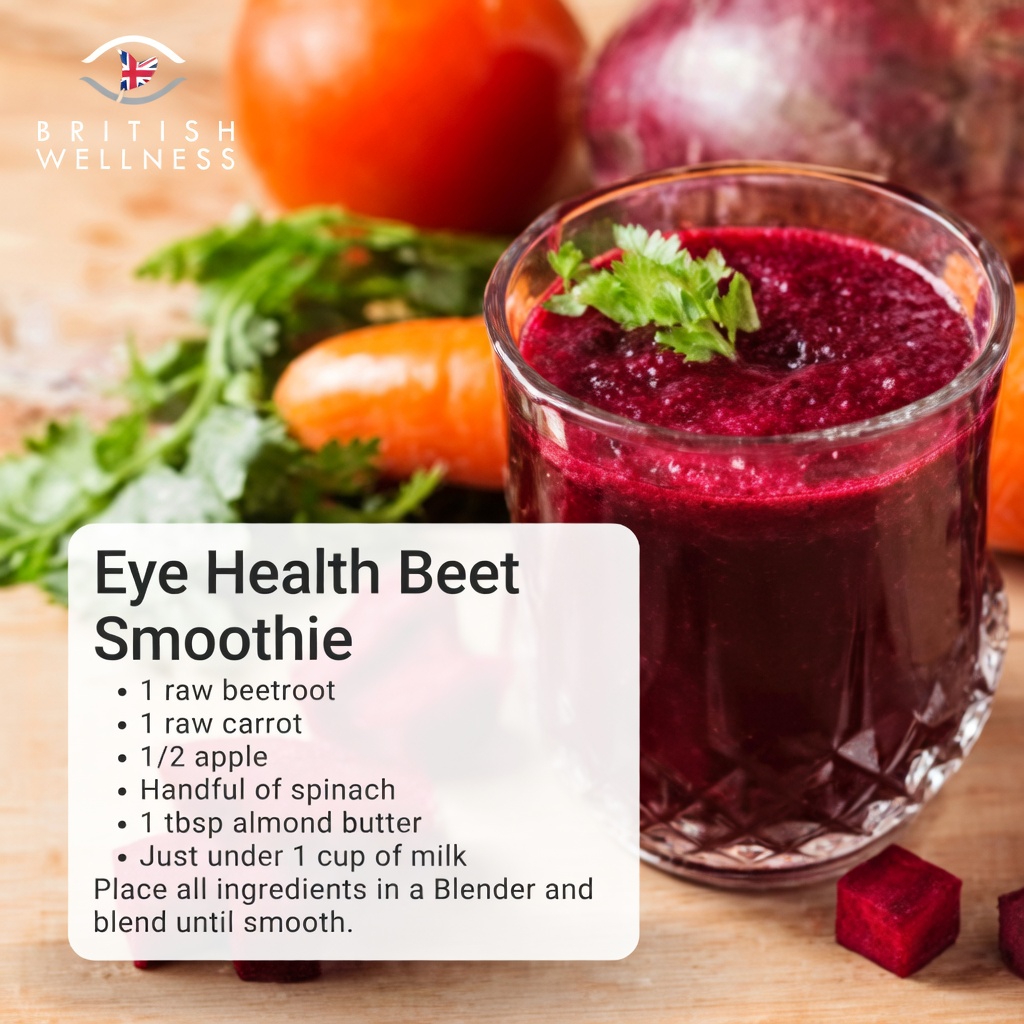
- Add beet slices to a morning smoothie with apple and carrot
- Toss prepared beets into green salads
- Pair them with quinoa, lentils, or feta in grain bowls
- Blend cooked beets into hummus for a colorful dip
- Enjoy fresh beet juice occasionally, starting with a small amount
Regular intake matters more than large portions. A few servings per week can fit well into a varied, vegetable-rich diet.
What Research Suggests About Beetroot
Nutrition experts and health organizations often mention beetroot in discussions about plant-forward eating. Reviews in peer-reviewed journals have highlighted the combination of nitrates, fiber, and betalains in beets as supportive of cardiovascular health. Better circulation can also benefit the eyes by helping maintain healthy blood flow.
The bigger picture is important: no single food transforms health overnight. However, regularly choosing nutrient-rich foods like beetroot fits well within evidence-based dietary advice. Publications such as The American Journal of Clinical Nutrition and others have examined how vegetable-rich diets are associated with stronger long-term health outcomes.
Final Thoughts
Adding a simple beetroot recipe to your weekly routine is an easy and practical way to support your nutrition goals. Beetroot offers appealing flavor, flexible uses, and a mix of nutrients that may benefit eye health, circulation, digestion, and overall wellness.
Start with the easy sliced beet recipe above and include it regularly for a few weeks. Small dietary changes often lead to lasting healthy habits over time.
FAQ
Why is beetroot considered beneficial for the eyes?
Beetroot and beet greens contain antioxidants such as lutein and zeaxanthin, along with nitrates that may support circulation. Research suggests these nutrients may help protect eye tissues from oxidative stress and support visual health.
How often should I eat beetroot?
A common recommendation is to include beetroot 2 to 3 times per week as part of a balanced diet that also includes other colorful vegetables.
Are canned or pickled beets still a good option?
Fresh or frozen beetroot is usually the best choice, but canned beets packed in water without added sugar can still be a convenient alternative. Pickled beets may contain extra sugar or sodium, so check the label carefully.