
Discovering the Quiet Power of Fig Leaves
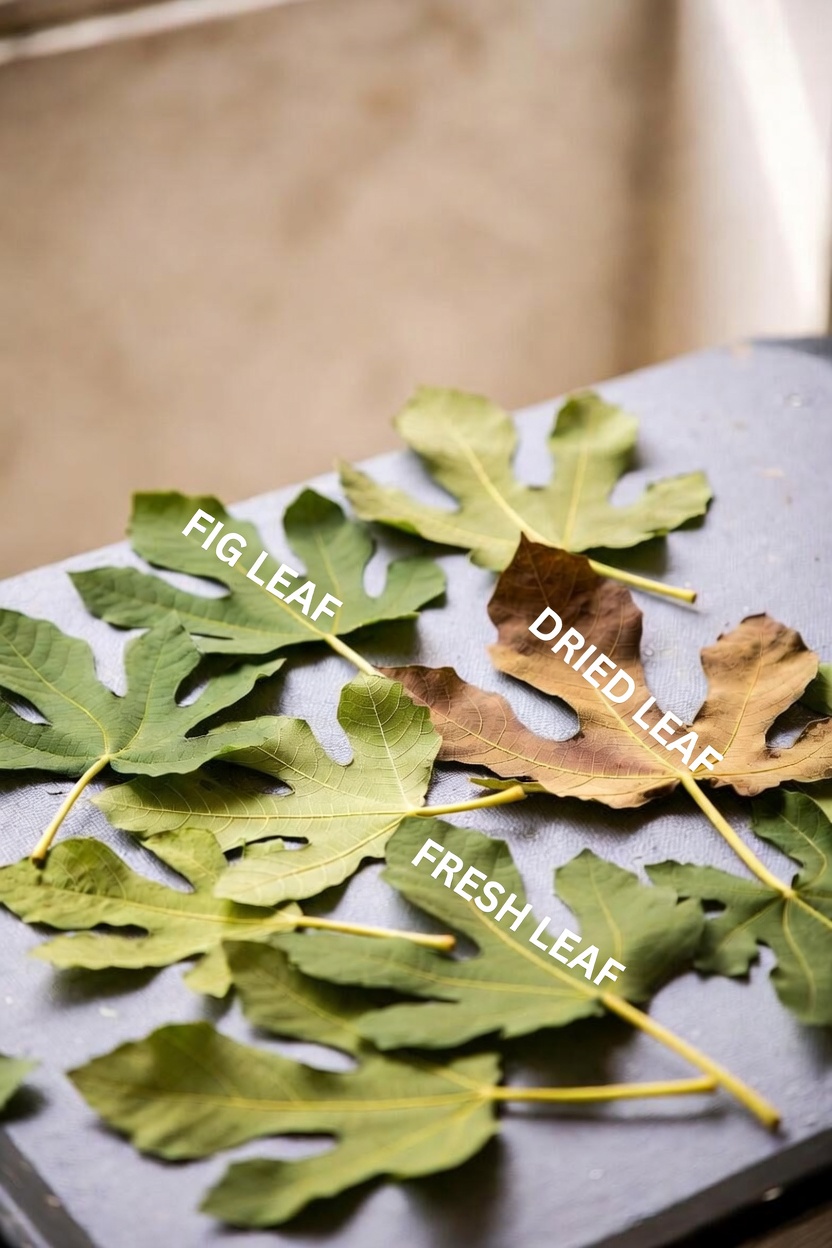
Most people recognize the fig tree for its sweet, juicy fruit and barely notice the leaves. Yet for generations, cultures around the world have turned to fig leaves as part of their traditional wellness practices. These leaves are rich in natural compounds like polyphenols and flavonoids, which may support overall well-being.
As we get older or navigate daily stress, many of us look for simple, natural ways to care for our health. Fig leaves might be one of those understated, accessible options. This guide explores fig leaf tea—what makes the leaves unique, their potential benefits, and how to prepare the tea safely at home.

What Makes Fig Leaves Unique?
Fig leaves, taken from the common fig tree (Ficus carica), are surprisingly dense in bioactive compounds. Scientific analyses have shown that the leaves contain:
- Antioxidant flavonoids
- Phenolic acids
- Various polyphenols
These powerful plant compounds help the body counteract oxidative stress, a process linked to cellular damage and aging.
Interestingly, research indicates that fig leaves can contain higher levels of certain antioxidants than the fruit itself. Notable compounds include:
- Rutin – known for its antioxidant and circulatory support properties
- Caffeoylmalic acid – another antioxidant with protective potential
Because of this profile, fig leaves represent a lesser-known but promising source of natural wellness support.
Across traditional systems, from Mediterranean countries to parts of Asia, fig leaves have long been brewed into herbal infusions. These teas are often consumed as a gentle, everyday tonic rather than a quick fix.
Potential Health-Supporting Benefits of Fig Leaf Tea
Modern research is beginning to explore and validate what traditional knowledge has suggested for centuries. While studies are still developing, several areas of potential benefit have emerged.
1. Support for Healthy Blood Sugar
- Some experimental and early clinical studies suggest that compounds in fig leaves may help the body maintain balanced blood sugar levels.
- Animal research and limited human trials indicate that fig leaf extracts could support more stable glucose regulation.
- This makes fig leaf tea an interesting addition to a health-conscious lifestyle, especially alongside a balanced diet and regular activity.
2. Comfort for Sensitive Skin
- In a double-blind, randomized trial, daily consumption of fig leaf tea was associated with reduced symptoms in people with mild atopic dermatitis.
- The tea appears to offer soothing effects, likely linked to its anti-inflammatory and antioxidant activity.
- While not a replacement for medical treatment, it may be a complementary option for skin comfort.
3. Antioxidant and Cellular Protection
- Fig leaves are rich in polyphenols, which contribute strong antioxidant action.
- Antioxidants help neutralize free radicals, supporting overall cellular health and resilience against everyday oxidative stress.
- This broad protective effect is one reason fig leaf tea is gaining attention as a gentle, daily herbal beverage.
4. Early Insights on Heart Health
- Animal studies have connected fig leaf compounds with improved lipid profiles and circulation.
- These preliminary findings suggest potential cardiovascular support, although human research is still limited.
Overall, fig leaf tea’s benefits are grounded in a combination of traditional use and emerging scientific data. The evidence is promising but not yet definitive, so it’s best viewed as a supportive measure rather than a cure or treatment.
How to Make Fig Leaf Tea at Home
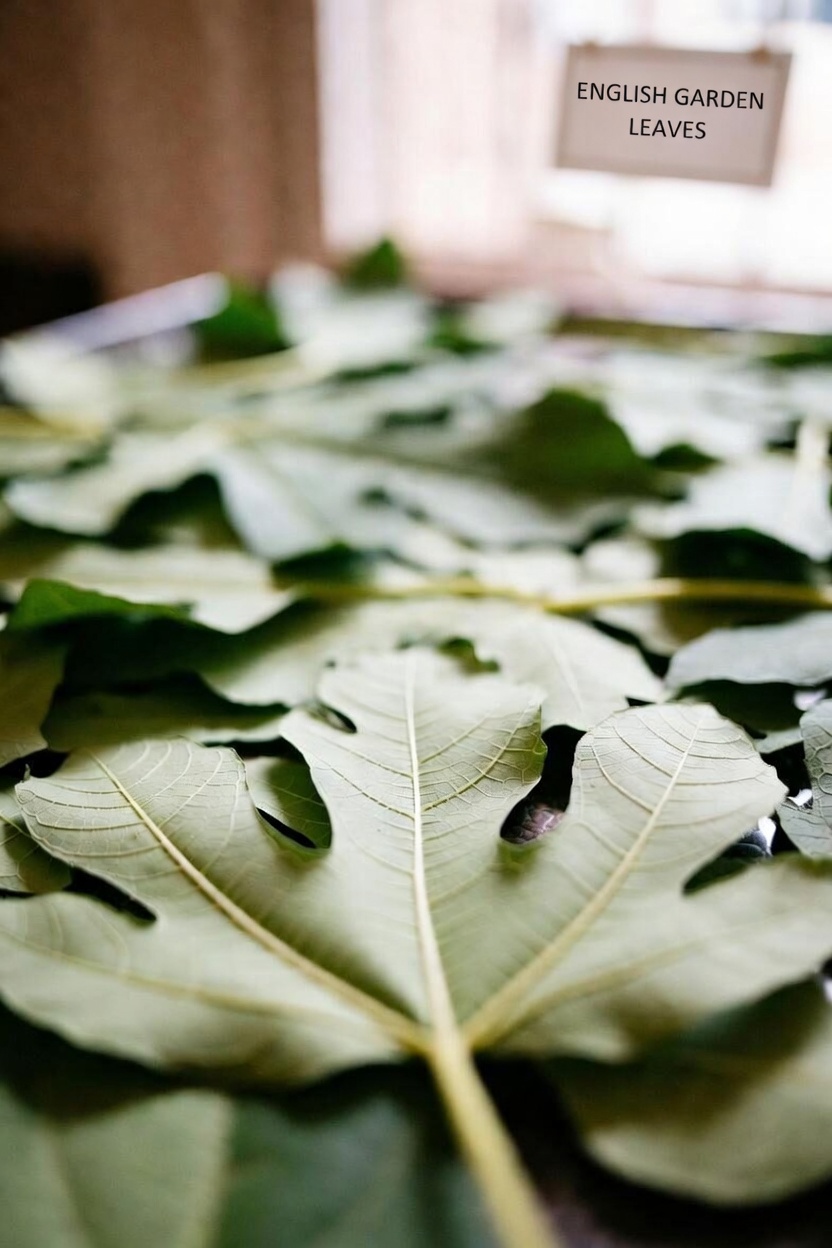
Preparing fig leaf tea is straightforward and uses very simple ingredients. Always make sure your leaves are clean and free from pesticides or other contaminants.
Ingredients
- 3–5 fresh fig leaves or 1–2 tablespoons of dried fig leaves
- 2 cups of water
- Optional: honey, lemon, or another natural sweetener for taste
Step-by-Step Instructions (Fresh Leaves)
-
Clean the leaves
Rinse the fig leaves thoroughly under cool running water to remove dust or debris. -
Prepare the leaves
Pat dry with a clean towel, then tear or chop the leaves into smaller pieces to help release their compounds. -
Boil the water
Bring 2 cups of water to a gentle boil in a small pot. -
Simmer the tea
Add the fig leaves, reduce the heat, and let them simmer for 5–10 minutes. -
Steep off the heat
Turn off the heat and allow the mixture to steep for an additional 5 minutes. -
Strain and serve
Strain the liquid into a cup or teapot, discarding the leaves.
Add honey or a squeeze of lemon if you prefer a sweeter or brighter flavor. -
Enjoy
Drink warm. Many people find 1–2 cups per day to be a comfortable amount.
Using Dried Fig Leaves
- Use about 1 tablespoon of dried leaves per cup of hot water.
- Pour freshly boiled water over the leaves.
- Cover and steep for around 10 minutes, then strain and serve.
Pro Tip: How to Dry Your Own Fig Leaves
If you have access to a fig tree, you can easily create your own supply:
- Harvest clean, healthy leaves.
- Lay them out in a single layer in a cool, well-ventilated spot away from direct sunlight.
- Allow them to air dry until they become crisp and brittle.
- Store the dried leaves in an airtight container, away from moisture and light, for future tea-making.
Safety Tips and Precautions
Fig leaf tea is generally considered safe for most healthy adults when consumed in moderate amounts. Still, there are a few important points to keep in mind:
- Skin sensitivity: Fresh fig leaves contain a milky sap that can irritate sensitive skin. If you’re handling a lot of leaves or have delicate skin, consider wearing gloves.
- Allergies: Avoid fig leaf tea if you know you are allergic to figs or latex, as cross-reactivity may occur.
- Medical conditions and medications:
- Speak with a healthcare professional before using fig leaf tea if you are pregnant, breastfeeding, or managing a medical condition.
- Extra caution is advised if you take medications that affect blood sugar or blood pressure, as fig leaves may have mild effects in these areas.
- Start small: Begin with a small serving and pay attention to how your body responds before making it a daily habit.
Why Fig Leaves Deserve a Second Look
In an era filled with complex formulas and heavily processed supplements, fig leaves offer something refreshingly simple: a traditional, plant-based option that can be enjoyed as a calming herbal drink.
Whether you are:
- Looking to support healthy energy and balance,
- Seeking a gentle addition to your skin or metabolic wellness routine, or
- Simply wanting to explore new herbal teas with a long history of use,
fig leaf tea provides a subtle yet intriguing option rooted in both tradition and emerging science.
FAQ: Fig Leaf Tea
What does fig leaf tea taste like?
Fig leaf tea has a mild, slightly earthy flavor with soft nutty and green notes. Many people find it smooth and easy to drink, especially with a touch of honey or a slice of lemon.
Can I drink fig leaf tea every day?
Yes, in traditional use and small studies, 1–2 cups per day is a common range. As with any herbal tea, listen to your body and adjust if you notice any discomfort.
Where can I find fig leaves?
- If you have a fig tree, you can harvest young, healthy leaves yourself (avoid leaves that are yellowing or damaged).
- If not, look for dried fig leaves from reputable online retailers, herbal suppliers, or specialty tea shops.
Is fig leaf tea the same as fig fruit tea?
No. Fig leaf tea is made from the leaves, which have a different profile of plant compounds than the fruit. The potential benefits described in research and traditional use are primarily associated with the leaves, not the fruit.