
A Simple Nighttime Trick for Dry, Rough Skin
By the end of a long day, it’s common for skin to feel parched, tight, and uneven—especially if you spend time in air-conditioned spaces, live in a cold climate, or face everyday environmental stressors that deplete natural moisture. This persistent dryness can make it harder to unwind at night and may leave you feeling less confident when a new day begins.
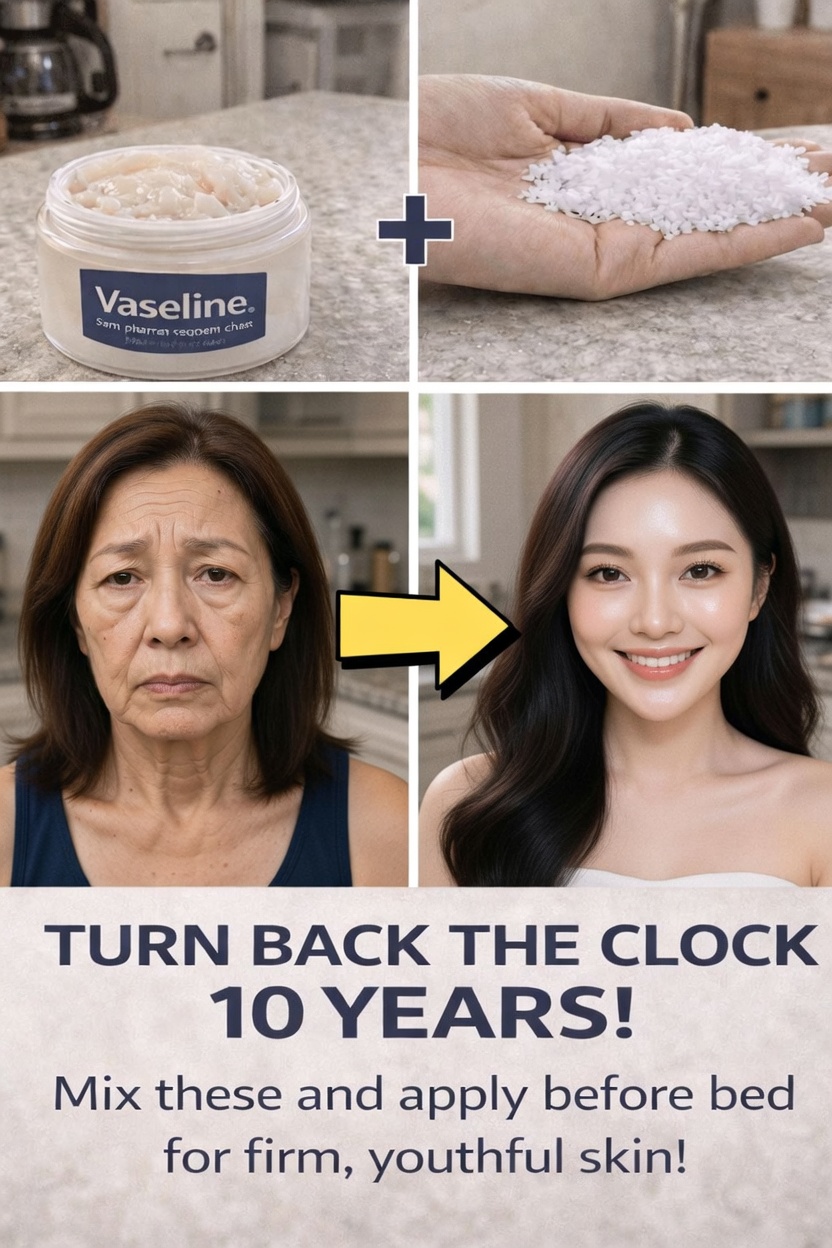
A gentle evening ritual using basic supplies you already own can give your skin extra comfort while you sleep. One especially interesting method uses a simple blend of two very common household items. This combination has quietly gained attention in home care routines—and this guide will walk you through exactly how it works and how to try it safely.
Why Nighttime Is a Prime Time for Skin Comfort
While you rest, your skin shifts into a natural recovery mode. Overnight is when it focuses on renewal and barrier support, making it a strategic moment to add soothing, hydrating steps.
At night:
- You’re not exposed to makeup, sun, or pollution.
- Physical activity decreases, so products stay in place more easily.
- Hydration and barrier-supporting ingredients have more time to work without interruption.
Many people notice that a simple, consistent evening routine helps them wake up with skin that feels calmer and more comfortable. Choosing ingredients that support moisture and gentle renewal can make this natural process feel more effective day to day.
Getting to Know Petroleum Jelly
Petroleum jelly is a familiar staple in many homes and first-aid kits. In skin care, it’s considered an occlusive, meaning it creates a protective layer on the surface of the skin.
This barrier can:
- Reduce water loss through the skin overnight
- Help lock in existing moisture and supporting products underneath
- Add extra comfort to areas that feel extremely dry or rough
It’s often used on:
- Elbows
- Knees
- Heels
- Hands and cuticles
Because it doesn’t hydrate on its own but prevents moisture from escaping, petroleum jelly is frequently mentioned in discussions about dry or compromised skin barriers.
The Second Ingredient: Everyday Table Salt
The other key item is something you likely reach for during every meal: table salt. When used sparingly in a DIY mixture, fine table salt can act as a mild physical exfoliant.
Its fine grains:
- Provide gentle friction to help lift away dead skin on the surface
- Can smooth out rough-feeling patches when used carefully
- Add texture to blends with occlusive products like petroleum jelly
When combined, salt and petroleum jelly form a thick paste with a distinctive consistency. However, it’s important to use this method with care: too much scrubbing or too frequent use may lead to irritation or increased dryness, especially for sensitive skin.
How to Prepare the Petroleum Jelly and Salt Mixture
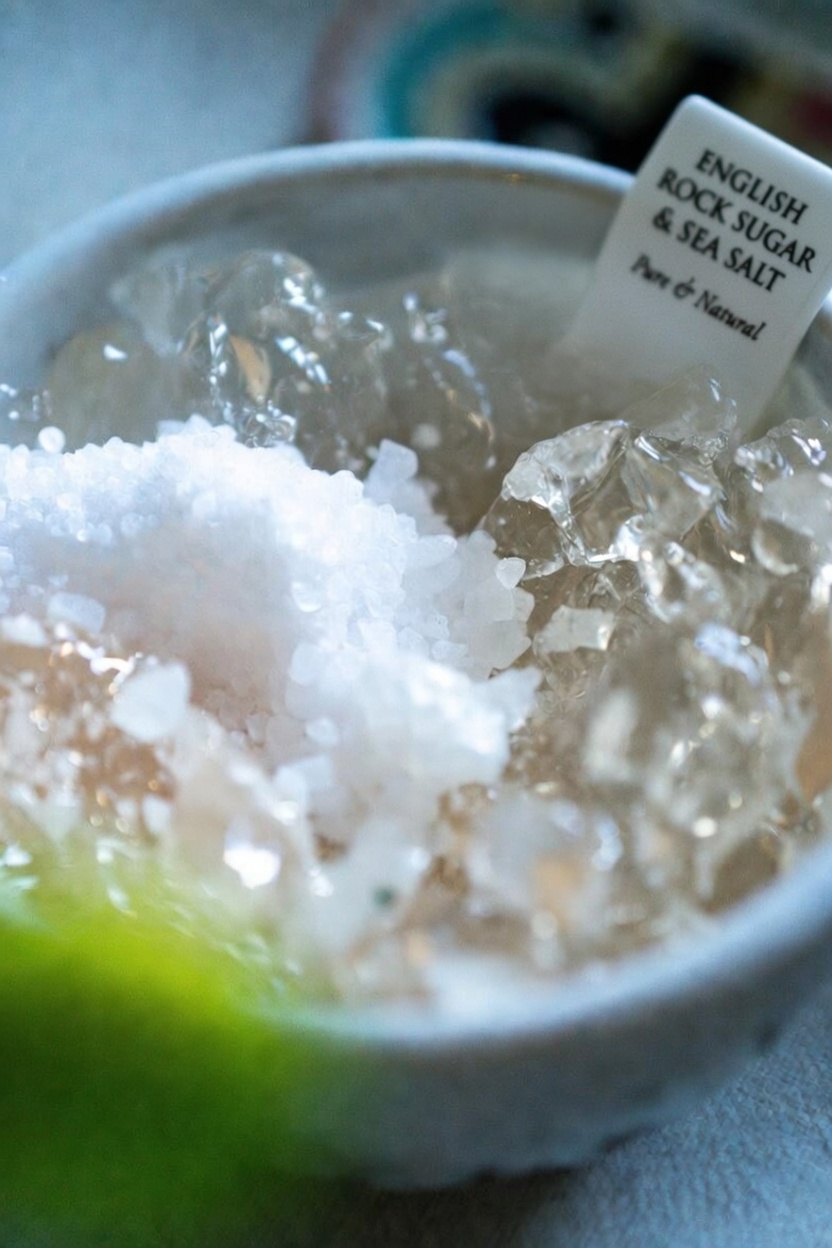
Follow this simple step-by-step process to create a single-use mixture:
-
Measure the ingredients
- Add 1 tablespoon of petroleum jelly to a clean, dry bowl.
- Add ½ teaspoon of fine table salt.
-
Blend into a paste
- Use a clean spoon or fingertip to mix thoroughly.
- Stir until the salt is evenly distributed and the mixture looks smooth and spreadable.
-
Adjust the texture if needed
- If it feels too thick or stiff, add a tiny drop of water or a neutral oil (such as olive or sunflower oil).
- Mix again until you reach a soft, creamy paste.
-
Prepare just enough for one use
- For hygiene and freshness, mix only what you expect to apply that evening.
This quick preparation usually takes no more than a couple of minutes and relies on items that are likely already in your kitchen and bathroom.
How to Apply the Mixture Safely and Effectively
Once your mixture is ready, you can incorporate it into your nighttime routine:
-
Start with clean, dry skin
- Wash the area with a gentle cleanser and pat completely dry.
-
Apply a thin layer
- Take a small amount of the paste on clean fingertips.
- Gently spread it over dry or rough zones such as hands, feet, elbows, or lower legs.
- Avoid scrubbing harshly—let the texture work lightly on the skin.
-
Leave it on overnight
- Allow the mixture to sit on the skin while you sleep so the occlusive layer can help reduce moisture loss.
-
Rinse in the morning
- In the morning, rinse off with lukewarm water.
- Pat dry and follow with your usual moisturizer or body lotion.
Important: Always perform a patch test first. Apply a tiny amount to a small area (like the inside of your forearm) and wait 24 hours to check for redness, stinging, or irritation—especially if your skin tends to be reactive.
Tips for Making This Routine Work for You
To get the most comfortable results from this simple home treatment, keep these practical tips in mind:
-
Choose fine salt
Use finely ground table salt rather than coarse crystals. It spreads more evenly and feels less abrasive. -
Apply only on intact skin
Do not use on open cuts, scratched areas, or active irritation. Salt can sting and worsen discomfort on broken skin. -
Limit how often you use it
Aim for no more than 2–3 times per week. Overdoing physical exfoliation may lead to dryness or sensitivity. -
Handle leftovers carefully
If you decide to keep a small amount for short-term reuse, store it in a clean, sealed container and use it soon. Discard at the first sign of contamination, odor change, or separation. -
Support your skin from the inside and environment
- Drink adequate water throughout the day to support overall hydration.
- Consider using a humidifier at night in very dry indoor environments.
These small adjustments can help your skin feel more balanced and comfortable, especially during harsh seasons or in drying climates.
What General Research Suggests About These Ingredients
While this specific mixture is more of a home remedy than a clinically tested formula, some general insights from skin care research can help frame expectations:
-
Occlusives like petroleum jelly
- Are widely recognized for helping reduce transepidermal water loss (TEWL), meaning they can help the skin hold onto moisture overnight.
- Are often recommended for very dry, chapped, or compromised areas as part of barrier-support routines.
-
Gentle exfoliation
- Light, controlled exfoliation is commonly referenced in skin care discussions as a way to help improve texture and smoothness over time.
- Over-exfoliation, however, can damage the skin barrier, leading to increased dryness and sensitivity.
Results will vary depending on:
- Skin type (dry, normal, oily, combination, sensitive)
- Climate and season
- Frequency and method of use
Pay attention to how your own skin responds and adjust accordingly.
Frequently Asked Questions
1. Is this mixture suitable for sensitive skin?
Not always. People with very sensitive, easily irritated, or barrier-compromised skin may find the salt component too harsh. If you have conditions such as eczema, rosacea, or frequent irritation, speak with a dermatologist or skin professional before trying this method.
2. How often can I use the petroleum jelly and salt blend?
For most people, using it up to two times per week is a reasonable upper limit. This helps prevent over-exfoliation and supports a balanced routine.
3. Are there gentler alternatives?
Yes. If the salt feels too abrasive, you might:
- Use petroleum jelly alone as an overnight occlusive layer on dry spots.
- Mix petroleum jelly with a drop of olive oil or another gentle oil for added slip and comfort, skipping the exfoliating texture entirely.
- Choose a store-bought mild scrub formulated for your skin type instead of DIY salt.
Final Thoughts on This Nighttime Skin Practice
This simple bedtime method offers an easy way to explore supportive skin care using common household items. By focusing on careful preparation, gentle application, and your own comfort level, you may find it adds a soothing, spa-like step to your evening routine.
Remember:
- Every skin type behaves differently.
- What feels comforting and effective for one person might need adjustment for someone else.
- The most important guideline is to observe your skin’s response over time and modify how often and where you use the mixture.
Used mindfully, this petroleum jelly and salt combination can be one more tool in your at-home toolkit for softer, more comfortable-feeling skin by morning.