
Tangy Red Onion Pickles: A Simple Everyday Support for Blood Sugar
Living with ups and downs in blood sugar can be draining. One moment you feel clear and energized, and the next you’re dealing with tiredness, cravings, or that “brain fog” that makes everything more challenging. For many people with type 2 diabetes or prediabetes, finding everyday foods that help steady blood sugar has become part of daily life. Surprisingly, something as familiar as the red onion may be part of that toolkit.
Emerging research suggests that onions—especially red ones—contain natural compounds such as quercetin and sulfur-based molecules that may support healthy glucose responses. When turned into a fermented or pickled condiment, they not only taste delicious but may also become even more beneficial. This easy pickled red onion recipe is getting attention for its bright, tangy flavor and its potential to help keep blood sugar more stable throughout the day. It’s quick, uncomplicated, and relies on simple ingredients you probably already have.
Beyond the great taste, there is real science behind why red onions are being discussed by health-focused professionals. Let’s break down what makes them special and how this recipe can fit into a balanced wellness plan.

Why Red Onions Are Interesting for Blood Sugar Support
Red onions are rich in plant-based nutrients. Compared with white or yellow onions, red varieties typically contain higher amounts of quercetin, a potent antioxidant that research has linked to better glucose handling and lower levels of inflammation.
Animal studies and early human research indicate that eating onions regularly may help reduce fasting blood sugar and improve insulin sensitivity. In several studies, participants consuming about 100 grams of raw red onion each day experienced gradual improvements in blood sugar readings. These benefits are thought to come from compounds that may:
- Slow the breakdown and absorption of carbohydrates
- Enhance how effectively insulin works in the body
Pickling adds another advantage. Vinegar, a key component of the brine, has been shown to help soften post-meal blood sugar spikes. If the onions are allowed to lightly ferment, they may also support gut health—an important factor in metabolic balance. Altogether, pickled red onions offer a low-carb, flavorful addition to meals that may complement your blood sugar management efforts.
The Science Linking Onions and Glucose Control
Here’s what current research suggests about onions and blood sugar regulation:
-
Quercetin’s Effects
The flavonoid quercetin, found in high levels in red onions, acts as an antioxidant and may help cells respond more effectively to insulin. Animal studies show that quercetin can reduce high blood sugar and improve how cells take up glucose. -
Sulfur-Based Compounds
Onions contain sulfur compounds such as allyl propyl disulfide, which may support insulin production and help protect cells from oxidative stress—an issue commonly associated with diabetes and metabolic disorders. -
Human Studies
Small clinical trials involving people with type 2 diabetes have reported that eating fresh onions (especially red varieties) can lower fasting blood glucose and improve how the body processes a glucose load. -
Benefits of Pickling and Vinegar
Vinegar-based pickles may further support blood sugar stability by slowing gastric emptying, moderating the rise in blood glucose after eating, and boosting feelings of fullness.
Although larger, long-term human studies are still needed, these findings suggest that onions can be a useful part of a dietary pattern aimed at supporting metabolic and blood sugar health.
Easy No-Sugar Pickled Red Onion Recipe
This quick recipe is sugar-free, zesty, and incredibly versatile. Use it to brighten salads, tacos, grain bowls, sandwiches, or grilled meats and plant-based proteins. It takes about 10 minutes of active prep and keeps well in the refrigerator for up to two weeks.
Ingredients (Makes About 2 Cups)
- 2 medium red onions, very thinly sliced (a mandoline works well)
- 1 cup apple cider vinegar (choose raw, unfiltered if available)
- 1 cup water
- 1 tablespoon sea salt
- 1 teaspoon whole black peppercorns
- 2 garlic cloves, peeled and lightly crushed (optional, for extra flavor)
- 1 bay leaf (optional)
- A pinch of red pepper flakes (optional, for gentle heat)
Step-by-Step Instructions
-
Prepare the onions
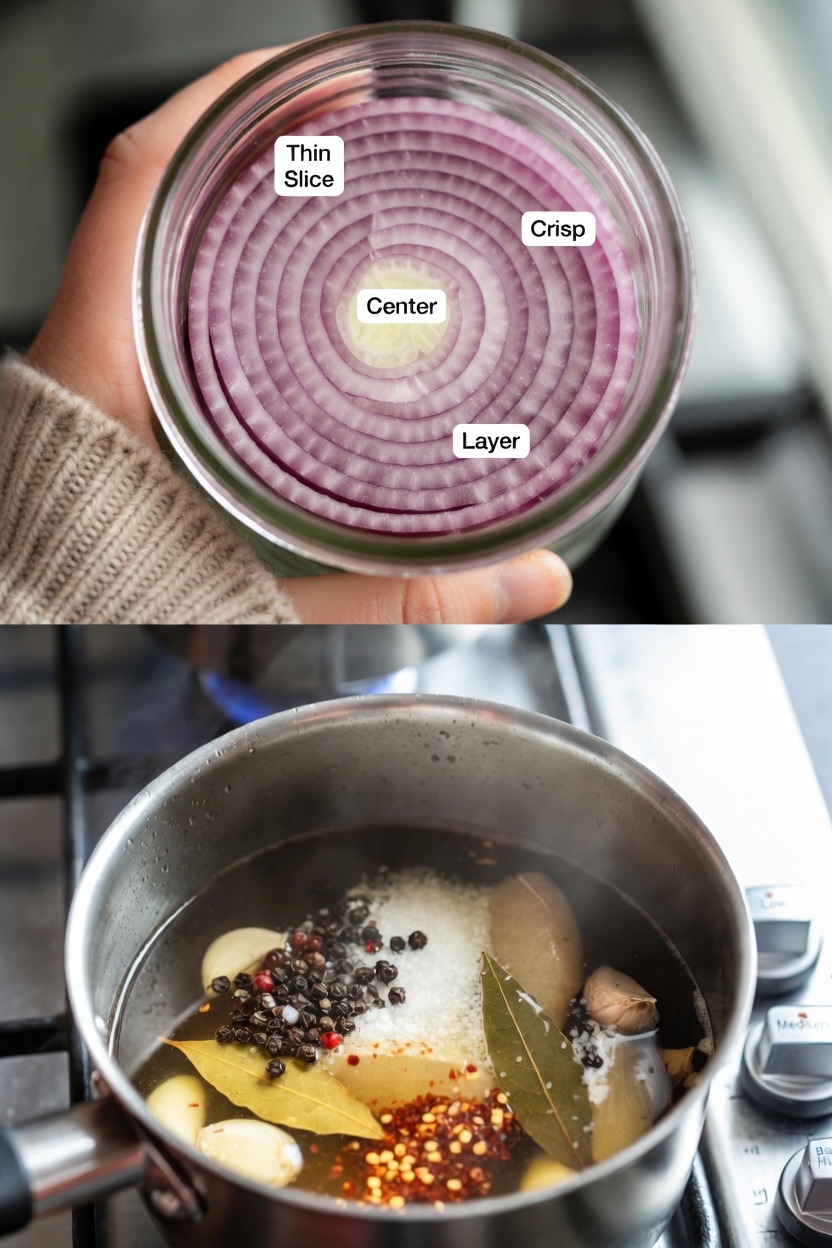
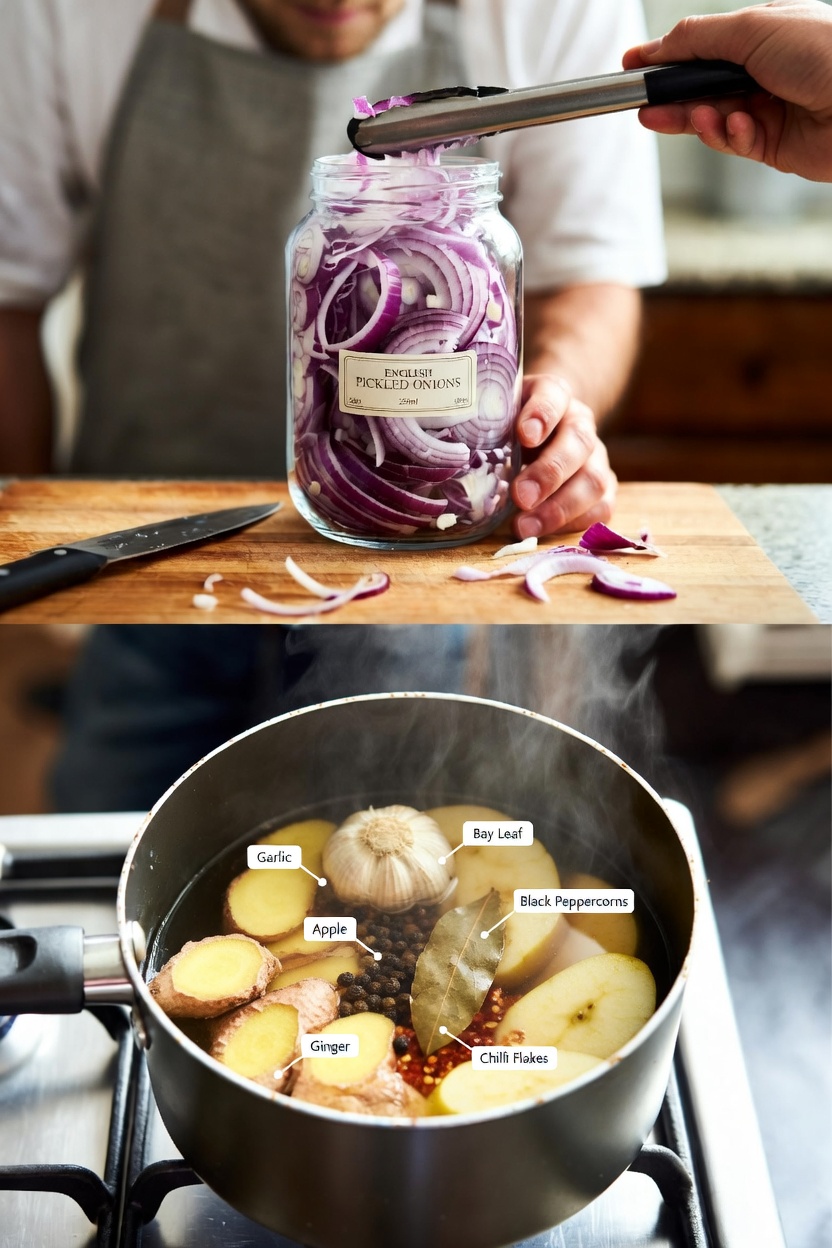
Slice the red onions into thin rings or half-moons and pack them snugly into a clean glass jar. -
Make the brine
In a small saucepan, combine vinegar, water, sea salt, black peppercorns, garlic, bay leaf, and red pepper flakes. Warm over medium heat until it reaches a gentle simmer, stirring until the salt is fully dissolved. -
Cool briefly
Remove the saucepan from the heat and let the brine cool for about 5 minutes. -
Pour over the onions
Carefully pour the warm brine into the jar, making sure the onion slices are completely covered. Use a spoon to press the onions down if necessary. -
Let it rest
Allow the jar to cool to room temperature uncovered. -
Refrigerate
Once cooled, seal the jar and place it in the refrigerator. For optimal flavor and texture, wait at least 24 hours before eating. The taste will continue to develop over the next few days.
Enjoy about 1–2 tablespoons with your meals to add crunch, acidity, and a potential boost for your wellness goals.
Tips, Storage, and Easy Variations
-
Storage
Keep the jar refrigerated and use within 2 weeks. The onions typically stay crisp and the flavor intensifies over time. -
How to Serve
- Scatter over salads, grain bowls, or roasted vegetables
- Add to burgers, sandwiches, wraps, or avocado toast
- Serve alongside grilled chicken, fish, tofu, or other lean proteins
For balanced meals, pair with fiber-rich vegetables, whole grains, and quality protein.
-
Flavor Variations
- Add a cinnamon stick or a piece of star anise for a warm, aromatic twist
- Swap apple cider vinegar for rice vinegar if you prefer a softer, less sharp flavor
- Include fresh herbs like dill or oregano for an herby note
-
Portion Guidance
While onions are relatively low in carbohydrates, they still contain natural sugars. Start with small portions—especially if you’re monitoring your blood sugar closely—and see how your body responds.
Why This Recipe Can Support Everyday Wellness
These pickled red onions are more than just a tasty garnish—they’re a practical, low-calorie, and blood-sugar-friendly condiment that fits easily into most eating patterns. The combination of red onion compounds and vinegar may support more stable glucose responses when enjoyed alongside an overall healthy diet.
Many people find that adding tangy, acidic foods like pickles or fermented vegetables helps them feel more satisfied after meals. The sharp, bright flavor can reduce the desire for overly sweet or heavy foods, making it easier to avoid less healthy snacks between meals.
Of course, no single ingredient can “fix” blood sugar issues. But consistently choosing nutrient-dense, supportive foods like these onions can contribute to better day-to-day energy, fewer swings, and improved overall well-being.
Conclusion
Red onions provide a natural source of beneficial compounds that may help promote healthier blood sugar balance. Turning them into a quick, vinegar-based pickle makes it simple to enjoy them daily as part of your usual meals.
If you are managing diabetes, prediabetes, or any blood sugar concern, it’s important to talk with your healthcare provider before making significant dietary changes. However, incorporating small, sustainable habits—such as adding a spoonful of pickled red onions to your plate—can be an easy, enjoyable step toward better long-term health.
FAQ
1. How much pickled red onion should I eat to support blood sugar?
A good starting point is 1–2 tablespoons per meal. While some studies have used about 100 grams of fresh onion per day to observe benefits, smaller, consistent portions of pickled red onion can still contribute positively when part of a balanced diet.
2. Can pickled onions replace diabetes medication?
No. Pickled onions, or onions in any form, cannot replace prescribed treatments or professional medical guidance. They may support healthy glucose levels as part of a comprehensive plan, but you should always follow your healthcare provider’s recommendations.
3. Are there side effects from eating pickled onions?
Most people tolerate pickled onions well. However, eating large amounts may lead to digestive discomfort, gas, or bloating in some individuals due to their fiber and sulfur content. If you have a sensitive stomach or digestive issues, introduce them slowly and monitor how you feel.