The Purpose of Shirt Loops: A Closer Look at the Locker Loop
Shirt loops, often called locker loops or fairy loops, are the small fabric tabs you see stitched into the upper back of many men’s dress shirts and casual button-downs. While they might seem like a decorative detail, these loops actually carry a mix of practical, stylistic, and even social meanings.
Casual Style with Dress Shirts
On many men’s dress shirts, especially button-down and oxford styles, the loop sits discreetly between the shoulder blades.
- It complements a casual, relaxed look, especially when the shirt is worn untucked or with the top buttons undone.
- The loop subtly emphasizes the back of the shirt, adding a small design detail that feels refined yet understated.
In short, the locker loop contributes to a laid-back but polished aesthetic, making dress shirts versatile for both casual and smart-casual outfits.
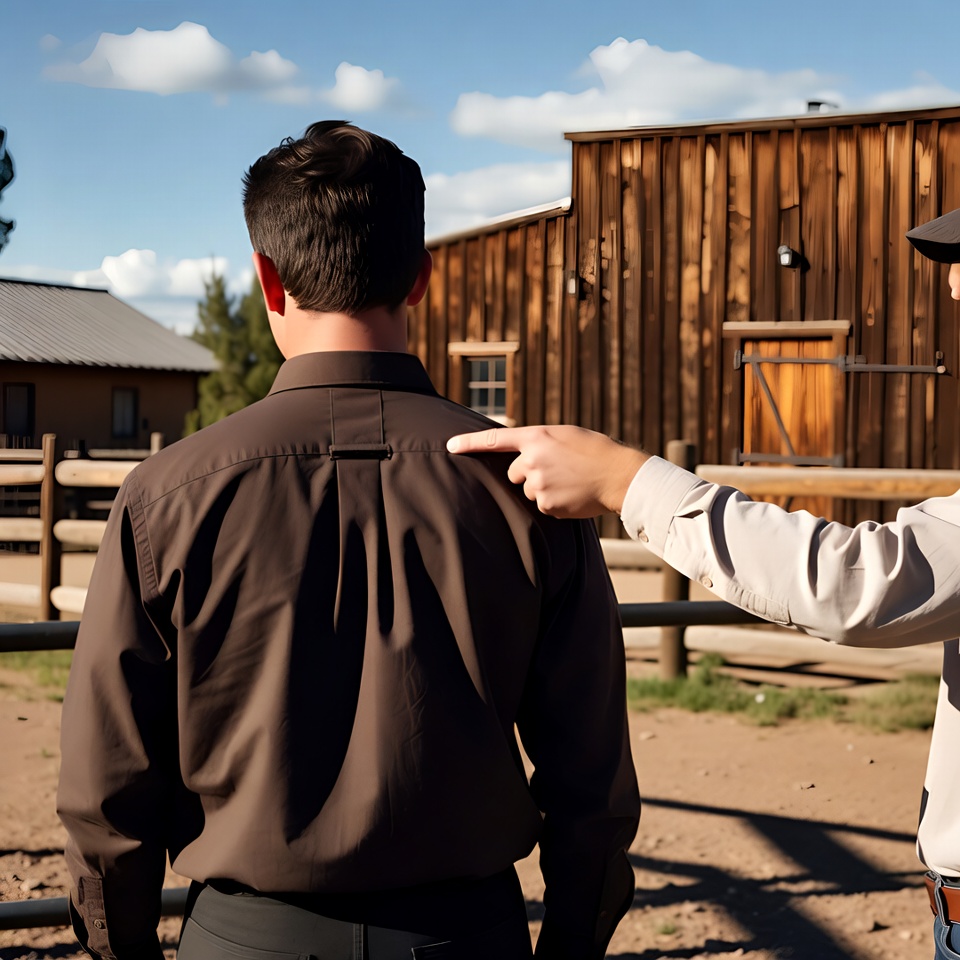
Versatile Styling and Gym Convenience
Despite its size, the shirt loop can be surprisingly useful in everyday life.
Style Versatility
When combined with the right wardrobe staples, the loop supports a more elevated look:
- Pairing a button-down with a locker loop and well-fitted jeans can create a sophisticated casual outfit.
- Accessories like a leather belt or minimalist watch help the shirt transition easily from daytime wear to evening social settings.
Practical Use for Active Lifestyles
For people who go to the gym or move between work and workouts:
- The locker loop allows you to hang your shirt on a hook, peg, or locker door without needing a hanger or closet.
- It keeps the shirt off the floor, helping to reduce wrinkles and maintain a neater appearance.
This functional origin is exactly why the term “locker loop” became popular.
A Subtle Indicator of Relationship Status
Beyond practicality and style, the locker loop has also carried a social meaning in certain circles.
In some American college traditions:
- Wearing a shirt with the loop intact suggested that the wearer was single and available.
- Removing the loop could indicate that the person was in a committed relationship.
This unwritten code turned a simple piece of fabric into a discreet signal of relationship status—communicating personal information without saying a word.
How the Meaning of Shirt Loops Has Evolved
Originally, shirt loops were introduced primarily for function—to hang shirts conveniently and prevent wrinkles. Over time, however, their role has shifted:
- Many manufacturers now add the loop as a design detail, not necessarily expecting it to be used.
- In modern fashion, the loop often acts more like an aesthetic signature, a nod to the garment’s heritage rather than a purely practical feature.
Although its original purpose has faded for some wearers, the loop still carries a sense of tradition and subtle sophistication.
The Timeless Appeal of Men’s Shirt Loops
A Window into American Fashion History
American fashion has changed dramatically over the last hundred years, yet a few classic details have endured. The shirt loop is one of those enduring elements:
- It reflects the blend of practicality and style that defines much of traditional American menswear.
- The continued use of locker loops on shirts connects modern wardrobes with mid-20th-century fashion culture.
The “Fairy Loop” or “Locker Loop” Explained
The terms “fairy loop” and “locker loop” both refer to this small fabric tab on the back of a shirt. Its presence invites questions about its origin and purpose, adding an intriguing detail to an otherwise simple garment.
Historical Origins: From Sailors to Preppy Style
Sailor Roots and Practical Beginnings
Many fashion historians trace the locker loop back to American sailors:
- Sailors needed a way to hang their shirts in cramped ship cabins where closet space was limited or nonexistent.
- The loop made it easy to hook shirts onto nails, pegs, or lines, helping them dry and stay relatively wrinkle-free.
This practical solution later found its way into everyday clothing on land.
Rise of the Preppy Look in the 1960s
By the 1960s, the locker loop had become a hallmark of “preppy” style, especially among American college students:
- Button-down oxford shirts featuring loops were widely worn on Ivy League campuses.
- The loop became associated with clean-cut, collegiate fashion—an image that still influences menswear today.
Gant and the Ivy League Connection
Clothing brand Gant, known for its strong Ivy League heritage, has highlighted the role of shirt loops in campus style:
- Gant’s button-down shirts with locker loops gained significant popularity among male students in the 1960s.
- The design is said to have spread from Yale and other elite universities to campuses across the United States.
- As the look caught on nationally, the locker loop became a recognizable sign of Ivy League–inspired menswear.
This association with higher education and East Coast prep culture helped cement the loop as a timeless detail.
Modern Meaning: Function, Style, and Heritage
Today, the shirt loop stands at the intersection of practicality and tradition:
- It still offers a simple way to hang a shirt in gyms, locker rooms, and tight spaces.
- It adds a subtle design touch to dress shirts and casual button-downs, enhancing their visual appeal.
- It serves as a quiet reminder of American fashion history, from sailors’ uniforms to Ivy League campuses and preppy style.
In essence, the locker loop has evolved from a purely functional feature into a small but meaningful symbol of casual elegance and classic American menswear—a tiny detail with a surprisingly rich story.