
Watermelon Seeds: The Surprisingly Nutritious Ingredient You’re Throwing Away
Most of us spit out or discard watermelon seeds without thinking twice. Yet those tiny black seeds are loaded with valuable nutrients—magnesium, iron, zinc, protein, and healthy fats—that can quietly support everyday wellbeing. As busy schedules, aging, and low-grade issues like occasional bloating or fatigue creep in, staying hydrated and feeling energized can become more challenging.
That’s where watermelon seed tea comes in. This simple, traditional drink is gaining popularity as an easy way to tap into the seed’s nutrition in a gentle, hydrating form. Emerging research and long-standing folk use suggest it may offer modest, but meaningful, support for comfort, energy, and fluid balance.
In this guide, you’ll learn:
- What makes watermelon seeds nutritionally impressive
- Potential benefits of drinking watermelon seed tea regularly
- What you might notice after 7 days
- A step-by-step recipe you can make at home
- Practical tips to get the best results

Why Watermelon Seeds Are Worth Keeping
Watermelon seeds (from Citrullus lanatus) are more than just edible—they are nutrient-dense.
A small portion can provide:
- Magnesium to support muscle and nerve function
- Iron to help with oxygen transport and energy support
- Zinc to assist immune health and recovery
- Healthy fats that contribute to heart and cell health
- Protein to help the body repair and maintain tissues
Nutrition analyses and resources such as Healthline highlight watermelon seeds as a notable source of magnesium and iron—two minerals many people fall short on.
What makes tea especially interesting is how the nutrients are accessed. When the seeds are lightly crushed and simmered, compounds infuse into the water. This traditional preparation method has been used in some cultures to promote hydration, comfort, and a subtle diuretic effect.
Key Nutrients Found in Watermelon Seeds
Here’s a simplified look at some of the main nutrients in a small serving of watermelon seeds:
- Magnesium – Plays a role in muscle relaxation, nerve signaling, and energy production
- Iron – Essential for carrying oxygen in the blood and supporting overall energy
- Zinc – Important for immune function, skin health, and normal metabolism
- Unsaturated fats – Help support cardiovascular health in the context of a balanced diet
- Protein – Provides amino acids needed for daily repair and maintenance
These values align with data from nutrition databases that classify watermelon seeds as a surprisingly nutrient-rich food.

Potential Benefits of Watermelon Seed Tea
No drink is a magic cure, but watermelon seed tea benefits may complement a healthy lifestyle in several ways. Based on nutritional properties and traditional use, here are some potential supportive effects:
1. Supports Hydration and Fluid Balance
Watermelon flesh is over 90% water, and when the seeds are brewed, they may provide a mild diuretic-like effect. This can help:
- Encourage gentle flushing of fluids
- Reduce a sense of puffiness or heaviness from minor fluid retention
For many people, this contributes to a feeling of lightness and better overall comfort.
2. May Help Maintain Heart Health
Minerals found in watermelon seeds, particularly magnesium and potassium, are known to:
- Support healthy blood pressure levels when paired with a balanced diet
- Assist proper muscle function, including the heart
Although much of the research focuses on watermelon flesh and compounds like citrulline, the seeds offer complementary mineral support that fits well into heart-conscious routines.
3. Encourages Digestive Comfort
Thanks to their fiber and magnesium content, watermelon seeds may:
- Promote more regular bowel movements
- Ease occasional bloating or mild digestive sluggishness
People who drink the tea consistently often report feeling more comfortable and less “weighed down.”
4. Boosts Daily Nutrient Intake for Steadier Energy
If you’re looking for non-caffeinated energy support, watermelon seed tea can be helpful. Its:
- Iron contributes to normal energy levels by supporting oxygen transport
- Zinc and magnesium aid various metabolic processes
Because the tea is low in calories and sugar (especially unsweetened), it can be a gentle addition to your daily routine without the crash that comes with stimulants.
5. Offers Antioxidant Support
Watermelon seeds contain antioxidant compounds that can help:
- Combat everyday oxidative stress
- Support overall vitality and long-term wellness
While the effects are subtle, adding one more source of antioxidants to your diet can be part of a broader, protective lifestyle.
What Might You Notice After Drinking It Daily for 7 Days?
Everyone’s body responds differently based on diet, hydration, activity level, and health history. Still, people who try watermelon seed tea daily often describe gradual changes rather than dramatic shifts.
Here’s a general timeline some report:
Days 1–3
- Slight increase in urination as the mild diuretic effect begins
- A potential decrease in feeling “puffy” or heavy due to fluid buildup
Days 4–7
- More comfortable, regular digestion
- Steadier, more sustained energy from improved hydration and mineral intake
- A subtle sense of lightness and improved comfort
Think of it as similar to building a daily herbal tea habit: small, consistent choices that may gently support how you feel over time, rather than a quick-fix solution.
How to Make Watermelon Seed Tea at Home
The best part? Watermelon seed tea is simple and inexpensive to prepare. Use clean, preferably organic seeds when possible.
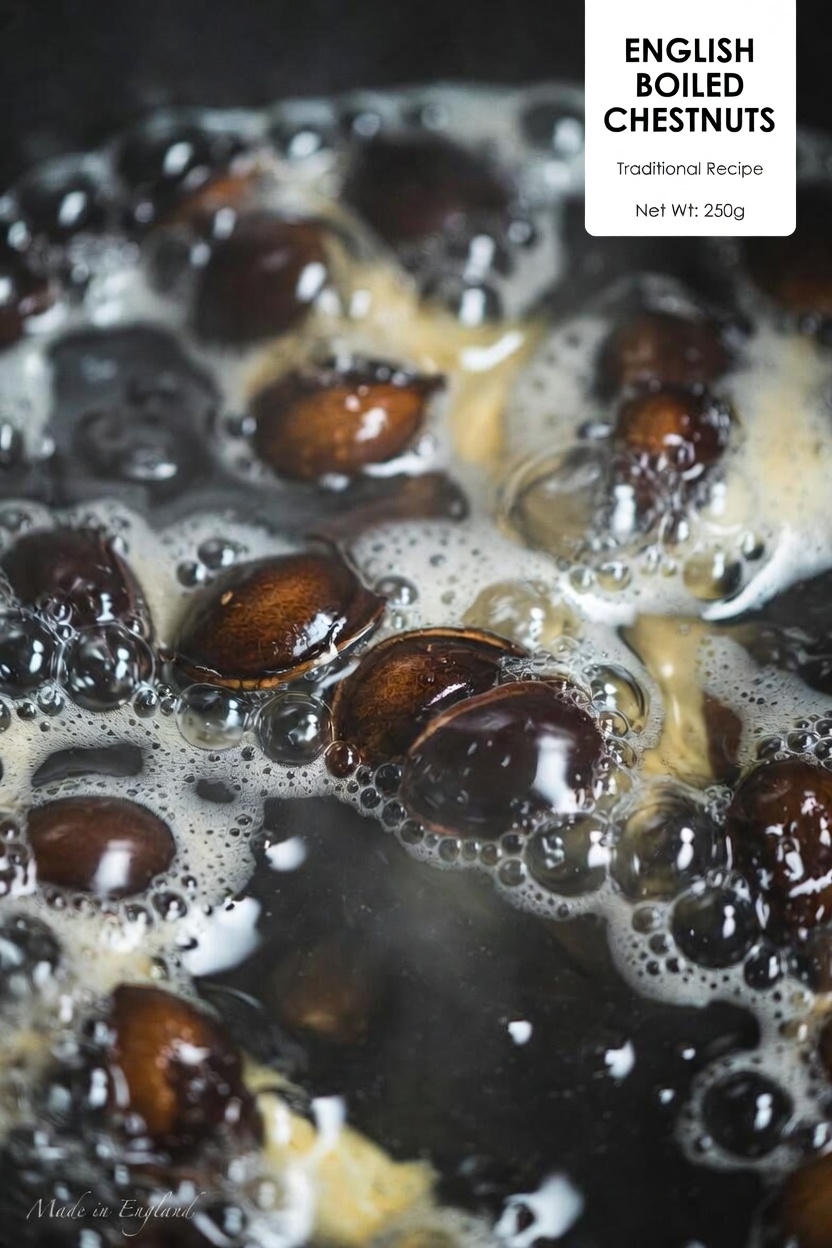
Ingredients (Makes 1–2 Servings)
- 1–2 tablespoons dried watermelon seeds
(collected from fresh watermelon, thoroughly rinsed, and fully dried) - 2 cups (about 500 ml) water
- Optional for flavor: a little honey or a squeeze of lemon (added after the tea cools slightly)
Step-by-Step Instructions
-
Prepare the seeds
- Rinse fresh seeds very well to remove any fruit pulp.
- Spread them on a clean surface or tray and allow them to air-dry for 2–3 days.
- If you’re short on time, you can dry them in a low-heat oven until completely dry.
-
Lightly crush the seeds
- Use a mortar and pestle or a coffee grinder.
- Aim for a coarse texture—not a fine powder—to help release nutrients during steeping.
-
Boil the water
- Bring 2 cups (500 ml) of water to a gentle boil in a small pot.
-
Simmer the seeds
- Add the crushed seeds to the boiling water.
- Reduce the heat and let them simmer for 5–10 minutes.
-
Steep
- Turn off the heat and let the mixture stand for another 10 minutes to infuse.
-
Strain and serve
- Pour the tea through a fine mesh strainer into your cup.
- Add a bit of honey or lemon if desired.
- Enjoy warm or cool.
Suggested use: Start with 1 cup per day, see how your body responds, and adjust from there.
Time-saving tip:
Brew a larger batch in the evening, let it cool, and store it in the refrigerator for up to 2 days. This makes it easy to sip throughout the next day.
Tips to Get the Most from Your Watermelon Seed Tea Routine
To make your new habit more effective and enjoyable:
-
Combine it with a nutrient-rich diet
Pair the tea with plenty of fruits, vegetables, whole grains, and quality proteins for full-body support. -
Maintain overall hydration
Use the tea to complement—not replace—plain water throughout the day. -
Pay attention to your body
If you notice any discomfort, unusual symptoms, or if something feels off, take a break and speak with a healthcare professional. -
Experiment with timing
- Morning: may feel refreshing and gently energizing
- Afternoon: a light, hydrating pick-me-up
- Evening: sip earlier in the evening if the diuretic effect tends to wake you at night
Consistency is key. Try it for at least a week and note any changes in digestion, energy, or overall comfort.
Frequently Asked Questions About Watermelon Seed Tea
Is watermelon seed tea safe to drink every day?
For most healthy adults, drinking watermelon seed tea in moderation appears to be safe. However, everyone is different. Begin with a small amount (like 1 cup per day) and see how your body responds. If you have any medical conditions or take medications, consult your healthcare provider first.
Can I use seeds from a regular store-bought watermelon?
Yes. You can use seeds from conventional or store-bought watermelons. Just be sure to:
- Rinse them thoroughly
- Remove all fruit residue
- Dry them completely before storage or use
What does watermelon seed tea taste like?
The flavor is usually:
- Mild
- Lightly nutty
- Not overly strong
If you prefer a more flavorful drink, a touch of honey, lemon, ginger, or a cinnamon stick can enhance the taste without overwhelming it.
Who should be cautious or avoid it?
You should speak with a healthcare professional before drinking watermelon seed tea if you:
- Have known allergies to seeds or similar foods
- Live with kidney issues or are on fluid/diuretic-related medications
- Are pregnant, breastfeeding, or managing a chronic condition
Always check with your doctor if you’re unsure.
Final Thoughts
Adding watermelon seed tea to your week is a simple, low-effort way to use a part of the fruit that usually goes to waste. While it’s not a cure-all, its mix of minerals, healthy fats, and gentle diuretic and digestive support may contribute to:
- Better hydration and fluid balance
- Mild digestive comfort
- More consistent daily energy
- Overall sense of lightness and wellbeing
Use it as one piece of a broader healthy lifestyle that includes a balanced diet, movement, quality sleep, and regular medical care.
Important: This article is for informational and educational purposes only and does not replace professional medical advice, diagnosis, or treatment. Always consult your doctor or qualified health provider before making changes to your diet or routine, especially if you have existing health concerns or take prescription medications.