Pumpkin Seeds and Prostate Health: A Simple Food with Promising Benefits
Many men over 50 live with the ongoing discomfort of an enlarged prostate. Frequent bathroom trips—especially at night—weak or interrupted urine flow, and the nagging sense that the bladder never fully empties are all common lower urinary tract symptoms (LUTS).
Over time, these issues can:
- Disrupt sleep
- Drain daytime energy
- Lower overall quality of life
- Make everyday tasks feel more tiring than they should
Alongside medical care and lifestyle changes, nutrition is getting more attention as a supportive strategy. Among the foods being studied, pumpkin seeds stand out as a convenient, nutrient-dense option that may help support urinary comfort and prostate health in aging men.
Below, you’ll learn why pumpkin seeds are being researched, what the science actually shows, and practical ways to use them in your daily routine.
Why Pumpkin Seeds Stand Out for Prostate Support
Pumpkin seeds (pepitas) are small but nutritionally powerful. Several components make them particularly interesting for prostate and bladder wellness.
Rich in Zinc – A Prostate-Concentrated Mineral
Zinc is an essential mineral that is especially concentrated in the prostate gland compared with many other tissues. Maintaining adequate zinc intake is thought to help support:
- Normal prostate structure and function
- Enzymatic processes involved in hormone metabolism
- Overall reproductive health
Pumpkin seeds provide a notable amount of zinc, making them a natural food source that aligns with the prostate’s nutritional needs.
Phytosterols and Hormone-Related Pathways
Pumpkin seeds also contain phytosterols—plant-based compounds with a structure similar to cholesterol. One of the key phytosterols, beta-sitosterol, has been studied for its potential role in:
- Supporting urinary comfort
- Modulating hormone-related pathways involved in prostate enlargement
- Mildly influencing dihydrotestosterone (DHT), a hormone associated with prostate growth in men
While phytosterols are not a cure, research suggests they may play a helpful role as part of a broader prostate-supportive lifestyle.
Antioxidants and Healthy Fats
Pumpkin seeds are also a source of:
- Antioxidants that help neutralize oxidative stress, a factor in aging and inflammation
- Healthy fats (including omega-6 and monounsaturated fats) that support cell membranes and overall metabolic health
Since oxidative stress and low-grade inflammation can affect the urinary tract and prostate over time, these components add to the reasons pumpkin seeds are being studied for men’s health.
What Studies Suggest About Pumpkin Seeds and Urinary Symptoms
Several clinical trials have explored pumpkin seeds and pumpkin seed oil in men with benign prostatic hyperplasia (BPH)—a non-cancerous enlargement of the prostate that frequently causes LUTS.
The GRANU Study: Whole Pumpkin Seeds and Symptom Scores
One of the best-known trials is the large, randomized, placebo-controlled GRANU study. Key details include:
- Participants: Over 1,400 men, ages 50–80
- Intervention: Whole pumpkin seeds, 5 grams twice daily
- Duration: 12 months
Results showed:
- Men taking pumpkin seeds had a clinically meaningful improvement in their International Prostate Symptom Score (IPSS)—a standard scale for rating urinary symptoms
- A higher proportion of the pumpkin seed group achieved at least a 5-point reduction in IPSS compared with placebo
- This level of change is typically associated with noticeable relief in day-to-day urinary discomfort
Pumpkin Seed Oil and Quality of Life
Another trial compared pumpkin seed oil with other interventions in men with BPH-related complaints. Over several months of use, researchers observed:
- Improvements in urinary flow and related symptoms
- Better self-reported quality of life
- Minimal or no significant changes in prostate size or PSA levels for most participants
This suggests that pumpkin seed oil may mainly help with comfort and function, rather than physically shrinking the prostate.
Overactive Bladder Symptoms
A separate study focusing on overactive bladder found that pumpkin seed oil:
- Reduced urinary urgency
- Decreased daytime frequency
- Lowered nighttime urination (nocturia) in some individuals who used it consistently
Although more large-scale research is needed, the emerging evidence indicates that pumpkin seeds and their oil may provide supportive benefits for men dealing with urinary and bladder issues.
Key Nutrients in Pumpkin Seeds That May Support Prostate and Bladder Health
Pumpkin seeds are nutrient-dense, offering several components that align with urinary and prostate wellness.
-
Zinc
- Supports normal prostate tissue and immune function
- About one ounce of pumpkin seeds can provide roughly 20–30% of the recommended daily zinc intake
-
Phytosterols (including beta-sitosterol)
- Plant compounds researched for their potential to ease urinary symptoms
- May help support healthy hormone metabolism related to prostate enlargement
-
Magnesium and Healthy Fats
- Magnesium aids muscle relaxation, which may be relevant to bladder and pelvic muscles
- Healthy fats support anti-inflammatory pathways and overall metabolic health
-
Antioxidants
- Help protect cells from ongoing oxidative stress
- Support healthy aging processes affecting the prostate and urinary tract
Together, these nutrients may complement how the body naturally maintains balance and function as men grow older.
How to Add Pumpkin Seeds to Your Daily Routine
Integrating pumpkin seeds into your diet is straightforward and flexible. Many studies use relatively small daily amounts, making this an easy habit to maintain.
A practical target is around 1–2 ounces per day (roughly a small handful), unless your healthcare provider suggests otherwise.
Simple Ways to Use Pumpkin Seeds
Here are actionable ideas to get started:
-
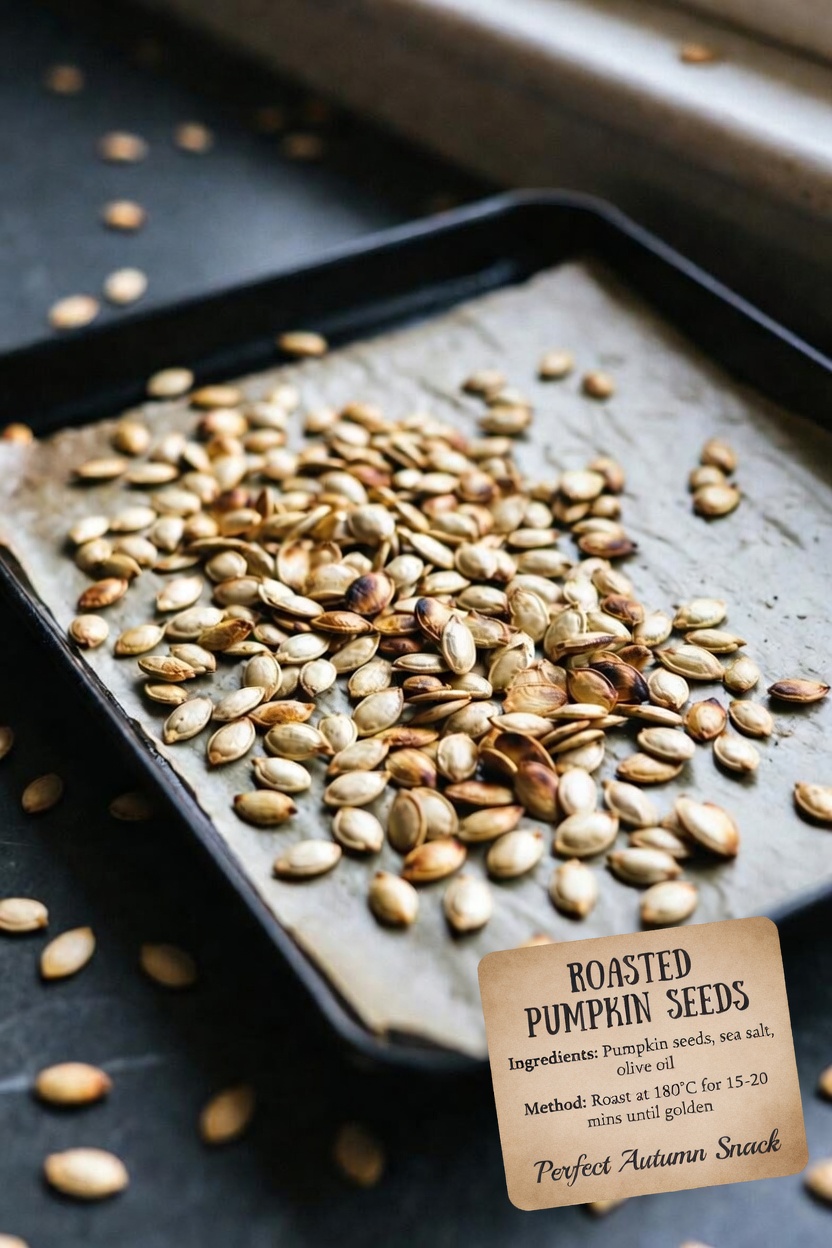
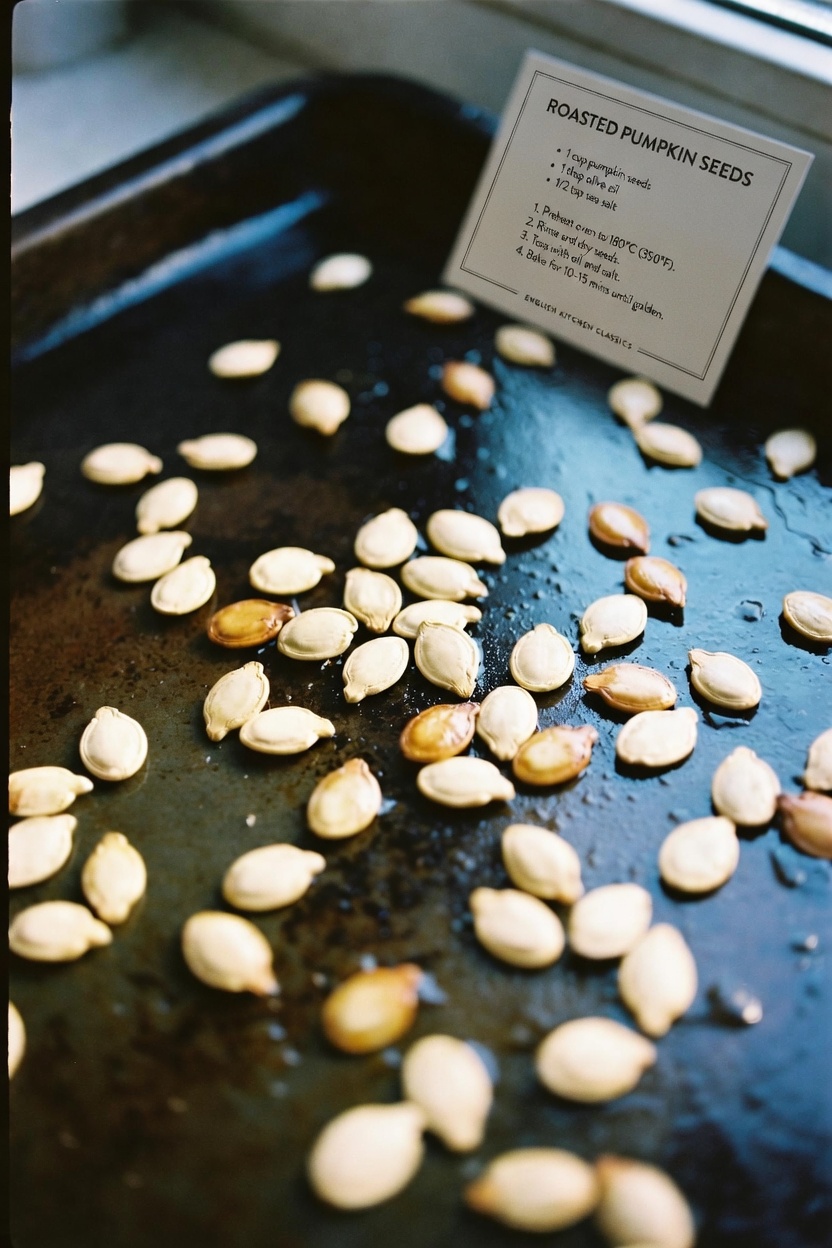
Lightly Roast for a Savory Snack
- Spread raw pumpkin seeds on a baking tray
- Add a pinch of salt, herbs, or spices
- Roast at about 350°F (175°C) for 10–15 minutes
- This brings out flavor while keeping most nutrients intact
-
Sprinkle on Everyday Meals
- Add to salads for extra crunch
- Stir into yogurt, oatmeal, or grain bowls
- Use as a topping for soups or roasted vegetables
-
Blend into Smoothies
- Toss a small handful into smoothies with fruit and leafy greens
- Provides creaminess, healthy fats, and extra minerals
-
Keep Them as a Quick Snack Option
- Store a small container in your kitchen or office
- Pair with other nuts and seeds for a more varied, satisfying mix
-
Experiment with Pumpkin Seed Oil
- Use cold over steamed vegetables, salads, or grain dishes
- Avoid high-heat frying to preserve its beneficial compounds
Start with modest amounts and notice how your body responds over a few weeks, paying attention to comfort, digestion, and urinary patterns.
How Pumpkin Seeds Compare to Other Prostate-Friendly Foods
Pumpkin seeds are one part of a broader dietary approach to prostate and urinary health. Here’s how they stack up against other commonly recommended foods:
-
Pumpkin Seeds
- High in zinc and phytosterols
- Human studies show potential support for urinary symptoms and IPSS improvement
-
Tomatoes and Tomato Products (Rich in Lycopene)
- Lycopene is a powerful antioxidant often linked to prostate wellness
- Cooked tomato products (sauce, paste) may provide more bioavailable lycopene
-
Green Tea
- Contains polyphenols that may help reduce inflammation and oxidative stress
- Associated with general health support and metabolic balance
-
Nuts (e.g., Almonds, Walnuts)
- Provide healthy fats, vitamin E, and other antioxidants
- Support cardiovascular and inflammatory health, which indirectly benefits the prostate
While no single food is a cure-all, pumpkin seeds offer a distinctive combination of zinc, phytosterols, and antioxidants that may be particularly helpful for men focusing on urinary flow and prostate comfort.
Tips for Best Results and Safety Considerations
For nutritional strategies like pumpkin seeds, consistency over time appears to be important. Many of the clinical studies showing benefits used daily intake for 3 to 12 months.
To maximize potential benefits:
-
Be consistent
- Aim to include pumpkin seeds or pumpkin seed oil in your routine most days of the week
-
Support with healthy habits
- Stay hydrated, but try to limit large fluid intake in the few hours before bedtime
- Engage in regular physical activity, which can benefit pelvic and overall health
- Focus on a balanced diet rich in fruits, vegetables, whole grains, and healthy fats
-
Talk with your healthcare provider
- Discuss any bothersome urinary symptoms, especially if they are new or worsening
- Consult your doctor before making major dietary changes, particularly if you are on medication or have existing medical conditions
Safety and Side Effects
For most people, pumpkin seeds are:
- Generally safe when eaten in moderate amounts as a food
- Well tolerated as part of a varied diet
Potential concerns include:
- Digestive discomfort if consumed in very large quantities, due to their fiber and fat content
- Allergic reactions in individuals with seed or nut allergies—these people should avoid pumpkin seeds and pumpkin seed oil unless cleared by a healthcare professional
Conclusion: A Small Daily Step That May Make a Difference
Pumpkin seeds are an easy, accessible way to add prostate- and bladder-supportive nutrients to your diet. Research in men with BPH and urinary symptoms suggests they may:
- Improve IPSS scores
- Support urinary flow and comfort
- Enhance quality of life in some individuals when used consistently over time
While they are not a replacement for medical treatment, incorporating a handful of pumpkin seeds into a healthy lifestyle may be a practical step for men experiencing age-related urinary changes, potentially helping them feel more comfortable, rested, and energetic day to day.
Frequently Asked Questions
How many pumpkin seeds should I eat daily for potential prostate benefits?
Many studies have used around 5–10 grams per day (approximately 1–2 tablespoons) of pumpkin seeds or an equivalent amount of pumpkin seed oil. A small handful—about 1–2 ounces—can be a reasonable starting point, adjusted to your preferences and overall calorie needs.
Can pumpkin seeds replace medical treatment for an enlarged prostate or urinary problems?
No. Pumpkin seeds should be viewed as a supportive dietary strategy, not a replacement for professional medical evaluation or treatment. Always consult your healthcare provider for proper diagnosis and management of prostate or urinary conditions.
Are there side effects from eating pumpkin seeds?
For most people, pumpkin seeds are safe in moderate amounts. However:
- Eating very large quantities may cause bloating, gas, or digestive upset
- Individuals with seed or nut allergies should avoid pumpkin seeds and products containing them unless advised otherwise by a healthcare professional