
Soothe Stiff Joints with a Simple Herbal Tea Ritual
Waking up with stiff knees or aching joints can make even basic tasks feel exhausting. With age, intense exercise, or repetitive movement, the joints in your knees, hips, and other areas naturally experience wear and tear. Over time, this can lead to discomfort that disrupts sleep, limits your range of motion, and chips away at daily quality of life.
Yet there may be a gentle, natural way to support more comfortable movement—using ingredients you probably already have in your kitchen.

A growing body of research suggests that certain herbs contain compounds that may help calm everyday inflammation and support mobility. This article explores a traditional herbal tea made from bay leaves, rosemary, and cloves—three aromatic plants long valued in many cultures for their potential benefits.
You’ll discover how this easy infusion may fit into your routine as a simple, soothing tool for joint support.
Why Joint Discomfort Becomes a Daily Issue
Ongoing joint discomfort is often linked to:
- Low-grade inflammation
- Reduced circulation
- Oxidative stress that gradually affects joint tissues
These factors can make knees and other joints feel stiff or swollen, especially after sitting or resting for a while. Many people rely on medications for relief, but others are interested in natural approaches they can use alongside conventional care.
Scientific research has highlighted that plant-based compounds—particularly antioxidants and anti-inflammatory molecules—may help ease mild, everyday joint discomfort. Some herbs are especially rich in these bioactive substances, which may:
- Support a normal inflammatory response
- Protect cells from oxidative damage
- Promote overall comfort and flexibility
The real potential emerges when you combine herbs with complementary properties, like bay leaves, rosemary, and cloves.
The Herbal Trio: Bay Leaves, Rosemary, and Cloves
For centuries, bay leaves, rosemary, and cloves have been used in traditional remedies as well as in cooking. Modern research is now examining their rich concentration of beneficial plant compounds.
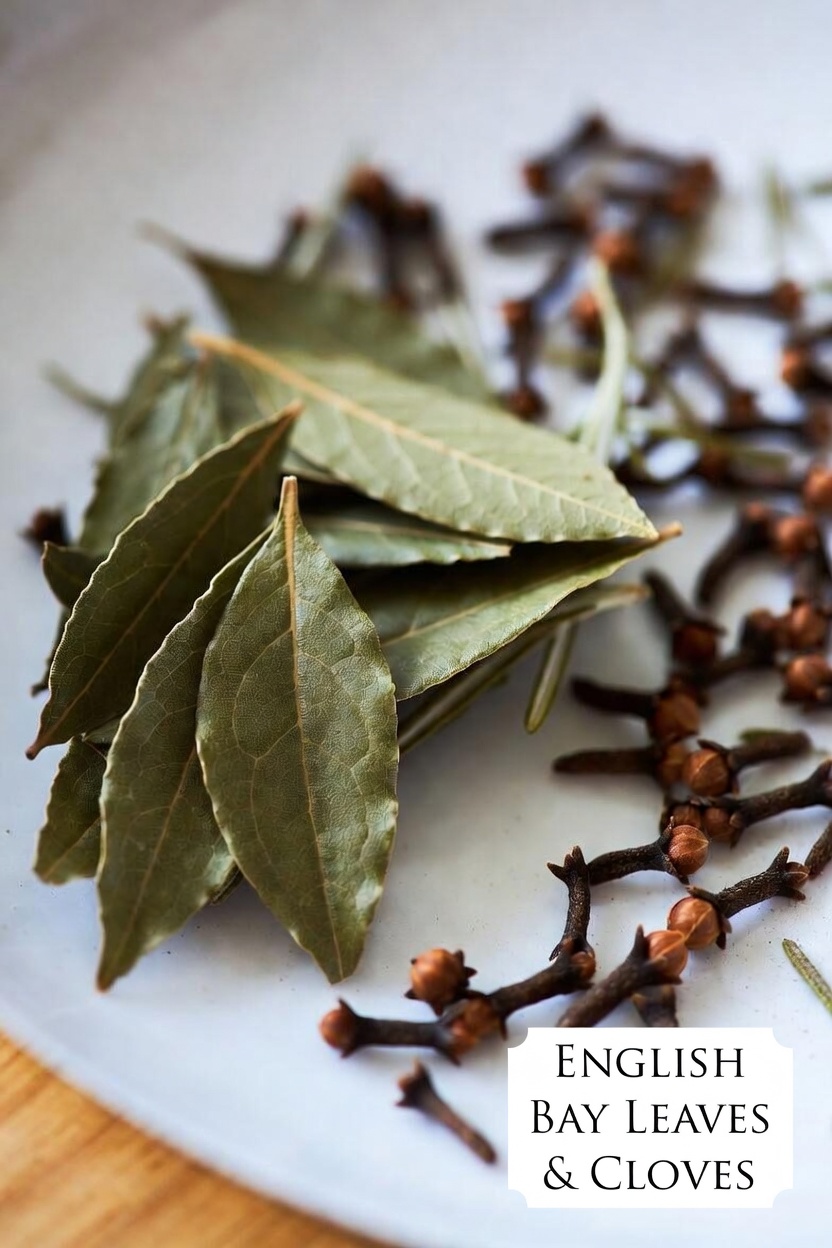
Bay Leaves: Aromatic Leaves with Protective Compounds
Bay leaves (from the Laurus nobilis tree) are more than a flavor booster. They contain:
- Flavonoids
- Tannins
- Eugenol-like compounds
Early studies suggest these components may have anti-inflammatory effects, which could help ease discomfort associated with conditions like arthritis or rheumatism. Bay leaves also provide antioxidants that may combat oxidative stress—one of the factors linked to joint degeneration and stiffness.
Rosemary: A Potent Source of Plant Antioxidants
Rosemary is well-known for its fragrance, but it’s also rich in:
- Rosmarinic acid
- Carnosic acid
These polyphenolic compounds are recognized for their antioxidant and anti-inflammatory properties. Research indicates rosemary may:
- Help soothe tense muscles
- Support overall comfort
- Potentially improve ease of movement when used consistently
This makes it an appealing herb for anyone looking to support joint and muscle health naturally.
Cloves: Tiny Buds with Powerful Eugenol
Cloves are particularly notable for their high content of eugenol, a compound widely studied for its:
- Anti-inflammatory effects
- Mild analgesic (pain-relieving) properties
Studies on clove extracts show potential for reducing swelling and supporting relief in inflammatory conditions, making cloves an excellent addition to a joint-support herbal blend.
Why Combine These Three Herbs?
When used together, bay leaves, rosemary, and cloves may have synergistic effects—meaning their combined impact may be greater than each herb alone.
Research investigating rosemary and clove combinations has observed enhanced anti-inflammatory and comfort-supporting activity. This suggests that blending these herbs into one tea may offer more comprehensive support for everyday joint comfort.
How This Tea May Support Joint Health
The potential benefits of this herbal tea come from the way its natural compounds work in harmony. Together, they may help:
- Ease everyday inflammation that contributes to stiffness
- Encourage healthy circulation, helping nutrients reach joint tissues
- Provide antioxidant support against daily wear and tear
- Offer gentle soothing effects, promoting easier movement
Responses will vary from person to person, but many people who regularly drink herbal teas with similar ingredients report feeling:
- Less stiffness in the morning
- More comfortable during daily activities
- A greater sense of relaxation around bedtime
Consistency and proper preparation are key to getting the most from this simple ritual.
Step-by-Step Recipe: Bay Leaf, Rosemary, and Clove Tea
This comforting tea is quick to prepare and uses ingredients you can easily keep in your pantry.

Ingredients
- 3–4 dried bay leaves
- 1 teaspoon dried rosemary leaves
- 4–5 whole cloves
- 2 cups water
For best quality, choose organic, food-grade dried herbs whenever possible.
Instructions
-
Heat the water
Add 2 cups of water to a small pot and bring it to a gentle boil. -
Add the herbs
Stir in the bay leaves, dried rosemary, and cloves. -
Simmer and cover
Reduce the heat to low, cover the pot, and let the mixture simmer for 10–15 minutes so the flavors and beneficial compounds can infuse fully. -
Strain the tea
Pour the liquid through a strainer into a mug, removing all the herbs. -
Enjoy warm
Drink while warm, ideally once or twice a day—many people prefer a cup in the morning and/or before bed.
Using Fresh Herbs
You can also use fresh herbs:
- Fresh bay leaves
- Fresh rosemary sprigs
Because fresh herbs are less concentrated, use about double the amount of rosemary compared to dried.
Tips for Best Results
- Start with one cup per day to see how your body responds.
- If you prefer a sweeter or brighter flavor, add:
- A teaspoon of honey
- A slice of lemon
- Store leftover dried herbs in an airtight container, away from heat and sunlight.
Many people find the preparation itself to be relaxing, turning this tea into a mindful, calming part of their daily self-care routine.
Other Potential Wellness Benefits
Although this tea is primarily discussed for joint comfort, the herbs in this blend may offer additional advantages based on traditional use and emerging research:
-
Digestive support:
Bay leaves and rosemary have a history of use for easing occasional bloating, gas, or indigestion. -
Antioxidant protection:
All three herbs supply antioxidants that can help neutralize free radicals and support cellular health. -
Healthy circulation:
Cloves and rosemary are associated with supporting normal blood flow, which may indirectly benefit joint and muscle function. -
Relaxation and stress relief:
The warm, aromatic steam from the tea can create a sense of calm, making it an ideal evening drink after a long day.
Incorporating this tea into your routine may help support overall well-being while focusing on joint comfort.
Important Considerations Before You Start
Herbal remedies can be a gentle addition to a wellness routine, but it’s important to use them mindfully.
-
Listen to your body
Introduce the tea gradually and notice how you feel over several days or weeks. -
Possible mild effects
Some people may experience minor digestive changes when first adding new herbs to their diet. -
Allergies and sensitivities
Avoid this blend if you know you’re allergic or sensitive to bay leaves, rosemary, or cloves. -
Medications and health conditions
If you take prescription medications—especially blood thinners, diabetes medications, or drugs affecting blood pressure—talk with your healthcare provider before drinking this tea regularly. -
Pregnancy and breastfeeding
Pregnant or nursing individuals should always consult a medical professional before using herbal teas frequently.
Real-Life Experiences with Herbal Joint Support Teas
People who use similar herbal blends for joint support often describe shifts in how their body feels over time. Common feedback includes:
- “After a few weeks of drinking the tea daily, my morning stiffness seemed noticeably reduced.”
- “It’s become part of my evening wind-down. My joints feel more flexible, and I fall asleep more easily.”
These are personal experiences and not guarantees, but they reflect how small consistent habits—like a daily herbal tea—can contribute to better comfort and mobility for some individuals.
Frequently Asked Questions
How often should I drink this tea for joint support?
Many people find 1–2 cups per day to be a reasonable amount. Benefits for comfort and mobility may be more noticeable when the tea is used consistently over several weeks.
Can I use fresh herbs instead of dried?
Yes. Fresh bay leaves, fresh rosemary, and whole cloves all work well. As a guideline, use about twice the amount of fresh rosemary compared to dried to achieve a similar flavor and strength.
Is this tea safe for long-term use?
For most healthy adults, moderate, regular use is generally considered safe. However, everyone is different. If you have ongoing health conditions or take medications, ask your doctor or a qualified health professional for personalized advice.
What if I don’t enjoy the taste?
The natural flavor is warm, earthy, and aromatic. If it’s too strong for you:
- Add a slice of lemon
- Stir in a little honey or another preferred natural sweetener
- Dilute with extra hot water to soften the taste
These adjustments shouldn’t significantly affect the potential benefits.
Final Thoughts: A Gentle Herbal Option for Joint Comfort
Supporting joint health doesn’t always require complicated steps. A simple blend of bay leaves, rosemary, and cloves offers a traditional, accessible way to gently support comfort and mobility, backed by promising research on plant-based anti-inflammatory and antioxidant compounds.
This tea is not a replacement for medical treatment, but it may be a helpful addition to a broader joint-care plan that includes:
- Movement and stretching
- A balanced diet
- Adequate rest
- Guidance from a healthcare professional
Try integrating this herbal tea into your routine for a few weeks and observe how your body responds. As always, prioritize your health by consulting a healthcare provider—especially if you’re managing chronic conditions or taking medication—before making significant changes to your daily habits.