The Ultimate Homemade Tapioca Pudding Recipe
Tapioca pudding is more than a simple dessert—it’s a nostalgic, cozy bowl of comfort. For many people, the taste of creamy tapioca brings back memories of family dinners, weekend treats, and those quiet evenings when a homemade dessert made everything feel right again.
In my home, tapioca pudding was my mom’s signature dessert. The smooth, velvety custard combined with the gentle chew of the tapioca pearls made it unforgettable. Over time, her original recipe was lost, and recreating that exact flavor and texture became a personal mission. Along the way, I tested countless versions, learning what truly makes a tapioca pudding recipe stand out: balanced sweetness, a rich yet light texture, and perfectly cooked pearls.
This recipe captures the essence of classic tapioca pudding—simple ingredients, straightforward steps, and deeply satisfying results.
What Makes Tapioca Pudding Special?
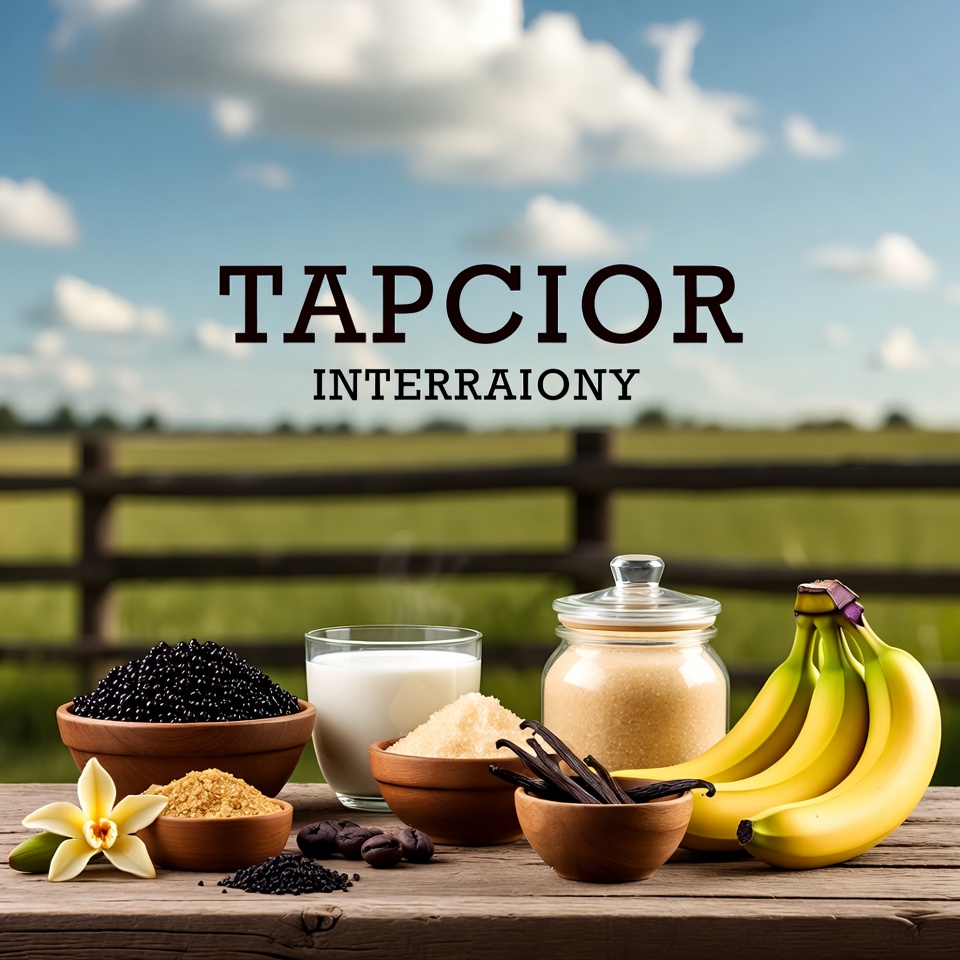
Tapioca pudding has been loved for generations across many cultures. The star ingredient—tapioca—is a starch extracted from the cassava root, a staple in many parts of the world. When cooked gently with milk, sugar, and eggs, small pearl tapioca transforms into a luscious, creamy dessert with a distinctive texture that’s both soothing and indulgent.
Ingredients
For about 6 servings, you will need:
- Small pearl tapioca: about 3/4 cup (25/32 cup)
- White sugar: 3/4 cup
- Milk: 4 cups (whole milk or 2%, depending on preference)
- Eggs: 3
- Salt: a pinch
- Vanilla extract (optional): 1 teaspoon
- Ground cinnamon or nutmeg (optional): for garnish
How to Make Creamy Tapioca Pudding
1. Soak the Tapioca Pearls
- Place the small pearl tapioca in a bowl.
- Cover the pearls completely with cold water.
- Let them soak for at least 30 minutes, or follow the time recommended on the package if it differs.
- Drain well before using.
Soaking ensures the pearls hydrate properly, cook evenly, and develop that signature chewy texture.
2. Prepare the Pudding Base
- In a heavy-bottomed saucepan, whisk together:
- Sugar
- Milk
- Eggs
- A pinch of salt
- Stir until the mixture is well combined and smooth.
- Add the drained tapioca pearls to the saucepan and mix them in.
3. Cook the Tapioca Pudding
-
Set the saucepan over medium heat.
-
Stir continuously with a wooden spoon or heat-resistant spatula to prevent sticking and scorching.
-
When the mixture begins to reach a gentle boil, lower the heat to a simmer.
-
Continue cooking for 15–20 minutes, stirring frequently.
-
The pudding is ready when:
- The tapioca pearls are translucent, and
- The mixture has thickened to a pudding-like consistency.
-
Remove the saucepan from the heat.
-
Stir in the vanilla extract (if using).
4. Serve and Garnish
- Spoon the hot pudding into individual bowls or a large serving dish.
- Let it cool slightly if serving warm, or refrigerate for a few hours if you prefer it chilled.
- Just before serving, sprinkle ground cinnamon or nutmeg on top for an aromatic finish.
Serve warm for a cozy, comforting dessert, or cold for a firmer, refreshing treat.
Pro Tips for the Perfect Tapioca Pudding
1. Soak the Tapioca Thoroughly
Soaking time can vary depending on the brand and size of the pearls. While 30 minutes is a good general rule, some pearls may need longer. They should look plump and hydrated before you start cooking. Proper soaking:
- Helps the pearls cook more evenly
- Ensures a tender, pleasantly chewy texture
2. Stir Constantly While Cooking
Tapioca pudding can scorch easily:
- Stir frequently, especially as the mixture thickens.
- Use a wooden spoon or heat-resistant spatula to scrape the bottom and sides of the pan.
This prevents burning and keeps the pudding velvety and smooth.
3. Adjust the Sweetness to Your Taste
The 3/4 cup of sugar yields a traditionally sweet pudding. If you’d like it less sweet:
- Start with half the sugar.
- Taste toward the end of cooking and add a bit more if needed, stirring well to dissolve.
4. Use a Double Boiler for Extra Gentle Cooking
If you’re nervous about curdling the eggs or burning the pudding:
- Cook the mixture in a double boiler instead of directly over the heat.
- This gentler, indirect heat helps prevent:
- Scorching
- Curdling
- Overcooking the eggs
It may take a bit longer but gives excellent control over texture.
5. Experiment with Flavors
Classic vanilla tapioca pudding is timeless, but you can easily customize it:
- Flavor extracts:
- Almond extract
- Coconut extract
- Liquids:
- Replace part of the milk with coconut milk for a tropical twist
- Add a small splash of rum or rum extract for a grown-up variation
- Spices:
- Cardamom
- Allspice
Adjust the amounts gradually to keep the flavors balanced.
6. Chill for a Thicker, Set Pudding
If you love a firmer, spoonable pudding:
- Transfer the cooked tapioca to serving dishes.
- Cover and refrigerate for several hours or overnight.
Chilling allows the starch to set, making the pudding thicker and intensifying the flavors.
7. Add Toppings for Extra Indulgence
Tapioca pudding is a fantastic base for creative toppings. Try:
- Fresh fruit: berries, mango, banana slices, or stone fruits
- Whipped cream or coconut whipped cream
- A drizzle of caramel, chocolate, or dulce de leche
- Toasted coconut flakes or chopped nuts for crunch
These additions can turn a simple homemade tapioca pudding into a restaurant-worthy dessert.
Nutritional Information (Per Serving)
Based on a recipe yielding 6 servings, approximate values:
- Calories: 260 kcal
- Total Fat: 7 g
- Saturated Fat: 4 g
- Trans Fat: 0 g
- Cholesterol: 85 mg
- Sodium: 95 mg
- Total Carbohydrates: 43 g
- Dietary Fiber: 0.5 g
- Sugars: 27 g
- Protein: 6 g
- Vitamin D: ~10% Daily Value (DV)
- Calcium: ~15% DV
- Iron: ~2% DV
- Potassium: ~6% DV
This creamy tapioca pudding recipe is simple, nostalgic, and endlessly customizable. With just a few basic ingredients and some gentle stirring, you can bring a classic, comforting dessert back to your table.