Everyday Foods That Help Support Healthy Blood Pressure and Circulation
As the years go by, many people become more aware of their blood pressure, artery health, and overall heart function. Daily stress, ultra-processed foods, and age-related changes can all make it harder for blood to move freely through your vessels, sometimes leaving you fatigued or worried about long-term cardiovascular health.
The encouraging news: simple, accessible foods rich in protective compounds can help support smoother circulation and more comfortable blood pressure—while never replacing medical care or prescribed treatments.
In this guide, you’ll discover research-backed foods linked to improved blood vessel function and heart support. Stay with it to the end for a quick, delicious recipe you can prepare at home to easily include these ingredients in your routine.
Why Prioritize Foods for Blood Flow and Vessel Health?
Your blood vessels are constantly at work, transporting oxygen and nutrients to every organ and tissue. When circulation is functioning well, many people experience:
- More stable energy throughout the day
- Blood pressure readings that are easier to keep within a healthy range (when monitored)
- A general sense of better overall well-being
Scientific studies suggest that certain plant-based foods provide antioxidants, anti-inflammatory compounds, and other nutrients that may:
- Support relaxed, flexible blood vessels
- Help maintain healthy cholesterol and triglyceride levels
- Reduce oxidative stress that can affect the cardiovascular system
For instance, allicin in garlic and flavonoids found in citrus fruits like lemon have been studied for their potential benefits when eaten regularly as part of a balanced diet. Still, there is no single “miracle food”—long-term heart support comes from consistent dietary choices combined with lifestyle factors such as physical activity, quality sleep, and stress management.
Top Circulation-Friendly Foods for Cardiovascular Support
Below are several standout foods that have attracted scientific interest for their potential positive impact on heart and blood vessel health:
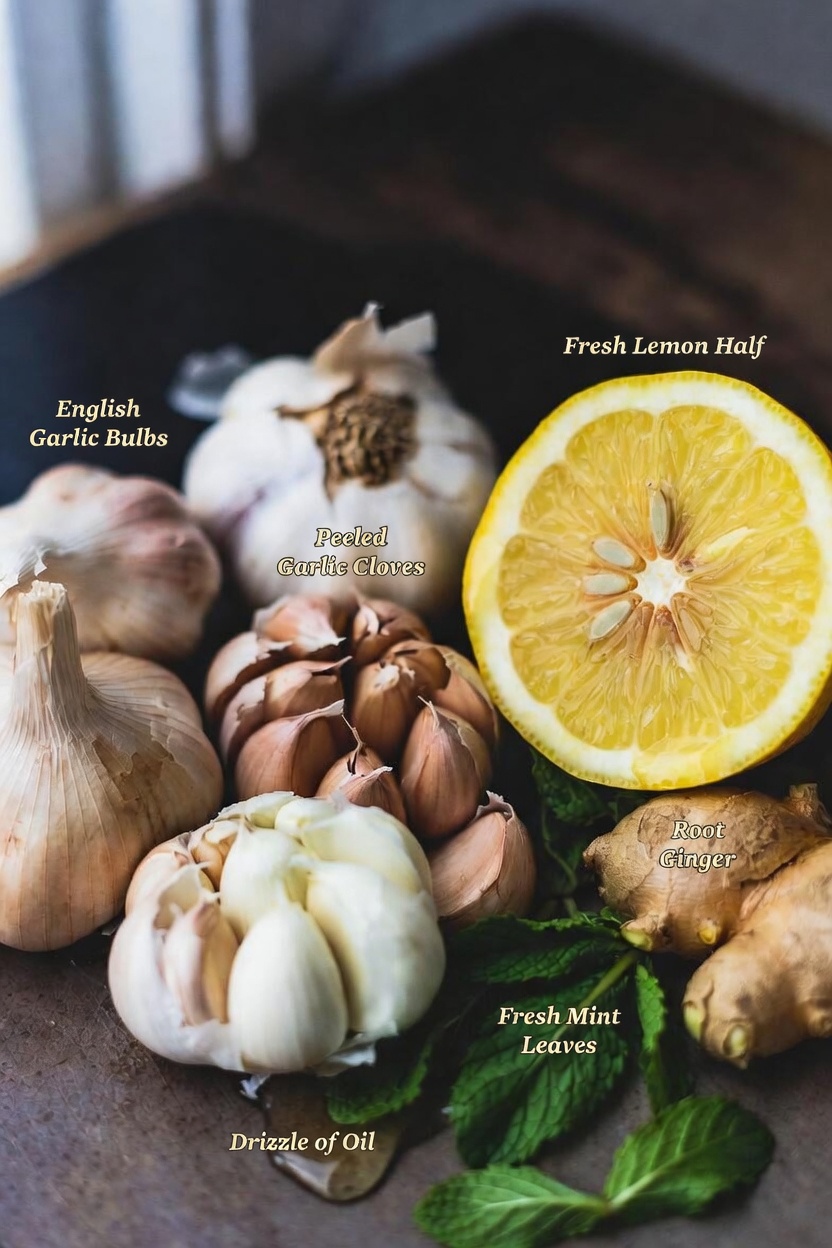
1. Garlic
- Contains sulfur compounds, especially allicin, which are released when garlic is crushed or finely chopped.
- Multiple reviews and clinical trials suggest garlic may help:
- Encourage blood vessel relaxation
- Support healthy cholesterol and triglyceride profiles
- Contribute to more favorable blood pressure readings in some individuals
2. Lemon
- Packed with vitamin C and a variety of antioxidants.
- Provides flavonoids that may help protect the inner lining of blood vessels and promote overall cardiovascular wellness.
- Often used to brighten flavor in heart-healthy dishes, making it easier to reduce heavy sauces or excess salt.
3. Ginger
- Rich in gingerols and related compounds known for anti-inflammatory and antioxidant properties.
- May support smoother circulation and help maintain healthy triglyceride and blood sugar levels when incorporated into a balanced diet.
4. Honey
- Natural honey contains polyphenols and other antioxidants that help counteract oxidative stress.
- When used in moderation as a sweetener, it may offer modest support to heart health compared with refined sugar.
5. Mint (Peppermint)
- Contains menthol and flavonoids that may have a gentle calming and potentially vasodilatory (vessel-relaxing) effect.
- Often used in teas and infusions that can be a soothing part of a heart-conscious routine.
These ingredients frequently appear together in traditional remedies. Modern research has begun to explore combinations—such as garlic with lemon or ginger with honey—for their possible complementary effects on metabolic and cardiovascular markers.
What Research Suggests About These Ingredient Combinations
A number of small studies have investigated mixtures of garlic, lemon, ginger, and honey, sometimes with added apple cider vinegar. Examples include:
-
Garlic–Lemon Blend
A randomized clinical trial found that participants with moderate hyperlipidemia (elevated blood fats) who consumed a mixture of garlic and lemon juice over 8 weeks experienced improvements in lipid profiles and certain blood pressure markers. -
Ginger–Garlic–Lemon–Honey Mixes
Other research exploring blends of ginger, garlic, lemon, and honey has reported beneficial shifts in cholesterol, blood sugar, and blood pressure in people with metabolic concerns.
Broader reviews support the idea that:
- Garlic can offer modest support for blood pressure and cholesterol.
- Ginger may help reduce inflammation and support better metabolic balance.
However, results vary from person to person, and most of the data come from relatively small or short-term studies. These foods and combinations should be viewed as complementary tools that work alongside—not instead of—professional medical care and any medications prescribed by your healthcare provider.
Practical Ways to Include These Foods in Your Day
Consistency is more important than perfection. Start with small, realistic changes and build from there.
1. Morning Circulation “Boost” Shot
- Lightly crush 1–2 cloves of garlic
- Add the juice of ½ lemon
- Grate about 1 inch of fresh ginger
- Stir in 1 teaspoon of raw honey
- Mix everything into a cup of warm (not hot) water and sip slowly
If the flavor is intense, begin with smaller amounts and gradually increase as you adjust.
2. Calming Daily Tea Ritual
- Brew fresh mint leaves or a peppermint tea bag
- Add a slice of lemon for vitamin C and brightness
- Sweeten with a small amount of honey, if desired
This can be a relaxing evening routine that also supports hydration and comfort.
3. Enhance Everyday Meals
- Add minced garlic and grated ginger to stir-fries, soups, curries, and roasted vegetables.
- Finish fish, salads, or steamed greens with a squeeze of fresh lemon instead of heavy dressings.
These swaps help you integrate heart-supportive flavors into dishes you already enjoy.
4. Smarter Snacks
- Combine a handful of berries (another circulation-supportive food) with a light drizzle of honey for a colorful, antioxidant-rich snack.
5. Observe Your Own Response
- Over 2–4 weeks, pay attention to:
- Energy levels
- How you feel during exercise or daily activities
- Any digestive reactions
- Continue regular check-ups with your doctor to monitor blood pressure, lipids, and other health markers.
These strategies are affordable, straightforward, and align with widely recommended eating patterns such as the Mediterranean-style diet, which emphasizes plants, healthy fats, and minimal ultra-processed foods.
Quick Snapshot: Key Benefits of Each Ingredient
-
Garlic:
May promote blood vessel relaxation and support healthy cholesterol and triglyceride levels. -
Lemon:
Supplies vitamin C and antioxidants that help protect blood vessels and support heart health. -
Ginger:
Offers anti-inflammatory and antioxidant activity; may aid circulation and metabolic balance. -
Honey:
Provides natural sweetness plus polyphenols that help counter oxidative stress when used moderately. -
Mint (Peppermint):
Can have a calming effect and may gently support blood vessel relaxation and comfort.
Combining these ingredients not only enhances flavor but may also create a synergistic “team effect,” providing a broader spectrum of supportive compounds in one drink or dish.
A Simple Home Recipe: Garlic–Lemon–Ginger–Mint Honey Elixir
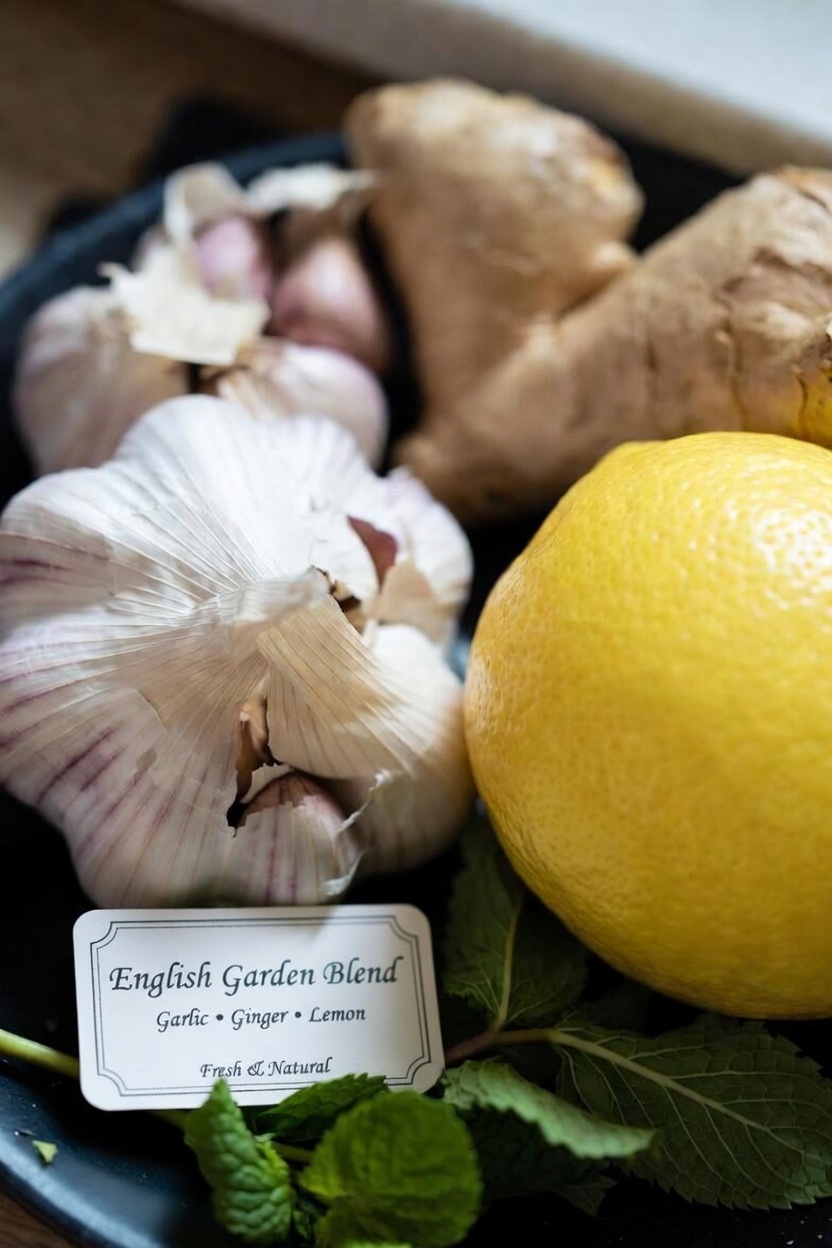
Garlic–Lemon–Ginger–Mint Honey Elixir (Serves 1)
A quick daily drink that brings together many of the ingredients discussed above.
Ingredients:
- 1–2 fresh garlic cloves, crushed
- Juice of ½ lemon
- 1-inch piece fresh ginger, grated
- 5–6 fresh mint leaves (or 1 peppermint tea bag)
- 1 teaspoon raw honey
- 1 cup warm (not boiling) water
Directions:
- Crush the garlic and let it rest for 5–10 minutes to help activate allicin.
- Muddle the mint leaves in a mug to release their aroma and oils (or add the peppermint tea bag).
- Add the grated ginger, lemon juice, and crushed garlic to the mug.
- Pour in the warm water, then stir in the honey until fully dissolved.
- Sip slowly and mindfully, enjoying the refreshing, slightly spicy flavor.
This elixir takes under 5 minutes to prepare and delivers a concentrated mix of supportive plant compounds.
Final Thoughts
Incorporating natural, nutrient-dense foods like garlic, lemon, ginger, honey, and mint into your meals is a proactive way to care for circulation and overall heart comfort. They are easy to find, versatile in the kitchen, and supported by promising research when used as part of a balanced lifestyle.
Remember: these ingredients are helpers, not cures. They work best alongside regular medical check-ups, movement, stress reduction, and any treatment plan recommended by your healthcare provider.
Frequently Asked Questions
1. Can these foods replace my blood pressure medication?
No. These foods may provide gentle support for blood pressure and heart health, but they are not a substitute for prescribed medications or professional medical advice. Always follow your doctor’s instructions and discuss any dietary changes, especially if you have existing conditions.
2. How much should I consume each day?
A general, moderate starting point for many adults might be:
- Garlic: 1–2 cloves
- Lemon: Juice of about 1 lemon (or ½–1 lemon spread throughout the day)
- Ginger: Approximately 1–2 teaspoons fresh grated ginger
- Honey: 1–2 teaspoons, used sparingly
Adjust based on taste, tolerance, and any guidance from your healthcare provider.
3. Are there any side effects or precautions?
- Garlic and ginger can sometimes cause stomach discomfort, heartburn, or gas, especially in larger amounts or on an empty stomach.
- Mint is generally well tolerated, but strong mint or peppermint may aggravate reflux in some people.
- If you take blood thinners, have bleeding disorders, gallstones, acid reflux, or other medical conditions, consult your healthcare provider before significantly increasing garlic, ginger, or herbal teas.
When in doubt, introduce these foods gradually and pay attention to how your body responds.