
Red Onions and Blood Sugar: A Simple Everyday Support
Living with blood sugar concerns can be exhausting—checking levels, adjusting meals, and worrying about highs and lows that affect your energy and mood. Many people look for gentle, natural ways to support healthy glucose management alongside medical care and a balanced lifestyle.
Red onions, a familiar ingredient in kitchens worldwide, have caught the attention of researchers for their rich nutrient and antioxidant content. Even more interesting, a very simple way of preparing red onions may offer an easy, practical addition to your routine, with some studies suggesting helpful effects on glucose-related markers.

Why Red Onions Are Interesting for Blood Sugar Support
Red onions are part of the Allium family (which also includes garlic, leeks, and shallots). They are notable for:
- Quercetin – a powerful flavonoid antioxidant particularly abundant in red varieties
- Sulfur-containing compounds – responsible for their strong aroma and distinctive taste
These compounds are thought to be behind many of the potential health benefits associated with onions.
Research suggests that onions may influence how the body processes carbohydrates and uses glucose:
- Experimental studies in animals and preliminary observations in humans indicate that onion components may help smooth out blood sugar responses after meals.
- Quercetin has been linked in lab and animal studies to better insulin sensitivity and improved uptake of glucose into cells.
One proposed mechanism is the inhibition of carbohydrate-digesting enzymes, which may slow the breakdown of starches and sugars, leading to a more gradual release of glucose into the bloodstream. Certain sulfur compounds may also help protect insulin from degradation in the liver, potentially supporting its action.
While results are not identical across all studies, these findings mainly come from research on Allium cepa (the common onion), including red varieties.
What Research Suggests About Onions and Glucose Control
A range of investigations has looked at how onions might affect metabolic health and blood sugar management:
- Animal studies have found that onion extracts can lower fasting blood glucose levels and improve cholesterol and triglyceride profiles under diabetic conditions.
- Small human trials have reported that eating moderate portions (around 60–100 grams per day) of fresh onion was associated with reduced fasting blood sugar and improved glucose tolerance in people with type 2 diabetes concerns.
- A meta-analysis of randomized controlled trials indicated that onion supplementation may positively influence certain metabolic indicators, such as aspects of blood lipids and blood pressure. Effects on specific glycemic markers were present but more variable.
Overall, potential benefits appear more noticeable when onions are consumed raw or minimally processed, since heat can decrease some sensitive compounds like quercetin.
Importantly, researchers view onions as part of a broader dietary pattern, not as a stand-alone treatment or cure.
Key Compounds in Red Onions That May Support Blood Sugar
Several naturally occurring substances in red onions are thought to play a role in metabolic and glucose balance:
-
Quercetin
- Acts as an antioxidant flavonoid
- Has been linked to enhanced insulin sensitivity in experimental settings
- Helps reduce oxidative stress, which is relevant for long-term metabolic health
-
Sulfur compounds (e.g., allyl propyl disulfide)
- May help preserve insulin and slow its breakdown
- Could support more stable glucose regulation
-
Other flavonoids and phenolic compounds
- Contribute to anti-inflammatory and antioxidant activity
- May indirectly support metabolic health by reducing chronic, low-grade inflammation
These components likely work together rather than in isolation. Individual responses, however, can differ widely depending on overall diet, physical activity, genetics, and existing health conditions.

A Simple Boiled Red Onion Recipe to Try
Onions are easy to include in everyday meals, but one very approachable method is a basic boiled red onion preparation. This technique softens the flavor, makes onions easier to digest, and still provides a range of nutrients.
Step-by-Step: How to Make Boiled Red Onion
-
Choose the onions
- Select 2–3 medium red onions, preferably fresh and firm (organic if available).
-
Prepare the onions
- Peel off the outer skin.
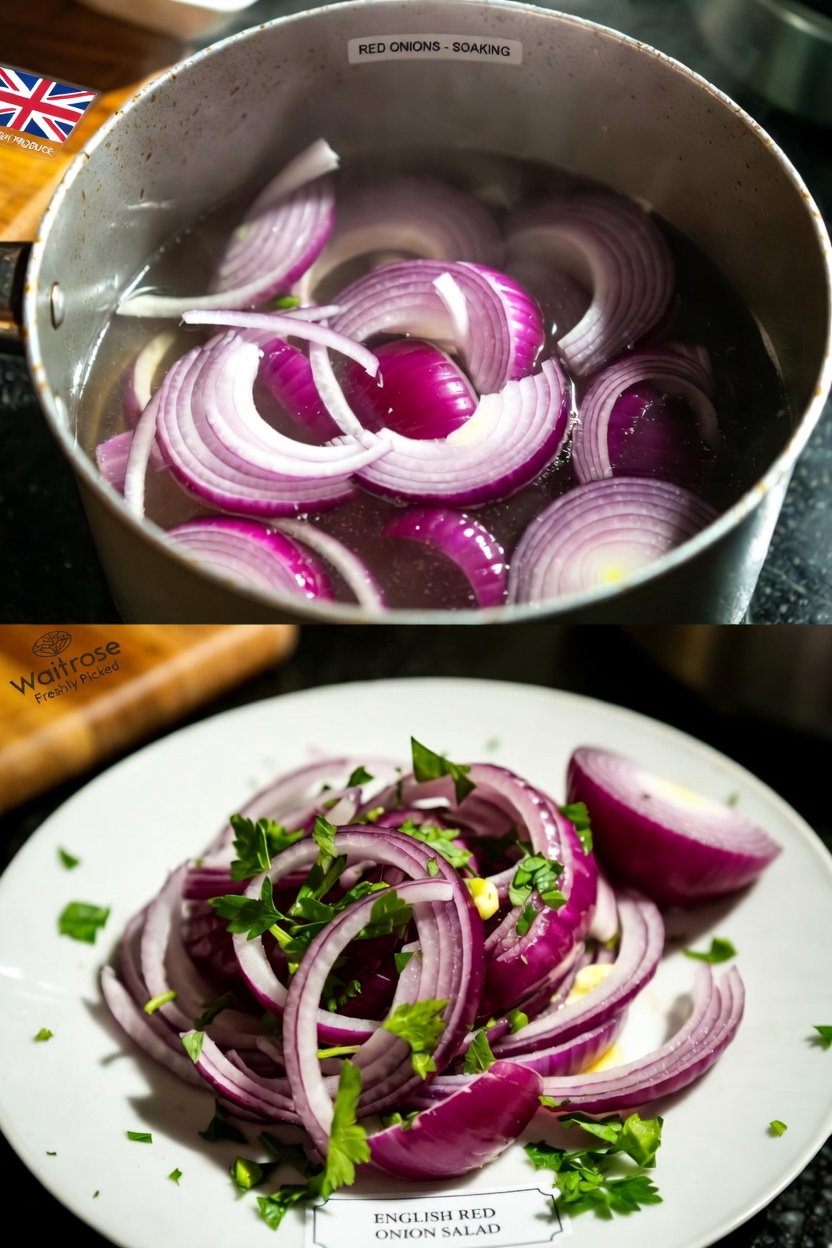
- Slice into thin strips or rings, depending on your preference.
-
Cook the onions
- Place the sliced onions in a pot.
- Add 4–5 cups of water, or enough to fully cover them.
- Bring to a gentle boil, then lower the heat and simmer for 10–15 minutes, until the onions are soft.
-
Serve
- You can strain the liquid and eat the onions alone, or
- Enjoy both the onions and the broth together as a warm, comforting dish.
-
Season lightly
- Add herbs such as parsley, thyme, or a pinch of black pepper.
- If you are watching sodium or sugar, avoid adding salt or sweeteners.
A practical way to begin is with about ½ cup of cooked onions once or twice per day, perhaps:
- As a small side dish
- Stirred into soups, stews, or broths
This straightforward preparation is in line with many traditional uses of onions and can be easily integrated into most eating patterns.
Tips to Get the Most from This Habit
To use red onions in a way that supports overall blood sugar balance:
-
Choose quality produce
- Fresher, firmer red onions generally contain more quercetin and active compounds.
-
Pair with balanced meals
- Combine onions with protein, healthy fats, and fiber (e.g., beans, lentils, vegetables, whole grains) to foster steady glucose release.
-
Observe your own response
- Pay attention over a few weeks to how you feel—energy, digestion, and overall well-being.
-
Store properly
- Keep cooked onions or onion broth in a sealed container in the refrigerator for up to 3 days.
Remember, this is not a rapid solution, but a gentle, sustainable practice that can complement a broader health-focused lifestyle.
Raw vs Cooked Red Onions: How Do They Compare?
Both raw and cooked red onions provide useful nutrients, but they each have different strengths.
| Aspect | Raw Red Onions | Boiled/Simmered Red Onions |
|---|---|---|
| Quercetin retention | High, due to minimal processing | Moderate; some quercetin is reduced by heat |
| Digestibility | Strong flavor; may bother sensitive stomachs | Milder, generally easier to digest |
| Sulfur compound preservation | Largely intact | Partially reduced during cooking |
| Everyday use | Ideal for salads, toppings, fresh dishes | Great in soups, broths, and warm side dishes |
| Research focus | Frequently used in studies for stronger effects | Some evidence also supports benefits in cooked forms |
Both options can be useful. The best choice is the one you enjoy and can eat consistently, without causing discomfort.
More Easy Ways to Eat Onions Every Day
If you want to include red onions regularly, you can:
- Add thinly sliced red onions to salads, wraps, or sandwiches
- Lightly sauté them for stir-fries, omelets, or grain bowls
- Use them in homemade broths, vegetable soups, or stews
- Roast them with other vegetables for a sweet, caramelized flavor
Aim for consistent, moderate intake as part of a varied, nutrient-dense diet, rather than very large amounts at once.
Conclusion: A Small, Practical Addition to Support Metabolic Health
Red onions are an affordable, accessible way to add beneficial plant compounds to your meals. Their content of quercetin, sulfur compounds, and other antioxidants may support aspects of metabolic health and blood sugar handling, especially when combined with:
- Regular physical activity
- Balanced meals rich in whole foods
- Proper medical care and monitoring
Trying a simple boiled red onion preparation is an easy experiment you can adapt to your daily routine. Over time, small, consistent habits tend to produce more meaningful and sustainable benefits than drastic short-term changes.
Frequently Asked Questions
How much onion might be helpful for blood sugar support?
Many studies have used around 60–100 grams (approximately 2–3.5 ounces) of fresh onion per day. You can start with a smaller portion and adjust based on your tolerance, preferences, and guidance from your healthcare provider.
Are red onions better than white or yellow onions for this purpose?
Red onions usually contain higher levels of quercetin and certain pigments due to their deep color. For that reason, they are often chosen in research on antioxidant and metabolic effects. However, white and yellow onions also provide valuable nutrients and can still be beneficial.
Can I use onions alongside my current diabetes management plan?
Onions can be a supportive part of a healthy, balanced diet, but they are not a replacement for medication or professional medical advice. If you have diabetes or take blood sugar–lowering medications, consult your healthcare provider before making significant dietary changes, as natural foods can affect glucose levels and may influence your treatment plan.