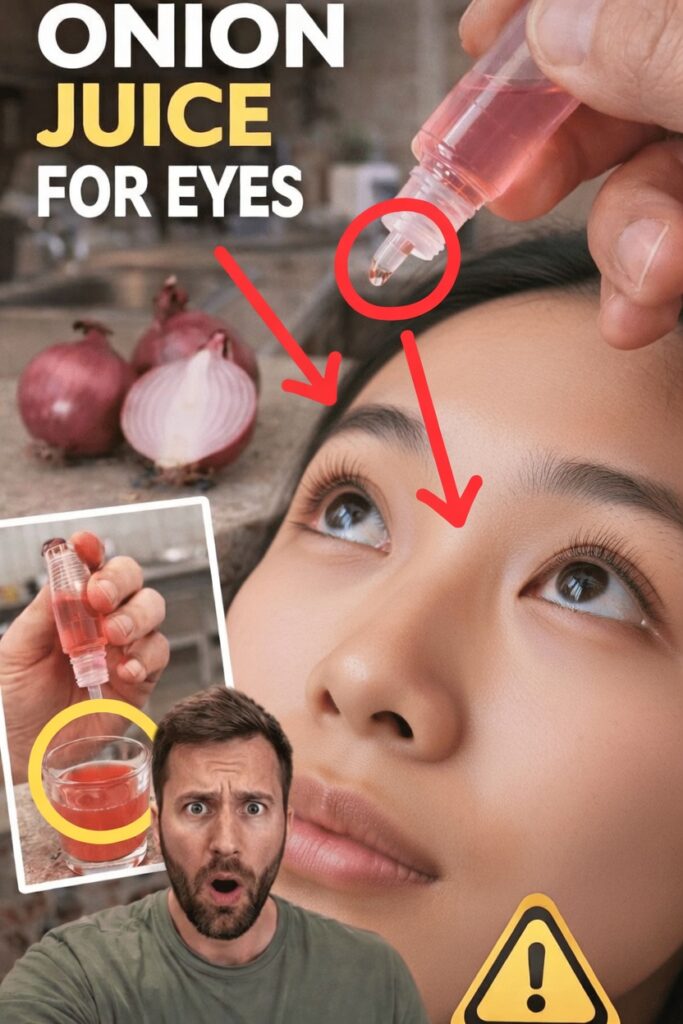
Onions and Eye Health: What Really Helps and What Doesn’t
Many people feel their eyes growing tired after long sessions on digital screens, reading, or simply getting through a demanding day. Dryness, slight burning, and that heavy, blurry feeling can make ordinary activities more difficult and uncomfortable. As eye health naturally changes with age and lifestyle, some turn to home remedies looking for gentle relief. One of the more talked-about options is onion juice for eyes. But can something as common as onion actually support eye wellness?
Onions have been used in traditional practices for generations, and modern curiosity has renewed interest in their possible benefits when used sensibly. This guide looks at what science and eye-care professionals say about onions and eye health—especially the difference between eating onions and putting onion juice in your eyes.
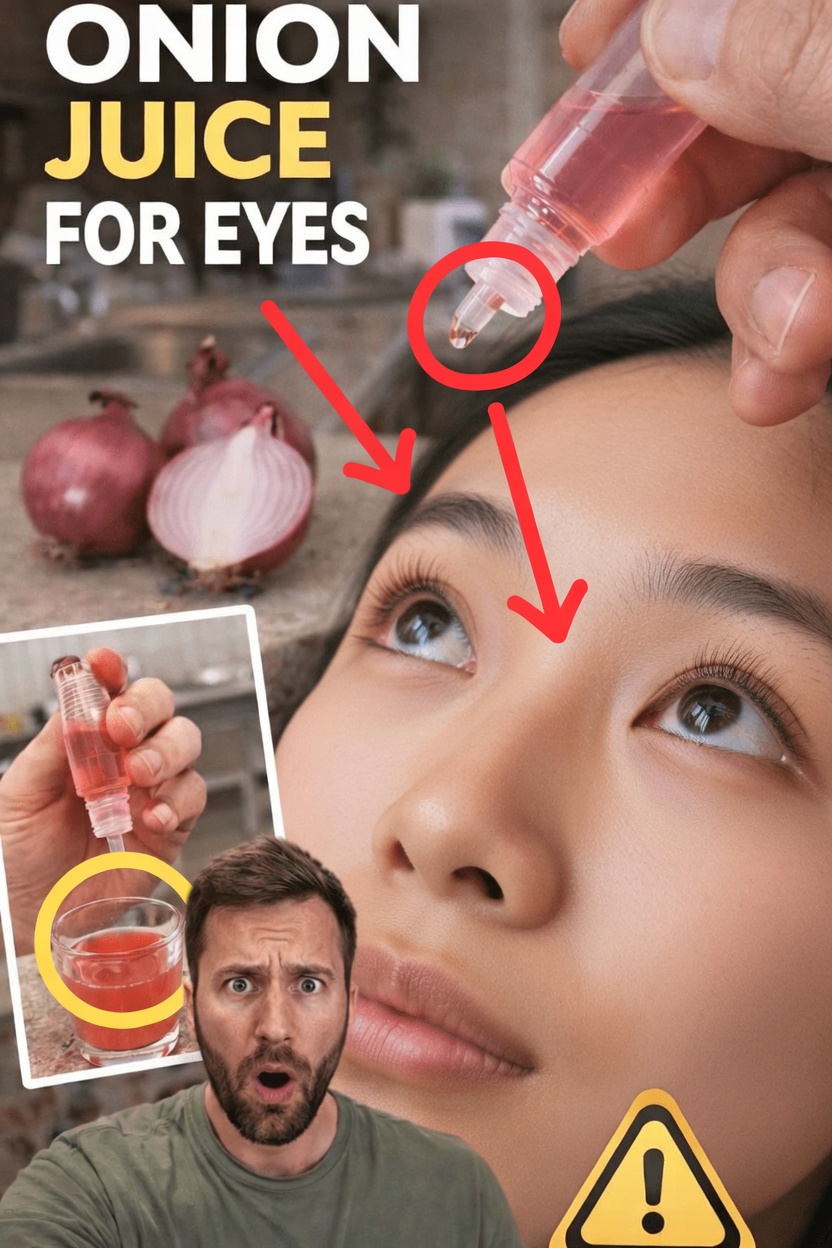
Why Onions Are Linked to Eye Health
Onions are members of the Allium family and contain several compounds that may support overall health, including:
- Quercetin, a flavonoid with strong antioxidant activity
- Sulfur-containing compounds
- Vitamin C
Antioxidants like quercetin and vitamin C help combat oxidative stress, a process associated with cellular damage throughout the body, including the eyes. Limiting oxidative stress is one way to support long-term eye function.
Some experimental studies in animals have looked at applying diluted onion juice to the cornea. In certain lab models—especially in aging or artificially induced eye conditions—researchers reported potential benefits such as:
- Supporting corneal structure
- Influencing tear production or secretion in specific scenarios
For example, research in rats has suggested that fresh onion juice, when used topically under controlled conditions, might help maintain corneal integrity or indirectly affect tear production.
However, this is where context becomes crucial.
Onion Juice in the Eyes: Why Experts Warn Against It
Most of the positive findings about onion juice and the eye surface come from animal studies, not from large, well-designed human clinical trials.
Human eyes are extremely sensitive. Raw onion contains sulfur compounds that trigger tearing as a protective reflex when you cut or handle them. These same components can cause:
- Intense stinging
- Redness
- Irritation
- Potential discomfort or harm if misused
Ophthalmologists and optometrists generally do not recommend putting raw onion juice directly into the eyes. There is:
- No solid human evidence that onion juice eye drops improve vision
- A clear risk of pain and irritation from the sulfur compounds
Because of this, using onion juice as eye drops is considered a high-risk, low-benefit practice.
The Safer Option: Eat Onions for Vision-Friendly Nutrition
Rather than applying onion juice to the eyes, the most realistic and evidence-aligned approach is to include onions in your regular diet. Eating onions allows your body to use their beneficial nutrients systemically, including for eye support.
Onions’ antioxidants may help protect cells from free radical damage, which is linked to long-term eye health. Studies consistently show that diets rich in fruits and vegetables—onions included—are associated with better markers of overall eye wellness.
Quercetin, in particular, has drawn interest in laboratory settings for its:
- Anti-inflammatory properties
- Potential protective effects on tissues exposed to oxidative stress
Simple Ways to Add Onions to Your Routine
- Add raw or lightly cooked onions to salads, sandwiches, and grain bowls.
- Use onions as a base for soups, stir-fries, curries, and stews.
- Aim to include onions in meals 4–5 times per week to create consistent nutrient support.
- Combine onions with other eye-supportive foods such as carrots, spinach, kale, bell peppers, and citrus fruits for a broader nutritional profile.
This approach is simple, safe, and in line with general nutrition guidance for maintaining eye and overall health.
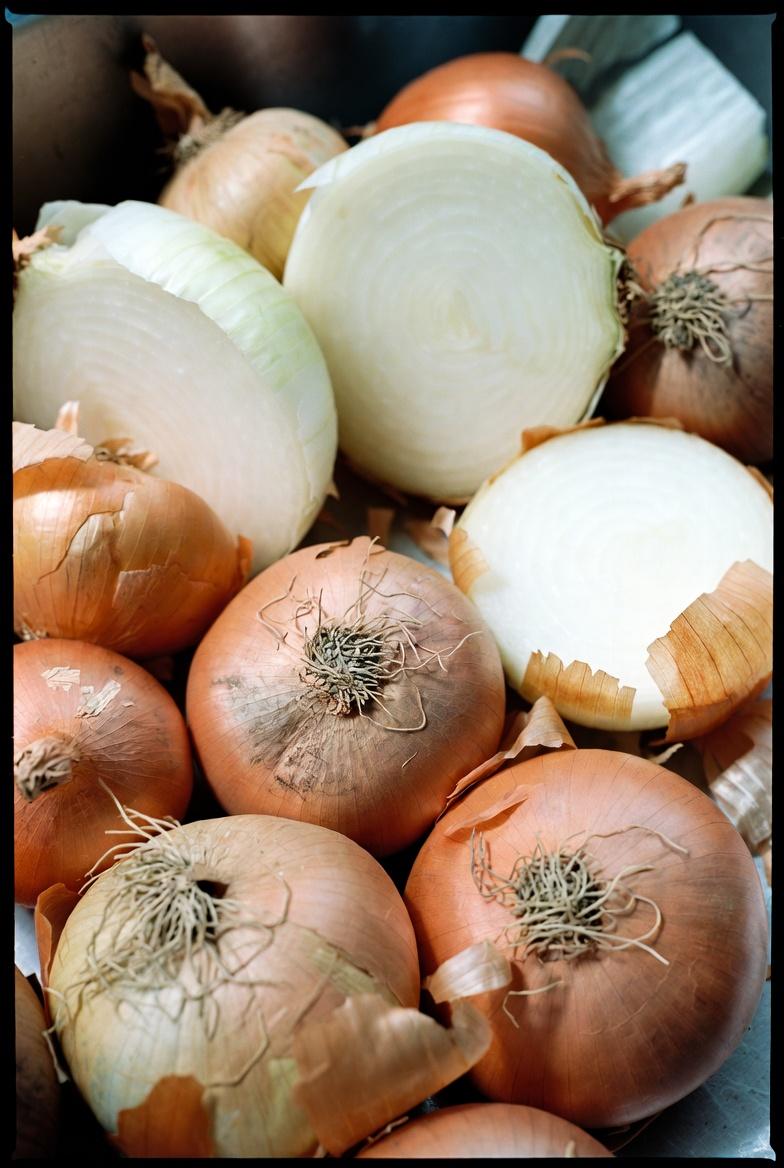
Onion Juice for Eyes: Myths vs. Reality
The internet is full of fast-fix claims, and onion juice for eyesight is no exception. Let’s clarify some of the most common myths.
Myth 1: Onion juice eye drops can sharpen vision overnight
Reality:
There are no credible human studies proving that onion juice placed directly in the eyes improves visual clarity in a day—or at all. In most people, it causes burning and irritation instead of benefits.
Myth 2: Onion juice can reverse age-related vision problems
Reality:
While onions contain nutrients that help support general eye health, no single food or home remedy can reverse established eye conditions such as cataracts, macular degeneration, or significant refractive errors. Professional treatment is essential for managing these issues.
Myth 3: It is safe for anyone to try onion juice eye drops at home
Reality:
The strong stinging caused by onion’s sulfur compounds makes direct eye application unsuitable and unsafe for most people. Without medical supervision and proper formulation, it is not recommended.
In short, onions are valuable as a nutritious food, not as a DIY eye drop solution.
How to Use Onions Safely for Nutritional Eye Support
If you want to explore onions for their potential health benefits, focus on dietary use, not topical application. Here’s a practical, step-by-step guide:
-
Choose fresh onions
- Red and yellow onions often contain higher levels of quercetin than white onions.
-
Prepare them appropriately
- Use raw onions in salads, salsas, or toppings to retain maximum nutrients.
- Light cooking (sautéing or lightly steaming) can make onions milder while still preserving many beneficial compounds.
-
Start with small amounts
- If you’re not used to eating onions regularly, begin with modest portions to avoid digestive discomfort such as gas or bloating.
-
Combine with other nutrient-rich foods
- Pair onions with vitamin C–rich foods like tomatoes, peppers, and citrus fruits to support the absorption and synergy of antioxidants.
-
Be consistent, not extreme
- Include onions regularly as part of a balanced, varied diet rather than consuming large quantities occasionally.
Over time, these small, steady habits are more realistic and sustainable than any “miracle cure” approach.
Health Benefits of Onions Beyond Eye Support
Onions bring more to the table than potential eye-related advantages. Their sulfur compounds, antioxidants, and vitamin C contribute to several other areas of health:
-
Immune support
- Vitamin C and other phytochemicals in onions play a role in supporting the immune system.
-
Heart and vascular health
- Onion compounds may help reduce inflammation and support healthy blood vessels, contributing to cardiovascular wellness.
-
Digestive health
- Onions act as a prebiotic, providing fibers that feed beneficial gut bacteria.
These broader benefits make onions a smart staple in everyday cooking, even if you’re primarily interested in eye wellness.

What Current Research Actually Shows
To summarize the scientific perspective:
- Some animal studies indicate that onion-derived compounds might influence tear production or help maintain corneal health in controlled environments.
- Human evidence remains limited, especially for directly applying onion juice to the eye surface.
- Onions fit well within general recommendations to eat antioxidant-rich foods to support overall health, including the eyes.
Any use of onions for eye health should be viewed as a complementary, not primary, strategy. Regular eye examinations with an optometrist or ophthalmologist remain essential for:
- Detecting changes in vision
- Screening for eye diseases
- Getting personalized treatment and advice
Conclusion: A Balanced View on Onions and Eye Wellness
Onions are a nutritious food packed with antioxidants and beneficial compounds that may support overall health, including eye wellness, when eaten consistently as part of a balanced diet. However, the trend of using onion juice directly in the eyes is not supported by strong human evidence and carries a clear risk of irritation and discomfort.
For genuine eye care, focus on:
- A varied, nutrient-rich diet (with onions as one useful ingredient)
- Healthy lifestyle habits
- Regular check-ups with eye-care professionals
Small daily choices—like adding onions to your meals several times a week—can gradually contribute to better long-term health, but they are not a substitute for professional eye treatment.
FAQ
Is it safe to put onion juice directly in my eyes?
No. Most eye-care specialists strongly advise against putting onion juice in your eyes. It can cause burning, redness, and irritation, and there is no reliable human evidence that it improves vision. Use onions in your food instead.
Can eating onions fix blurry vision?
Eating onions can contribute nutrients that support general eye health, but they cannot correct blurry vision on their own. Blurry vision may be caused by issues like refractive errors, dry eye, or underlying eye disease. Consult an eye doctor for proper diagnosis and treatment.
How often should I eat onions for potential benefits?
Including onions in your meals a few times per week is a reasonable and sustainable goal. There is no need to eat very large amounts daily; focus on balance and variety in your overall diet.