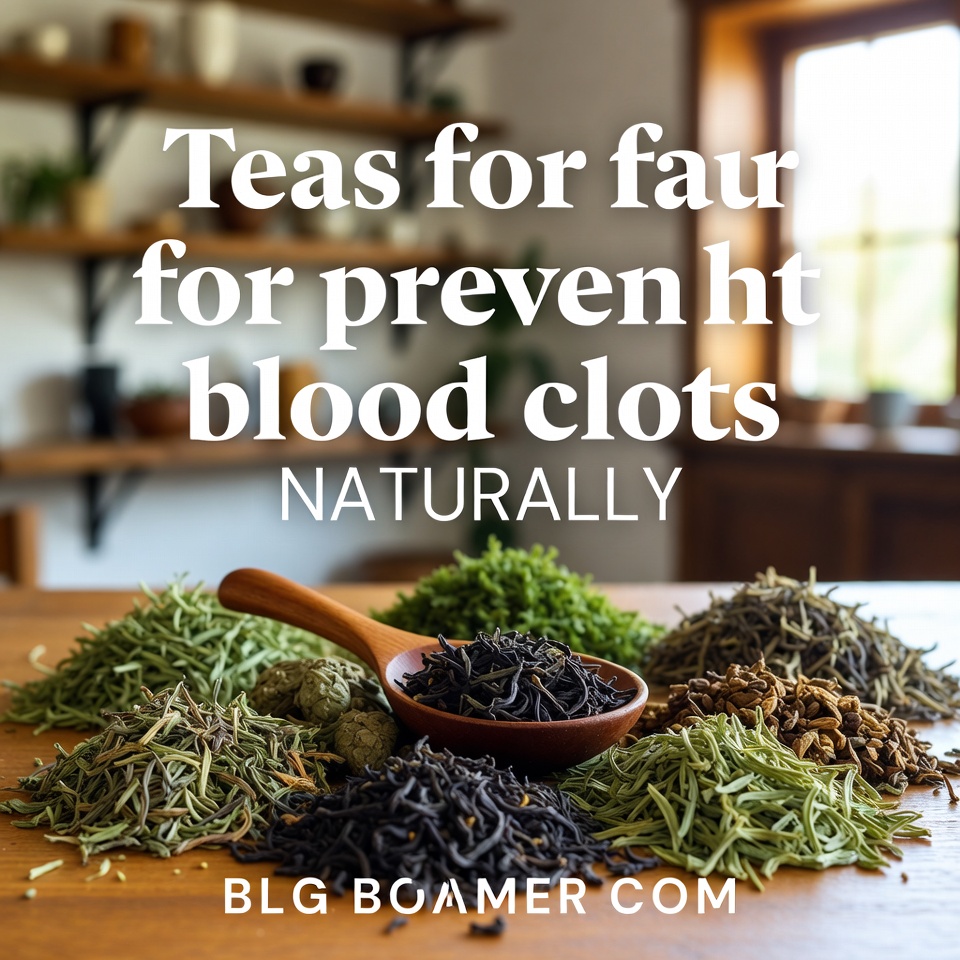
Natural Teas That Support Healthy Circulation and May Help Reduce Blood Clot Risk
Blood clots can be serious, potentially contributing to heart attacks, strokes, and deep vein thrombosis (DVT). While aspirin is commonly prescribed as a blood thinner, many herbal teas contain natural compounds that may gently support circulation, help reduce excessive clotting, and promote overall heart health.
Below are some of the most popular teas that are often used as natural blood thinners, along with simple ways to enjoy them as part of a heart-healthy lifestyle.
1. Green Tea – Antioxidant-Rich Support for Heart Health
Green tea is renowned for its high content of catechins, powerful antioxidants linked to cardiovascular benefits.
Key benefits:
- Rich in catechins that may help reduce the formation of blood clots
- Supports healthier circulation and overall heart function
- Provides mild, natural blood-thinning effects that may lower the risk of clot-related problems
How to drink:
- Aim for about 2–3 cups per day to support heart and circulatory health
2. Ginger Tea – Natural Anti-Inflammatory and Mild Blood Thinner
Ginger has long been used in traditional medicine for its anti-inflammatory and circulation-boosting properties.
Key benefits:
- Contains gingerol, a compound that may help prevent excessive blood clotting
- Encourages better blood flow and helps reduce inflammation in the body
- Supports digestion and may contribute to lower blood pressure
How to drink:
- Grate about 1 inch of fresh ginger into hot water
- Let it steep for around 10 minutes
- Enjoy up to twice daily
3. Lemon Balm Tea – Gentle Circulation and Stress Support
Lemon balm is a calming herb packed with beneficial plant compounds.
Key benefits:
- Contains antioxidants and flavonoids that can support healthy blood flow
- Helps reduce stress and may aid in lowering blood pressure, indirectly reducing clot risk
- Supports arterial function and overall circulation
How to drink:
- Steep 1 tablespoon of dried lemon balm in hot water for about 10 minutes
- Drink 1–2 cups per day
4. Hibiscus Tea – Blood Pressure and Cholesterol Support
Hibiscus tea is known for its vibrant color and heart-friendly properties.
Key benefits:
- High in flavonoids that may help decrease blood clot formation
- Can help lower cholesterol and blood pressure, keeping arteries clearer
- Acts as a natural detoxifying beverage that supports cardiovascular health
How to drink:
- Enjoy 1–2 cups daily
- If you are taking blood pressure medication, exercise caution, as hibiscus may lower blood pressure further—speak with your healthcare provider first
5. Cinnamon Tea – Herbal Tea with Blood-Thinning Potential
Cinnamon contains compounds that may influence how platelets behave in the blood.
Key benefits:
- Contains cinnamaldehyde, which may help prevent platelets from clumping together
- Has anti-inflammatory effects and may help lower blood pressure
- Can support more balanced blood sugar levels, which is beneficial for circulation
How to drink:
- Place 1 cinnamon stick in hot water
- Steep for about 10 minutes
- Drink up to 1 cup per day
Important caution:
If you are already taking blood-thinning medication, avoid large amounts of cinnamon, as it may enhance the effects of those drugs.
Bonus: Other Herbal Teas That May Support Healthy Blood Flow
In addition to the teas above, several other herbs are traditionally used to support circulation and may have mild blood-thinning properties:
- Turmeric Tea – Contains curcumin, which may help reduce abnormal clot formation
- Garlic Tea – Can decrease platelet stickiness and encourage smoother blood flow
- Nettle Tea – Often used to help “cleanse” the blood and support healthy circulation
Important Safety Tips and Precautions
Because these teas may have blood-thinning effects, it’s essential to use them wisely:
- If you take prescription blood thinners (such as warfarin, clopidogrel, or similar drugs), consult your doctor before adding these teas to your routine.
- Avoid overconsumption. Excessive intake of blood-thinning herbs could increase the risk of bruising or bleeding.
- Use them as a complement, not a replacement. Do not stop or change any prescribed medication without medical guidance.
- Combine with a healthy lifestyle. A balanced diet, regular physical activity, stress management, and not smoking are crucial for optimal circulation and heart health.
Final Thoughts: Supporting Your Heart Naturally
Incorporating natural blood-thinning teas into your daily routine may help support circulation, reduce the likelihood of problematic clots, and promote a healthier heart. When used responsibly—and with your doctor’s guidance, especially if you’re on medication—these herbal teas can be a gentle, enjoyable addition to a heart-healthy lifestyle.