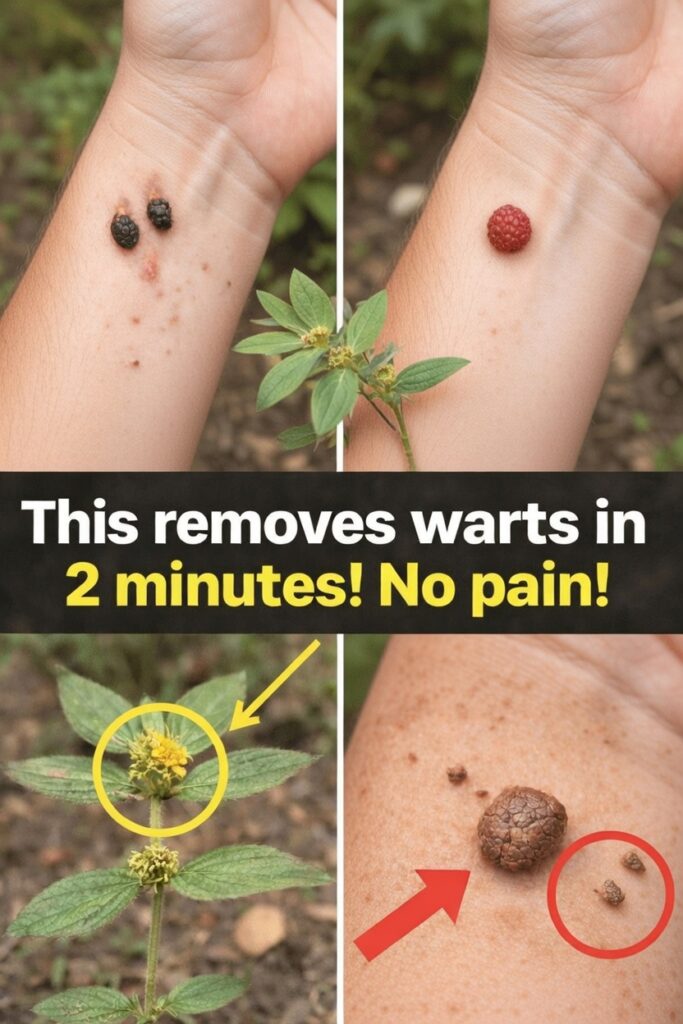
False Daisy (Eclipta prostrata) and Warts: What Traditional Practices Suggest
Warts can be stubborn skin growths that appear without warning and sometimes make people feel uncomfortable or self-conscious. Many try over-the-counter wart treatments and end up dealing with slow results, skin irritation, or the feeling that nothing is really working. While medical therapies are still the most reliable option for wart removal, there is growing interest in gentle, plant-based approaches drawn from traditional medicine.
This guide explores one plant that appears in folk remedies across parts of Asia—false daisy (Eclipta prostrata)—and how it is traditionally used in skin care routines. You’ll also find practical cautions and why a healthcare professional should always be your main resource.
Understanding Warts and the Appeal of Gentle Remedies
Warts are small, rough, and usually harmless growths on the skin, caused by certain strains of the human papillomavirus (HPV). They can show up on:
- Hands and fingers
- Feet (plantar warts)
- Other skin areas where the virus enters through tiny cuts or breaks
Without proper treatment, warts may spread or recur. Common medical and over-the-counter options include:
- Salicylic acid treatments that gradually peel away the wart
- Cryotherapy (freezing), often performed in clinics
However, not everyone tolerates these methods well. Some people experience burning, stinging, sensitivity, or simply want to begin with milder, more natural-feeling options.
Research and surveys indicate many individuals turn to herbal or plant-based skin care because these remedies are:
- Easy to find in certain regions
- Perceived as gentler on the skin
- Aligned with cultural or traditional practices
In countries such as India, Vietnam, and other parts of Asia, generations have used various herbs for general skin wellness, even though modern scientific evidence for each plant can vary significantly.
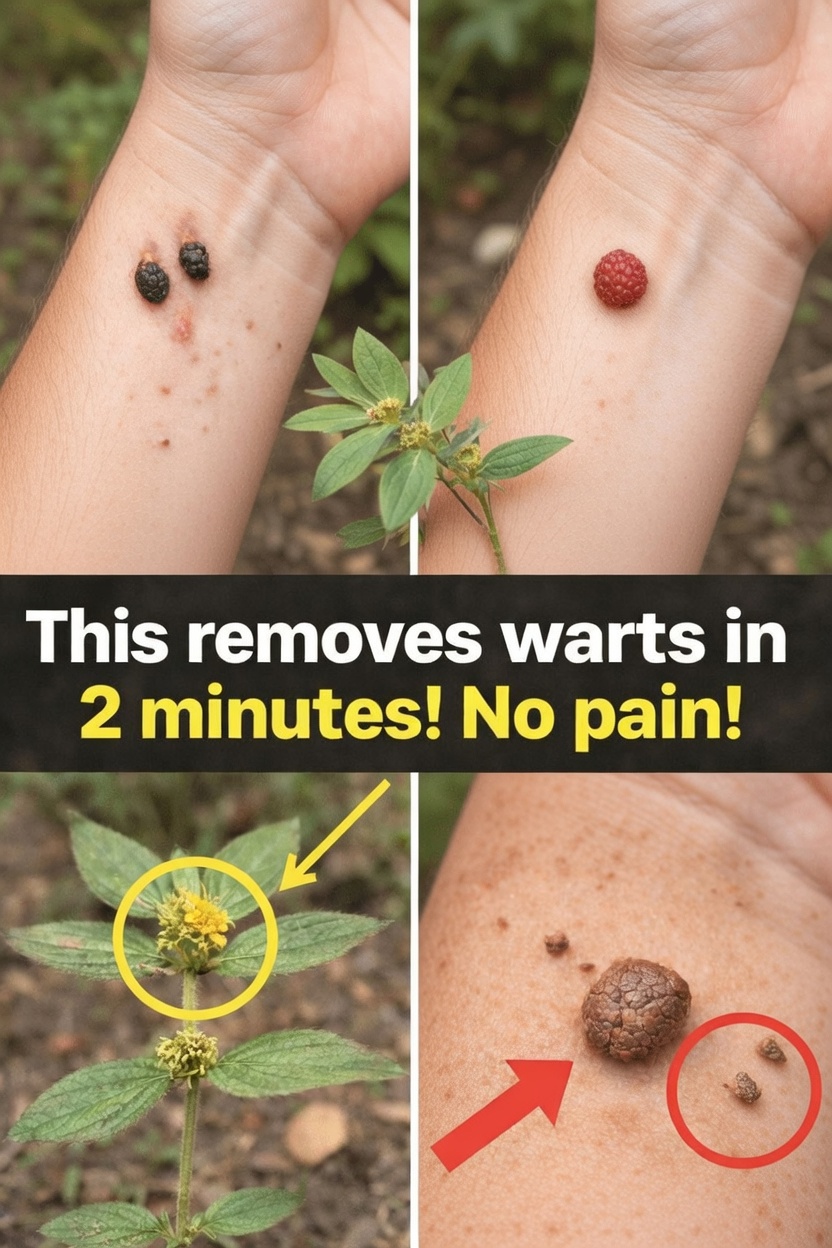
Introducing False Daisy (Eclipta prostrata)
False daisy—also known as bhringraj or karisalankanni—is a small, low-growing herb with tiny white, daisy-like flowers. It belongs to the Asteraceae family and commonly grows in:
- Moist fields
- Along riverbanks
- Wet, tropical and subtropical regions
Because it spreads easily, it is often regarded as a weed, yet it holds a notable place in traditional herbal practices.
Traditional Uses Beyond Warts
Across several Asian traditions, different parts of the plant have been used for overall wellness, including:
- Fresh leaves and their juice
- Dried plant material
- Pastes or simple preparations for the skin
Folk practices sometimes describe applying false daisy preparations to minor skin issues, including small, bumpy growths similar to warts. Laboratory research has identified compounds such as:
- Flavonoids
- Coumestans
- Triterpenoids
These constituents have shown potential anti-inflammatory and antimicrobial properties in lab settings, which may help explain its role in traditional skin care. However, this does not automatically translate into proven effectiveness for wart removal.
What the Evidence Says – and Doesn’t Say
While historical and ethnobotanical records mention false daisy as part of skin-supportive routines, high-quality clinical studies specifically proving it helps warts are limited. Most of what we know comes from:
- Traditional usage
- Folk reports
- Small-scale or lab-based studies on its general properties
There are no strong, large human trials confirming that Eclipta prostrata can remove warts reliably or quickly. Results, if any, are likely to vary widely from person to person.
How False Daisy Is Used in Folk Traditions
In certain traditional practices, particularly in regions of India and Southeast Asia, people sometimes follow simple steps like:
- Crushing fresh leaves or extracting the juice
- Applying the juice or paste directly onto the wart or affected skin
- Allowing it to dry or lightly covering the area
Some also dry the leaves to store them and later rehydrate them into a paste. The concept is that repeated, gentle application may support the skin’s natural renewal processes over time.
It’s crucial to recognize these methods as anecdotal and not medically standardized. There is:
- No consensus on how often to apply
- No guarantee of results
- No clear dosage or treatment duration backed by clinical research
Why People Consider False Daisy for Warts
People who explore this plant-based idea are often motivated by:
- Availability: It grows wild in many tropical and subtropical regions.
- Simplicity: Basic preparations can be made at home.
- Preference: It fits a lifestyle focused on natural or herbal wellness.
At the same time, there are important points to consider for safety and realistic expectations.
Safety Considerations
If you are curious about plant-based support for warts, keep these precautions in mind:
- Always patch test first: Apply a small amount on a healthy skin area and wait 24 hours to check for redness, itching, or burning.
- Avoid open or broken skin: Do not apply on cuts, wounds, or infected areas.
- Watch for irritation: Discontinue immediately if you notice discomfort, swelling, or rash.
- Consider allergies: People sensitive to plants in the Asteraceae family may be more likely to react.
How Plant-Based Ideas Compare to Established Wart Treatments
Conventional, evidence-based wart treatments usually remain the first-line approach. Below is a brief comparison of commonly discussed options:
-
Salicylic acid (OTC):
- Mechanism: Softens and peels away layers of the wart.
- Evidence: Widely supported by dermatology guidelines.
- Timeline: Often needs daily use for several weeks or more.
-
Duct tape occlusion:
- Mechanism: Covers the wart, possibly irritating the area and stimulating the immune response.
- Pros: Inexpensive and simple; low risk for most people.
- Evidence: Mixed, but some studies show modest benefit.
-
Cryotherapy (freezing):
- Mechanism: Liquid nitrogen freezes the wart tissue.
- Pros: Performed by professionals; can work quickly for some.
- Cons: Can be painful; may require multiple sessions.
-
Plant extracts (such as false daisy):
- Mechanism: Based largely on traditional use and general skin-supportive properties.
- Evidence: Limited clinical data for wart removal specifically.
- Appeal: Aligns with natural routines; perceived as gentle.
No single approach works for everyone. In many cases, a combination of strategies under medical guidance produces the best results.
Curious About False Daisy? A Cautious Step-by-Step Outline
If you are considering experimenting with false daisy as a complementary, traditional idea (not a replacement for medical care), the following steps reflect common folk descriptions:
-
Correct identification
- Look for a low plant with opposite leaves and small white, daisy-like flower heads.
- If possible, have an experienced herbalist or botanist confirm the plant.
-
Harvest carefully
- Choose fresh, healthy leaves.
- Make sure the plant comes from a clean area free from pesticides, pollution, or animal waste.
-
Prepare the leaves
- Wash the leaves thoroughly.
- Crush them using clean fingers, a mortar and pestle, or blend with a few drops of clean water to make a paste or extract juice.
-
Application
- Clean the skin around the wart and pat dry.
- Patch test on another area of skin first.
- If tolerated, apply a small amount of the paste or juice onto the wart.
- You may leave it uncovered or cover loosely with a breathable bandage.
-
Monitor and repeat
- Check the area daily for any signs of irritation.
- Reapply only if the skin remains comfortable.
- Stop use immediately if you notice itching, burning, redness, or worsening of the area.
Always remember: this is exploratory and traditional, not a guaranteed treatment. Medical care should guide your overall wart management plan, especially if you have underlying health conditions or many lesions.
When to See a Professional About Warts
You should contact a dermatologist or healthcare provider if:
- The wart changes color, shape, or size
- It becomes painful, bleeds, or looks infected
- You have many warts, or they spread quickly
- You have diabetes, poor circulation, or a weakened immune system
- Home treatments (of any kind) do not improve the condition
A professional can confirm that the growth is truly a wart (and not something more serious) and offer options such as:
- Prescription-strength topical medications
- Cryotherapy or other removal techniques
- Tailored guidance on combining medical and supportive care safely
Conclusion: Balancing Tradition and Evidence
False daisy (Eclipta prostrata) demonstrates how traditional plant knowledge continues to influence everyday wellness discussions. While its historical use for general skin support is well documented in some cultures, its effectiveness for warts specifically is not firmly proven by modern clinical trials.
The most balanced approach is to:
- Use evidence-based treatments as your primary strategy
- View plant-based ideas like false daisy as optional, complementary practices
- Involve a healthcare professional in decisions about persistent or changing skin growths
Small, consistent, and informed steps—combined with expert advice—give you the best chance of managing warts safely and effectively.
Frequently Asked Questions
What actually causes warts to form?
Warts occur when certain types of HPV (human papillomavirus) enter the skin through tiny cuts or abrasions. The virus triggers extra cell growth, leading to a rough, raised bump. Warts can spread through direct skin contact or by sharing items like towels, razors, or shoes.
Are all plant-based or herbal wart remedies safe?
No. Some plants can cause allergic reactions, skin burns, or interact with medications. Even “natural” ingredients can be irritating. Patch testing, understanding your own allergies, and talking with a healthcare provider are important steps before trying any new remedy.
How long do supportive or herbal routines usually take to show changes?
Timeframes vary widely. Some people may notice changes within a few weeks, while others see little or no effect. In contrast, professional treatments typically offer more predictable timelines and success rates. If a wart persists or worsens despite consistent effort, a dermatology consultation is recommended.