The Remarkable Bladder and Prostate Benefits of Onions (Allium cepa)
Onions (Allium cepa) are often viewed simply as a cooking staple, but they are also a potent functional food with impressive health-promoting properties. Rich in antioxidants, sulfur compounds, and anti-inflammatory agents, onions can play a supportive role in maintaining a healthy bladder and prostate.
Below are the key ways onions may contribute to better urinary and prostate health—and why it’s worth including them regularly in your diet.
1. Onions May Support a Healthy Prostate
One of the standout compounds in onions is quercetin, a powerful antioxidant. Quercetin is known for its ability to help combat inflammation in various tissues, including the prostate.
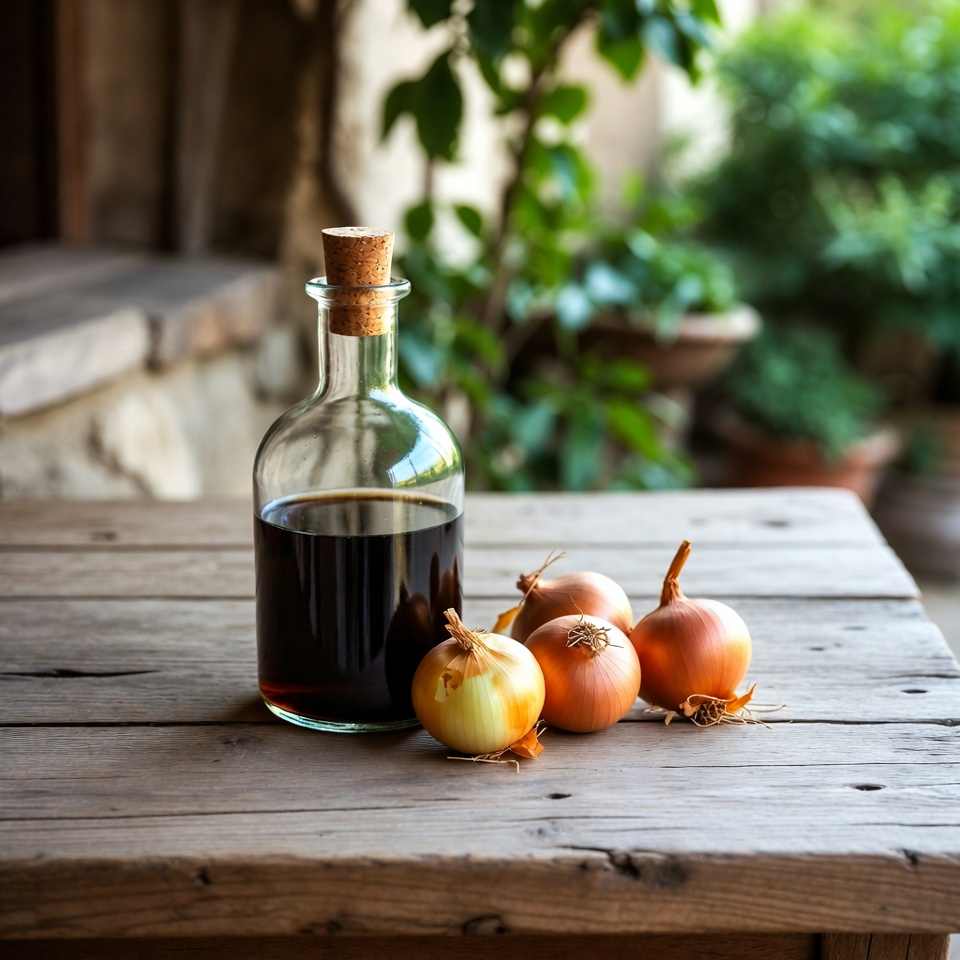
Research suggests that quercetin may help:
- Reduce inflammation associated with prostate enlargement
- Lower the risk of benign prostatic hyperplasia (BPH), a condition where the prostate grows larger and can interfere with normal urination
By adding onions to your meals, you may be giving your prostate extra protection against age-related changes.
2. Potential Role in Lowering Prostate Cancer Risk
Onions are rich in organosulfur compounds, bioactive substances that have drawn attention for their potential anti-cancer effects. These compounds may:
- Help reduce oxidative stress, a key driver of cellular damage
- Inhibit the growth and spread of abnormal prostate cells
While onions are not a cure or a standalone treatment, a diet that regularly includes onions and other Allium vegetables (like garlic and leeks) is associated with a lower risk of several cancers, including prostate cancer, in some observational studies.
3. Support for Bladder Function and Fewer Infections
Onions exhibit natural antibacterial properties, largely thanks to their sulfur-containing compounds. These may help:
- Reduce harmful bacterial growth in the urinary tract
- Lower the likelihood of urinary tract infections (UTIs)
- Support overall bladder health by creating a less favorable environment for pathogens
For those prone to recurrent UTIs, incorporating onions into a balanced diet may offer an additional layer of support alongside proper medical care and hydration.
4. May Promote Easier Urination and Better Flow
Urinary difficulties are common in men with prostate enlargement or inflammation. Onions’ anti-inflammatory effects can help by:
- Easing irritation around the prostate and bladder
- Reducing pressure on the urethra
- Potentially improving urine flow and reducing straining during urination
Consistent consumption of onions, as part of an overall healthy lifestyle, may support more comfortable and efficient urination.
5. Help Calm Bladder Inflammation
Onions are a notable source of flavonoids and other anti-inflammatory compounds. These can be particularly useful for people dealing with bladder discomfort, such as:
- Irritation linked to interstitial cystitis
- General inflammatory bladder conditions
By helping to modulate inflammation, the phytonutrients in onions may contribute to reduced pain, burning, or urgency in some individuals.
6. Support for Kidney and Urinary Tract Health
Onions also provide mild detoxifying and diuretic effects, which means they can promote increased urine output and the elimination of waste products. This can help:
- Flush toxins from the kidneys and bladder
- Reduce the risk of kidney stones by encouraging urine flow
- Lower the likelihood of urinary retention
While they are not a substitute for medical treatment, onions can be a supportive food for overall kidney and urinary tract health.
7. Helping Balance Hormones That Influence the Prostate
Hormones such as testosterone and estrogen influence prostate size and function. Certain compounds in onions may play a role in:
- Supporting more balanced hormone levels
- Reducing the likelihood of hormone-related prostate enlargement
- Helping maintain healthier prostate tissue over time
Combined with other lifestyle strategies—such as maintaining a healthy weight and staying active—onions can be part of a prostate-friendly diet.
Simple Ways to Eat More Onions
Incorporating onions into your daily meals is easy and versatile. Here are some practical ideas:
-
Enjoy them raw
- Add thinly sliced onions to salads, wraps, sandwiches, and salsas.
- Use red onions for a milder flavor and extra antioxidants.
-
Cook them into main dishes
- Sauté onions as a base for soups, stews, stir-fries, and curries.
- Caramelize onions to add natural sweetness and depth of flavor.
-
Try onion-infused drinks
- Prepare onion-infused water or a mild onion tea by gently simmering onion slices and allowing them to steep, then drinking the strained liquid.
-
Use onions as a natural seasoning
- Replace or reduce processed sauces and dressings by flavoring dishes with onions, garlic, herbs, and spices.
By combining raw and cooked onions, you can take advantage of different beneficial compounds released at various preparation stages.
Conclusion
Onions (Allium cepa) are far more than a kitchen basic—they are a rich source of antioxidants, organosulfur compounds, and anti-inflammatory agents that can support bladder health, prostate function, and overall urinary wellness.
Regularly including onions in a balanced diet may help:
- Reduce prostate inflammation and support healthy prostate size
- Lower the risk of certain prostate issues
- Support bladder function and protect against urinary tract infections
- Promote kidney health and better urine flow
Enjoy onions in salads, cooked dishes, or infusions, and take advantage of their wide-ranging health benefits as a simple, natural addition to your daily meals.