4 Everyday Foods and Drinks a Heart Surgeon Says to Avoid for Better Health
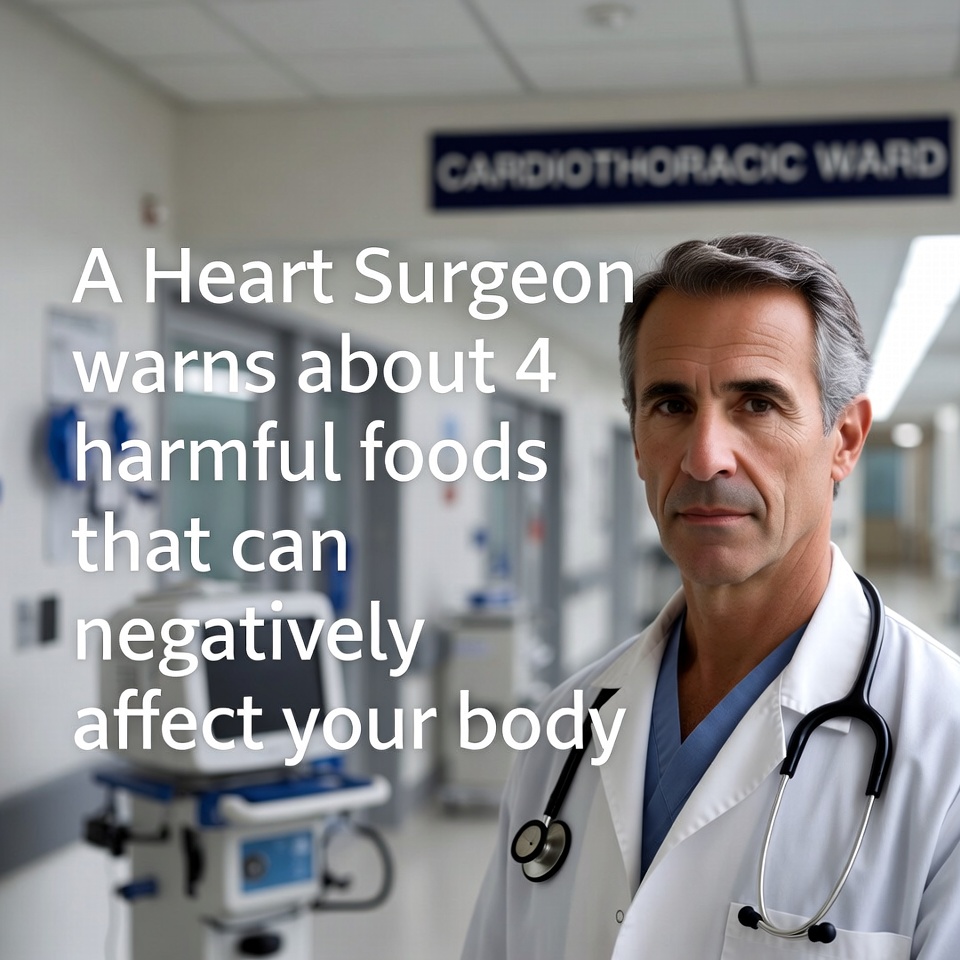
Living a long, healthy life is closely tied to what we eat and drink each day. While no one’s diet is perfect, consistently making smart food choices is crucial for most people. TikTok-famous cardiac surgeon Dr. Jeremy London recently shared a video highlighting four common foods and beverages he believes you should avoid to protect your heart and overall health.
1. Fast Food: Convenient but Harmful
Dr. London’s first major red flag is fast food. He refers to much of it as “edible food-like substances,” implying that many fast-food items provide calories but very little real nutrition.
Most fast food is:
- Extremely high in calories
- Low in essential vitamins and minerals
- Packed with unhealthy additives
A 2017 article in the American Journal of Lifestyle Medicine noted that typical fast-food meals are often loaded with:
- Chemical additives
- Artificial ingredients
- High-fructose corn syrup
- Excess sugar
- Artificial sweeteners
- Large amounts of salt
- Artificial colors
Over time, regularly eating this type of food can increase the risk of obesity, heart disease, metabolic issues, and other chronic health problems.
Related: Research suggests that, for heart health, white rice can be as harmful as sugary treats like candy.
2. Soda: “Liquid Death” in a Can
Next on Dr. London’s list are sugary and diet sodas, which he dramatically calls “liquid death.” His concern centers on the extremely high sugar content in regular soft drinks, which has been linked to multiple health issues, including:
- Weight gain and obesity
- Poor blood sugar control
- Type 2 diabetes
UCLA Health reports that drinking just one soda per day can significantly increase your risk of developing type 2 diabetes.
Diet sodas are not a safe alternative either. Although they contain little or no sugar, studies suggest that artificial sweeteners can:
- Increase appetite
- Disrupt normal metabolism
- Contribute to weight gain and metabolic problems
Because both regular and diet sodas can negatively affect health, Dr. London recommends cutting them out entirely if possible.
3. Dairy Products: Not as “Healthy” as Many Assume
Milk and dairy have long been promoted as staples of a healthy diet, but Dr. London challenges this belief. He points out that humans are the only species that routinely drink milk after infancy—and from other animals.
The Physicians Committee for Responsible Medicine notes that dairy products are a major source of saturated fat in the typical American diet. High intake of saturated fat is associated with:
- Coronary heart disease
- Type 2 diabetes
- Alzheimer’s disease
Some research suggests that low-fat or fat-free dairy may offer certain nutritional benefits, but the evidence is mixed, and more studies are needed to fully understand dairy’s long-term impact on health.
Given the uncertainty and potential risks, Dr. London suggests limiting—or even avoiding—dairy products as a precaution.
Related: 3 common foods experts say are terrible for your heart (and what to eat instead).
4. Alcohol: Toxic to Every Cell
The final item on Dr. London’s list is alcohol, which he describes as “undeniably toxic to every cell in our bodies.”
The World Health Organization classifies alcohol as a Group 1 carcinogen—the same category as tobacco and asbestos. This means there is strong evidence that alcohol can cause cancer. Even light or occasional drinking has been linked to:
- Increased cancer risk
- Liver damage
- Heart problems
- Immune system suppression
Oncology professionals, including dietitian Nichole Andrews and physician Waqqas Tai, likewise recommend avoiding alcohol due to its potential to cause serious harm. The consensus among many health experts is that the risks of alcohol consumption far outweigh any potential benefits.
Choosing Foods That Support Heart Health and Longevity
Dr. Jeremy London’s recommendations are a clear reminder of how heavily our food and drink choices influence heart health and overall well-being. Eliminating fast food, soda, most dairy products, and alcohol may feel challenging at first, but the long-term benefits could be substantial.
Instead of relying on these harmful choices, focus on building a diet centered around:
- Vegetables
- Fruits
- Whole grains
- Legumes (beans, lentils, peas)
This pattern of eating, which is also encouraged by the American Heart Association, can help:
- Lower the risk of chronic diseases
- Support a healthy weight
- Improve heart health
- Boost energy and quality of life
By making intentional, informed decisions about what you eat and drink each day, you can take powerful steps toward a longer, healthier life—while reducing the risks associated with these four potentially damaging foods and beverages.