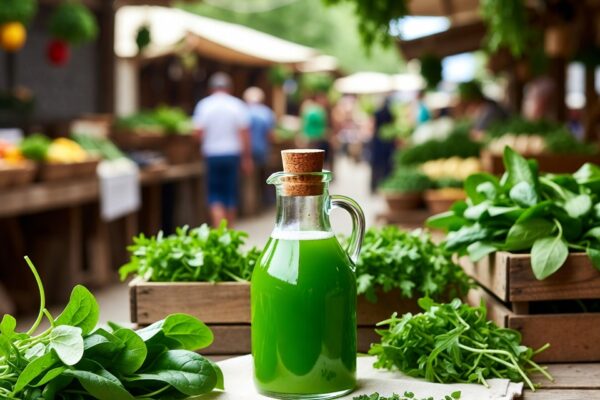
Common Mallow: A Powerful Medicinal Herb Disguised as a Weed
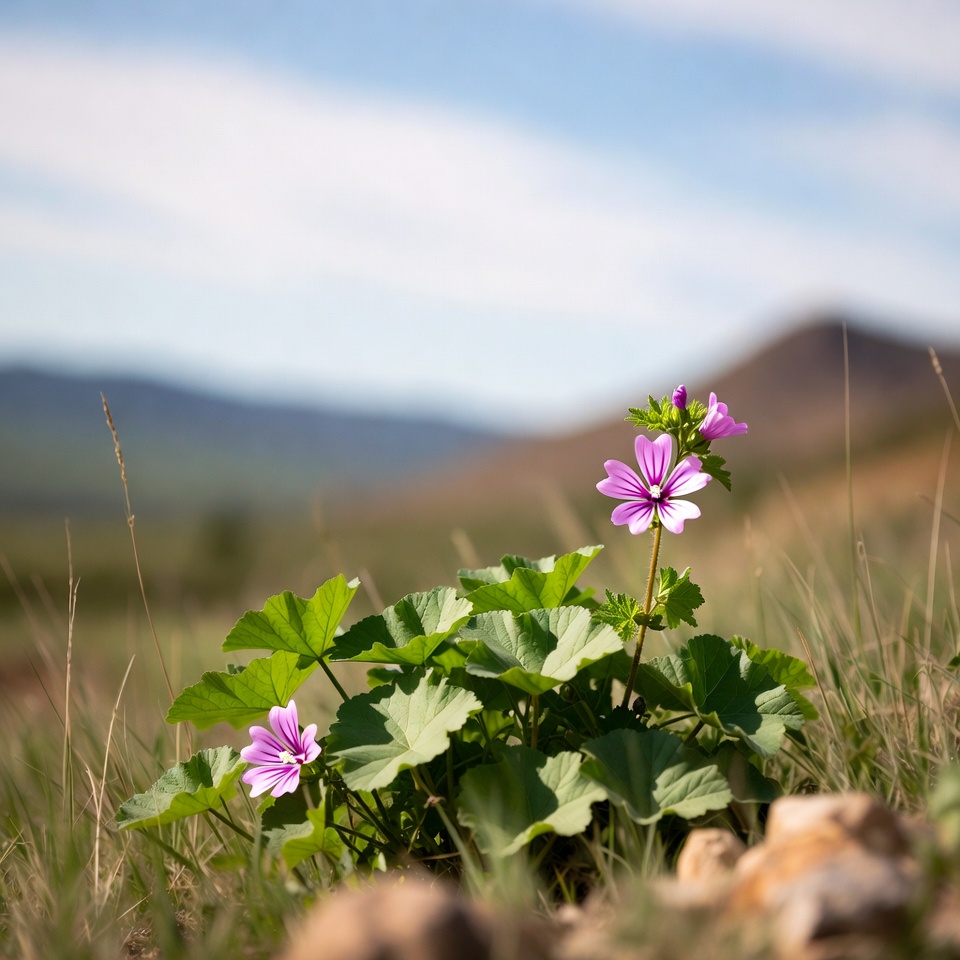
Often dismissed as a simple garden weed, common mallow (Malva sylvestris) is in fact a nutrient-dense medicinal herb with a long history in traditional herbal medicine. Thanks to its soothing, anti-inflammatory, and antioxidant properties, this versatile plant has been used to support digestion, respiratory health, skin repair, and more.
Below, you’ll discover the key health benefits of common mallow, its nutrient profile, and practical ways to include it in your daily wellness routine.
Nutrient Profile: A Naturally Nutritious “Super Green”
Common mallow is packed with vitamins, minerals, and antioxidants that contribute to overall health and vitality.
- Vitamin A – Essential for healthy vision, skin regeneration, and immune defense.
- Vitamin C – Supports immune resilience and encourages collagen formation for skin, joints, and connective tissue.
- Vitamin K – Important for proper blood clotting and maintaining strong bones.
- Calcium, Magnesium, and Potassium – Crucial for bone density, nerve signaling, heart function, and muscle relaxation.
Why this matters:
Including common mallow in your diet can offer a natural boost of micronutrients, helping to support immune health, digestive comfort, and skin radiance.
1. Supports Digestive Health
One of the most notable benefits of common mallow is its ability to calm and protect the digestive system, largely due to its high mucilage content (a soothing, gel-like substance).
Common mallow may help:
- Coat and shield the stomach lining, easing irritation from excess stomach acid.
- Reduce indigestion, gas, bloating, and mild digestive discomfort.
- Act as a gentle, natural laxative, promoting smooth digestion and regular bowel movements.
How to use for digestion:
- Drink common mallow tea to calm the stomach and support digestive comfort.
- Eat fresh mallow leaves, either raw in salads or cooked like leafy greens.
2. Anti-Inflammatory and Antioxidant Properties
Common mallow contains bioactive compounds such as flavonoids and phenolic acids, which contribute to its anti-inflammatory and antioxidant effects.
These compounds can help:
- Reduce inflammation, which may benefit those with joint pain or mild arthritis.
- Fight oxidative stress, supporting protection against chronic disease and cellular damage.
- Strengthen immune function by neutralizing harmful free radicals.
How to use for inflammation and antioxidant support:
- Enjoy a daily cup of common mallow tea to help support the body’s natural anti-inflammatory processes.
- Apply a poultice of crushed fresh leaves on swollen or irritated areas to soothe discomfort.
3. Natural Support for Respiratory Health
Traditionally, common mallow has been used as a remedy for respiratory issues thanks to its expectorant and soothing qualities.
It may help:
- Loosen and thin mucus in the airways, making it easier to expel.
- Ease throat irritation, thereby calming coughs and chest congestion.
- Provide relief from mild colds, bronchitis symptoms, and upper respiratory irritation.
How to use for respiratory relief:
- Sip warm mallow tea to relieve sore throats, dry coughs, and chest discomfort.
- Inhale steam infused with mallow leaves to help clear blocked nasal passages and ease breathing.
4. Promotes Soft, Hydrated, and Calm Skin
Thanks to its mucilage-rich composition, common mallow is an excellent natural skin soother and moisturizer, especially for dry, itchy, or irritated skin.
Topical use of common mallow can:
- Calm rashes, insect bites, and minor skin irritations.
- Provide hydration and softness, reducing roughness, dryness, and flaking.
- Help soothe inflammatory skin conditions such as eczema or dermatitis.
How to use for skin health:
- Apply crushed fresh leaves directly onto irritated skin for a cooling, calming effect.
- Use mallow-infused oil or cooled mallow tea as a gentle skin toner, wash, or rinse.
5. Culinary Uses: A Nourishing Edible Plant
Beyond its therapeutic effects, common mallow is entirely edible and can be a nutritious addition to everyday meals.
Parts you can use:
- Young leaves – Mild-tasting and tender; can be eaten raw in salads or cooked like spinach or other leafy greens.
- Flowers – Attractive and delicate; often used as an edible garnish or brewed into herbal teas.
- Seeds (often called “mallow cheese”) – Have a pleasant nutty flavor and can be eaten raw, roasted, or added to dishes.
Culinary ideas:
- Add fresh mallow leaves to soups and stews for extra nutrients and a pleasant texture.
- Blend the leaves into smoothies with fruit and yogurt for a green, mineral-rich drink.
- Prepare common mallow tea by steeping dried leaves and flowers in hot water for several minutes.
Precautions and Safety Tips
While common mallow is generally considered safe when used in moderation, it’s important to follow a few precautions:
- Harvest only from clean areas, away from roadsides, polluted sites, or places treated with pesticides and herbicides.
- Pregnant or breastfeeding individuals should consult a healthcare professional before using common mallow medicinally.
- People taking prescription medications should seek medical advice, as mucilage-rich herbs may influence the absorption of some drugs.
If you notice any allergic reactions, skin irritation, or digestive upset, reduce your intake and consult a healthcare provider.
Final Thoughts: Why Common Mallow Deserves a Place in Your Wellness Routine
Although it may appear to be just another ordinary weed, common mallow is a remarkably beneficial herb that can enhance a natural, holistic health regimen. Whether your goal is to support digestion, ease respiratory discomfort, calm inflammation, or nourish your skin, this nutrient-rich plant offers a gentle, accessible option.
Key benefits of common mallow:
- Supports gut health and soothes the digestive tract
- Helps reduce inflammation and offers antioxidant protection
- Assists in clearing mucus and easing respiratory discomfort
- Hydrates, softens, and calms dry or irritated skin
- Provides essential vitamins, minerals, and beneficial plant compounds
The next time you see common mallow growing in your yard or garden, you might look at it differently—and consider harvesting it for both its nutritional and medicinal value.