Soothe Tired Eyes with Natural Support
If your eyes often feel dry, strained, or fatigued after long hours on digital devices or in air-conditioned, low-humidity environments, you’re not alone. Over time, normal aging, constant light exposure, and oxidative stress can all contribute to eye discomfort and gradually reduced visual sharpness. When even simple daily activities start to feel demanding on your eyes, finding gentle, natural ways to support them becomes increasingly important.
The encouraging news: adding certain nutrient-dense foods to your diet may help maintain overall eye health. One particularly powerful choice is guava—a tropical fruit rich in vitamins and protective antioxidants. This guide explains how guava’s natural compounds may support eye wellness, offers practical ideas for enjoying it, and walks you through a simple, refreshing preparation you can try at home.
Why Guava Is a Powerful Ally for Eye Health
Guava is more than a sweet, fragrant fruit—it’s one of the most concentrated natural sources of key micronutrients. Just one guava can supply more than twice the daily recommended value of vitamin C, plus meaningful amounts of vitamin A and a variety of antioxidants.
Scientific research has shown that vitamin C functions as a strong antioxidant, helping shield eye tissues from oxidative damage triggered by free radicals. Large-scale studies on nutrition and vision—such as the Age-Related Eye Disease Study (AREDS)—suggest that diets abundant in vitamin C may help preserve healthy vision as we age.
But guava’s benefits don’t stop there.
Vitamin A found in guava contributes to the integrity of the cornea and retina and plays an essential role in night vision and overall visual performance. Some analyses also highlight that guava contains carotenoids like lutein and zeaxanthin—pigments that accumulate in the macula and help filter potentially harmful blue light from screens and sunlight.
The Science Behind Guava’s Eye-Supporting Nutrients
Several studies underline the impressive nutritional profile of guava:
-
Exceptional Vitamin C Levels
Guava often provides 4–5 times more vitamin C per serving than oranges. This vitamin supports collagen production within the eye’s structures and may lower the impact of oxidative stress, as described in reviews from institutes such as the National Eye Institute. -
Vitamin A and Beta-Carotene
These nutrients are vital for retinal function and may help reduce problems like difficulty seeing in low-light conditions. -
Antioxidants and Flavonoids
Bioactive compounds in guava fruit and leaves help neutralize free radicals, which may protect sensitive eye tissues from gradual damage.
No single food can guarantee perfect eyesight, but nutritional research consistently shows that regularly consuming vitamins, carotenoids, and antioxidants from whole foods like guava can be a valuable part of a diet that supports eye health.
Key Eye-Friendly Nutrients in Guava
Here are some of the main components in guava that may benefit your eyes:
- Vitamin C – Helps defend against oxidative stress and supports healthy blood vessels in the eyes.
- Vitamin A – Essential for a clear cornea and helps maintain vision in dim lighting.
- Lutein and Zeaxanthin – Carotenoids that help filter blue light and support the macula, the part of the eye responsible for sharp central vision.
- Fiber and Potassium – Promote overall cardiovascular and digestive health, indirectly supporting circulation that benefits the eyes.
Simple Ways to Enjoy Guava Every Day
Incorporating guava into your daily routine is straightforward—and delicious. Consider these easy, actionable ideas:
-
Eat It Fresh
Rinse a ripe guava thoroughly, slice it, and eat it with the skin to maximize fiber intake. Aim for 1–2 fruits per day when they are in season. -
Blend a Guava Smoothie
Combine guava with banana, yogurt, and a squeeze of lime for a creamy, vitamin-packed drink that supports overall wellness, including eye health. -
Drink Fresh Guava Juice
Blend guava with water, strain if desired, and enjoy it unsweetened to keep it as natural as possible. -
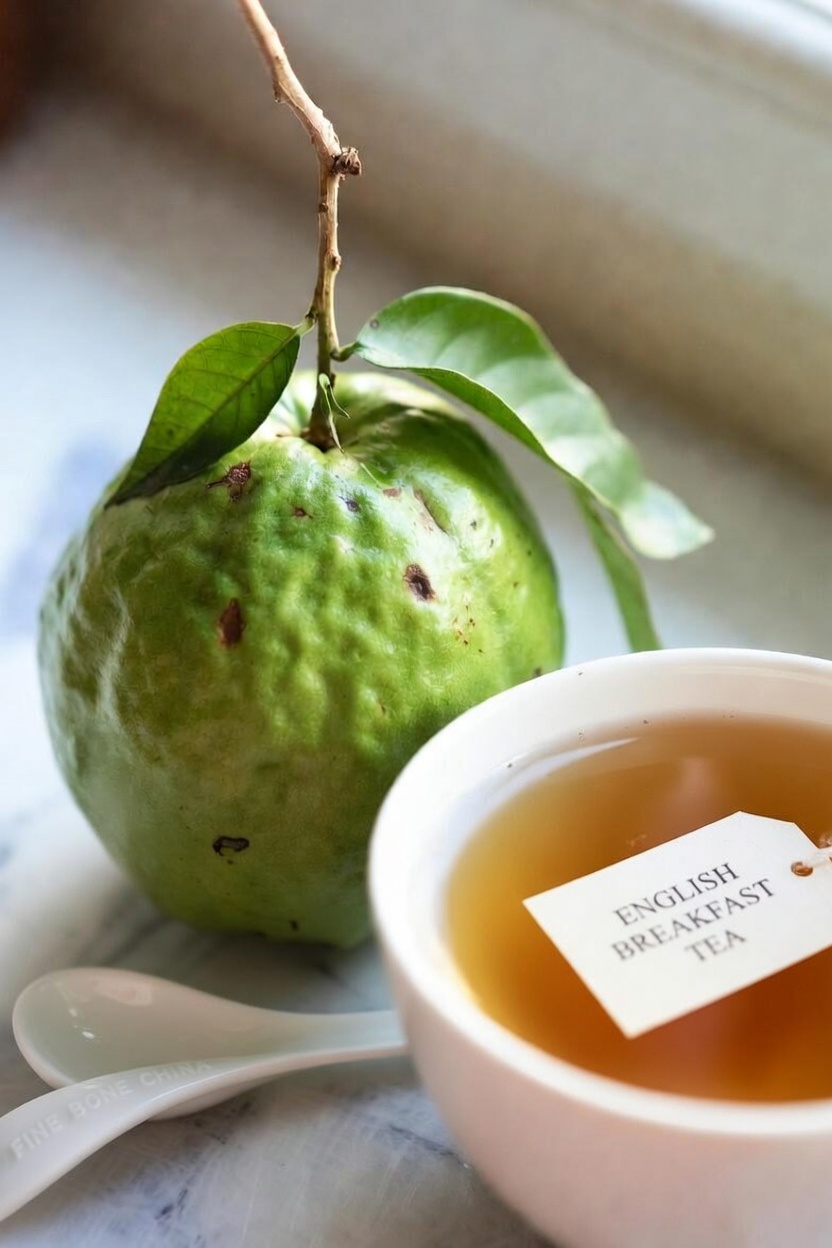
Try Guava Leaf Tea (A Gentle Herbal Option)
Guava leaves have traditionally been used as an herbal infusion for their antioxidant content.

How to Make Simple Guava Leaf Tea
Many people appreciate guava leaf tea as a mild, soothing beverage:
- Select 5–7 fresh, young guava leaves and wash them thoroughly.
- Add them to 2 cups of water and bring to a boil.
- Simmer for 10–15 minutes, then turn off the heat.
- Strain the liquid and allow it to cool slightly.
- Drink it warm or chilled, starting with one cup per day and noticing how your body responds.
Always choose clean leaves from pesticide-free plants or trusted sources.
Benefits of Guava Beyond Eye Health
Guava’s advantages extend far beyond vision support:
- Digestive Health: The high fiber content can promote healthy digestion and regularity.
- Immune Support: Its impressive vitamin C levels help strengthen the immune system.
- Overall Antioxidant Protection: A range of antioxidants may help combat oxidative stress throughout the body, contributing to greater overall vitality and energy.
Regularly including guava in your diet can support general health while also nurturing your eyes.
Important Considerations
While guava is generally safe and nutrient-rich, individual experiences can vary. To get the best support for your eyes:
- Combine guava with a balanced, varied diet rich in fruits, vegetables, and healthy fats.
- Schedule regular eye examinations to monitor vision and detect any issues early.
- Practice protective habits such as wearing sunglasses outdoors, using proper lighting, and taking breaks from screens.
- Follow your healthcare provider’s advice for any existing eye conditions.
Conclusion
Adding guava to your daily meals or snacks is a simple, enjoyable way to nourish your eyes with valuable vitamins and antioxidants. Whether eaten fresh, blended into smoothies, juiced, or sipped as a gentle leaf tea, guava is an accessible, natural option to consider as part of a long-term strategy for eye comfort and visual health.
Frequently Asked Questions
How much guava should I eat to support my eyes?
A practical starting point is 1–2 fresh guavas per day, or the equivalent in smoothies or fresh juice. Consistency is more important than exact amounts—focus on enjoying guava regularly as part of a diverse, nutrient-rich diet.
Can guava leaf tea replace professional eye care?
No. Guava leaf tea is a complementary herbal beverage with antioxidant properties, not a substitute for medical treatment. If you have any vision concerns or diagnosed eye conditions, consult an eye care professional or healthcare provider for proper evaluation and management.
Is guava safe for everyone?
Most people tolerate guava well. However:
- Individuals with food allergies or sensitive digestion should start with small portions to see how they respond.
- Guava is generally considered low-glycemic and can be suitable for people with diabetes in moderation, but it’s wise to monitor blood sugar and follow your doctor’s guidance.
As with any dietary change, listen to your body and speak with a healthcare provider if you have underlying health issues or specific concerns.