
Metoprolol Side Effects: 10 Common Reactions and How to Manage Them
Many people begin taking metoprolol to support heart health or control high blood pressure, then notice small but important changes in how they feel. You may feel more tired than usual, get dizzy during normal activities, or sense that your daily routine suddenly takes more effort. These effects can be concerning, especially if you are unsure whether they are expected or a reason to call your doctor.
The reassuring news is that many of these reactions are known, manageable, and often improve as your body adjusts. Recognizing them early can help you respond wisely and work with your healthcare provider to stay on track. Even better, a few simple daily habits can make the adjustment period much easier.
Metoprolol is a beta blocker, a type of medicine that slows the heart rate and reduces how forcefully the heart pumps. This helps lower blood pressure and decreases the heart’s workload. Trusted medical sources such as the Mayo Clinic and the NHS explain that side effects are possible, particularly in the first few weeks of treatment, while the body adapts. In many cases, these effects are mild and temporary.
Below are 10 commonly reported metoprolol side effects, based on observations from reliable sources including MedlinePlus and Drugs.com. Because each person responds differently depending on dose, age, and overall health, always speak with your doctor about any symptoms you experience.

1. Fatigue and Low Energy
One of the most frequent complaints is feeling unusually tired. Since metoprolol slows the heart rate, everyday activities may feel more draining at first. Many people notice this most during the first couple of weeks.
What may help:
- Keep a consistent sleep routine
- Aim for 7 to 8 hours of sleep
- Add short, gentle walks if your doctor says it is safe
- Drink enough water throughout the day
- Choose balanced, nutrient-rich meals for steady energy
2. Dizziness or Lightheadedness
Feeling dizzy, especially when standing up too fast, is another common side effect. This can happen because blood pressure or heart rate drops too quickly, a reaction often called orthostatic hypotension.
You may notice it:
- In the morning
- After sitting for a long time
- When getting out of bed quickly
Helpful tips:
- Stand up slowly from sitting or lying down
- Pause for a moment before walking
- Sit back down if dizziness begins
- Keep water nearby and stay hydrated
3. Slow or Irregular Heartbeat
Metoprolol is meant to slow the heart, but sometimes the effect can be stronger than expected. You might notice a lower pulse than usual or occasional irregular beats.
This is not always dangerous, but it should be monitored carefully.
What to do:
- Check your pulse as directed by your doctor
- Use a home monitor if recommended
- Report a heart rate below 50 beats per minute
- Contact your doctor if you also feel extreme fatigue, weakness, or faintness
4. Cold Hands and Feet
Some people notice that their hands and feet feel colder than before starting metoprolol. This happens because beta blockers can reduce blood flow to the extremities.
The sensation is usually mild, but it may be more noticeable during cold weather.
Simple ways to stay comfortable:
- Gently massage your hands and feet
- Run them under warm water briefly
- Wear socks or gloves when needed
- Limit excess caffeine, which may affect circulation

5. Headaches
Headaches can appear while your body adjusts to the medication. They are often mild and may be linked to changes in blood flow or physical tension.
To reduce discomfort:
- Drink plenty of water
- Rest in a quiet, calm space
- Ask your pharmacist about safe over-the-counter options
- Tell your doctor if headaches become stronger or last more than a week
6. Digestive Problems Such as Diarrhea
Some users experience loose stools, mild stomach upset, or digestive discomfort when first taking metoprolol. The medicine can temporarily affect how the digestive system moves.
You may feel better if you:
- Eat smaller meals more often
- Choose bland, easy-to-digest foods
- Stay hydrated
- Track meals and symptoms in a simple food journal
7. Mood Changes or Depressed Feelings
In some individuals, beta blockers may affect mood. This can show up as sadness, reduced motivation, low energy, or a general feeling of emotional heaviness. Medical literature has noted this possibility, although not everyone experiences it.
Pay attention to:
- Ongoing low mood
- Loss of interest in normal activities
- Increased isolation
- Emotional changes that do not improve
Supportive steps include:
- Staying connected with friends or family
- Keeping a light daily routine
- Making time for hobbies you enjoy
- Speaking with your doctor if these feelings continue
8. Shortness of Breath
Some people feel mildly short of breath during usual activities. This may be related to a slower heart rate or other health factors. It deserves closer attention if you already have lung conditions or breathing problems.
What you can do:
- Note when the symptom happens
- Mention it during your next medical visit
- Follow any breathing exercises recommended by your care team
- Seek prompt medical advice if breathing worsens
9. Skin Rash or Itching
Although less common, mild itching or a skin rash can occur. This may be due to sensitivity to the medication or simply dry skin during the adjustment phase.
To protect your skin:
- Use gentle moisturizers
- Avoid harsh soaps or irritating products
- Watch for spreading, redness, or worsening symptoms
- Contact your doctor if the rash does not improve
10. Blurred Vision or Sleep Changes
Some people report temporary blurred vision or sleep-related issues such as vivid dreams or disrupted rest. These effects may be connected to how metoprolol influences circulation and the nervous system.
To manage these symptoms:
- Rest your eyes if vision becomes blurry
- Avoid driving until your vision is clear
- Follow a calming bedtime routine
- Limit screen use for at least one hour before bed
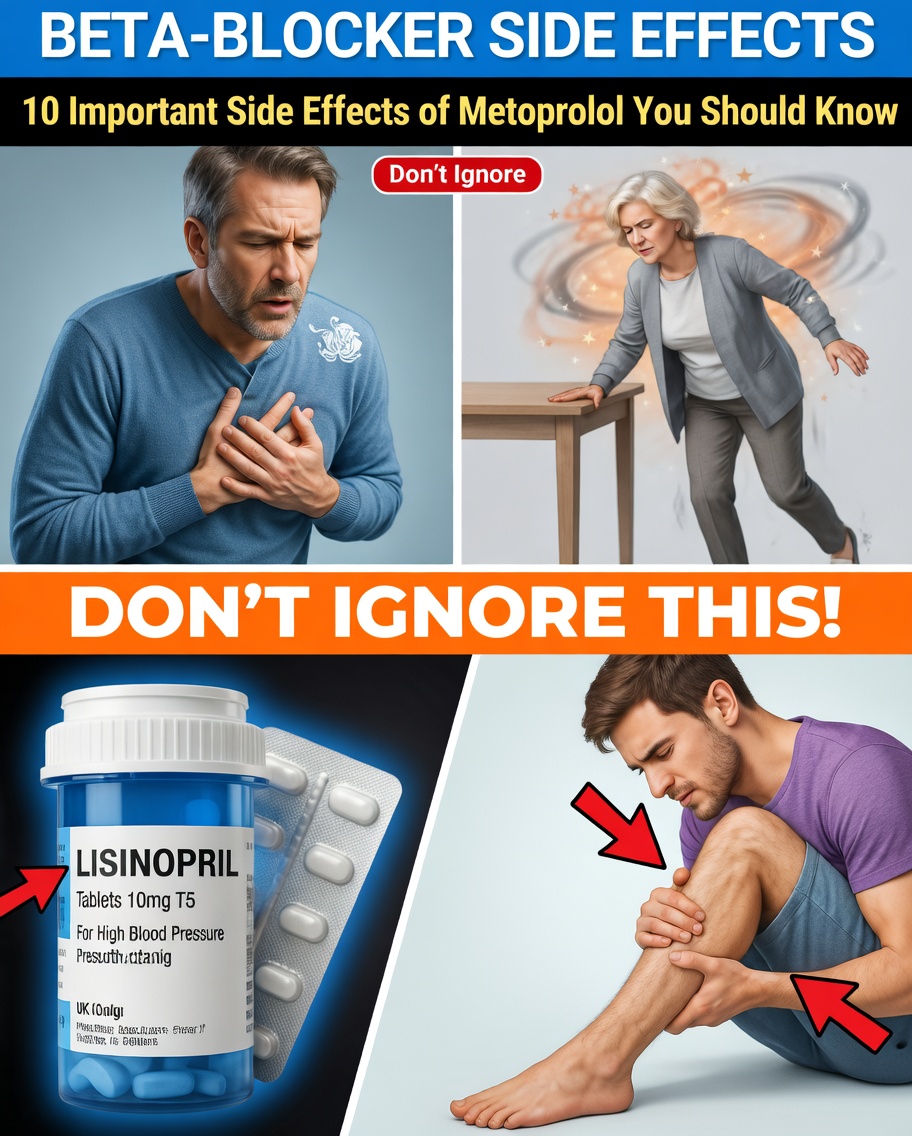
Why These Side Effects Often Improve Over Time
Here is the encouraging part: many metoprolol side effects become less noticeable as your body adapts. For a large number of patients, the first few weeks are the hardest, and symptoms gradually settle with consistency, monitoring, and good daily habits.
Everyday Habits That Can Make Metoprolol Easier to Tolerate
These simple strategies often help patients adjust more comfortably:
- Take metoprolol exactly as prescribed
- Use it at the same time each day to keep medication levels steady
- Keep a brief symptom diary to record what you feel and when it happens
- Attend regular follow-up visits so your doctor can track your response
- Never stop metoprolol suddenly, as this may trigger rebound effects such as a rapid rise in blood pressure
- Support treatment with heart-healthy habits like balanced meals and doctor-approved physical activity
When to Call Your Doctor Right Away
Some symptoms should not be ignored. Contact your doctor promptly if you experience:
- Severe dizziness or fainting
- Chest pain or pressure
- Sudden swelling in the legs or ankles
- Rapid, unexplained weight gain
- A very slow heartbeat below 50 beats per minute
- An irregular heart rhythm
- Worsening shortness of breath
- New breathing problems
- Signs of an allergic reaction, such as hives, swelling, or trouble breathing
Final Thoughts
Understanding the most common side effects of metoprolol can help you manage treatment with more confidence. For many people, the benefits of the medication continue while early side effects fade over time. The best approach is to stay informed, follow your prescription carefully, and keep open communication with your healthcare provider.
FAQ
1. Do metoprolol side effects usually go away on their own?
In many cases, yes. Symptoms such as fatigue and dizziness often improve within a few weeks as the body becomes used to the medication. If side effects persist or worsen, speak with your doctor for personalized advice.
2. Can lifestyle changes reduce metoprolol side effects?
Yes. Basic steps such as staying hydrated, standing up slowly, sleeping well, and tracking symptoms can make a real difference. Your doctor may also recommend additional changes based on your health needs.
3. Is it safe to continue taking metoprolol if mild side effects appear?
For most patients, mild side effects can be managed while continuing treatment under medical supervision. Regular monitoring helps ensure the medication is still the right fit. Do not make changes without first talking to your healthcare provider.