How to Clean an Electric Kettle and Remove Limescale Easily
If you look closely at your electric kettle—especially around the base and inner walls—you’ll often see a chalky, white buildup. This is limescale (also known as tartar), and it forms when mineral-rich water evaporates and leaves deposits behind on any surface that’s regularly in contact with hot water.
Over time, these mineral deposits don’t just look dirty; they can cause serious problems. In larger appliances like water heaters, heavy limescale buildup can even lead to leaks or damage.
To avoid this, it’s important to descale your electric kettle properly. Done the wrong way, you can damage the appliance; done the right way, it’s fast, safe, and very effective. Below is a simple, proven method to clean your electric kettle without effort or harsh chemicals.
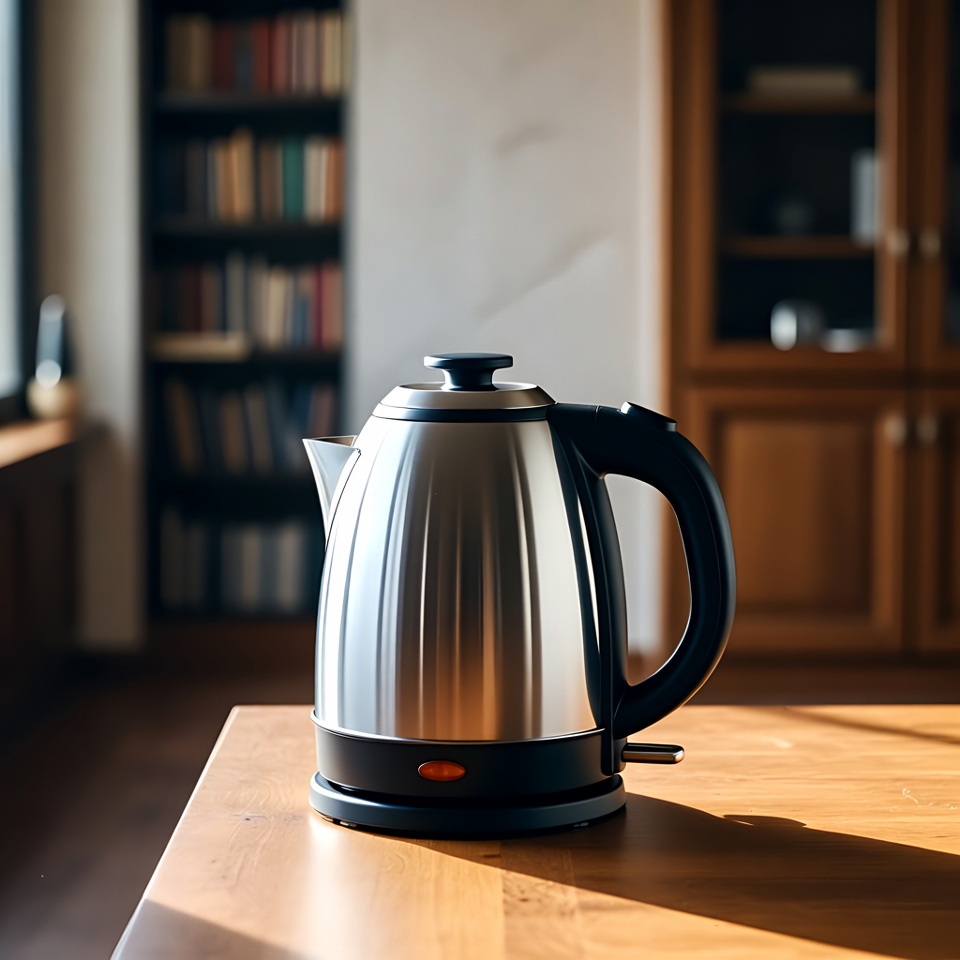
How Often Should You Clean an Electric Kettle?
Regular descaling is essential to keep your kettle working efficiently and safely. As a general rule:
- Clean and descale your kettle at least every three months.
- If you live in an area with hard water (high mineral content), you may need to do it more frequently.
The Easiest Way to Descale an Electric Kettle (Vinegar Method)
This simple home method uses only vinegar and water. Because kettles are designed for liquids, this mixture is completely safe for the materials they’re made from, and it removes limescale with almost no scrubbing.
Step-by-Step Instructions
-
Prepare the descaling solution
Fill the kettle halfway with a mixture of equal parts white vinegar and water.
Example: 1 cup vinegar + 1 cup water. -
Let it soak
Leave the solution in the kettle for at least 1 hour.
This soaking time allows the vinegar’s natural acidity to loosen the limescale. -
Boil the solution
After soaking, turn on the kettle and bring the vinegar–water mixture to a boil. -
Discard and rinse thoroughly
Once it has boiled, pour out the contents carefully.
Rinse the inside several times with plenty of clean water to remove any vinegar and loosened deposits.
Be careful not to get the exterior or electrical components wet.
After this process, you’ll notice that the limescale has disappeared or almost completely dissolved, leaving your kettle clean, smooth, and shiny with minimal effort.
Extra Tips for a Spotless Kettle
- If you see any remaining spots of scale, you can gently wipe the interior with a soft sponge or cloth.
- Avoid abrasive pads or harsh cleaners, as they can scratch the interior surface.
- In most cases, the soak-and-boil method will be enough on its own, and scrubbing won’t be necessary.
No Vinegar? Use Lemon Juice Instead
If you don’t have vinegar at home, lemon juice is an excellent alternative for cleaning an electric kettle.
- Lemon, like vinegar, contains natural acids that break down mineral deposits.
- Simply replace the vinegar in the method above with pure lemon juice (or a mix of lemon juice and water).
- The process is the same: soak, boil, discard, and rinse.
Lemon juice not only helps disintegrate limescale effectively, but it also leaves a fresh, pleasant scent in your kettle.
By descaling your electric kettle regularly with vinegar or lemon, you’ll prevent limescale buildup, extend the life of your appliance, and ensure your hot drinks always taste clean and fresh.