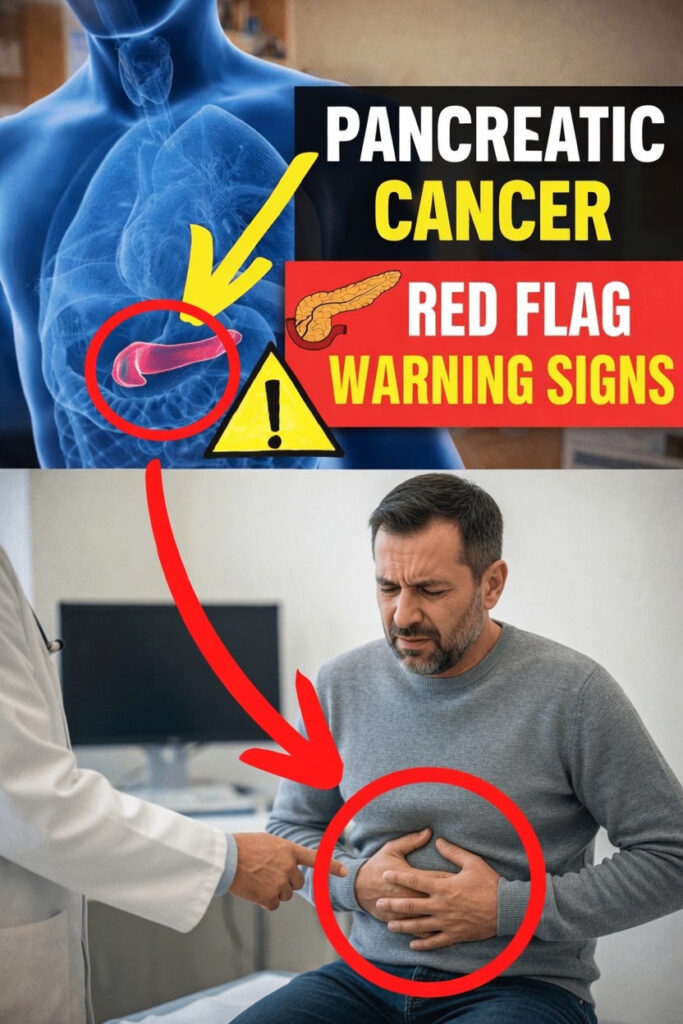
Pancreatic Cancer Warning Signs: Key Symptoms You Should Not Ignore
Pancreatic cancer is often hard to catch in its early stages because the first symptoms can be subtle, nonspecific, and easy to mistake for ordinary digestive trouble or other common health concerns. As a result, warning signs may be overlooked until the disease has advanced, which can be especially stressful for individuals worried about themselves or someone they care about. Learning which changes to watch for can help you respond sooner and seek medical advice when needed. The most important step is recognizing these red flags early, including one unexpected clue many people fail to notice.
Why Early Pancreatic Cancer Symptoms Are Easy to Miss
The pancreas sits behind the stomach and is essential for both digestion and blood sugar regulation. According to respected medical sources such as the Mayo Clinic, pancreatic cancer may cause few symptoms at first, or symptoms so mild that they do not seem alarming. That is part of what makes awareness so important.
Many early signs resemble everyday issues such as stress, dietary changes, indigestion, or fatigue. Because of this overlap, people may delay getting checked. Watching for patterns, especially symptoms that persist or appear together, can make a meaningful difference.
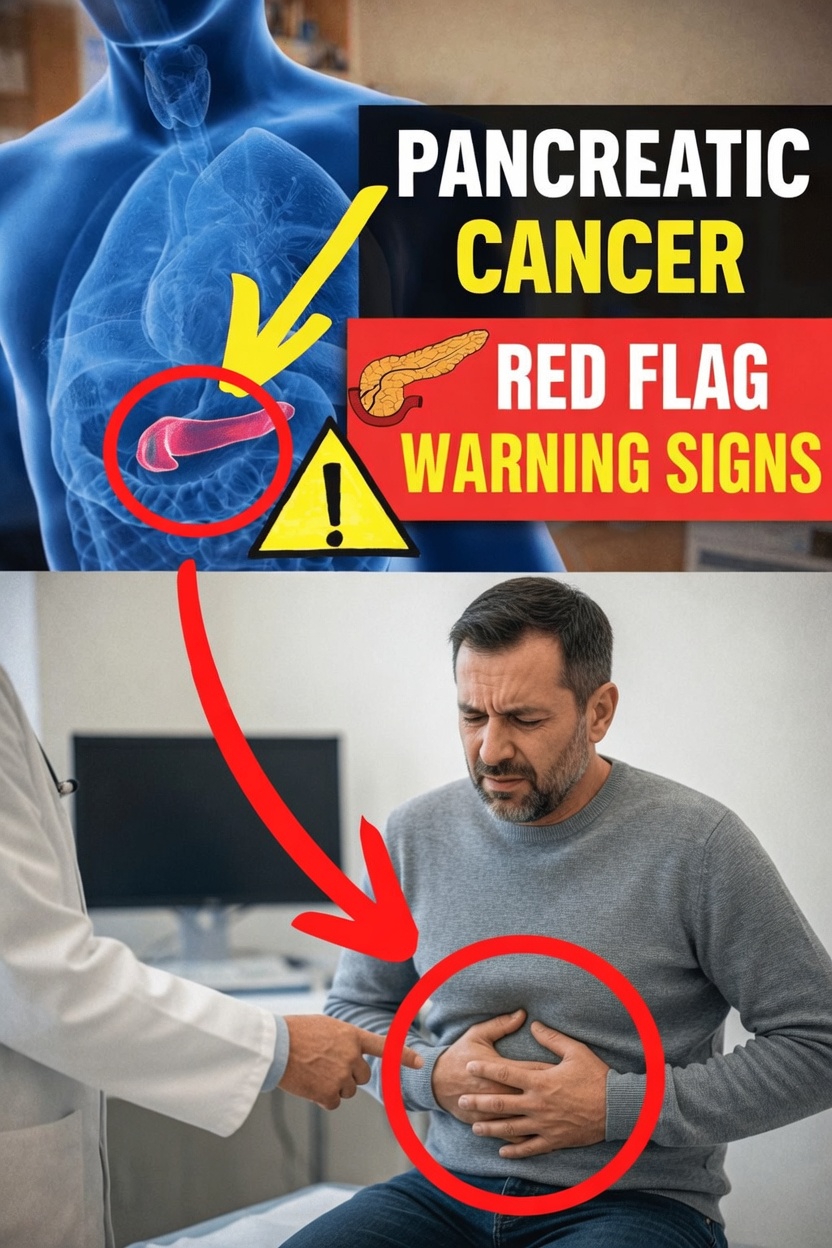
Main Red Flag Signs of Pancreatic Cancer
Several physical changes may signal that something is wrong. Research commonly highlights the following symptoms as reasons to speak with a healthcare professional, especially if they last longer than a couple of weeks:
-
Unexplained abdominal pain or back pain
A persistent dull ache in the upper abdomen that spreads to the back may become worse after meals or while lying down. -
Jaundice, or yellowing of the skin and eyes
This can happen when bile flow is blocked. It may also be accompanied by itchy skin and dark-colored urine. -
Pale, greasy, or floating stools
Stool that looks light in color, oily, or difficult to flush can point to problems digesting fat properly. -
Unexpected weight loss
Losing weight without trying is a common warning sign, even if eating habits have not changed much. -
Reduced appetite or feeling full too quickly
You may notice that meals become less appealing or that you feel satisfied after only a small amount of food. -
New-onset diabetes or worsening blood sugar control
Sudden changes in blood sugar, particularly in adults over 50 with no previous history, deserve attention. -
Ongoing fatigue or weakness
Feeling unusually drained despite adequate rest can be another clue.
These symptoms often do not appear in isolation. When multiple warning signs develop together, they may carry greater significance.
The Overlooked Connection Between Digestive Changes and Pancreatic Health
One of the most commonly missed clues involves digestion. Changes in bowel movements, including pale or floating stools, are frequently dismissed as minor digestive issues. However, the American Cancer Society notes that these changes may occur when the pancreas is not releasing enough digestive enzymes.
Another important pairing is dark urine together with yellowing of the eyes or skin. This combination may suggest bile duct obstruction, which is a classic concern in pancreatic disease. The key is to notice whether symptoms continue, worsen gradually, or appear without a clear short-term explanation.
Why These Warning Signs Deserve Attention
Pancreatic cancer is known for causing vague symptoms, which is one reason many people wait before seeking medical advice. But persistent changes in your body should not be brushed aside. Early conversations with a doctor can lead to evaluation at the right time and help rule out serious causes or identify them sooner.
Many people assume these issues are just part of aging, stress, or an upset stomach. Still, symptoms that linger, repeat, or cluster together should be taken seriously.
Practical Steps to Take if You Notice Symptoms
If any of the warning signs above sound familiar, the goal is not to diagnose yourself, but to be proactive. Consider these simple next steps:
-
Keep a symptom log
Write down what you notice each day, including when symptoms happen, how long they last, and whether they seem related to meals. -
Book an appointment with your doctor
Bring your notes so you can describe your symptoms clearly and accurately. -
Discuss testing if your provider recommends it
Basic blood tests, imaging, or other evaluations may help clarify the cause. -
Share your family medical history
Let your doctor know if close relatives have had pancreatic cancer or related conditions. -
Support overall health with daily habits
A balanced diet, regular movement, and consistent medical care can help maintain general wellness.
The Simple Daily Habit That May Help You Notice Problems Earlier
The surprising habit mentioned earlier is this: pay attention to the color and appearance of your stool and urine every day. It may sound basic, but it is one of the easiest ways to spot subtle changes that could otherwise go unnoticed.
When combined with regular health checkups, this simple form of self-awareness can help you become more familiar with what is normal for your body. It only takes a moment, yet it can strengthen your ability to catch changes early and discuss them with a professional.
Risk Factors That Can Raise Concern
Although anyone can develop pancreatic cancer symptoms, certain factors may increase the need for awareness. These include:
- Age over 45
- A history of smoking
- Chronic pancreatitis
- Family history of pancreatic cancer
- Diabetes
- Obesity
Knowing your personal risk profile can make discussions with your doctor more focused and productive.
Quick Guide to Common Risk Factors
| Factor | Why It Matters | What You Can Do |
|---|---|---|
| Age over 45 | Risk tends to increase with age | Keep up with annual wellness visits |
| Family history | Some cases involve inherited risk | Tell your doctor about affected relatives |
| Smoking | Strongly linked to higher risk | Seek support to quit if needed |
| Chronic conditions | Diabetes and pancreatitis may overlap with symptoms | Manage these conditions closely with medical guidance |
This kind of breakdown can make the information easier to understand and remember.
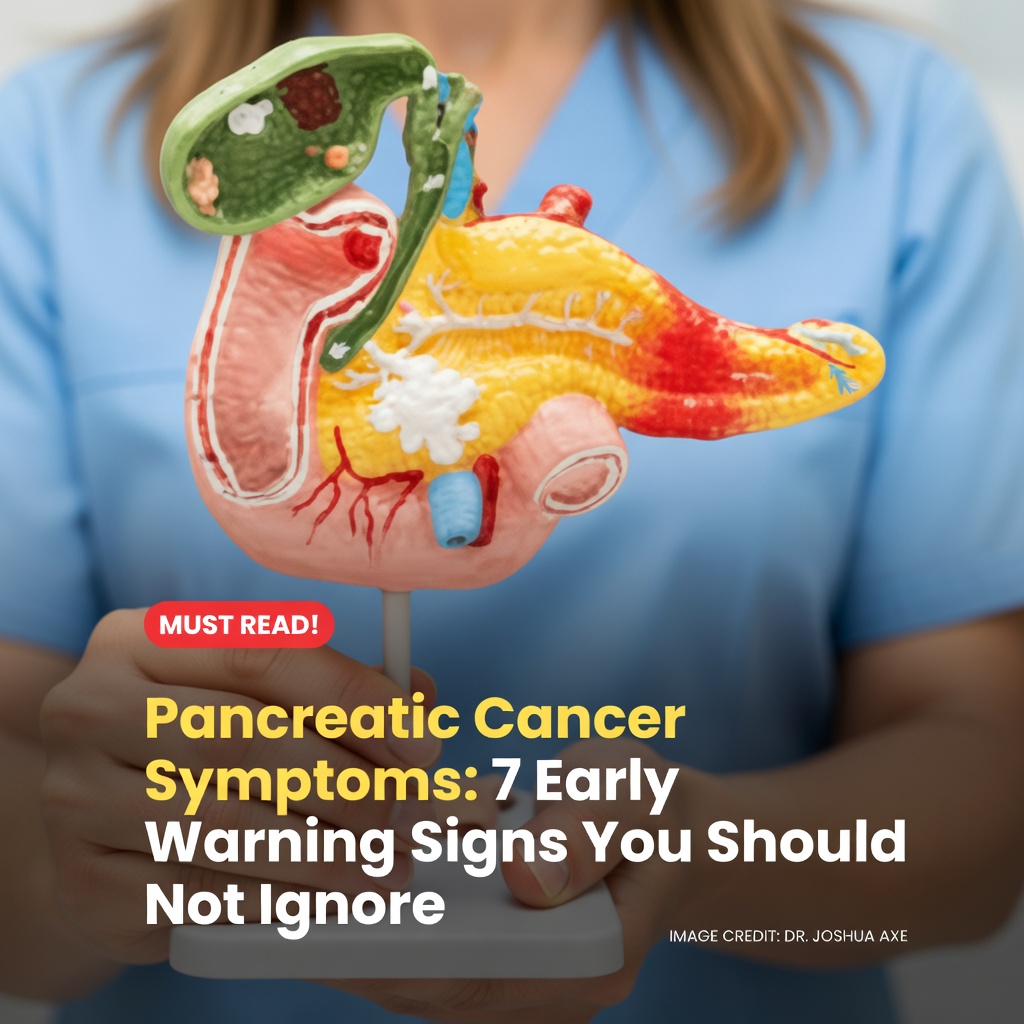
When to Seek Medical Advice
Do not wait until symptoms become severe. If you notice a combination of the warning signs listed above, contact your healthcare provider promptly. They can decide which tests or follow-up steps are appropriate based on your symptoms, history, and overall health.
These signs do not automatically mean cancer, but they are important enough to check. Early medical advice can provide answers, reassurance, or timely treatment if needed.
Frequently Asked Questions About Pancreatic Cancer Symptoms
1. Do pancreatic cancer symptoms appear suddenly or gradually?
In many cases, symptoms develop slowly over weeks or months, according to sources such as the Mayo Clinic. Sudden changes are less typical, but if they continue or worsen, they still deserve attention.
2. Is there a screening test for people without symptoms?
Routine screening is not usually recommended for the general population. However, people with a strong family history or known genetic risk may want to discuss screening options with a specialist.
3. What information should I give my doctor if I notice warning signs?
Be as specific as possible. Describe when the symptoms started, how often they occur, whether they are getting worse, and any patterns you have noticed. Also mention family history and any medical conditions such as diabetes or pancreatitis.
Final Thoughts
Recognizing pancreatic cancer warning signs starts with paying attention to your body and responding when something feels unusual. Understanding common symptoms, tracking changes, and speaking with a healthcare professional can improve your health awareness and help you act earlier.
Even a simple habit, such as monitoring stool and urine changes, can support better self-awareness than many people realize. Staying informed and observant is one of the most practical ways to protect your health.