Activated Charcoal for Teeth: Promise, Precautions, and Practical Tips
Many people notice their teeth slowly losing their natural brightness over time. Everyday habits like drinking coffee, tea, or red wine, combined with aging and plaque buildup, can gradually dull your smile. This change can affect confidence, making some people feel hesitant to smile or speak freely in social or professional situations.
As interest in gentle, at-home oral care grows, more people are exploring natural ingredients they already recognize. One of the most talked-about options is activated charcoal. Below, you’ll find a clear, balanced look at what activated charcoal might offer for teeth—and what you need to know before using it.
But the initial appeal is only part of the story. Understanding both the potential advantages and the real risks is essential for making informed decisions about your oral care routine.
What Is Activated Charcoal and Why Is It So Popular?
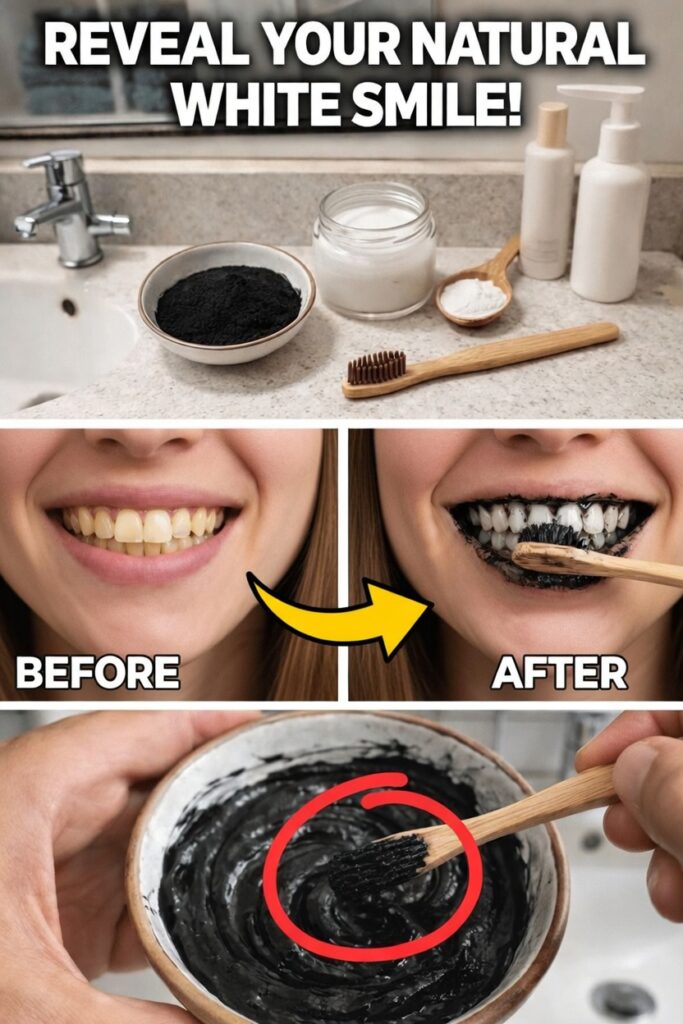
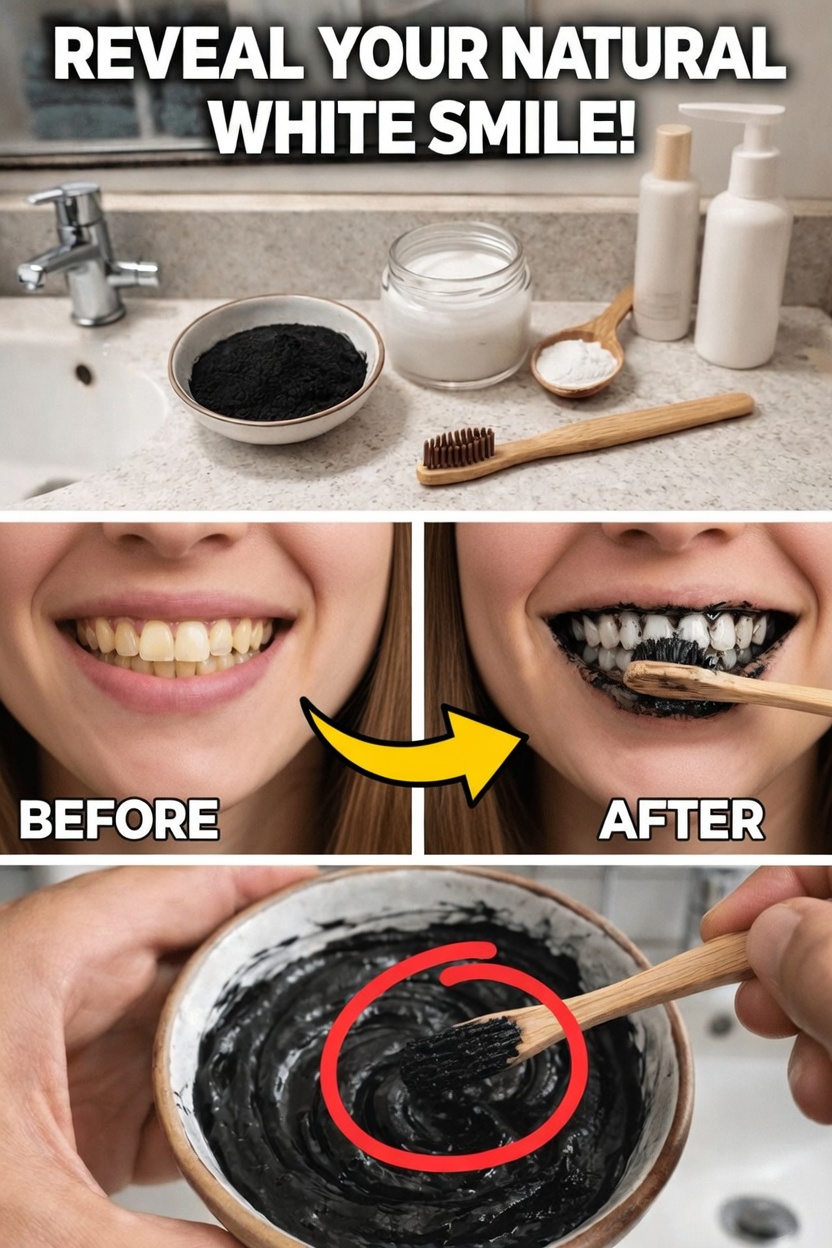
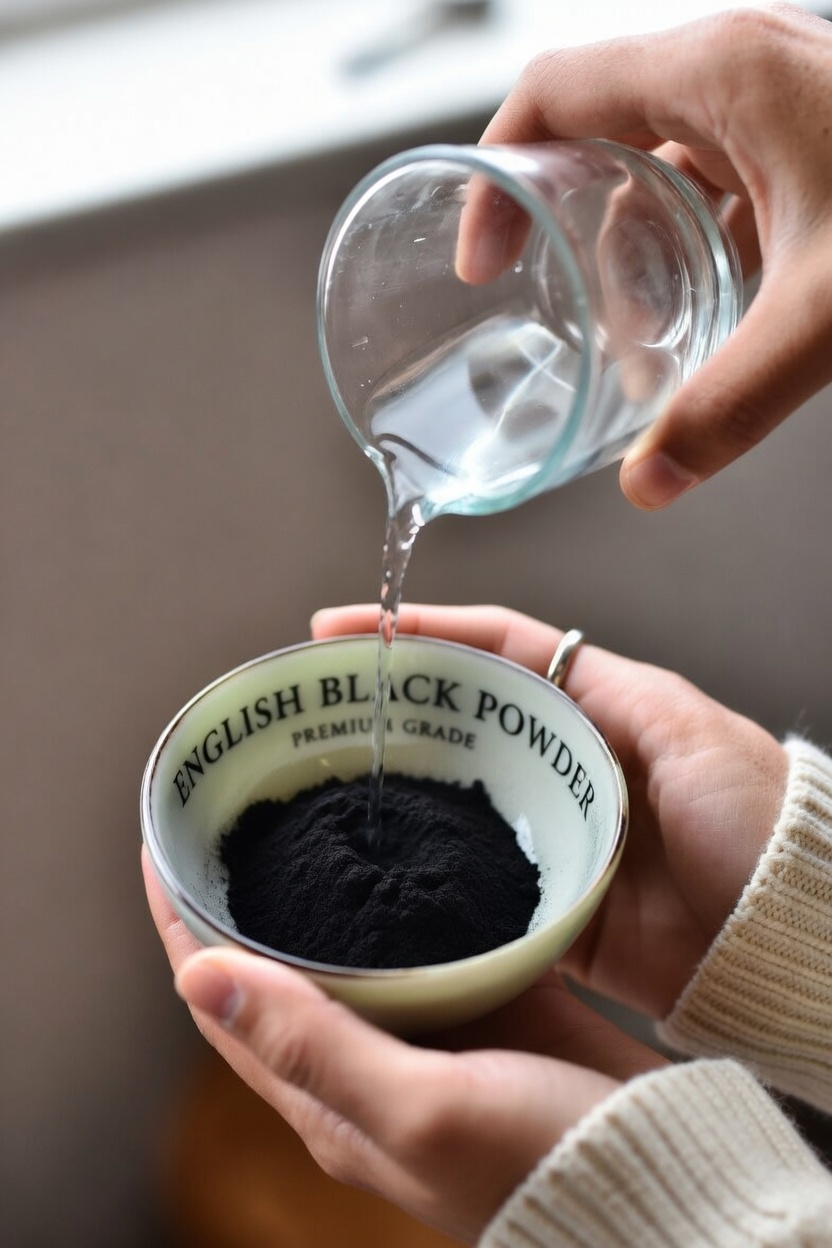
Activated charcoal is a finely ground, black powder made by heating natural materials—such as coconut shells, bamboo, or wood—at very high temperatures in a low-oxygen environment. This process creates a highly porous structure, giving the powder a large surface area that can bind to certain substances.
In recent years, activated charcoal has become a trending ingredient in oral care products, including tooth powders, toothpastes, and DIY pastes. Its popularity largely comes from:
- Its absorbent and adsorptive properties
- The perception of being a “natural” alternative
- Strong promotion on social media and beauty blogs
Some people report that their mouth feels cleaner or fresher after using activated charcoal products, which has helped fuel ongoing discussion and curiosity.
What Does Research Say About Whitening?
Laboratory (in vitro) studies suggest activated charcoal may help remove some surface-level (extrinsic) staining due to its:
- Abrasive texture, which can physically polish away deposits
- Adsorptive capacity, which may help it cling to certain stain-causing particles
For example, some tests show reductions in stains from coffee or similar sources. However:
- Systematic reviews indicate that charcoal’s whitening effect is generally modest compared with established whitening agents.
- Evidence for consistent, long-term whitening is limited and not robust.
In other words, while it may help with some surface discoloration, it is not a proven, powerful whitening solution.
Commonly Reported Benefits of Activated Charcoal for Teeth
People who like using activated charcoal for teeth often mention a few key points that make it appealing:
-
Surface stain reduction:
Its mildly gritty texture and ability to bind substances may help lift some everyday stains from food, drinks, and plaque. -
Temporary feeling of freshness:
Many users describe their teeth feeling smoother or their mouth feeling cleaner immediately after use. -
Relatively low cost and easy access:
Food-grade or pharmaceutical-grade activated charcoal is widely available and simple to add occasionally to a home routine.
These perceived benefits are a major reason activated charcoal shows up frequently in natural oral care discussions. However, results vary dramatically from person to person.
Important Safety Concerns and Risks
Although occasional, careful use may feel tolerable for some individuals, dental professionals raise significant concerns—especially when charcoal is used frequently or aggressively.
Abrasiveness and Enamel Wear
Activated charcoal can be more abrasive than many conventional toothpastes. Studies, including systematic reviews of in vitro data, suggest:
- A higher potential to wear down enamel over time
- Increased risk of exposing dentin (the softer, yellowish layer beneath enamel)
- Possible heightened tooth sensitivity as enamel thins
Because enamel does not regrow, any long-term damage from abrasive products can be permanent.
Lack of Strong Evidence and Professional Endorsement
The American Dental Association (ADA) has examined available research and concluded:
- There is insufficient evidence to support the safety and effectiveness of charcoal-based products for regular whitening.
- No charcoal toothpastes or powders currently hold the ADA Seal of Acceptance.
Frequent use may also leave dark residue in tiny pits and grooves of the teeth, potentially causing:
- Temporary darkening if particles remain trapped
- A less clean appearance if the charcoal is not rinsed away thoroughly
Additional Professional Concerns
Oral health experts often highlight several other points:
-
Little or no fluoride:
Many pure charcoal powders do not contain fluoride, which plays a key role in strengthening enamel and preventing cavities. -
Potential gum irritation:
Vigorous scrubbing with a rough substance can inflame or damage gums. -
Not ideal for everyone:
People with existing sensitivity, enamel erosion, gum recession, or dental restorations (like veneers, crowns, or bonding) may face higher risks.
Due to these factors, dental professionals typically recommend extreme caution, gentle technique, and limited frequency if activated charcoal is used at all.
How to Use Activated Charcoal More Safely (If You Decide to Try It)
If, after discussing it with your dentist, you still want to experiment with activated charcoal, consider the following cautious approach described by some sources. This is not a replacement for professional advice but a general guideline for minimizing risk:
-
Choose the right product
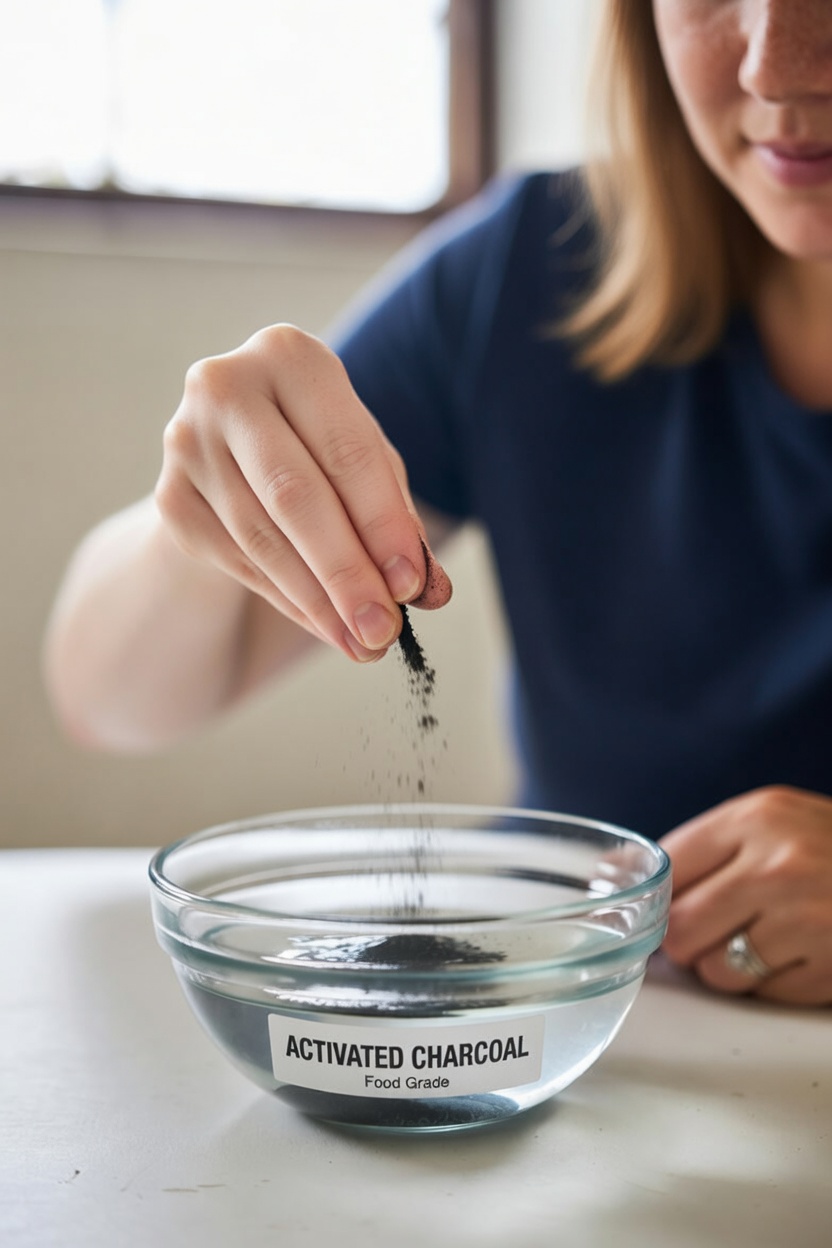
- Select pharmaceutical- or food-grade activated charcoal.
- Avoid charcoal products that are not intended for ingestion or oral use.
-
Prepare a thin paste
- Start with a small amount (about 1/2 teaspoon).
- Mix with a little water to form a runny, smooth paste—avoid thick, gritty mixtures that increase abrasion.
-
Use a gentle applicator
- Dampen a soft-bristled toothbrush, or
- Use a clean finger or very soft applicator to reduce friction.
-
Apply with minimal pressure
- Lightly dab or very gently brush the paste onto your teeth.
- Do not scrub, and avoid prolonged, forceful brushing.
-
Limit contact time
- Leave the paste on your teeth for about 1–2 minutes at most.
-
Rinse thoroughly
- Rinse your mouth several times with water until no black residue remains.
-
Follow with fluoride toothpaste
- Immediately brush with your regular fluoride toothpaste to clean the teeth properly and support remineralization.
-
Use sparingly
- Restrict use to 1–2 times per week at most.
- Never use it as a daily replacement for standard brushing.
If you experience sensitivity, discomfort, gum irritation, or notice changes in your enamel, stop using charcoal and speak with your dentist.
How Does Activated Charcoal Compare to Other At-Home Options?
To understand where activated charcoal fits into the bigger picture, it helps to compare it with other common at-home approaches often used for a brighter smile:
-
Activated Charcoal Powder
- Possible benefit: May help remove some surface-level stains.
- Key risk: Higher abrasiveness; limited high-quality evidence of strong or lasting whitening.
-
Baking Soda (Sodium Bicarbonate, in moderation)
- Often used in whitening toothpastes at controlled levels.
- Mild abrasive properties may assist in gentle stain removal when properly formulated.
- Overuse or undiluted scrubbing can also wear enamel, so moderation is important.
-
Oil Pulling (e.g., with Coconut Oil)
- Traditional practice of swishing oil in the mouth.
- Some early research suggests potential for reducing plaque and improving breath.
- Not well-supported as a true whitening method for deeper discoloration.
-
Standard Fluoride Toothpaste with Whitening Agents
- Formulas backed by research and often recommended for daily use.
- Designed to balance stain removal with safe abrasion levels.
- Provide proven cavity protection through fluoride.
Consistent basics—like proper brushing technique, daily flossing, and limiting highly staining foods and drinks—often produce noticeable brightening over time without introducing extra risks.
Everyday Habits for a Naturally Brighter Smile
Regardless of whether you try activated charcoal or not, your daily routine has a major impact on how bright and healthy your teeth look. Consider focusing on:
- Brushing twice a day with a soft-bristled toothbrush and fluoride toothpaste.
- Flossing or using interdental cleaners regularly to remove plaque between teeth.
- Rinsing with water after drinking coffee, tea, red wine, or colored sodas.
- Staying hydrated to help wash away food particles and support saliva flow.
- Scheduling regular dental checkups and professional cleanings for tailored guidance and thorough stain removal.
- Incorporating crunchy fruits and vegetables (like apples, carrots, celery) that can help mechanically clean tooth surfaces as you chew.
Over time, small, consistent steps usually make more difference than occasional intense treatments.
Conclusion
Exploring natural approaches like activated charcoal can be appealing when you’re looking for gentle ways to enhance your smile. Some people feel it helps with occasional surface stain removal, but current evidence stresses the need for caution. Its abrasive nature and the lack of strong, long-term data on safety and effectiveness mean it should not replace proven daily care or professional treatments.
Prioritizing well-established habits—brushing, flossing, fluoride use, smart dietary choices, and regular dental visits—offers a safer, more reliable path to a healthy, brighter smile. Always consult with a dental professional to decide what best fits your individual needs and comfort.
FAQ
Is activated charcoal safe to use on teeth every day?
No. Due to its abrasive potential, most dental professionals and research-based sources advise against daily use. Brushing twice daily with a standard fluoride toothpaste is generally recommended instead.
Can activated charcoal replace professional teeth whitening?
No. Activated charcoal is not considered an equivalent alternative to professional whitening. In-office or dentist-supervised treatments are more controlled, better studied, and typically more effective for deeper or long-standing discoloration.
What should I do if my teeth become sensitive after using activated charcoal?
Stop using activated charcoal immediately. Switch back to gentle, fluoride-based products and avoid abrasive home remedies. If sensitivity continues, worsens, or is accompanied by pain, schedule an appointment with your dentist for evaluation and personalized advice.