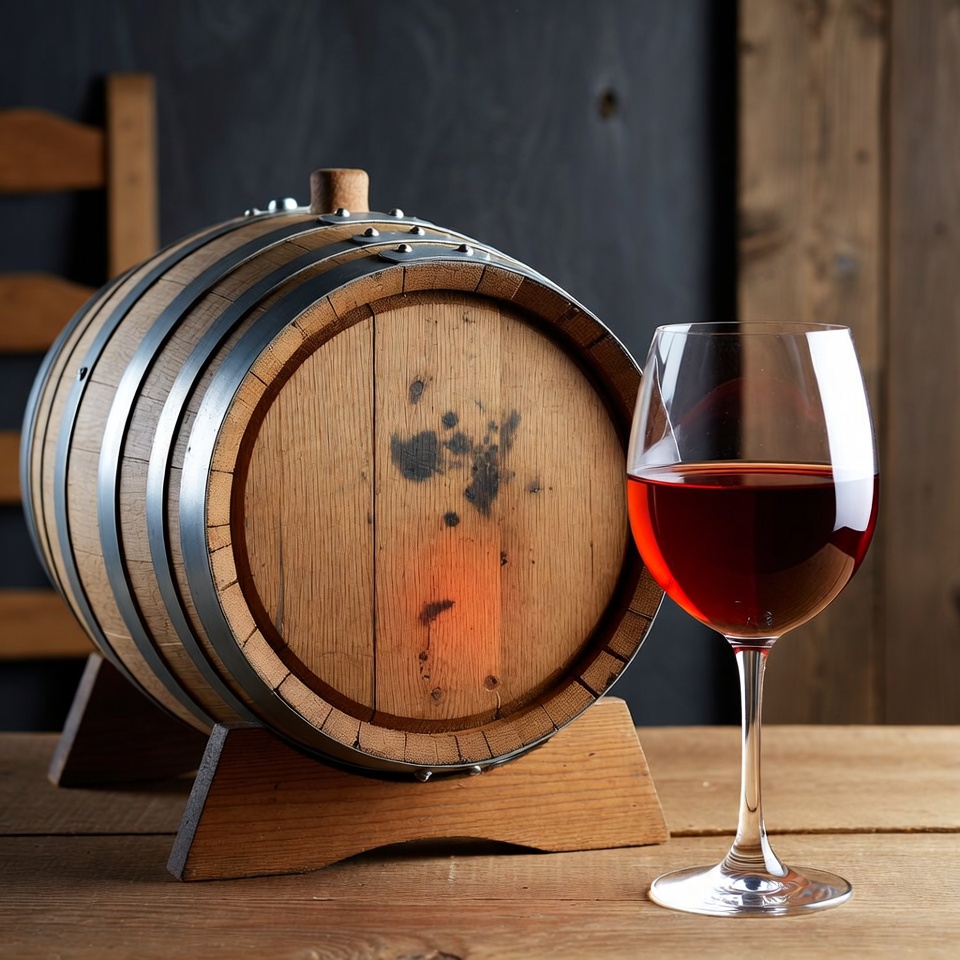
Homemade Rosehip Wine Recipe: Rich, Fruity, and Packed with Vitamin C
Enjoy a beautifully aromatic homemade rosehip wine with a deep, fruity character and a natural boost of vitamin C. This rosehip wine recipe is ideal for relaxed evenings, intimate gatherings, or as a special homemade gift.
Ingredients
For about 1 gallon (4.5 liters) of rosehip wine, you will need:
- 2 lbs (900 g) fresh or dried rosehips, chopped or lightly crushed
- 3 lbs (1.4 kg) sugar
- 1 gallon (4.5 liters) water
- Juice of 1 lemon (adds brightness and acidity)
- 1 teaspoon wine yeast (champagne yeast works well for a drier, crisper wine)
- 1 teaspoon yeast nutrient (optional, but helps support strong fermentation)
- 1 Campden tablet (optional, for sterilizing the must before fermentation)
Step 1: Prepare the Rosehips
-
Clean and prep the fruit
- Rinse fresh rosehips thoroughly to remove any dirt.
- Remove stems and blossom ends, then chop or crush them.
- If using dried rosehips, rehydrate them by soaking in warm water for a short time.
-
Extract the flavor
- Bring about half of the water to a boil.
- Place the prepared rosehips into a sterilized container or fermenting bucket.
- Pour the hot water over the rosehips.
- Cover the container and let the mixture steep for about 24 hours so the color and flavors infuse into the liquid.
Step 2: Start Primary Fermentation
-
Strain the rosehip infusion
- After 24 hours, strain the liquid into a large fermentation bucket, using a fine strainer or muslin cloth to catch the solids.
-
Add the remaining ingredients
- Stir in the sugar until it is completely dissolved.
- Add the lemon juice for acidity.
- Mix in the yeast nutrient if you are using it.
-
Pitch the yeast
- Sprinkle the wine yeast (or champagne yeast) over the surface of the liquid.
- Cover the bucket with a clean cloth or loose-fitting lid to allow gas to escape while keeping dust and insects out.
-
Ferment for the first week
- Leave the bucket in a warm, stable environment.
- Let it ferment for about 5–7 days, stirring once a day to keep the yeast active and the fermentation even.
Step 3: Transfer to a Glass Fermenter (Secondary Fermentation)
-
Move to a demijohn or carboy
- When the initial vigorous fermentation slows, strain the liquid again if needed to remove remaining solids.
- Transfer the wine into a sterilized glass demijohn or carboy, leaving sediment behind.
-
Fit the airlock
- Attach an airlock to the demijohn. This allows carbon dioxide to escape while preventing air and contaminants from entering.
-
Ferment slowly in a cool, dark place
- Place the fermenter in a cool, dark area.
- Allow the wine to ferment gently for about 4–6 weeks.
- You will notice the bubbling in the airlock gradually decreasing as fermentation nears completion.
Step 4: Bottling and Aging
-
Check that fermentation has finished
- When bubbling has essentially stopped and the wine looks clearer, it is usually ready to bottle.
- If available, you can confirm with a hydrometer reading to ensure fermentation is complete.
-
Siphon into bottles
- Carefully siphon the clear wine into sterilized wine bottles, taking care not to disturb the sediment at the bottom of the demijohn.
- Leave a little headspace at the top of each bottle.
-
Seal and age
- Cork or cap the bottles securely.
- Store them in a cool, dark place for at least 3–6 months to allow the flavors to mellow and develop.
- Longer aging (up to 1–2 years) often results in a smoother, more complex rosehip wine.
Serving and Enjoying Rosehip Wine
- Serving temperature: Best served slightly chilled to highlight its floral and fruity notes.
- Food pairings: Excellent with cheese boards, roasted meats, game dishes, or fruit-based desserts.
- Storage: Properly sealed bottles can be stored for 1–2 years, during which the wine generally improves in depth and smoothness.
This rosehip wine recipe brings out the natural richness of rosehips in a beautifully crafted homemade wine. Enjoy responsibly and savor the unique, vibrant character in every glass.